
In the bustling markets and vibrant streets of Ibadan, a silent health crisis is unfolding, one that directly threatens the lives of our men. As an organisation based here in Oyo State, we are on the front line of the battle against non-communicable diseases (NCDs), particularly hypertension and diabetes. Every day, we witness a disturbing trend: today, men—especially young adults with bright futures, careers, and families—are dying daily from preventable health issues directly linked to the consumption of trans fats.
This is not just a health issue; it is a crisis that is robbing our community of its fathers, brothers, and leaders.
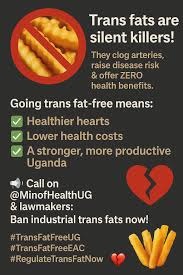
Trans fats, or trans-fatty acids, are the most dangerous type of fat for the human heart and vascular system. They are primarily created in an industrial process that adds hydrogen to liquid vegetable oils to make them more solid. For food vendors and producers, this is a cheap and attractive option because it increases the shelf life and flavour stability of foods.
In Ibadan, common sources of industrially produced trans fats include:
Reused Frying Oils! Oils are used repeatedly to fry popular staples like akara (bean cakes), puff-puff, boli (roasted plantain) with groundnut oil, and doughnuts sold by roadside vendors.
Margarines and Vegetable Shortenings! Often used in baked goods like bread, cakes, and pastries sold in local bakeries.
Packaged Snacks? Some commercially fried snacks and fast foods.
Our work at the Rays of Hope Support Initiative has highlighted a critical and concerning pattern: the devastating impact of trans fats is not gender-neutral.
While women are not completely immune, their natural hormonal makeup, particularly oestrogen, offers a degree of protection by helping to regulate cholesterol levels and fat distribution. This biological advantage, however, is not shared by men.
The male body is particularly vulnerable. In our screenings across Ibadan, we have observed that the majority of our men tend to develop visceral fat—the dangerous fat that accumulates deep within the abdomen, wrapping around their internal organs. This is the direct consequence of a diet high in trans fats. This central obesity is a ticking time bomb, leading to a cascade of life-threatening complications:
Trans fats wreak havoc on a man’s lipid profile. They raise “bad” cholesterol (LDL) and lower “good” cholesterol (HDL). They also significantly increase triglycerides, another type of fat in the blood that hardens arteries.
Also, the build-up of cholesterol and triglycerides doesn’t just sit idly on our body. It forms plaque, leading to the narrowing and hardening of our arteries (atherosclerosis)—”a sure path to hypertension”. The heart is then forced to pump blood through these constricted pathways, leading to dangerously high blood pressure (hypertension)—a condition we see daily at our centre.
Visceral fat is not inert; it acts like an active organ, releasing inflammatory substances that make the body’s cells resistant to insulin. This insulin resistance is a direct precursor to high blood sugar and type 2 diabetes, creating a perfect storm where a man is now managing two or more debilitating NCDs simultaneously.
The result is a preventable tragedy—a young man in his 30s or 40s, a provider for his family, suffers a sudden heart attack or stroke or is diagnosed with advanced kidney disease from uncontrolled hypertension and diabetes. Hmmm!
Addressing this crisis requires a multi-pronged approach, from individual lifestyle changes to systemic action by authorities.
Here is what needs to be done:
For Individuals and Families:
Dietary Overhaul:
- Minimise the consumption of foods fried in oil that has been used repeatedly. Be mindful of the deep golden-brown colour of repeatedly heated oil used for frying akara and puff-puff.
- When buying packaged foods, look for “partially hydrogenated oils” on the ingredient list—this is a direct indicator of trans fats.
- At home, use healthier oils like olive, soybean, or palm oil in moderation, and avoid heating them to the smoking point.
- Aim for at least 150 minutes of moderate-intensity exercise per week. This could be a brisk walk around your neighbourhood, cycling, or engaging in local group sports. Exercise is the most effective way to burn visceral fat.
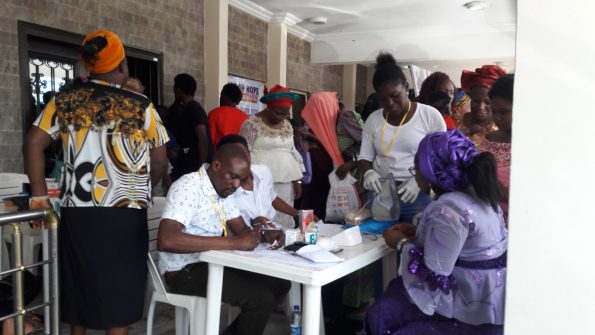
- Do not wait for symptoms. As an organisation working within the NCDs healthcare space, we cannot overemphasise the importance of regular check-ups. Know your numbers: blood pressure, blood sugar, and cholesterol levels. Early detection is the only way to intervene before complications arise.
- If diagnosed with hypertension or diabetes, it’s not a death sentence but a lifelong condition that requires consistent management. Take your medication exactly as prescribed by a healthcare professional. Do not stop when you feel better; consult your doctor and dietitian first.
To our government (Oyo State and Federal):
Nigeria must implement and enforce a trans fat ban by leading other nations in setting a legal limit for industrially produced trans fat in all foods.
Enforce strict quality controls on the production and sale of cooking oils to prevent adulteration and promote healthier options.
Launch mass media campaigns (radio, TV, town criers) in local languages to educate the public, especially men, about the dangers of trans fats, using culturally relevant examples like akara and puff-puff.
To our healthcare centres and authorities:
Every consultation for hypertension or diabetes must include practical, actionable advice on avoiding trans fats. We are asking for integrated dietary counselling.
Equip community health workers and nurses with the knowledge to counsel patients on healthy cooking practices and food choices.
Improve the tracking and reporting of NCDs to the appropriate quarters so as to better understand the scope of the problem.
To organisations working within the health care space:
We must continue to take our services to the markets, motor parks, and communities, meeting men where they are to check their blood pressure and blood sugar.
Develop programmes specifically for men, focusing on the link between their diet (e.g., the oil in their favourite local foods) and their future health. Use relatable language and peer-to-peer influence.
We must collectively raise our voices to urge the government for stricter regulations on trans fats. We are the voice for the communities we serve.
Create and facilitate support groups for men living with hypertension and diabetes, providing a space for shared learning and encouragement.
The fight against trans fats is a fight for the future of our men in Ibadan and Nigeria. Through awareness, lifestyle change, and strong advocacy, we can reverse this trend and ensure that our young men live to fulfil their promising futures.