Apr 7, 2026 | Healthy Foods
Hello ROHSI Family,
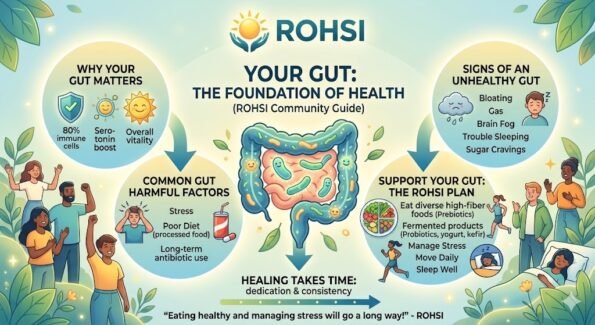
We’ve all heard the term “gut health” floating around, and we know it’s supposed to be a good thing. But in our journey toward whole-body wellness, it’s time to understand why it’s so fundamental. Think of your gut not just as a part of you but as the very foundation of your health. When the foundation is strong, the whole house stands firm.
What Does “Good Gut Health” Really Mean?
Simply put, good gut health is about balance. Inside your digestive system lives a vast, bustling community of microorganisms, bacteria, yeasts, and other microbes collectively known as your gut microbiome. A healthy gut occurs when there’s a harmonious balance between the “good” (helpful) and the “bad” (potentially harmful) microbes.
This isn’t just about digestion. In fact, 80% of your immune system resides in your gut! It’s also a major production site for neurotransmitters, including the “feel-good” hormone serotonin. This means your gut health is directly linked to your immunity and your mood. If your gut is out of balance, your immune system can weaken, and your emotional well-being can suffer.
What Can Throw Our Gut Out of Balance?
Our modern lifestyle can be tough on our internal ecosystem. Several factors can tip the scales, leading to an overgrowth of the bad bacteria. The most common culprits include the following:
Chronic Stress: When we’re stressed, it can increase intestinal permeability (often called “leaky gut”). This allows toxins to escape the gut and enter the bloodstream, disrupting the delicate balance of our microbiome.
Poor Nutrition: A diet high in processed foods, sugar, and unhealthy fats can feed the harmful bacteria, causing inflammation throughout the body and starving the beneficial bacteria that keep us healthy.
Overuse of Medications: While sometimes necessary, long-term use of antibiotics and antacids can have a negative impact. Antibiotics don’t discriminate; they kill both the bad bacteria causing an infection and the good bacteria we need. Antacids can decrease nutrient absorption, like B12, which is vital for energy and brain function. Always consult with your physician about the risks and benefits of any long-term medication.
How Your Gut Affects Your Whole Life
When your gut is thriving, you feel it from head to toe. Here’s how a healthy gut positively impacts your overall well-being:
Think of your gut as your body’s first line of defence. Beneficial bacteria train your immune cells to fight off real threats and maintain a strong gut barrier, preventing harmful substances from entering your bloodstream.
The “gut-brain axis” is a real and powerful connection. A healthy gut produces mood-regulating neurotransmitters like serotonin and dopamine. This is why a balanced gut can lead to a calmer mind, reduced anxiety, and better mental clarity. Conversely, an unhealthy gut can contribute to brain fog and mood swings.
A balanced microbiome is a master at breaking down food and extracting the vitamins and minerals your body needs to function. It also helps regulate waste removal, keeping your system running smoothly.
Your gut bacteria play a role in regulating your metabolism, blood sugar, and insulin sensitivity. An imbalanced gut can make it harder to maintain a healthy weight and is linked to metabolic issues.
An unhealthy gut can trigger chronic, low-grade inflammation throughout the body. This type of inflammation is a root cause of many chronic diseases, including autoimmune conditions, heart disease, and irritable bowel syndrome (IBS).
Is Your Gut Trying to Tell You Something?
An unhealthy gut doesn’t always just announce itself with a stomach ache. While gas, bloating, constipation, and diarrhoea are common signs, there are other, less obvious clues:
- Unexplained fatigue or poor sleep
- Skin irritations
- Autoimmune conditions (like Hashimoto’s, rheumatoid arthritis, or Type 1 diabetes)
- Brain fog, headaches, and poor concentration
- Intense cravings for sugar or carbs
- Moodiness, anxiety, or depression
If any of these resonate with you, it might be time to show your gut some love.
Healing your gut is a journey, not a race. Start with these simple foundational steps:
Eat a diverse range of whole foods. Focus on high-fibre foods (prebiotics) like fruits, vegetables, legumes, and whole grains to feed your good bacteria. Incorporate fermented foods (probiotics) like plain yoghurt, kefir, sauerkraut, and kimchi to introduce more beneficial bugs.
Your gut and brain are deeply connected. Manage your stress levels through activities you enjoy, whether it’s gentle movement, deep breathing, or time in nature. Prioritise regular exercise and aim for 7-9 hours of quality sleep each night.
Remember, your microbiome didn’t become unbalanced overnight, and it won’t be restored overnight either. Some people may need additional, targeted support from a healthcare provider, but for everyone, the journey starts here.
At Rays of Hope Support Initiative (ROHSI), we believe in empowering you with knowledge and compassionate support. Nourishing your body with healthy foods and managing your stress are powerful acts of self-care that will pave the way on your road to recovery and optimal well-being. Your gut is the root—let’s nurture it together.
Feb 14, 2026 | Healthy Foods
At Rays of Hope Support Initiative, our mission is to empower our community with the knowledge needed to live healthier, longer lives. Recently, scientific studies have raised alarms regarding a common sugar-free sweetener: erythritol.
For years, sugar-free sweeteners have been marketed as the guilt-free path to enjoying sweetness without consequences. Millions have switched to these alternatives, believing they are making the healthier choice for themselves and their families. However, emerging research now casts a shadow over this assumption, particularly regarding one of the most common sugar substitutes found in thousands of products worldwide.
Recent studies have revealed that certain artificial sweeteners—specifically those belonging to the sugar alcohol family—may accumulate in the liver rather than passing through the body as once believed. This accumulation appears to be linked to an increased risk of liver damage, fatty liver disease, and potential long-term hepatic complications.
For communities already facing health disparities, limited access to healthcare, and higher rates of metabolic conditions, this information is not just concerning—it is a call to action. This article aims to unpack what this means, examine the benefits and risks, and outline the responsibilities we all share in addressing this emerging public health concern.
What Is Sugar-Free Sweeteners, and Which One Is Under Scrutiny?
Sugar-free sweeteners encompass a broad category of substances used to sweeten foods and beverages without adding caloric sugar. They include:
- Artificial sweeteners: aspartame, sucralose, saccharin
- Natural zero-calorie sweeteners: stevia, monk fruit
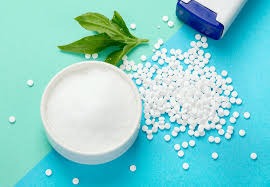
- Sugar alcohols (polyols): Erythritol, xylitol, sorbitol, maltitol
The primary concern emerging from recent research centres on erythritol, a sugar alcohol that has become extraordinarily popular in keto, low-carb, and diabetic-friendly products. Erythritol occurs naturally in small amounts in fruits like watermelon and pears, but the version used in commercial products is manufactured through industrial fermentation.
Unlike other sugar alcohols that can cause digestive distress, erythritol was long celebrated because it is absorbed into the bloodstream and excreted unchanged in urine—or so scientists believed.
What the Research Actually Shows
A 2023 study published in Nature Medicine by Dr Stanley Hazen and his team at the Cleveland Clinic made a startling discovery: individuals with higher blood levels of erythritol were at significantly elevated risk for major adverse cardiovascular events, including heart attack and stroke.
But the liver connection has emerged through additional research examining how the body processes erythritol. Key findings include:
Accumulation, Not Elimination
While the body does excrete much of the consumed erythritol through urine, a portion appears to be taken up by liver tissue. In animal models and human tissue studies, erythritol has been detected in liver cells at concerning levels following regular consumption.
Metabolic Disruption
Erythritol appears to interfere with normal liver metabolism. It may promote oxidative stress—a form of cellular damage—and contribute to the development of non-alcoholic fatty liver disease (NAFLD), a condition already reaching epidemic proportions globally.
Platelet Activation
Beyond the liver, erythritol has been shown to enhance platelet activation and clot formation, creating a dangerous combination where both cardiovascular and liver health are compromised.
Dose-Dependent Risk
The risk appears to increase with consumption. Individuals consuming multiple servings daily of products sweetened with erythritol showed significantly higher blood levels than those who consumed it occasionally.
The Merits: Why Erythritol Became So Popular
Understanding why erythritol gained such widespread acceptance helps explain why this news is both alarming and complicated.
For Individual Consumers
Blood Sugar Management: Erythritol does not raise blood glucose or insulin levels, making it genuinely valuable for diabetics and those managing metabolic syndrome.
Dental Health: Unlike sugar, erythritol does not feed cavity-causing bacteria. Some studies suggest it may even inhibit bacterial growth.
Digestive Tolerance: Unlike other sugar alcohols (sorbitol, maltitol), erythritol is less likely to cause gas, bloating, and diarrhoea because most is absorbed before reaching the colon.
Taste Profile: Erythritol provides about 70% of sugar’s sweetness with a taste and texture closer to sugar than many artificial sweeteners.
For Food Manufacturers
Bulk and Texture: Erythritol adds bulk and crystalline structure similar to sugar, making it valuable in baking.
Shelf Stability: It does not degrade under heat like some artificial sweeteners.
Clean Label Appeal: Derived from fermented glucose, it can be marketed as “natural” or “plant-based”.
Market Demand: With the explosion of keto and low-carb diets, manufacturers rushed to meet consumer demand for products that taste sweet without carbs or calories.
The Demerits: The Emerging Case Against Erythritol
The accumulating evidence demands we reconsider whether the benefits outweigh the newly discovered risks.
Health Risks
Liver Damage Potential: The most concerning finding for our community is the evidence that erythritol accumulates in liver tissue. Animal studies have demonstrated that high consumption leads to increased liver fat, inflammation, and markers of liver injury.
Cardiovascular Events: The Cleveland Clinic research found that individuals with the highest erythritol levels had double the risk of heart attack and stroke compared to those with the lowest levels.
Weight Management Irony: While erythritol contains no calories, emerging research on artificial sweeteners suggests they may disrupt the body’s natural ability to gauge caloric intake, potentially leading to increased overall consumption.
Unknown Long-Term Effects: Erythritol has only been widely used in significant quantities for about a decade. We do not know the effects of 20, 30, or 40 years of daily consumption.
Social and Access Concerns
Health Halo Effect: Products sweetened with erythritol are marketed as health foods, leading consumers to believe they are making an unambiguously positive choice.
Cost Barrier: Sugar-free products typically cost more than their conventional counterparts, placing financial burden on families trying to make healthier choices.
Limited Alternatives: As erythritol has become ubiquitous in sugar-free products, consumers have fewer options to avoid it while still avoiding sugar.
Confusing Labels: Erythritol may appear on ingredient lists under multiple names or be grouped under “sugar alcohols” without specific identification
Community Response: What We Can Do Together
The Rays of Hope community has always understood that health is not merely individual—it is collective. When new information emerges that threatens our wellbeing, we respond together.
Individual and Family Actions
Read Labels Diligently
Erythritol appears in protein bars, sugar-free chocolates, ice cream, baked goods, beverages, and even some condiments. Look specifically for “erythritol” in ingredient lists.
Distinguish Between Sweeteners
Not all sugar-free sweeteners carry the same risk. Stevia and monk fruit have not shown similar concerns. Consider rotating back toward these options or moderate amounts of natural sugar.
Reduce Frequency, Not Just Quantity
The research suggests risk is tied to regular, ongoing consumption. Using erythritol-sweetened products occasionally for special treats presents lower risk than daily consumption.
Focus on Whole Foods
The simplest way to avoid questionable additives is to prioritize foods that don’t require ingredient lists. Fresh fruit, vegetables, lean proteins, and whole grains contain no hidden erythritol.
Share Information Gently
Many community members switched to erythritol products on medical advice for diabetes or weight management. Approach conversations with compassion, not judgment.
Community-Based Strategies
Community Nutrition Workshops: Rays of Hope can organize sessions teaching label reading and identifying hidden sources of erythritol.
Peer Support Networks: Establish groups for sharing sugar-free alternatives that don’t rely on concerning sweeteners.
Local Vendor Engagement: Work with local stores and markets to help them understand why customers need clear labelling and alternative options.
Recipe Development: Create and share culturally appropriate recipes using safer sweetening options that respect dietary restrictions while protecting liver health.
Civil Society Organization Role: Advocacy and Education
As a CSO, Rays of Hope is positioned to bridge the gap between emerging research and community action. Our role extends beyond informing our immediate members to advocating for systemic change.
Educational Mission
Translate Complex Science: The research on erythritol is technical and often locked behind paywalls. Our responsibility is to translate this information into accessible, actionable knowledge.
Counteract Misinformation: The wellness industry has heavily promoted erythritol. We must provide balanced, evidence-based information that neither dismisses legitimate concerns nor causes panic.
Train Community Health Workers: Equip trusted community members with accurate information they can share in churches, mosques, community centres, and family gatherings.
Advocacy Agenda
Demand Transparency: Call on manufacturers to clearly label erythritol content rather than hiding it under umbrella terms.
Push for Updated Dietary Guidelines: Current dietary guidelines do not address erythritol consumption limits. CSOs can petition for their inclusion.
Fund Community-Based Research: Advocate for research that specifically examines how erythritol affects populations already at higher risk for liver and metabolic disease.
Create Consumer Guides: Develop and distribute easy-to-use guides comparing sweeteners with clear visual indicators of risk levels.
Government Response: Protecting Public Health
Governments at all levels have a fundamental responsibility to protect citizens from preventable harm, particularly when that harm originates from products widely available in the food supply.
Regulatory Actions Needed
Immediate Safety Review: Health agencies should conduct expedited reviews of all available evidence on erythritol and issue interim guidance while longer-term studies proceed.
Mandatory Labelling: Require clear, prominent labelling of erythritol content. Consumers cannot make informed choices when ingredients are obscured.
Serving Size Revaluation: Many products contain multiple servings of erythritol per package, but consumers often consume the entire package. Regulations should consider realistic consumption patterns.
Health Claims Regulation: Prohibit marketing that positions erythritol-sweetened products as unambiguously healthy given the emerging evidence of risk.
Public Health Infrastructure
Surveillance Systems: Incorporate erythritol consumption tracking into national nutrition and health monitoring systems.
Research Funding: Allocate resources specifically for independent research on sugar alcohols and liver health, free from industry influence.
Vulnerable Population Protection: Develop specific guidance for populations at elevated risk, including those with existing liver conditions, diabetes, and cardiovascular disease.
School and Institutional Policies: Review and revise nutrition standards for schools, hospitals, and other public institutions to limit erythritol exposure in vulnerable populations.
Lawmakers’ Role: Legislation for Prevention
Elected officials have tools at their disposal that can address this issue before it becomes a full-blown public health crisis. The lesson of tobacco, trans fats, and partially hydrogenated oils is clear: waiting for absolute certainty costs lives.
Legislative Priorities
The Sweetener Transparency Act: Legislation requiring that all sugar alcohols be individually named on ingredient labels rather than grouped. Consumers deserve to know exactly which sweeteners they are consuming.
Post-Market Surveillance Mandate: Unlike pharmaceutical drugs, food additives receive limited ongoing safety monitoring once approved. Lawmakers can mandate regular safety reviews as new evidence emerges.
Conflict of Interest Disclosure: Require disclosure of industry funding in research used to support health claims or safety petitions.
Healthy Food Incentives: Redirect subsidies and support toward whole foods and minimally processed options rather than ultra-processed “diet” products.
Oversight Responsibilities
Congressional Hearings: Hold hearings examining the adequacy of current food additive safety processes, specifically regarding sugar alcohols approved decades ago under different standards.
Agency Accountability: Demand that the FDA explain why emerging evidence on erythritol has not resulted in consumer advisories or regulatory action.
Whistleblower Protection: Strengthen protections for scientists and public health officials who raise concerns about food additive safety.
Balancing Caution Without Panic
It is essential to approach this information with nuance. For a person with diabetes who uses erythritol-sweetened products occasionally to satisfy a sweet craving, the risk remains low. For someone consuming multiple servings daily of protein bars, keto snacks, and sugar-free beverages sweetened with erythritol, the cumulative risk may be substantial.
We must also recognise that sugar itself carries well-documented health risks, including liver damage through fructose metabolism. The solution is not simply returning to unrestricted sugar consumption.
The path forward requires:
- Informed moderation rather than absolute prohibition
- Diversification of sweetener sources rather than over-reliance on any single option
- Whole food emphasis rather than additive substitution
- Systemic change rather than placing the full burden on individual consumers
Conclusion: From Information to Action
The emerging evidence linking erythritol to liver damage and cardiovascular risk represents a critical moment for our community and for public health advocacy. We have seen this pattern before—a substance is introduced, marketed as healthier than what came before, widely adopted, and only later revealed to carry its own serious risks.
What distinguishes this moment is what we choose to do with the information.
Rays of Hope has always been more than a source of information—we are a source of action. We inform so that we can protect. We educate so that we can empower. We advocate so that the most vulnerable among us are not left to navigate these complex decisions alone.
To our community members: Read labels, ask questions, share what you learn, and be gentle with yourselves and each other. No one made the wrong choice with the information they had.
To our CSO partners: Amplify this message, push for transparency, and hold industry and government accountable to the communities they serve.
To our government officials: Act on the evidence we have rather than waiting for absolute certainty. Issue guidance, mandate clear labelling, and fund the research we still need.
To our lawmakers: Create the legislative framework that ensures food safety systems keep pace with industry innovation and protect public health above corporate interests.
The sweetness we crave should not come at the cost of our liver’s health or our community’s wellbeing. Together, we can advocate for a food environment where health is not a luxury, information is not a privilege, and prevention is not an afterthought.
For more information or to get involved in our food safety advocacy work, contact Rays of Hope Support Initiative at [contact information] or visit our community health resource centre.
Remember! This article is for informational purposes and is not a substitute for professional medical advice. Please consult healthcare providers regarding individual dietary decisions.

Jul 18, 2023 | Healthy Foods
Aspartame, a commonly used artificial sweetener found in various sugar-free foods and drinks, has recently come under scrutiny due to concerns about its potential carcinogenic effects. The World Health Organization (WHO) has classified aspartame as a possible carcinogen, although its food safety group suggests that the evidence is inconclusive
The WHO’s cancer research group has categorized aspartame as a possible carcinogen, suggesting a potential link between its consumption and the development of cancer. However, it is crucial to note that this classification is based on limited evidence, and further research is needed to establish a definitive conclusion. The global health community acknowledges the need for moderation in consuming aspartame-containing products until more conclusive evidence becomes available.
Aspartame is an artificial sweetener that is used in a wide variety of foods and beverages, including diet sodas, chewing gum, and sugar-free desserts. It is also sold under the names Equal, NutraSweet, and Sugar Twin.
While the WHO’s classification raises questions, it is important to consider existing global data on aspartame. Numerous comprehensive studies conducted by regulatory agencies, including the United States Food and Drug Administration (FDA) and the European Food Safety Authority (EFSA), have consistently found no significant evidence linking aspartame to cancer or other adverse health effects when consumed within acceptable daily intake levels.
What People Need to Know about aspartame and cancer:
- The IARC’s classification of aspartame as a possible carcinogen is based on limited evidence.
- More research is needed to determine whether aspartame actually causes cancer.
- The amount of aspartame that is considered safe is not yet known.
- People who are concerned about the potential risks of aspartame should limit their intake.
What to Do Next
If you are concerned about the potential risks of aspartame, you can do the following:
- Awareness! Individuals should be aware of the presence of aspartame in various food and beverage items and make informed choices based on their preferences and health concerns. Reading labels and understanding product ingredients can help in making informed decisions.
- Limit your intake of aspartame. If you do consume aspartame, be sure to do so in moderation. Moderation is the word Until more definitive research is available. It is prudent to exercise moderation in the consumption of aspartame-containing products.
- Choose other sweeteners. There are a number of other sweeteners that are available, such as stevia and monk fruit.
- Talk to your doctor. Your doctor can help you assess your individual risk and make recommendations.
- Follow Expert Guidelines! It is crucial to follow the recommendations and guidelines provided by reputable health organizations and regulatory bodies, such as the WHO and local food safety agencies. These organizations stay updated with the latest research and provide evidence-based guidance for public health.
Aspartame in Nigeria and Africa
Aspartame is widely used in Nigeria and other parts of Africa. It is found in many diet sodas, chewing gums, and sugar-free desserts.
The IARC’s classification of aspartame as a possible carcinogen has raised concerns in Nigeria and other parts of Africa. Some people are worried that the use of aspartame may be contributing to the high rates of cancer in these countries.
However, it is important to note that the evidence linking aspartame to cancer is still limited. More research is needed to determine whether aspartame actually causes cancer.
In the meantime, people who are concerned about the potential risks of aspartame should limit their intake. They can also choose other sweeteners base on expert advice anyway.

Mar 10, 2023 | Healthy Foods
MASSIVE EFFORTS NEEDED TO REDUCE SALT INTAKE AND PROTECT LIVES
A first-of-its-kind World Health Organization (WHO) Global report on sodium intake reduction shows that the world is off-track to achieve its global target of reducing sodium intake by 30% by 2025.
Sodium, an essential nutrient, increases the risk of heart disease, stroke and premature death when eaten in excess. The main source of sodium is table salt (sodium chloride), but it is also contained in other condiments such as sodium glutamate. The report shows that only 5% of WHO Member States are protected by mandatory and comprehensive sodium reduction policies and 73% of WHO Member States lack full range of implementation of such policies.
Implementing highly cost-effective sodium reduction policies could save an estimated 7 million lives globally by 2030. It is an important component of action to achieve the Sustainable Development Goal target of reducing deaths from noncommunicable diseases. But today, only nine countries (Brazil, Chile, Czech Republic, Lithuania, Malaysia, Mexico, Saudi Arabia, Spain and Uruguay) have a comprehensive package of recommended policies to reduce sodium intake.
“Unhealthy diets are a leading cause of death and disease globally, and excessive sodium intake is one of the main culprits,” said Dr Tedros Adhanom Ghebreyesus, WHO Director-General. “This report shows that most countries are yet to adopt any mandatory sodium reduction policies, leaving their people at risk of heart attack, stroke, and other health problems. WHO calls on all countries to implement the ‘Best Buys’ for sodium reduction, and on manufacturers to implement the WHO benchmarks for sodium content in food.”
A comprehensive approach to sodium reduction includes adopting mandatory policies and WHO’s four “best buy” interventions related with sodium which greatly contribute to preventing noncommunicable diseases. These include:
- Reformulating foods to contain less salt, and setting targets for the amount of sodium in foods and meals
- Establishing public food procurement policies to limit salt or sodium rich foods in public institutions such as hospitals, schools, workplaces and nursing homes
- Front-of-package labelling that helps consumers select products lower in sodium
- Behaviour change communication and mass media campaigns to reduce salt/sodium consumption
Countries are encouraged to establish sodium content targets for processed foods, in line with the WHO Global Sodium Benchmarks and enforce them though these policies.
Mandatory sodium reduction policies are more effective, as they achieve broader coverage and safeguard against commercial interests, while providing a level playing field for food manufacturers. As part of the report, WHO developed a Sodium country score card for Member States based on the type and number of sodium reduction policies they have in place.
“This important report demonstrates that countries must work urgently to implement ambitious, mandatory, government-led sodium reduction policies to meet the global target of reducing salt consumption by 2025,” said Dr Tom Frieden, President, and CEO of Resolve to Save Lives, a not-for-profit organization working with countries to prevent 100 million deaths from cardiovascular disease over 30 years. “There are proven measures that governments can implement and important innovations, such as low sodium salts. The world needs action, and now, or many more people will experience disabling or deadly—but preventable—heart attacks and strokes.”
The global average salt intake is estimated to be 10.8 grams per day, more than double the WHO recommendation of less than 5 grams of salt per day (one teaspoon). Eating too much salt makes it the top risk factor for diet and nutrition-related deaths. More evidence is emerging documenting links between high sodium intake and increased risk of other health conditions such as gastric cancer, obesity, osteoporosis, and kidney disease.
WHO calls on Member States to implement sodium intake reduction policies without delay and to mitigate the harmful effects of excessive salt consumption. WHO also calls on food manufacturers to set ambitious sodium reduction targets in their products.
To read the report, visit: https://www.who.int/publications/i/item/9789240069985

Feb 15, 2023 | Healthy Foods
OVERHEATING COOKING OIL CAN CAUSE HYPERTENSION, STROKE – NUTRITIONIST
By Angela Onwuzoo
A Professor of Public Health Nutrition, Ignatius Onimawo, has said that it is dangerous to overheat cooking oils, warning that eating foods cooked with such oil increases the risk of heart attack, hypertension, and stroke.
Prof. Onimawo, a former Vice-Chancellor, Ambrose Alli University, Ekpoma, Edo State, said overheating vegetable oil converts it to trans fat, warning that trans fat is injurious to health.
According to him, trans fats are the worst type of fat that an individual can eat, stressing that trans fats have no known health benefits and are a major contributor to cardiovascular disease and stroke worldwide.
Speaking in an interview with PUNCH HealthWise, the nutritionist noted that when vegetable oils are overheated continuously, they get converted into trans fatty acids and cause inflammation.
The former Nutrition Society of Nigeria President explained, “When you reuse vegetable oil or any cooking oil for that matter, and you do it more than twice, the tendency is that, if you are continuously heating the oil, the fatty acid composition of the oil can be transformed into trans fatty acid.
“When you are frying, the temperature of the oil is high. Then after that the same oil, you use it again and the temperature is high.
“By the time you are using it the third or the fourth time, there is going to be a transformation of the fatty acid. They will be converted into what we call trans fatty acids.
“These trans fatty acids are responsible for cardiovascular diseases. They even cause cardiovascular diseases more than saturated fats.
“That is why we normally advise, that if you have used oil more than once or twice, it is better to discard it.”
Mayo Clinic – a medical centre focused on integrated health care, education, and research, says trans fat is considered the worst type of fat to eat.
“Unlike other dietary fats, trans fats — also called trans-fatty acids — raise “bad” cholesterol and also lowers “good” cholesterol.
“A diet laden with trans fats increases the risk of heart disease, the leading killer of adults. The more trans fats eaten, the greater the risk of heart and blood vessel disease,” the clinic noted.
Continuing, the don said, “Because the body cannot handle them, they are the ones that normally form plagues or deposits along the arteries.
“Sometimes, they form these plagues along some of the organs. So, you find out that these trans fats are more deadly than saturated fatty acids.
“Most of the saturated acids themselves lead to deposition of fats in the tissues. This leads to a build-up of pressure on the arteries and veins.
“They deposit fats inside the arteries where blood passes through and sometimes, outside the arteries. “
Prof. Onimawo said that the build of fats around and inside the blood vessels could lead to hypertension.
“They (trans fatty acids) hardened the arteries which are supposed to be flexible. So, when the plagues are there, that particular blood vessel becomes non-flexible.”
“And therefore, when it is not flexible, it cannot expand to accommodate
pressure and if that happens continuously, the blood pressure begins to increase and sometimes, that is the origin of high blood pressure.
“If this continues, you know that high blood pressure is a precursor to a lot of things that have to do with heart disease,” the nutritionist noted.
The World Health Organisation says there is evidence that heating and frying oil at high temperatures leads to an increase in trans fat concentrations.
According to the WHO, trans fat increases the risk of heart disease and death from heart disease by 28 per cent.
“On average, the level of trans fat has been found to increase by 3.67 g/100g after heating, and by 3.57 g/100g after frying.
“Approximately 540,000 deaths each year can be attributed to the intake of industrially produced trans-fatty acids.
“High trans fat intake increases the risk of death from any cause by 34 per cent, coronary heart disease deaths by 28 per cent and coronary heart disease by 21 per cent.
“This is likely due to the effect on lipid levels: trans fat increases LDL (“bad”) cholesterol levels while lowering HDL (“good”) cholesterol levels. Trans fat has no known health benefits,” WHO said.

Oct 11, 2020 | Healthy Foods

UNHEALTHIEST HABITS FOR YOUR HEART
Emilia Paluszek
“One Love! One Heart! Let’s get together and feel all right,” sang Bob Marley. But without a heart, one can forget about love or frankly — anything else. The good news is that if you manage to avoid certain mistakes and adopt a couple of simple rules you can keep your heart in mint condition for years. Love your heart and you will feel all right. Read on, and to ensure your health and the health of others, don’t miss these Sure Signs You’ve Already Had Coronavirus.
1 You’re Not Making Muscle Health a Priority
“Not making muscle health a priority is a major issue for your health. Make sure that you treat your heart with the respect it deserves,” says Dr. Neerav Dilip Padliya, Ph.D., PMP, Vice President, Research for MYOS RENS Technology. If you don’t know which heart risk factors you have, ask your healthcare provider to conduct or request screening tests during regular visits.
Here are the key screening tests for monitoring cardiovascular health recommended by the American Heart Association:
- Blood pressure. The American Heart Association recommends checking your blood pressure during each regular healthcare visit or at least once per year if blood pressure is less than 120/80 mm Hg.
- Cholesterol. The recommendation is to check it every 4-6 years for normal-risk adults; more often if any you have elevated risk for heart disease and stroke.
- Weight/Body Mass Index (BMI). The American Heart Association recommends checking both during your regular healthcare visit.
- Waist circumference. The recommendation is to check it as needed to help evaluate cardiovascular risk if your BMI is greater than or equal to 25 kg/m2.
- Blood glucose test. The American Heart Association recommends testing it at least every 3 years.
Discuss smoking, physical activity, diet. Each regular healthcare visit
- 2. You’re Not Exercising Regularly
“The most unhealthy heart habit is a sedentary lifestyle. With the COVID pandemic and everyone stuck at home, it has been hard to keep an active lifestyle for most people,” says Dr. Paris Sabo. “The best thing you can do for your heart is to keep it pumping by being active regularly. The best activity is walking to get your heart rate up. Try to walk outside if you can, a minimum of three days a week for 30 minutes each.”
- 3. You’re Smoking
“Do not smoke — it’s by far and away the biggest risk factor for coronary artery disease. It does not matter how good your cholesterol is or how far you can run if you smoke one pack per day,” says Christopher Drumm, MD. “Put the Newports down. A pack a day over 5 years costs around 12,000 dollars and many years of your life.”
- 4. You’re Drinking Too Much
According to Hopkins Medicine, “Heavy drinking is linked to a number of poor health outcomes, including heart conditions. Excessive alcohol intake can lead to high blood pressure, heart failure or stroke. Excessive drinking can also contribute to cardiomyopathy, a disorder that affects the heart muscle.”
- 5. You’re Stressed
“Stress increases cortisol levels, a hormone that is pumped out in excess during times of stress,” says Leann Poston, MD. “Stress can also lead to avoiding exercise and enjoyable activities, unhealthy eating habits, insomnia, and abuse of drugs or alcohol. All of which further stress the heart.”
- 6. You’re Snoring
“Heavy snoring can sound funny to your sleep partner, but the condition is no joke,” says Michigan Health. “Snoring is often the sign of a condition called obstructive sleep apnea, which raises the risk for diabetes, obesity, hypertension, stroke, heart attack and other cardiovascular problems.”
- 7. You Have Diabetes
“Over time, high blood glucose from diabetes can damage your blood vessels and the nerves that control your heart and blood vessels,” says the NIH. “The longer you have diabetes, the higher the chances that you will develop heart disease. People with diabetes tend to develop heart disease at a younger age than people without diabetes.”
- 8. You’re Obese
“Obesity changes in the structure and function of the heart. It increases your risk of heart disease,” says Summit Medical Group. “The more you weigh, the more blood you have flowing through your body. The heart has to work harder to pump the extra blood.”
- 9. You’re Not Eating High-Quality Protein
“One of the most common mistakes that people make is not consuming enough high-quality protein. Sufficient high-quality protein, or protein with leucine, in your diet, is integral to maintaining good cardiovascular health,” says Dr. Padliya. Some of the best examples of natural protein are eggs, almonds, chicken breast, cottage cheese, and Greek yogurt. Some protein to avoid is sugary yogurt, fried meats, and protein bars.
- 10. You’re Not Thinking About the Future
“Muscle loss can also begin as early as 35-40 years old, so people should be cognizant of their muscle health, exercise, and good diet intake much earlier in life,” says Dr. Padliya.
According to Medical News Today, “People can prevent and minimize this loss by staying active. If they do not, it may contribute to poor health and well-being. Some past studies have suggested that people with cardiovascular disease who experience higher loss of muscle mass also have a higher risk of premature death.”
- 11. You’re Over 70 And Don’t Take Protein Supplements
“People in their senior years should also be exceeding the daily recommended allowance since they are at greater risk of muscle atrophy or muscle loss which can result in an increased risk of injuries, leading to lessened vitality. According to a recent study, requirements change for people as they grow older so sticking to the general recommended allowance is not sufficient for those over the age of 70,” says Dr. Padliya. “That said, the majority of people 70+ don’t eat enough protein to even meet the general recommended daily allowance. It is recommended that a 40-50-year-old person should ingest .8 grams per kilogram of protein per day for optimal muscle health, but someone who is 70+ should really be over 1.2 grams per kilogram per day. The quality of protein makes a difference as well. You want to make sure the protein you consume has enough leucine as it is very important for building muscle, particularly in older people,” states Dr. Padliya.
- 12. You’re Avoiding Egg Yolks
“Many people avoid the egg yolks opting for the egg whites only as the seemingly “healthier’ option, but the majority of the essential nutrients for muscle health are found in the yolks. Egg yolks are a great source of protein. A major study released in The American Journal of Clinical Nutrition, concluded that consuming one egg including the yolk per day is safe for cardiovascular health, too,” says Dr. Padliya.
- 13. You’re Eating Too Much Salt
“Salt is a common flavour enhancer that is in almost every food. Salt can cause problems such as increased blood pressure,” says Dr. Sabo. “When eating out, ask to leave the salt out of dishes, or when cooking at home use salt alternatives such as herbs and spices that are salt-free to flavour up your food. Always look at the sodium count on packaged foods to make sure that you’re not getting too much of the unhealthy flavour additives.”
- 14. You’re Ignoring the Doctor’s Orders
“When it comes to heart disease, not following your doctor’s advice is the biggest mistake,” says Dr. Rashmi Byakodi. “Heart treatment goals fail due to poor adherence to the medication regimen. Be aware of the medications you are taking and its side effects’’
- 4. Use PPE Accessories
I assess if PPE—personal protective equipment—such as masks, gloves, eyewear fits properly and comfortably and wear it consistently.
- 5. Study Data
I study available data and studies in small segments to not become overwhelmed. I know that data is continually evolving and may not be complete. I disaggregate the data by human factors such as age, race/ethnicity, sex/gender, SES to assess how it applies to the individual. I am aware that COVID-19 is a multi-system disease just like adaptation to space. As for yourself: To get through this pandemic at your healthiest, don’t miss these 35 Places You’re Most Likely to Catch COVID.
