Jan 18, 2019 | Healthy Tips
Overview
An enlarged heart (cardiomegaly) isn’t a disease, but rather a sign of another condition.
The term “cardiomegaly” refers to an enlarged heart seen on any imaging test, including a chest X-ray. Other tests are then needed to diagnose the condition causing your enlarged heart.
You may develop an enlarged heart temporarily because of a stress on your body, such as pregnancy, or because of a medical condition, such as the weakening of the heart muscle, coronary artery disease, heart valve problems or abnormal heart rhythms.
Certain conditions may cause the heart muscle to thicken or one of the chambers of the heart to dilate, making the heart larger. Depending on the condition, an enlarged heart may be temporary or permanent.
An enlarged heart may be treatable by correcting the cause. Treatment for an enlarged heart can include medications, medical procedures or surgery.
Symptoms
In some people, an enlarged heart causes no signs or symptoms. Others may have these signs and symptoms:
Shortness of breath
Abnormal heart rhythm (arrhythmia)
Swelling (oedema)
When to see a doctor
An enlarged heart is easier to treat when it’s detected early, so talk to your doctor if you have concerns about your heart. If you have new signs or symptoms that might be related to your heart, make an appointment to see your doctor.
Seek emergency medical care if you have any of these signs and symptoms, which may mean you’re having a heart attack:
- Chest pain
- Discomfort in other areas of the upper body, including one or both arms, the back, neck, jaw, or stomach
- Severe shortness of breath
- Fainting
Causes
An enlarged heart can be caused by conditions that cause your heart to pump harder than usual or that damage your heart muscle. Sometimes the heart enlarges and becomes weak for unknown reasons (idiopathic).
A heart condition you’re born with (congenital), damage from a heart attack or an abnormal heartbeat (arrhythmia) can cause your heart to enlarge. Other conditions associated with an enlarged heart include:
High blood pressure. Your heart may have to pump harder to deliver blood to the rest of your body, enlarging and thickening the muscle.
High blood pressure can cause the left ventricle to enlarge, causing the heart muscle eventually to weaken. High blood pressure may also enlarge the upper chambers of your heart (atria).
Heart valve disease. Four valves in your heart keep blood flowing in the right direction. If the valves are damaged by conditions such as rheumatic fever, a heart defect, infections (infectious endocarditis), connective tissue disorders, certain medications or radiation treatments for cancer, your heart may enlarge.
Disease of the heart muscle (cardiomyopathy). As this thickening and stiffening of heart muscle progresses, your heart may enlarge to try to pump more blood to your body.
High blood pressure in the artery connecting your heart and lungs (pulmonary hypertension). Your heart may need to pump harder to move blood between your lungs and your heart. As a result, the right side of your heart may enlarge.
Fluid around your heart (pericardial effusion). Accumulation of fluid in the sac (pericardium) that contains your heart may cause your heart to appear enlarged on a chest X-ray.
Low red blood cell count (anaemia). Anaemia is a condition in which there aren’t enough healthy red blood cells to carry adequate oxygen to your tissues. Untreated, chronic anaemia can lead to a rapid or irregular heartbeat. Your heart must pump more blood to make up for the lack of oxygen in the blood.
Thyroid disorders. Both an underactive thyroid gland (hypothyroidism) and an overactive thyroid gland (hyperthyroidism) can lead to heart problems, including an enlarged heart.
Excessive iron in the body (hemochromatosis). Hemochromatosis is a disorder in which your body doesn’t properly metabolize iron, causing it to build up in various organs, including your heart. This can cause an enlarged left ventricle due to weakening of the heart muscle.
Rare diseases that can affect your heart, such as amyloidosis. Amyloidosis is a condition in which abnormal proteins circulate in the blood and may be deposited in the heart, interfering with your heart’s function and causing it to enlarge.
Risk factors:
You may have a greater risk of developing an enlarged heart if you have any of the following risk factors:
High blood pressure. Having a blood pressure measurement higher than 140/90 millimetres of mercury puts you at an increased risk of developing an enlarged heart.
A family history of enlarged hearts or cardiomyopathy. If an immediate family member, such as a parent or sibling, has had an enlarged heart, you may be more susceptible to developing the condition.
Blocked arteries in your heart (coronary artery disease). With this condition, fatty plaques in your heart arteries obstruct blood flow through your heart vessels, which can lead to a heart attack. When a section of heart muscle dies, your heart has to pump harder to get adequate blood to the rest of your body, causing it to enlarge.
Congenital heart disease. If you’re born with a condition that affects the structure of your heart, you may be at risk of developing an enlarged heart.
Heart valve disease. The heart has four valves — aortic, mitral, pulmonary and tricuspid — that open and close to direct blood flow through your heart. Conditions that damage the valves may cause the heart to enlarge.
Heart attack. Having a heart attack increases your risk of developing an enlarged heart.
Complications: The risk of complications from an enlarged heart depends on the part of the heart that is enlarged and the cause.
Complications of an enlarged heart can include:
Heart failure. One of the most serious types of enlarged heart, an enlarged left ventricle increases the risk of heart failure. In heart failure, your heart muscle weakens, and the ventricles stretch (dilate) to the point that the heart can’t pump blood efficiently throughout your body.
Blood clots. Having an enlarged heart may make you more susceptible to forming blood clots in the lining of your heart. If clots enter your bloodstream, they can block blood flow to vital organs, even causing a heart attack or stroke. Clots that develop on the right side of your heart may travel to your lungs, a dangerous condition called a pulmonary embolism.
Heart murmur. For people who have an enlarged heart, two of the heart’s four valves — the mitral and tricuspid valves — may not close properly because they become dilated, leading to a backflow of blood. This flow creates sounds called heart murmurs. Although not necessarily harmful, heart murmurs should be monitored by your doctor.
Cardiac arrest and sudden death. Some forms of an enlarged heart can lead to disruptions in your heart’s beating rhythm. Heart rhythms too slow to move blood or too fast to allow the heart to beat properly can result in fainting or, in some cases, cardiac arrest or sudden death.
Prevention
Tell your doctor if you have a family history of conditions that can cause an enlarged heart, such as cardiomyopathy. If cardiomyopathy or other heart conditions are diagnosed early, treatments may prevent the disease from worsening.
Controlling risk factors for coronary artery disease — tobacco use, high blood pressure, high cholesterol and diabetes — helps to reduce your risk of an enlarged heart and heart failure by reducing your risk of a heart attack.
You can help reduce your chance of developing heart failure by eating a healthy diet and not abusing alcohol or using illicit drugs. Controlling high blood pressure with diet, exercise and possibly medications also prevents many people who have an enlarged heart from developing heart failure.
ENLARGED HEART
Dec 12, 2018 | Healthy Foods
What to Look for and What to Avoid
By Barbie Cervoni, RD, CDE
Whether you’re new to diabetes or have had it for a long time, you may have heard that bread is “off limits.” For some people, this makes managing diets easier—ditching bread eliminates the need to worry about or decide what kind to eat.
Understandably, though, you don’t want to feel restricted and would rather learn what types of breads are best and what you should look for when shopping for a store-bought brand. The good news is that if you have diabetes, you can eat bread—and there are plenty of healthy choices! Whole grain breads such as whole wheat, rye, sprouted breads, and organic whole grain varieties are rich in vitamins, minerals, fibre, protein. These types of breads are superior to refined, processed breads, like white bread.
The tricky part is sifting through the grocery store inventory and locating a tasty and nutritious brand. With many options to choose from, you can certainly get lost in the bread aisle. Having an understanding of what you should look for and what you should avoid can help you make better choices.
Analyse the Nutrients
It’s important to take a stance on what your focus is. For example, are you looking for a bread that is strictly low calorie and low in carbohydrates? If that’s the case, you may find some really good options, however, these choices may contain artificial ingredients, flavourings, and other additives. Or are you looking for a bread that is organic, free of GMOs and has a good amount of fibre and protein? These options are available too, however, you may have to spend more money on breads like this.
Whatever type of bread you are looking for, sticking to some guidelines can help you make an informed decision. We’ve also included some good choices, many of which have been recommended by people with diabetes as well as other certified diabetes educators. There is something for everyone. And if you aren’t sure if your bread is the best for you, ask your dietitian or certified diabetes educator.
For people with diabetes, there are things to consider when purchasing a bread. When reading labels, you’ll want to look at the calories, carbohydrate, fiber, fat, and sodium. You’ll also want to read the ingredient list and make sure your bread is whole grain.
Calories: It’s best to keep your bread around 90 calories or less per slice, especially if you plan on eating two slices. Breads that contain nuts and seeds can be a good choice as they contain some healthy fats, protein, and fiber, but they will be higher in calories. If you’d like to choose a bread like this and the calorie count is high, you’ll want to keep your portion to one slice.
Carbohydrate: When you have diabetes, watching your carbohydrate intake is very important. Carbohydrates are the types of nutrient that impact blood sugar the most. Depending on your meal plan and how many carbohydrates you aim to eat per meal, most people benefit from choosing a bread that contains 15 to 20 grams or less of carbohydrate per serving.
Always make sure to read labels and adhere to the serving size. If you decide to purchase bakery bread that does not contain a label, you can weigh your bread to calculate your carbohydrate intake. For example, 1 ounce of bread contains about 15 grams of carbohydrate, therefore if your bakery bread weighs in at 2 ounces it contains about 30 grams of carbohydrate.
Fibre: is an important nutrient in the diet, especially for people who have diabetes. Fibre helps to slow down how quickly blood sugars rise, increases feelings of fullness, pulls cholesterol away from the heart, and helps to keep bowels regular. Aim to find a bread that is a good source of fibre and contains at least 3 grams in a two-slice serving.
Fat: There are different types of fat—saturated, unsaturated, and trans fat. People with diabetes want to eat a diet that is low in saturated and trans fat and contains adequate amounts of unsaturated, heart-healthy fat.
Most breads aren’t very high in fat (unless they have seeds or nuts). However, you’ll want to choose a bread that has 0 grams’ trans-fat and less than about 1.5 grams saturated fat.
Sodium: Diets rich in sodium can contribute to elevated blood pressure, especially in people who are sensitive to salt. Aim to keep your bread to about 150 mg or less per slice.
Analyse the Ingredients
Look for a bread that is 100 percent whole grain. This means that the bread has not been refined and the grain is still intact. Whole grains have more vitamins, minerals, and fibre.
In order for something to be a whole grain, the first ingredient should say “whole.” You can also confirm a bread is a whole grain if it has the whole grain stamp.
Ingredients to Avoid
In a perfect world, we would all make our own bread using the highest quality ingredients. But, realistically this isn’t possible for everyone. Commercial breads use many additives to help flavor bread, maintain shelf-life, and shorten dough rising time. Additives are deemed safe by the FDA in the amounts they are presented in the bread, but that doesn’t make them ideal.
Some ingredients you’ll want to shy away from include high fructose corn syrup (which is associated with obesity and other health issues), partially hydrogenated oils (aka trans fat), and dough conditioners such as azodicarbonamide, DATEM, and artificial colours.
Available Bread Varieties
Note this article does not address wraps or breakfast muffins.
Whole Grain Bread: A bread that is 100 percent whole grain is a bread that is made with the entire grain intact, which increases its nutrition profile and typically lowers its glycaemic index (how quickly blood sugar rises after consuming it).
Whole grain bread is not limited to whole wheat. Other whole grain breads may include rye, barley, oat, quinoa, amaranth, and millet. To make sure your bread is whole grain, look at the ingredient list. The first ingredient should read whole.
It’s important to read labels carefully. Don’t get tricked by labels that read multi-grain or seven-grain—this doesn’t automatically make it a whole grain bread. When in doubt, check the ingredient list or look for the whole grain stamp.
Sprouted Breads: Sprouted breads contain no flour—they are made from sprouting grains, beans, and seeds in water and combining them with freshly sprouted live grains. Next, they are mixed into dough and slowly baked into bread.
This process helps to lower the glycaemic index of the bread and increases the nutrition profile. Most sprouted grains contain all nine essential amino acids and are rich in protein and fibre. They can provide a tougher texture and should be stored in the freezer for optimal freshness. Ideally, you’ll want to toast them and eat them right away. Therefore, they may not make the best sandwich to take on-the-go.
Sourdough Breads: Some people just cannot get used to the texture of whole grain bread or other sprouted grains. If that is the case for you then perhaps trying sourdough bread is an option.
Traditional sourdough bread is made by slowly fermenting water and flour so that it yields wild yeasts (or good bacteria) that is used to help the dough rise. There is an increasing amount of research being done on the benefits of fermented foods. Consumption of fermented foods increases good bacteria in the gut and may benefit your immune system while reducing the risk of inflammation and allergies.
Keep in mind though that most commercial sourdough bread is processed. To get the most benefit from sourdough bread, purchase from a bakery or make your own.
Organic Breads: Organic breads are made with organic ingredients and produced without using conventional pesticides, fertilizers made with synthetic ingredients or sewage sludge, bio-engineering, or ionizing radiation, which means they do not contain any pesticides, herbicides, or genetically modified ingredients. These may be a bit more expensive and not offer much benefit carbohydrate-wise.
Gluten-Free Varieties: Just because something is gluten-free doesn’t necessarily make it healthier. But, some people with diabetes also have celiac disease and must avoid gluten. If you have Celiac disease or avoid gluten because you are sensitive to it, finding a healthy gluten-free bread can be a struggle. Gluten helps to give bread it’s elasticity, therefore manufacturers often use alternative ingredients, such as refined starches, to help replicate the texture.
When looking for a gluten-free bread, stick to the calorie, carbohydrate, fiber, and fat guidelines mentioned above as best as you can. You’ll also want to try to choose one that contains whole grains, such as, brown rice, millet, and quinoa.
Recommended Brands
Below you’ll find some top bread picks from people with diabetes, dietitians, and other certified diabetes educators. They’ve been chosen based on likability and nutrition profile. You’ll find whole wheat varieties as well as rye, sprouted breads, and organic varieties.
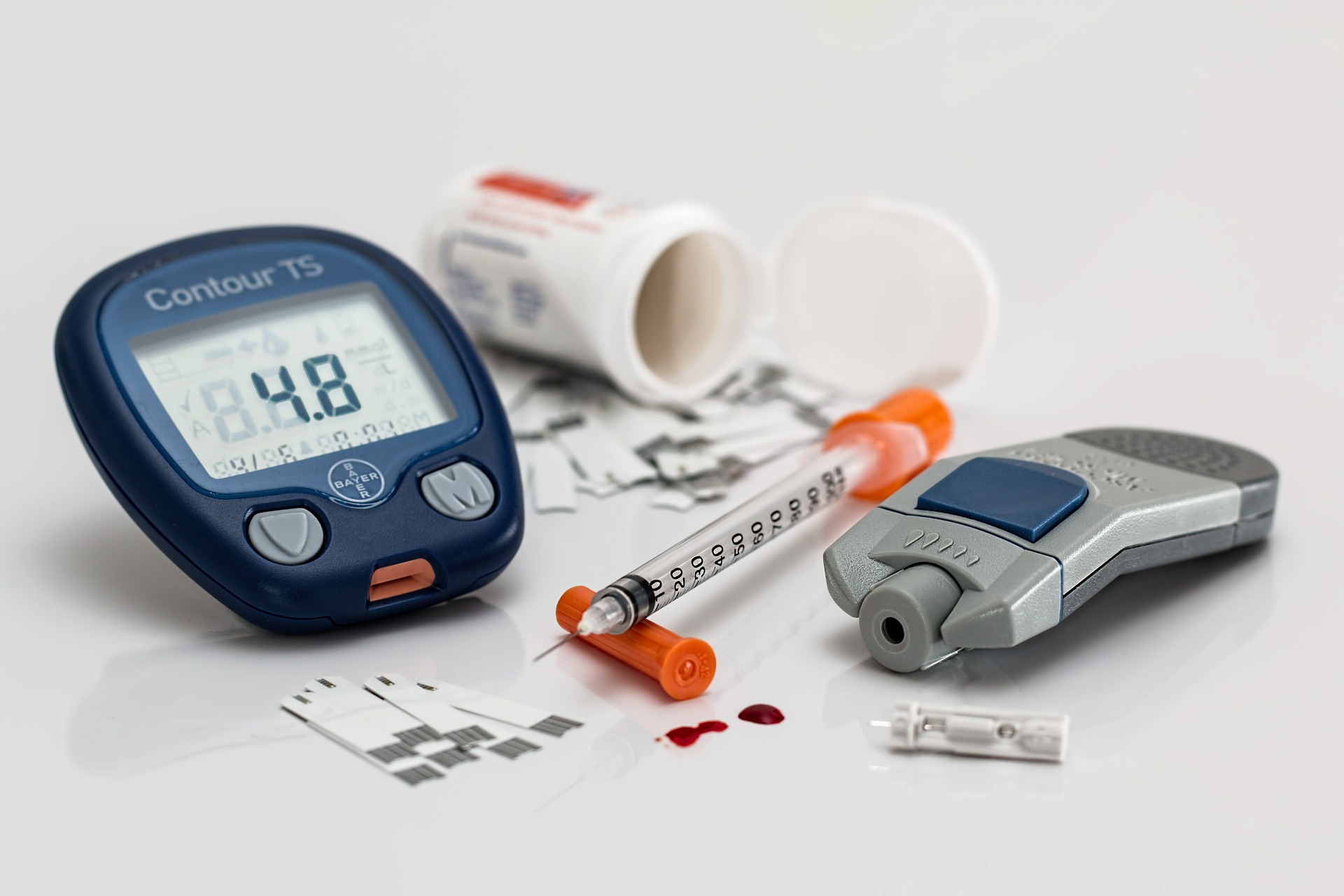
Remember, when in doubt discuss your bread choice with your dietitian and if you are wondering how your blood sugar responds to a certain bread, you can test your blood sugar two hours after ingesting—if you are at goal, it’s a good choice for you.
100% Whole Wheat
Whole Grain Bread
Sprouted Breads
- Ezekiel 4:9 Sprouted Grain Bread – Food for Life
- all varieties: sesame, genesis, flax, etc.
Gluten-Free Breads
- Gluten-Free Sprouted for Life Flax Bread
- check out all gluten-free varieties, including rice almond bread, exotic black rice bread, etc.
- Gluten-Free Deli Rye Style Bread – Canyon Bakehouse
A Word from Verywell
If you have diabetes, bread can still be part of your meal plan if you choose wisely. When searching the grocery aisles, make sure to read the labels and check for things like calories, carbohydrates, and ingredients. Aim to choose whole grain varieties that are low in added sugars and rich in fibre. Whether you are choosing whole wheat, another whole grain variety, organic, or gluten-free, there is something out there for everyone.
THE BEST BREAD FOR PEOPLE WITH DIABETES