
Mar 28, 2026 | News
Hello to our ROHSI community members. We know that when our hands start to shake, it can be frustrating and a little scary. Whether it’s a slight flutter when we’re holding a cup of tea or a more noticeable shake when we’re resting, our body is trying to tell us something.
Types of Tremors:
Rest Tremor! Occurs when muscles are relaxed, often associated with Parkinson’s disease.
Action Tremor! Occurs during movement (e.g., reaching, writing). This includes essential tremor, which is the most common form.
Postural Tremor! Occurs when holding a position against gravity, such as holding an arm out.
While many tremors are harmless, persistent shaking is a signal that deserves our attention. Here is a breakdown of what might be happening and how we can take control of our health.
Common Reasons Our Hands Might Shake
Not all tremors are created equal. Understanding the “why” is the first step toward finding relief.
• Lifestyle Triggers! High stress, anxiety, or too much caffeine can overstimulate our nervous system. Even a lack of sleep or low blood sugar (hypoglycaemia) can lead to the jitters.
• Essential Tremor! This is one of the most common neurological conditions. It usually happens when using our hands (like tying shoelaces) rather than when they are resting. It often runs in families.
• Medication Side Effects! Certain asthma meds, antidepressants, or even some seizure medications can cause shakiness as a side effect.
• Neurological Conditions! In some cases, tremors can be an early sign of Parkinson’s disease (usually a “resting tremor”) or multiple sclerosis (MS).
• Thyroid Issues! An overactive thyroid (hyperthyroidism) speeds up our body’s metabolism, which can manifest as a fine tremble in the hands.
Why Does Tracking Matter?
The most important thing we can do for our doctor is to provide a “map” of our symptoms. Because tremors can come and go, our observations are more valuable than a single 15-minute checkup.
What to track in a simple notebook:
· When does it happen, e.g., while eating, while resting, or when I’m nervous?
· What does it feel like, e.g., a rhythmic shake or a tiny twitch?
· What did I eat/drink, e.g., did I just have my third cup of coffee?
· Are there other symptoms, e.g., dizziness, sweating, or muscle weakness?
When to see a doctor:
While at ROHSI, we aim to provide support and education; we are a community and not a clinic. Please advise that you reach out to a healthcare professional if
• The tremor starts suddenly or gets worse quickly.
• It interferes with our daily life – eating, writing, or working.
• We notice changes in our gait – how we walk or balance.
A Note of Hope from us at ROHSI! Most hand tremors are manageable. Once the cause is identified, treatments ranging from simple lifestyle changes to physical therapy or medication can significantly improve our quality of life.
So have a sit or dialogue with your healthcare provider immediately if you notice any of the symptoms we talked about. Here at Rays of Hope Support Initiative, our mission is to support one another through every tremor and triumph. By understanding our bodies, sharing our stories, and seeking help without shame, we find our strength.
ROHSI management team.
Mar 12, 2026 | News
Friends and family! Join us at ROHSI in marking World Kidney Day 2026!
Today, March 12, 2026, we’re coming together to celebrate the 20th anniversary of World Kidney Day! This year’s theme is “Kidney Health for All – Caring for People, Protecting the Planet”.
As we mark this important day, we’re reminded that kidney health is everyone’s business. In Nigeria, kidney disease is a growing concern, affecting millions of people. But there’s hope! By taking care of our kidneys, we can reduce the risk of kidney disease and promote overall health.
Why should we care?
* 1 in 10 people worldwide have kidney disease.
* In Nigeria, kidney disease is becoming a leading cause of death.
* Environmental factors like pollution and climate change increase kidney disease risk.
* Early detection and prevention can slow or stop kidney disease progression.
What can you do? Join us in acting against kidney disease in Nigeria. by:
* Stay hydrated and eat a balanced diet.
* Reduce your exposure to environmental toxins.
* Support kidney health initiatives
* Advocate for policies promoting kidney health and sustainability
At ROHSI, we’re committed to promoting kidney health and environmental sustainability. We will continue to share health tips and resources, seek collaborations and share success stories to support individuals on their health journeys.
Let’s act now! We don’t have to wait till we start having health complications related to kidney-related issues before we go for screening or sit with our medical providers.
Healthy kidneys mean a healthier you and a healthier planet for all of us. This we know: together we can create that healthier Nigerian future for all Nigerians!
#WorldKidneyDay #KidneyHealthForAll #ROHSI #KidneyAwareness #HealthyLiving #Sustainability #NigeriaHealth
Mar 4, 2026 | News

Join ROHSI in marking World Obesity Day 2026!
Today, March 4, 2026, people around the world will unite to raise awareness about the growing obesity crisis. The theme for this year’s World Obesity Day is “8 Billion Reasons to Act on Obesity”.
The 2026 World Obesity Day theme serves as a powerful reminder that obesity is not just an individual issue but a global challenge affecting every one of the 8 billion people on the planet, whether directly or through strained healthcare systems and economies. The statistics are stark: currently, over 1 billion people live with obesity, and by 2035, over half the global population will be living with overweight or obesity.
For Nigeria, these global figures translate into a pressing national crisis. Once considered a problem of high-income countries, obesity is rapidly rising in low- and middle-income nations like ours. As of 2020, Nigeria was already home to an estimated 21 million overweight and 12 million obese adults. This increases the risk of serious health issues like diabetes, hypertension, heart disease, and certain cancers.
At ROHSI, we are committed to promoting healthy living and addressing obesity in our communities. The theme “8 billion Reasons” implies that every single person has a role to play.
So, we all need to know:
* Obesity affects 1 in 8 people worldwide.
* In Nigeria, 1 in 5 adults is living with obesity.
* Obesity is linked to serious health complications.
* Early intervention and prevention can save lives.
So, join us in taking action!
* Share your health story or a loved one’s journey with obesity.
* Learn about healthy eating and active living.
* Support obesity awareness initiatives
* Advocate for policies promoting healthy environments
As we are committed to being a beacon of light, providing health education, advocating for justice, and supporting those affected. Let’s work together to create a healthier future for all Nigerians! Let us remember that behind every statistic is a person, a family, and a community. Together, with 8 billion reasons to act, we can change the story of obesity in Nigeria. Join the Movement. Share Your Reason. Act Today.
#WorldObesityDay #8BillionReasons #ROHSI #ObesityAwareness #HealthyLiving #NigeriaHealth #Obesity #Nigeria #ROHSI3 #Ibadan #Dedoc #Diabetes #hypertension #Cancers #FMoH #NPHCDA #WHO_Nigeria #WHO #Healthlyleaving #HealthyLifestyles #NCDAlliance #Healthcare
Mar 3, 2026 | Healthy Tips
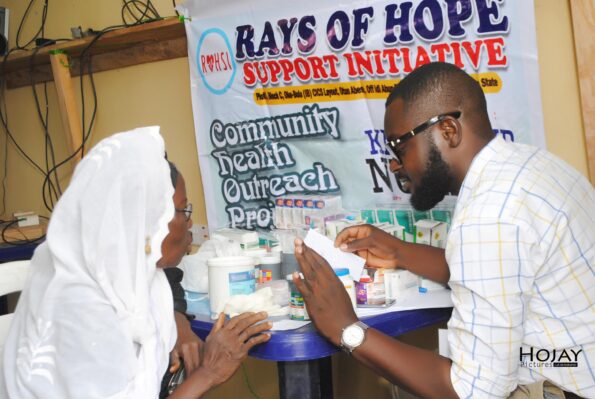
Do we know that familiarising ourselves with the following basic health principles in 2026 will most likely help you and me stay out of the hospital or pharmacy or even avoid taking medication due to illness? Yeah
* Very cold water at dawn shocks the stomach like bad news. Let’s start our morning gently with a glass of warm or room-temperature water.

* Our cooking oil should assist our food, not announce itself before the meal arrives. In 2026, we must use oil moderately, like what my dietitian used to say: ‘If it dropped on your clothes or water paper, it would show.’ That is how our cooking oil should be when using it to make soup. Remember to ask or talk to your dietitian about the best cooking oil to go for.
* We must be ready to negotiate our daily rice intake with alternative food items. Eating rice daily is like gradually inviting diabetes, so we must be ready to vary our diet.
* Eating heavy meals at midnight is telling our heart to work overtime without pay, and sleeping immediately after eating is like parking a moving car. In 2026, we must try to stop late-night eating. Let’s maintain at least 3 hours between mealtime and bedtime.
* Speed eating is a modern sport with no trophy. You and I must learn to chew our food like we paid for it. Swallowing our food in a hurry is disrespectful to digestion. We must take our time when eating. Our mouth is not a shortcut; it is our first doctor. Digestion starts on our tongue.
* If our legs still work, we must be ready to use them properly in 2026. Every unnecessary short ride is a missed blessing. When the trip is super short, let’s park the car and walk around the block. It doesn’t mean you are poor or can’t show off with pride, but look at the health aspects associated with such an action of yours.
* Stretching in the morning tells our joints, “We have not abandoned you.” If we won’t do extensive exercise every day, at least let’s learn to stretch our joints daily.
* Sweeping our house and doing basic house chores is not punishment. It is unpaid physiotherapy. Sweeping, cleaning, and washing are exercises disguised as responsibilities. We don’t have to outsource everything. Do some ourselves to move our joints and muscles.
* This year, we must make it a must to sit with our healthcare providers. We must see medical checkups as routine when they’re recommended and not mean we are weak. It means we are intelligent and conscious. A small sickness we ignore today becomes a big hospital bill tomorrow. So, it’s a must for us to at least sit with our healthcare providers in respect to our annual medical checkup.
* Water is life, yes. Thirst is a late warning. We must learn to drink water regularly before thirst arrives. We must always move with water. Sip water at an interval if possible. This year we must drink water like maintenance, not like rescue.
* Rest is not laziness. It is wisdom to wear comfortable clothes. Sleep well every night. No lights and no radio or TV on. Light at night confuses the brain. Even our phone needs dark mode. Just total darkness and our pillow.
* If our food cannot trace its ancestry to a village, a farmer, or a season, our body will struggle to recognise it. Garden eggs and okra may not trend on social media platforms, but our blood pressure respects them deeply. Eat more fresh foods and fewer processed foods. Yeah
* Life is already sweet enough. Bitter leaf, neem, sour soup, scent leaves, and prekese remind the liver that discipline still exists. Once in a while, take these in moderation.
* Before today’s modern transportation system, legs were the original transport system. Walking is not poverty; it is preventive medicine. If we avoid walking, we are avoiding good health. So, go get your jogging kits ready without an excuse.
* Anger does not punish the offender; it poisons the host quietly. Be mindful of our emotions and mental health in 2026.
* We must not turn insecticide into perfume. Excess chemicals do not kill only mosquitoes; they confuse our lungs too. We must use them in moderation and do nets.
* If our stomach refuses to talk daily, something is wrong. Constipation is the body holding grudges. Let’s check our eating habits and lifestyle and resolve the strike immediately before it turns bloody.
* We must learn to manage stress intentionally. Stress is useful only in emergencies, not as a daily occurrence. Fatigue is not discipline. Learn to take short breaks during work.
* Avoid constant snacking. The stomach also needs rest. Digestion is work. Too much work causes fatigue.
ROHSI Management Team.
Mar 1, 2026 | Healthy Moves
By: Benjamin Olorunfemi
In communities across Nigeria, a silent epidemic is claiming more lives than many infectious diseases, yet it barely makes a sound until it is too late. Non-communicable diseases (NCDs), particularly hypertension and diabetes, have escalated into a public health emergency. Current statistics paint a grim picture: more than 20 million Nigerians are living with hypertension, and over 11 million are battling diabetes. Alarmingly, more than half of these individuals are completely unaware of their health status, walking around with a time bomb ticking in their chests.
For the average Nigerian in an underserved community where health facilities are miles away and the cost of a simple blood pressure check is a luxury, these are not just numbers; they are fathers, mothers, and youths resigning to fate simply because they cannot afford or access care. These are the people who fall through the cracks of our healthcare system. This is where our work at the Rays of Hope Support Initiative (ROHSI) becomes not just relevant, but essential.
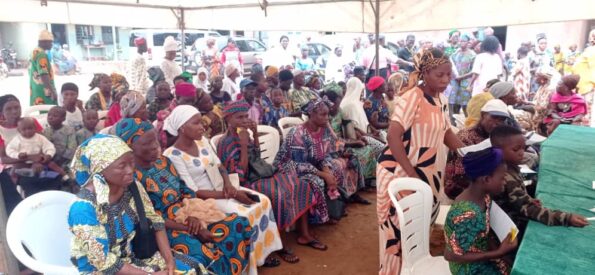
Since 2017, we have been at the forefront of combating this burden in Ibadan and beyond. We have seen firsthand that the fight against NCDs cannot be won within the four walls of a hospital alone; it must be taken to the people. We have educated over 10,000 citizens, reached more than 5,000 direct beneficiaries with free screenings and medication, and built a thriving community of over 250 members who now have access to daily health tips. Our work proves that when you empower a person with knowledge and access, you give them a fighting chance.
However, to truly curb the negative health impacts of hypertension and diabetes, we must scale up our strategies and go deeper—right to the heart of our local communities. One of the most effective, yet often untapped, pathways to achieving this is through a deliberate and structured partnership with Community Development Association (CDA) executives.
Here is why this partnership is the key to unlocking better health outcomes for the underserved:
The Gatekeepers of Trust
In rural and semi-urban settings, the CDA executive is the most influential body. They are the gatekeepers of the community. While a flyer from a distant hospital might be ignored, an announcement at the town hall meeting or a directive from the CDA chairman is respected. By partnering with these executives, we aren’t just visitors; we become collaborators with the community’s leadership. They help us navigate the cultural nuances and mobilise their people, ensuring that when we show up, the community shows up with us.
Creating a “Hypertension-Smart” Community
Through our model, we work with CDAs to designate local champions, trained volunteers from within the community who understand the language and the lifestyle of their neighbours. These champions, backed by ROHSI’s medical team, can conduct regular, informal blood pressure and blood sugar checks at local markets, churches, or mosques. Instead of waiting for people to come to the hospital, we bring the hospital to their doorstep. This approach mirrors the proven effectiveness of using Community Health Extension Workers (CHEWs) to manage NCDs, as they become trusted figures leading health education efforts.
Leveraging Local Gatherings for Screening
Most communities have existing structures for weekly/monthly meetings, annual festivals, or town hall gatherings. These are missed opportunities for health interventions. By partnering with CDAs, we can integrate free screening exercises into these events. As we have seen with initiatives like Nigeria’s “Project 10 million”, the goal is to help people “know their number”. Imagine a community meeting where, after discussing local development, every adult present knows their blood pressure reading. That is preventive healthcare in action.
Affordability and Local Support
One of the biggest barriers to managing NCDs is the cost of medication. A diagnosis of hypertension can feel like a death sentence to a low-income earner who cannot afford daily pills. Through our partnerships with CDAs, we can help facilitate community-based medication support schemes.
Data Collection and Referral Pathways
CDAs have an intimate knowledge of their population. They know who is elderly, who is sick, and who has been unable to leave their home. Partnering with them allows us to build a more accurate picture of NCD prevalence in hard-to-reach areas. We can then establish a clear referral pathway: screening at the community level, followed by linkage to care at primary health centres.
We need to know that the fight against hypertension and diabetes in Nigeria is a fight for the soul of our communities. It requires us to be innovative, mobile, and deeply integrated. At Rays of Hope Support Initiative, we have the template, the experience, and the passion. But we cannot do it alone.
We call on community development associations across the country to open their doors to this kind of partnership. Let us work together to ensure that no one in our community dies from a disease we can prevent or manage. Let us take the message of hope—and the tools for health—directly to the doorsteps of those who need it most. Because a healthy community is the foundation of a prosperous nation.
Join us. Partner with ROHSI. Let’s bring hope to the doorstep of every Nigerian.
