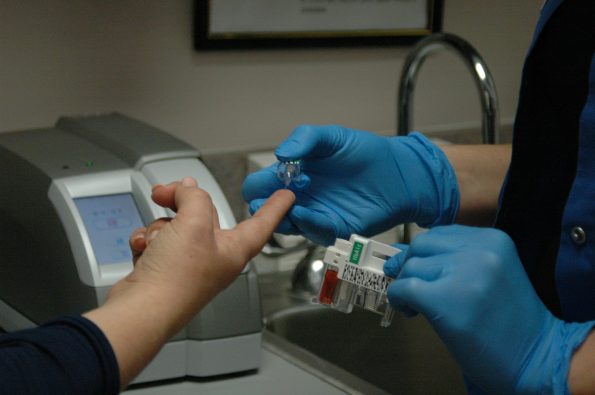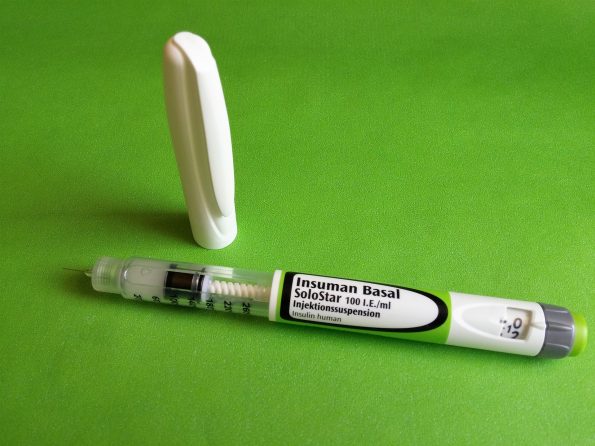
Diabetes Education: Strategy For Improving Diabetes Care In Nigeria T H Raimi, O C Alebiosu, J O Adeleye, W O Balogun, B A Kolawole, O B Familoni, R T Ikem, O F Adesina, O Odusan, S A Oguntona, T Olunuga, and O Ogunsemi


Camel Milk Has Beneficial Effects on Diabetes Mellitus: A Systematic Review

DO I REALLY NEED TO WORRY ABOUT MY HIGH CHOLESTEROL?
By Maureen Salamon
The Answer Is the Same for Anyone with High Cholesterol. Though some health issues are easy to ignore, high cholesterol, particularly high LDL levels (the “bad cholesterol”) is not one of them. Cholesterol problems can affect anyone. Monitoring cholesterol levels is crucial because individuals with unhealthy cholesterol levels typically do not develop specific symptoms.
Overview
High cholesterol, which is defined as a total cholesterol level greater than 240 milligrams per decilitre (mg/dL), is much more common than very low levels.
The target cholesterol level for a normal, healthy adult is below 200 mg/dL, while levels between 200 mg/dL and 239 mg/dL are considered borderline high. Current guidelines recommend that healthy adults check their cholesterol levels at least once every five years.
Individuals with elevated total cholesterol or LDL levels have a significantly increased risk of developing heart disease, which is the number one cause of death in the United States. Approximately 25.6 million adults have diagnosed with heart disease annually, resulting in 650,000 deaths each year.
It would seem that cholesterol has been demonized with good reason, yet our bodies cannot live without the soft, waxy stuff. Cholesterol is present in every cell and promotes hormone production, digestion, and the conversion of sunlight into vitamin D. Approximately 75% of the cholesterol present in the blood is produced by the liver, while the remaining cholesterol present is derived from the diet.
Diagnosis
Several tests are used to evaluate cholesterol levels in the blood. The simplest test measures total cholesterol, which is the combined levels of LDL (“bad cholesterol), HDL (“good cholesterol”), and triglycerides (the main form of body fat). A lipid profile test, which is performed after 12 hours of fasting, provides a detailed breakdown of cholesterol levels by lipid type (LDL, HDL, and triglycerides).
Current healthy cholesterol level guidelines recommend:
LDL (“bad cholesterol”): Levels below 100 mg/dL are considered healthy. Levels above 190 mg/dL are unhealthy.
HDL (“good cholesterol”): Levels above 60 mg/dL are healthy. Levels below 40 mg/dL are unhealthy.
Triglycerides: Levels below 150 mg/dL are healthy. Levels above 500 mg/dL are unhealthy.
HDL cholesterol — the “good cholesterol” — works like a clean-up crew in the bloodstream by ferrying “bad cholesterol” (LDL) to the liver for safe disposal. That means higher HDL levels are good for the heart.
Causes
Maintaining a healthy level of cholesterol is important for maintaining a healthy heart. According to the National Cholesterol Education Program (NCEP), an initiative of the National Heart, Lung, and Blood Institute, high total cholesterol levels are particularly dangerous for individuals who smoke. Additionally, individuals who are diabetic or obese, or have low HDL cholesterol, high blood pressure, or a family history of heart disease, should strive to maintain healthy cholesterol levels.
Approximately 7 in every 1,000 adults suffer from familial hypercholesterolemia, a genetic condition that can elevate cholesterol levels to two times the normal level.
In addition to lifestyle and overall health, age is also a risk factor for developing high cholesterol. Older individuals, particularly men over 45 years of age and women over 55 years of age, are more likely to see their cholesterol levels increase because their bodies are not as efficient at processing and excreting cholesterol. In fact, men with high cholesterol levels often have their first heart attack when they are between 40 to 50 years of age.
However, even young people are not immune to the dangers of high cholesterol. Researchers have found that fatty plaques of cholesterol can actually begin forming well before adulthood, leading to narrowed arteries and, potentially, a heart attack or stroke.
Lifestyle Changes
In most cases, changes in diet and increased exercise are the first response to lowering high cholesterol levels.
The NCEP recommends getting at least 30 minutes of exercise every day. Other recommended strategies include avoiding saturated fats and cholesterol and maintaining a healthy weight. Obesity often leads to elevated total cholesterol levels because excess body fat can increase the concentration of cholesterol and triglycerides in the blood.
Foods to Avoid
Foods to avoid if you have high cholesterol levels include white bread, white potatoes, and white rice, whole-fat dairy products, and any highly processed sugars or flours.
Foods that have been shown to reduce cholesterol include fatty fish, walnuts and other nuts, oatmeal, psyllium (and other soluble fibres) and foods fortified with plant sterols or stanols.
Medications
However, if lifestyle changes alone are not effective, your doctor may prescribe a particular class of drugs known as statins, which help reduce LDL and triglyceride levels and increase HDL levels. Statins, the most widely prescribed class of cholesterol-lowering drugs, act by inhibiting cholesterol production within the liver. Your doctor may prescribe one of many available statin medications: Lipitor (atorvastatin), Zocor (simvastatin), Mevacor (lovastatin), Lescol (fluvastatin), Crestor (rosuvastatin) or Pravachol (pravastatin).
Sources:
“High Blood Cholesterol: What You Need to Know.” NHLBI. Jun 2005. National Institutes of Health.
“Heart Disease.” National Centre for Health Statistics. 31 Dec 2007. Centres for Disease Control. 27 Feb 2008.
“Lifestyle Changes and Cholesterol.” American Heart Association. Oct. 26, 2015.
Fallon Jr., L. Fleming. “Hypercholesterolemia.” Health AtoZ, Gale Encyclopedia of Medicine. 2006. The Gale Group.

HOW TO MANAGE BLOOD SUGAR SPIKES AFTER MEALS
If you’re trying to manage diabetes, you already know it’s important to keep track of your blood sugar levels. But how do you handle a spike that comes after you eat? It’s called “postprandial” blood glucose, and if you take some simple steps, you can get it under control and help avoid health problems.
Why You Should Keep an Eye on It
When your blood sugar is high, you can get symptoms like a foggy-headed feeling that makes it hard to focus or think clearly. Your energy may also take a dive, and you may feel nervous or moody.
If your levels go too low, you could even pass out. In the long run, if your blood sugar stays up, you could be at risk for heart disease, stroke, kidney disease, or other problems.
How to measure your spikes
The American Diabetes Association (ADA) recommends you check your blood sugar levels right before mealtime with a blood sample from a finger stick. Then do it again 1 to 2 hours after that first bite of food.
Keep this up for a week or so. Write down the time and the blood sugar number. Make a note of anything you think might affect your levels, like medicine or exercise. And don’t forget to log exactly what you ate, along with portion sizes and a number of carbs.
What are levels too high after a meal? Experts vary on what the number should be, but the ADA says a general goal is a blood sugar level under 180 mg/dL, 1 to 2 hours after a meal. Talk to your doctor about what you should aim for, and don’t adjust your medicine without speaking to him first.
How to Manage After-Meal Spikes
Get medicine that works for you. The right insulin or medication program can make a big difference. In general, to cover after-meal spikes, those that kick in quickly and for a short time are a better choice than ones that work slowly over a long period. Your doctor can explain your options.
Keep blood sugar in check before meals. That way, even if it goes up after you eat, it won’t be so dramatic.
Watch what you eat. Limit sweets, white bread, rice, pasta, and potatoes. They tend to trigger post-meal spikes.
The type of fat you eat may play a role, as well. One study shows you may be able to curb blood sugar spikes after you eat if you skip foods with lots of butter and choose a meal made with a little olive oil instead.
Eat breakfast every morning. Even when you’re in a hurry to get out the door, don’t be tempted to skip it. A study shows that folks with diabetes who don’t eat breakfast get higher blood sugar spikes after lunch and dinner.
The ideal morning meal? It might just be one that’s packed with protein. A small study shows that when people ate a 500-calorie breakfast that was 35% protein, their post-meal blood sugar levels were lower than those who started their day with high-carb food. But check with your doctor to see what’s right for you.
Go for an after-dinner walk. It’s a healthy habit for everyone, but if you have diabetes, it’s also a good way to burn extra glucose from a meal.
WebMD Medical Reference
Reviewed by Melinda Ratini, DO, MS on September 09, 2016

PULMONARY HYPERTENSION
Overview
Pulmonary hypertension is a type of high blood pressure that affects the arteries in your lungs and the right side of your heart.
In one form of pulmonary hypertension, tiny arteries in your lungs called pulmonary arterioles, and capillaries become narrowed, blocked or destroyed. This makes it harder for blood to flow through your lungs and raises the pressure within your lungs’ arteries. As the pressure builds, your heart’s lower right chamber (right ventricle) must work harder to pump blood through your lungs, eventually causing your heart muscle to weaken and fail.
Some forms of pulmonary hypertension are serious conditions that become progressively worse and are sometimes fatal. Although some forms of pulmonary hypertension aren’t curable, treatment can help lessen symptoms and improve your quality of life.
Symptoms
The signs and symptoms of pulmonary hypertension in its early stages might not be noticeable for months or even years. As the disease progresses, symptoms become worse.
Pulmonary hypertension symptoms include
Shortness of breath (dyspnea), initially while exercising and eventually while at rest
Fatigue
Dizziness or fainting spells (syncope)
Chest pressure or pain
Swelling (edema) in your ankles, legs and eventually in your abdomen (ascites)
Bluish colour to your lips and skin (cyanosis)
Racing pulse or heart palpitations
Causes
Your heart has two upper chambers (atria) and two lower chambers (ventricles). Each time blood passes through your heart, the lower right chamber (right ventricle) pumps blood to your lungs through a large blood vessel (pulmonary artery).
In your lungs, the blood releases carbon dioxide and picks up oxygen. The oxygen-rich blood then flows through blood vessels in your lungs (pulmonary arteries, capillaries, and veins) to the left side of your heart. Ordinarily, the blood flows easily through the vessels in your lungs, so blood pressure is usually much lower in your lungs.
With pulmonary hypertension, the rise in blood pressure is caused by changes in the cells that line your pulmonary arteries. These changes can cause the walls of the arteries to become stiff and thick, and extra tissue may form. The blood vessels may also become inflamed and tight.
These changes in the pulmonary arteries can reduce or block blood flow through the blood vessels. This makes it harder for blood to flow, raising the blood pressure in the pulmonary arteries.
Pulmonary hypertension is classified into five groups, depending on the cause.
Group 1: Pulmonary arterial hypertension
Cause unknown, known as idiopathic pulmonary arterial hypertension
A specific gene mutation that can cause pulmonary hypertension to develop in families also called heritable pulmonary arterial hypertension
Certain drugs — such as certain prescription diet drugs or illegal drugs such as methamphetamines — or certain toxins
Heart abnormalities present at birth (congenital heart disease)
Other conditions, such as connective tissue disorders (scleroderma, lupus, others), HIV infection or chronic liver disease (cirrhosis)
Group 2: Pulmonary hypertension caused by left-sided heart disease
Left-sided valvular heart diseases, such as mitral valve or aortic valve disease
Failure of the lower left heart chamber (left ventricle)
Group 3: Pulmonary hypertension caused by lung disease
Chronic obstructive pulmonary disease, such as emphysema
Lung disease such as pulmonary fibrosis, a condition that causes scarring in the tissue between the lungs’ air sacs (interstitium)
Sleep apnea and other sleep disorders
Long-term exposure to high altitudes in people who may be at higher risk of pulmonary hypertension
Group 4: Pulmonary hypertension caused by chronic blood clots
Chronic blood clots in the lungs (pulmonary emboli)
Group 5: Pulmonary hypertension associated with other conditions that have unclear reasons why pulmonary hypertension occurs
Blood disorders
Disorders that affect several organs in the body, such as sarcoidosis
Metabolic disorders, such as glycogen storage disease
Tumours pressing against pulmonary arteries
Eisenmenger syndrome and pulmonary hypertension
Eisenmenger syndrome, a type of congenital heart disease, causes pulmonary hypertension. It’s most commonly caused by a large hole in your heart between the two lower heart chambers (ventricles), called a ventricular septal defect.
This hole in your heart causes blood to circulate abnormally in your heart. Oxygen-carrying blood (red blood) mixes with oxygen-poor blood (blue blood). The blood then returns to your lungs instead of going to the rest of your body, increasing the pressure in the pulmonary arteries and causing pulmonary hypertension.
Chambers and valves of the heart
A normal heart has two upper and two lower chambers. The upper chambers, the right, and left atria receive incoming blood. The lower chambers, the more muscular right, and left ventricles pump blood out of your heart. The heart valves, which keep blood flowing in the right direction, are gates at the chamber openings.
Risk factors
Your risk of developing pulmonary hypertension may be greater if:
You’re a young adult, as idiopathic pulmonary arterial hypertension is more common in younger adults
You’re overweight
You have a family history of the disease
You have one of the various conditions that can increase your risk of developing pulmonary hypertension
You use illegal drugs, such as cocaine
You take certain appetite-suppressant medications
You have an existing risk of developing pulmonary hypertension, such as a family history of the condition, and you live at a high altitude
Complications
Pulmonary hypertension can lead to a number of complications, including:
Right-sided heart enlargement and heart failure (cor pulmonale). In cor pulmonale, your heart’s right ventricle becomes enlarged and has to pump harder than usual to move blood through narrowed or blocked pulmonary arteries.
At first, the heart tries to compensate by thickening its walls and expanding the chamber of the right ventricle to increase the amount of blood it can hold. But this thickening and enlarging works only temporarily, and eventually the right ventricle fails from the extra strain.
Blood clots. Clots help stop bleeding after you’ve been injured. But sometimes clots form where they’re not needed. A number of small clots or just a few large ones dislodge from these veins and travel to the lungs, leading to a form of pulmonary hypertension that can generally be reversible with time and treatment.
Having pulmonary hypertension makes it more likely you’ll develop clots in the small arteries in your lungs, which is dangerous if you already have narrowed or blocked blood vessels.
Arrhythmia. Irregular heartbeats (arrhythmias) from the upper or lower chambers of the heart are complications of pulmonary hypertension. These can lead to palpitations, dizziness or fainting and can be fatal.
Bleeding. Pulmonary hypertension can lead to bleeding into the lungs and coughing up blood (hemoptysis). This is another potentially fatal complication.
Diagnosis
Pulmonary hypertension is hard to diagnose early because it’s not often detected in a routine physical exam. Even when the condition is more advanced, its signs and symptoms are similar to those of other heart and lung conditions.
To diagnose your condition, your doctor may review your medical and family history, discuss your signs and symptoms, and conduct a physical examination. Doctors may order several tests to diagnose pulmonary hypertension, determine the severity of your condition and find out the cause of your condition. Tests may include:
Echocardiogram. Sound waves can create moving images of the beating heart. An echocardiogram can help your doctor to check the size and functioning of the right ventricle, and the thickness of the right ventricle’s wall. An echocardiogram can also show how well your heart chambers and valves are working. Doctors may also use this to measure the pressure in your pulmonary arteries.
In some cases, your doctor will recommend an exercise echocardiogram to help determine how well your heart and lungs work under stress. In this test, you’ll have an echocardiogram before exercising on a stationary bike or treadmill and another test immediately afterward. This could be done as an oxygen consumption test, in which you may have to wear a mask that assesses the ability of your heart and lungs to deal with oxygen and carbon dioxide.
Other exercise tests may also be done. These tests can help determine the severity and cause of your condition. They may also be done at follow-up appointments to check that your treatments are working.
Chest X-ray. A chest X-ray can show images of your heart, lungs, and chest. This test can show enlargement of the right ventricle of the heart or the pulmonary arteries, which can occur in pulmonary hypertension. This test can also be used to identify other conditions that may be causing pulmonary hypertension.
Electrocardiogram (ECG). This noninvasive test shows your heart’s electrical patterns and can detect abnormal rhythms. Doctors may also be able to see signs of right ventricle enlargement or strain.
Right heart catheterization. After you’ve had an echocardiogram, if your doctor thinks you have pulmonary hypertension, you’ll likely have a right heart catheterization. This test can often help confirm that you have pulmonary hypertension and determine the severity of your condition.
During the procedure, a cardiologist places a thin, flexible tube (catheter) into a vein in your neck or groin. The catheter is then threaded into your right ventricle and pulmonary artery.
Right heart catheterization allows your doctor to directly measure the pressure in the main pulmonary arteries and right ventricle. It’s also used to see what effect different medications may have on your pulmonary hypertension.
Blood tests. Your doctor might order blood tests to check for certain substances in your blood that might show you have pulmonary hypertension or its complications. Blood tests can also test for certain conditions that may be causing your condition.
Your doctor might order additional tests to check the condition of your lungs and pulmonary arteries and to determine the cause of your condition, including:
Computerized tomography (CT) scan. During a CT scan, you lie on a table inside a doughnut-shaped machine. CT scanning generates X-rays to produce cross-sectional images of your body. Doctors may inject a dye into your blood vessels that help your arteries to be more visible on the CT pictures (CT angiography).
Doctors may use this test to look at the heart’s size and function and to check for blood clots in the lungs’ arteries.
Magnetic resonance imaging (MRI). This test may be used to check the right ventricle’s function and the blood flow in the lung’s arteries. In this test, you lie on a movable table that slides into the tunnel. An MRI uses a magnetic field and pulses of radio wave energy to make pictures of the body.
Pulmonary function test. This noninvasive test measures how much air your lungs can hold, and the airflow in and out of your lungs. During the test, you’ll blow into a simple instrument called a spirometer.
Polysomnogram. This test detects your brain activity, heart rate, blood pressure, oxygen levels and other factors while you sleep. It can help diagnose a sleep disorder such as obstructive sleep apnea.
Ventilation/perfusion (V/Q) scan. In this test, a tracer is injected into a vein in your arm. The tracer maps blood flow and air to your lungs. This test can be used to determine whether blood clots are causing symptoms of pulmonary hypertension.
Open-lung biopsy. Rarely, a doctor might recommend an open-lung biopsy. An open-lung biopsy is a type of surgery in which a small sample of tissue is removed from your lungs under general anesthesia to check for a possible secondary cause of pulmonary hypertension.
Genetic tests
If a family member has had pulmonary hypertension, your doctor might screen you for genes that are linked with pulmonary hypertension. If you test positive, your doctor might recommend that other family members be screened for the same genetic mutation.
Pulmonary hypertension classifications
Once you’ve been diagnosed with pulmonary hypertension, your doctor might classify the severity of your disease into one of the several classes, including:
Class I. Although you’ve been diagnosed with pulmonary hypertension, you have no symptoms with normal activity.
Class II. You don’t have symptoms at rest, but you experience symptoms such as fatigue, shortness of breath or chest pain with normal activity.
Class III. You’re comfortable at rest, but have symptoms when you’re physically active.
Class IV. You have symptoms with physical activity and while at rest.
Treatment
Pulmonary hypertension can’t be cured, but doctors can help you manage your condition. Treatment may help improve your symptoms and slow the progress of pulmonary hypertension.
It often takes some time to find the most appropriate treatment for pulmonary hypertension. The treatments are often complex and require extensive follow-up care. Your doctor might also need to change your treatment if it’s no longer effective.
When pulmonary hypertension is caused by another condition, your doctor will treat the underlying cause whenever possible.
Medications
Blood vessel dilators (vasodilators). Vasodilators open narrowed blood vessels. One of the most commonly prescribed vasodilators for pulmonary hypertension is epoprostenol (Flolan, Veletri). The drawback to epoprostenol is that its effects last only a few minutes.
This drug is continuously injected through an intravenous (IV) catheter via a small pump that you wear in a pack on your belt or shoulder. Potential side effects of epoprostenol include jaw pain, nausea, diarrhea and leg cramps, as well as pain and infection at the IV site.
Another form of the drug, iloprost (Ventavis), can be inhaled six to nine times a day through a nebulizer, a machine that vaporizes your medication. Because it’s inhaled, it goes directly to the lungs. Side effects associated with iloprost include chest pain — often accompanied by a headache and nausea — and breathlessness.
Treprostinil (Tyvaso, Remodulin, Orenitram), another form of the drug, can be given four times a day. It can be inhaled, taken as oral medication or administered by injection. It can cause side effects such as a headache, nausea, and diarrhea.
Endothelin receptor antagonists. These medications reverse the effect of endothelin, a substance in the walls of blood vessels that causes them to narrow. These drugs may improve your energy level and symptoms. However, these drugs shouldn’t be taken if you’re pregnant. Also, these drugs can damage your liver and you may need monthly liver monitoring.
These medications include bosentan (Tracleer), macitentan (Opsumit), and ambrisentan (Letairis).
Sildenafil and tadalafil. Sildenafil (Revatio, Viagra) and tadalafil (Cialis, Adcirca) are sometimes used to treat pulmonary hypertension. These drugs work by opening the blood vessels in the lungs to allow blood to flow through more easily. Side effects can include an upset stomach, headache and vision problems.
High-dose calcium channel blockers. These drugs help relax the muscles in the walls of your blood vessels. They include medications such as amlodipine (Norvasc), diltiazem (Cardizem, Tiazac, others) and nifedipine (Procardia, others). Although calcium channel blockers can be effective, only a small number of people with pulmonary hypertension respond to them.
Soluble guanylate cyclase (SGC) stimulator. Soluble guanylate cyclase (SGC) stimulators (Adempas) interact with nitric oxide and help relax the pulmonary arteries and lower the pressure within the arteries. These medications should not be taken if you’re pregnant. They can sometimes cause dizziness or nausea.
Anticoagulants. Your doctor is likely to prescribe the anticoagulant warfarin (Coumadin, Jantoven) to help prevent the formation of blood clots within the small pulmonary arteries. Because anticoagulants prevent normal blood coagulation, they increase your risk of bleeding complications.
Take warfarin exactly as prescribed, because warfarin can cause severe side effects if taken incorrectly. If you’re taking warfarin, your doctor will ask you to have periodic blood tests to check how well the drug is working. Many other drugs, herbal supplements, and foods can interact with warfarin, so be sure your doctor knows all of the medications you’re taking.
Digoxin. Digoxin (Lanoxin) can help the heart beat stronger and pump more blood. It can help control the heart rate if you experience arrhythmias.
Diuretics. Commonly known as water pills, these medications help eliminate excess fluid from your body. This reduces the amount of work your heart has to do. They may also be used to limit fluid buildup in your lungs.
Oxygen. Your doctor might suggest that you sometimes breathe pure oxygen, a treatment known as oxygen therapy, to help treat pulmonary hypertension, especially if you live at a high altitude or have sleep apnea. Some people who have pulmonary hypertension eventually require continuous oxygen therapy.
Surgeries
Atrial septectomy. If medications don’t control your pulmonary hypertension, this open-heart surgery might be an option. In an atrial septostomy, a surgeon will create an opening between the upper left and right chambers of your heart (atria) to relieve the pressure on the right side of your heart.
Atrial septostomy can have serious complications, including heart rhythm abnormalities (arrhythmias).
Transplantation. In some cases, a lung or heart-lung transplant might be an option, especially for younger people who have idiopathic pulmonary arterial hypertension.
Major risks of any type of transplantation include rejection of the transplanted organ and serious infection, and you must take immunosuppressant drugs for life to help reduce the chance of rejection.
Preparing for an appointment
If you think you might have pulmonary hypertension or are worried about your pulmonary hypertension risk because of a family history or other underlying conditions, make an appointment with your family doctor.
While shortness of breath is one of the first symptoms of pulmonary hypertension, this symptom is also common with many other conditions, such as asthma. But if you’re constantly short of breath, rather than only occasionally (as is usually the case with asthma) make an appointment to see your doctor.
Because appointments can be brief, and because there’s often a lot to discuss, it’s a good idea to be prepared for your appointment. Here’s some information to help you get ready for your appointment, and what to expect from your doctor.
What you can do
Be aware of any pre-appointment restrictions. At the time you make the appointment, be sure to ask if there’s anything you need to do in advance, such as fill out forms or restrict your diet. For some imaging tests, for example, you might need to fast for a period of time beforehand.
Write down any symptoms you’re experiencing, including any that might seem unrelated to pulmonary hypertension. Try to recall when they began. Be specific, such as days, weeks, months, and avoid vague terms such as “some time ago.”
Write down key personal information, including a family history of pulmonary hypertension, lung disease, heart disease, stroke, high blood pressure or diabetes, and any major stresses or recent life changes.
Make a list of all medications, as well as any vitamins or supplements that you’re taking. Also, be sure to tell your doctor if you’ve recently stopped taking any medications.
Take a family member or friend along, if possible. Sometimes it can be difficult to remember all the information provided to you during an appointment. Someone who accompanies you might remember something that you missed or forgot.
Be prepared to discuss your diet and exercise habits. If you don’t already follow a diet or exercise routine, be ready to talk to your doctor about any challenges you might face in getting started.
Write down a list of questions to ask your doctor.
Your time with your doctor is limited, so preparing a list of questions will help you make the most of your time together. List your questions from most important to least important in case time runs out.
For pulmonary hypertension, some basic questions to ask your doctor include:
What is likely causing my symptoms or condition?
What are other possible causes for my symptoms or condition?
What kinds of tests will I need?
What’s the most appropriate treatment?
What’s an appropriate level of physical activity?
How often should I be screened for changes in my condition?
What are the alternatives to the primary approach that you’re suggesting?
I have other health conditions. How can I best manage them together?
Are there any restrictions that I need to follow?
Should I see a specialist?
Is there a generic alternative to the medicine you’re prescribing?
Are there any brochures or other printed material that I can take home with me? What websites do you recommend?
In addition to the questions that you’ve prepared to ask your doctor, don’t hesitate to ask other questions during your appointment.
What to expect from your doctor?
Your doctor is likely to ask you a number of questions. Being ready to answer them might reserve time to go over any points you want to spend more time on. Your doctor might ask:
When did you first begin experiencing symptoms?
Have your symptoms been continuous or occasional?
How severe are your symptoms?
What, if anything, seems to improve your symptoms?
What, if anything, seems to worsen your symptoms?
What you can do in the meantime
It’s never too early to make healthy lifestyle changes, such as quitting smoking, cutting down on salt and eating a healthy diet. These changes can help prevent pulmonary hypertension from worsening.
Lifestyle and home remedies
Although medical treatment can’t cure pulmonary hypertension, it can lessen symptoms. Lifestyle changes also can help improve your condition. Consider these tips:
Get plenty of rest. Resting can reduce the fatigue that might come from having pulmonary hypertension.
Stay as active as possible. Even the mildest forms of activity might be too exhausting for some people who have pulmonary hypertension. For others, moderate exercise such as walking might be beneficial — especially when done with oxygen. But first, talk to your doctor about specific exercise restrictions.
In most cases, it’s recommended that you not lift heavy weights. Your doctor can help you plan an appropriate exercise program.
Don’t smoke. If you smoke, the most important thing you can do for your heart and lungs is to stop. If you can’t stop smoking by yourself, ask your doctor to prescribe a treatment plan to help you quit. Also, avoid second-hand smoke if possible.
Avoid pregnancy and birth control pills. If you’re a woman of childbearing age, avoid pregnancy. Pregnancy can be life-threatening for both you and your baby. Also avoid using birth control pills, which can increase your risk of blood clots. Talk to your doctor about alternative forms of birth control. If you do become pregnant, it’s important to consult with your doctor as pulmonary hypertension can cause serious complications to both you and the foetus.
Avoid traveling to or living at high altitudes. High altitudes can worsen the symptoms of pulmonary hypertension. If you live at an altitude of 8,000 feet (2,438 meters) or higher, your doctor might recommend that you move to a lower altitude.
Avoid situations that can excessively lower blood pressure. These include sitting in a hot tub or sauna or taking long hot baths or showers. These activities lower your blood pressure and can cause fainting or even death. Also avoid activities that cause prolonged straining, such as lifting heavy objects or weights.
Follow a nutritious diet and stay at a healthy weight. Aim to eat a healthy diet of whole grains, a variety of fruits and vegetables, lean meats and low-fat dairy products. Avoid saturated fat, trans fat and cholesterol. It’s likely your doctor will recommend limiting the amount of salt in your diet. Aim to maintain a healthy weight.
Ask your doctor about medications. Take all your medications as prescribed. Ask your doctor about any other medications before taking them, as some can interfere with your medication or worsen your condition.
See your doctor at follow-up appointments. Your doctor may recommend regular follow-up appointments. Let your doctor know if you have any questions about your condition or medications you’re taking, or if you have any symptoms or side effects from your medications. If pulmonary hypertension is affecting your quality of life, ask your doctor about options that could improve your quality of life.
Get vaccines. Your doctor may recommend getting an influenza and pneumonia vaccine, as these conditions can cause serious issues for people with pulmonary hypertension.
Get support. If you’re feeling stressed or worried due to your condition, get support from family or friends. Or, consider joining a support group with others who have pulmonary hypertension.
© 1998-2017 Mayo Foundation for Medical Education and Research (MFMER). All rights reserved. Terms of use