
May 31, 2025 | Healthy Tips
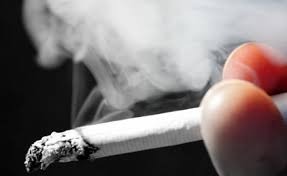
Every year on May 31, the world observes World No Tobacco Day (WNTD), a global initiative led by the World Health Organisation (WHO) to raise awareness about the dangers of tobacco use and advocate for stronger policies to reduce its consumption. This year’s theme, “Unmasking the Appeal”, focuses on the deceptive strategies employed by the tobacco and nicotine industries to attract new users, particularly young people.
As a leading non-communicable diseases (NCDs) support organisation based in Ibadan, Oyo State, Nigeria, Rays of Hope Support Initiative (ROHSI) stands with the global community in amplifying the call for tobacco control, public health protection, and policy enforcement.
The global tobacco epidemic is a formidable threat, claiming over 8 million lives annually worldwide. Of these, more than 7 million deaths are a direct result of tobacco use, while an alarming 1.3 million deaths are due to non-smokers being exposed to second-hand smoke. This exposure is a critical concern for ROHSI, as it also significantly increases the risk of NCDs in non-smokers.
In Nigeria, the situation is alarming:
- 3.4 million Nigerians (2.9% of adults aged 15+) smoke tobacco (2022 data).
- Male smokers (5.4%) far outnumber female smokers (0.4%).
- Tobacco-related diseases – cancer, heart disease, respiratory illnesses, and stroke – place a heavy burden on Nigeria’s healthcare system.
- Economic losses from tobacco-related illnesses and productivity decline further strain families and the nation.
While reports, such as one from the Tribune newspaper, suggest higher smoking prevalence in some northern states, ROHSI emphasises that tobacco use and its link to NCDs is a pressing issue across all regions, including Oyo State.
At ROHSI, we see firsthand the devastating impact of tobacco on individuals and families affected by NCDs here in Ibadan and across Nigeria.
This World No Tobacco Day, under the theme ‘Unmasking the appeal’, we urge a united front to expose the tobacco industry’s tactics that endanger our youth and perpetuate the cycle of NCDs. The first and most crucial step towards a healthier life, free from the threat of many NCDs, is to say NO to tobacco.
ROHSI encourages every Nigerian to reflect on the popular calls to action: “Breathe clean, live green. Quit tobacco today.”
The ROHSI team challenges every individual in Ibadan, Oyo State, and throughout Nigeria to consider making this powerful pledge: “Today, I am pledging to quit all forms of tobacco and nicotine, including cigarettes, smokeless tobacco products, heated tobacco products, e-cigarettes, nicotine pouches, shisha, and other harmful products, for my health and the health of my community.”
Join us in educating others on the dangers of tobacco and industry tactics, support smoke-free policies in workplaces, schools, and public spaces, advocate for stronger tobacco control laws in Nigeria, and help promote cessation programmes through counselling and support.
Together, we can unmask the truth and build a healthier, tobacco-free Nigeria!
About ROHSI:
Rays of Hope Support Initiative (ROHSI) is a Nigerian non-profit organisation based in Ibadan, Oyo State, dedicated to combating non-communicable diseases (NCDs) through awareness, advocacy, and community support programmes.
#NoTobacco #TobaccoFreeGeneration #PublicHealth #WHO_Africa #WorldNoTobaccoDay #ROHSI3 #Nigeria #Africa #Ibadan #NCDs #WHO_Nigeria #WHO_Africa #WHO #TobaccoFree #QuitSmoking #HealthForAll #NNNGO #NCDAlliance #TobaccoFreeNigeria #HealthForAll #FMoH #NPHCDA #NIgerian

Jul 7, 2022 | Healthy Moves
SHINE THE LIGHT ON SICKLE CELL
Today is World Sickle Cell Day with the theme ‘Shine the Light on Sickle Cell’. June 19th every year has been set aside as an important day by the United Nations to recognise sickle cell anaemia as a public health problem and to promote education about this genetic condition.
Sickle cell anaemia is a condition in which there are not enough healthy red blood cells to transport adequate oxygen throughout the body. Sickle cell disease affects nearly 100 million people worldwide and is responsible for over 50% of deaths among those with the most severe form of the disease.
It is estimated that each year over 300,000 children are born annually with sickle cell disease (SCD) in Africa. SCD is a significant contributor to NCD-related child mortality globally, causing up to 15% of deaths in children aged less than 5 years. Without appropriate intervention, up to 90% of those born with the condition die before their fifth birthday.
According to Dr Oluwatosin Adeoye in her article in the Punch Newspapers, titled ‘’ Challenges in Nigeria’s management of sickle cell disease,’’ she made us understand that ‘Sickle cell disease is a genetic blood disorder inherited from one’s parents and characterised by the inheritance of two abnormal genes with one of the abnormal genes being haemoglobin “S.” It’s commoner in blacks although it is a global disease. It is said to have originated from Sub-Saharan Africa and Nigeria still has the highest burden of sickle disease in the world’
Nigeria leads the world in the number of cases of sickle cell disease (SCD). An estimated 150,000 babies are born annually in Nigeria with SCD, a heredity disorder, and 70-90% die before age 5.
Experts say sickle cell anaemia can lead to many complications such as stroke, acute chest syndrome, pulmonary hypertension, organ damage, blindness, leg ulcers, and pregnancy complications, among others.
For instance, it is believed that sickle cells can block blood flow to an area of the brain, igniting stroke signs such as seizures, weakness or numbness of arms and legs, sudden speech difficulties, and loss of consciousness.
The World Health Organization (WHO) estimates that 70% of deaths could be; prevented with a low-cost diagnostic and treatment plan, but what else can we do to reduce sickle cell disease among our people?
- Screening of sickle cell disease among our newborns. Which is one of the best ways to tackle the surge of SCD.
- Promote effective education about sickle cell disease and its management
- Increase awareness programmes that will help in reducing ignorance about the disease.
- Providing affordable healthcare for people living with sickle cell disease is another means by which there can be effective management of sickle cell disease in this part of the world.
- Availability of medical therapies in the management of sickle cell disease to the people at an affordable price; and under a conducive atmosphere.
- Like other NCDs, managing sickle cell anaemia is expensive in terms of getting the needed drug therapies. So we are asking that the government and other international organisations/donors (like WHO) should make SCD drugs and treatment available to our people like what they did with HIV/AIDS and TB.
- Nigeria government through her health agencies, concentrate more on the treatment of SCD complications than preventive/ management of sickle cell disease. There should be awareness among our youth who are yet to be married or about to on the importance of knowing their blood genotypes
- We must remove the stigmatisation associated with the people living with sickle cell disease. We must see them as people with special needs and not see them as cast out with ‘names’.
Lastly, our salute to our born warriors in the battles against Sickle Cell anaemia in Nigeria, keep the fights on! Hold on to your hopes and dreams you can all achieve whatever you ever dream of, if you believe.
SCD, it’s a war that will be won very soon through proper enlightenment and collaborations.
Courtesy: #ROHSI3 Team members.

May 17, 2022 | Healthy Tips
Today, the number of the people living with hypertension has doubled to 1.28 billion, says World health Organisation (WHO), and nearly half of these people did not know they had it (More than 700 million people with untreated hypertension).
As an organisation working within the NCDs space, we know some of the effects of hypertension on our people! That hypertension significantly increases the risk of heart, brain, and kidney diseases that has caused many sudden death and disease among our people.
That, about 25-30% of medical emergencies at our medical centres got to do with issues related to high blood pressure and other Non-Communicable diseases (NCDs). That hypertension does not show signs or symptoms, but it can be detected through checking of ones’ blood pressure either at home or in a health centre. That hypertension can often be treated effectively with medications that are low cost (but not often affordable).
From our field experience and conversations with our community people, we saw the prevalence of hypertension to be so high. We are asking our policymakers, international organisations such World Health organisation (WHO), International Hypertension Federation and community influencers to arise and help with a framework that can help in reducing the risk and burden that come with this ailment among our people.
We ask that they make our primary health centres a working one (be equipped to meet up the need of the people as the first point of contact) where our people can have access to the best treatment and possible medical referrals in case.
The cost of hypertension treatment per person in Nigeria is on the high side. It has led majority of our people to source for alternative means or abandoning treatments due to the high cost of treatment and medications with little family income (that is to tell us that there is poverty in the land). For people to access medical treatments and medications in a month, it cost; them over #5000 (in a population where the majority survive on less than a few hundred Naira per day).
We are asking, let there be an increase in awareness, screening, treatment, and control of hypertension among our people. They must be encouraged to visit our Primary Healthcare Centres (PHCs) with the assurance of having access to best of medical treatment.
Let there be considerations to the cost of procuring high blood pressure medications. If they can do it with HIV/AIDS and TB something like that can be done with hypertension treatment and other NCDs.
We must know that hypertension and other NCDs worsen our people’s poverty levels since it would not allow them to make a viable contribution to national income that can lead to growth and development.
We at the Rays Of Hope Support Initiative -ROHSI are saying; we can stop the surge of hypertension among our people if we all do our part.
We care for the health and wellbeing of our people. That is why we are #ROHSI3.
