Mar 1, 2026 | Healthy Moves
By: Benjamin Olorunfemi
In communities across Nigeria, a silent epidemic is claiming more lives than many infectious diseases, yet it barely makes a sound until it is too late. Non-communicable diseases (NCDs), particularly hypertension and diabetes, have escalated into a public health emergency. Current statistics paint a grim picture: more than 20 million Nigerians are living with hypertension, and over 11 million are battling diabetes. Alarmingly, more than half of these individuals are completely unaware of their health status, walking around with a time bomb ticking in their chests.
For the average Nigerian in an underserved community where health facilities are miles away and the cost of a simple blood pressure check is a luxury, these are not just numbers; they are fathers, mothers, and youths resigning to fate simply because they cannot afford or access care. These are the people who fall through the cracks of our healthcare system. This is where our work at the Rays of Hope Support Initiative (ROHSI) becomes not just relevant, but essential.
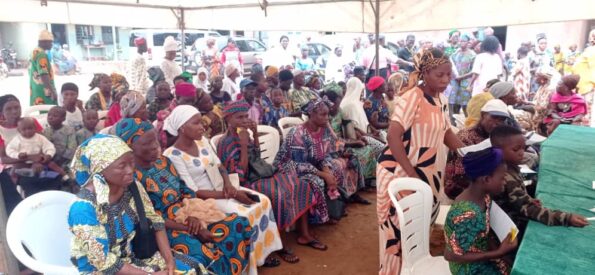
Since 2017, we have been at the forefront of combating this burden in Ibadan and beyond. We have seen firsthand that the fight against NCDs cannot be won within the four walls of a hospital alone; it must be taken to the people. We have educated over 10,000 citizens, reached more than 5,000 direct beneficiaries with free screenings and medication, and built a thriving community of over 250 members who now have access to daily health tips. Our work proves that when you empower a person with knowledge and access, you give them a fighting chance.
However, to truly curb the negative health impacts of hypertension and diabetes, we must scale up our strategies and go deeper—right to the heart of our local communities. One of the most effective, yet often untapped, pathways to achieving this is through a deliberate and structured partnership with Community Development Association (CDA) Executives.
Here is why this partnership is the key to unlocking better health outcomes for the underserved:
The Gatekeepers of Trust
In rural and semi-urban settings, the CDA executive is the most influential body. They are the gatekeepers of the community. While a flyer from a distant hospital might be ignored, an announcement at the town hall meeting or a directive from the CDA chairman is respected. By partnering with these executives, we aren’t just visitors; we become collaborators with the community’s leadership. They help us navigate the cultural nuances and mobilise their people, ensuring that when we show up, the community shows up with us.
Creating a “Hypertension-Smart” Community
Through our model, we work with CDAs to designate local champions, trained volunteers from within the community who understand the language and the lifestyle of their neighbours. These champions, backed by ROHSI’s medical team, can conduct regular, informal blood pressure and blood sugar checks at local markets, churches, or mosques. Instead of waiting for people to come to the hospital, we bring the hospital to their doorstep. This approach mirrors the proven effectiveness of using Community Health Extension Workers (CHEWs) to manage NCDs, as they become trusted figures leading health education efforts.
Leveraging Local Gatherings for Screening
Most communities have existing structures for weekly/monthly meetings, annual festivals, or town hall gatherings. These are missed opportunities for health interventions. By partnering with CDAs, we can integrate free screening exercises into these events. As we have seen with initiatives like Nigeria’s “Project 10 million”, the goal is to help people “know their number”. Imagine a community meeting where, after discussing local development, every adult present knows their blood pressure reading. That is preventive healthcare in action.
Affordability and Local Support
One of the biggest barriers to managing NCDs is the cost of medication. A diagnosis of hypertension can feel like a death sentence to a low-income earner who cannot afford daily pills. Through our partnerships with CDAs, we can help facilitate community-based medication support schemes.
Data Collection and Referral Pathways
CDAs have an intimate knowledge of their population. They know who is elderly, who is sick, and who has been unable to leave their home. Partnering with them allows us to build a more accurate picture of NCD prevalence in hard-to-reach areas. We can then establish a clear referral pathway: screening at the community level, followed by linkage to care at primary health centres.
We need to know that the fight against hypertension and diabetes in Nigeria is a fight for the soul of our communities. It requires us to be innovative, mobile, and deeply integrated. At Rays of Hope Support Initiative, we have the template, the experience, and the passion. But we cannot do it alone.
We call on community development associations across the country to open their doors to this kind of partnership. Let us work together to ensure that no one in our community dies from a disease we can prevent or manage. Let us take the message of hope—and the tools for health—directly to the doorsteps of those who need it most. Because a healthy community is the foundation of a prosperous nation.
Join us. Partner with ROHSI. Let’s bring hope to the doorstep of every Nigerian.

Feb 15, 2026 | Healthy Tips
How diabetes and cancer are linked, why cancer survivors face diabetes risk, and what new-onset diabetes may reveal about hidden cancers.
By Justine Evans
Some facts about diabetes and cancer:
- Type 2 diabetes increases risk for certain cancers.
- Some cancer treatments may cause diabetes later.
- New-onset diabetes in older adults may signal hidden cancer.
- Screening and lifestyle changes can reduce risk.
- Research is exploring new diagnostic tools using these links.
If you’re living with diabetes, you might know all about the intriguing and intricate relationship between diabetes and certain types of cancer. And it’s not a one-way street — the connection goes both ways.
So, what does current research say about this bidirectional relationship? Why are some cancer survivors more likely to develop diabetes? And why is understanding the difference between new-onset and long-standing diabetes critical in cancer detection and care?
Which cancers are linked to diabetes?
It’s been known for some time that diabetes, especially type 2 diabetes, can increase the risk of several types of cancer. But which cancers specifically?
According to a growing body of evidence, people with diabetes are more likely to develop pancreatic, liver, colorectal, breast and endometrial cancers. Why these cancers in particular? Different factors may be at play:
- People with type 2 diabetes often have higher circulating insulin levels, which may promote the growth of cancer cells.
- Long-term low-grade inflammation, common in diabetes, can create an environment in the body that’s more vulnerable to cancer development.
- Persistently high glucose levels may not only damage blood vessels and organs but also contribute to tumour growth.
A 2025 review in Seminars in Oncology outlines these mechanisms in detail, underscoring that this isn’t just correlation butthe risk that there’s a plausible biological basis linking diabetes to cancer risk.
It’s been known for some time that diabetes, especially type 2 diabetes, can increase the risk of several types of cancer. But which cancers specifically?
The gender gap in diabetes-related cancer risk
Diabetes doesn’t affect everyone’s cancer risk in the same way. In fact, research shows that women with diabetes tend to have a higher overall risk of developing cancer than men with diabetes. Across many different cancer types, the relative increase in cancer risk associated with diabetes was greater in women. Importantly, this wasn’t limited to a single cancer. Instead, diabetes appeared to place a broader cancer burden on women overall.
So why might this difference exist? The answer is likely complex and involves a mix of biological and lifestyle factors. Many of the risk factors shared by diabetes and cancer, such as excess body weight, physical inactivity and smoking, can worsen insulin resistance and promote long-term inflammation in the body.
These changes can also disrupt hormone regulation, all of which are processes linked to cancer development. Some evidence suggests that these metabolic and lifestyle effects may be more pronounced, or persist for longer, in women with diabetes. Over time, this may help explain why women experience a greater relative increase in cancer risk compared with men, even when both are living with the same condition.
Can cancer treatments cause diabetes?
Interestingly, the relationship works the other way, too. People who have survived cancer, particularly those treated with certain therapies, are at greater risk of developing new-onset diabetes after cancer.
A recent article published in Annals of Medicine and Surgery (2024) explored how cancer treatments, while life-saving, can disrupt glucose metabolism in various ways. Here are a few examples:
- Chemotherapy and corticosteroids, often used to manage cancer or treatment side effects, can cause spikes in blood sugar.
• Androgen deprivation therapy (used in prostate cancer) has been associated with insulin resistance.
• Abdominal radiation, particularly in children and young adults, can damage the pancreas, impairing insulin production.
This risk is beyond a simple short-term issue during treatment. For many survivors, diabetes may not appear until months or even years later. And because cancer follow-up typically focuses on recurrence and surveillance imaging, blood glucose levels might not be closely monitored unless there’s a specific concern.
People who have survived cancer, particularly those treated with certain therapies, are at greater risk of developing new-onset diabetes after cancer
It’s not just a case of better detection
You might ask whether there is simply an increase in diabetes and cancer diagnoses because we’re looking more closely. After all, both conditions are common, and frequent medical visits often lead to more testing. But experts now agree this is more than just detection bias. A growing number of studies demonstrate a biologically plausible connection between the two conditions.
For instance, shared risk factors, such as obesity, sedentary lifestyle, poor diet, and inflammation, as well as treatment-related effects that support this real, bidirectional link. Although these shared risk factors present a more complex picture, the association between diabetes and certain cancers remains.
That means clinicians are not just diagnosing more people by chance. There is a real link that has clinical implications for diabetes management and cancer care.
New-onset vs long-standing diabetes: a new focus in research
Here’s where it gets even more interesting. Researchers are now focused on distinguishing new-onset diabetes, especially in older adults, as a potential early marker of underlying cancer, particularly pancreatic cancer.
Why pancreatic cancer? Because in many cases, new-onset diabetes can precede the cancer diagnosis. The pancreas is central to both insulin production and tumour development, and a pancreatic tumour can impair insulin secretion, sometimes months before the cancer is detected.
So, while long-standing diabetes may increase the risk of developing certain cancers over time, sudden-onset diabetes, especially in someone with no history of obesity or insulin resistance, could be a red flag. This is especially important because pancreatic cancer often presents late and has poor survival outcomes. Early detection can make a big difference.
In fact, healthcare systems are exploring screening programmes that use new-onset diabetes in people over 50 as a trigger to investigate for pancreatic cancer. It’s a promising area of research that could lead to earlier diagnoses and better outcomes.
Sudden-onset diabetes, especially in someone with no history of obesity or insulin resistance, could be a red flag
What does this mean for people living with diabetes or cancer?
Understanding this bidirectional relationship matters for individuals and healthcare providers.
- If you have diabetes: Regular cancer screenings, especially for colorectal, breast, and liver cancers, may be more relevant than ever. Maintaining good glycaemic control, staying active and managing weight could help reduce your risk.
- If you’re a cancer survivor: Keep an eye on your blood glucose levels, even years after treatment. If you were exposed to chemotherapy, steroids, radiation, or hormone therapy, you may have a higher chance of developing diabetes, and early diagnosis is key.
- If you’re newly diagnosed with diabetes in your 50s or older: Talk to your GP about whether further investigation might be needed, particularly if you don’t fit the type 2 diabetes profile. It might be nothing, but it’s worth checking.
What’s next in research?
The complex interaction between diabetes and cancer is now one of the most dynamic areas of medical research. With a better understanding, there’s hope that:
- Cancer therapies are refined to reduce metabolic side effects.
- New-onset diabetes can serve as a valuable biomarker for early cancer detection.
- Strategies are developed to prevent diabetes in cancer survivors through tailored screening and lifestyle support.
It’s a reminder that in medicine, everything is connected, and sometimes the clues to one condition or disease lie in the symptoms or progression of another.
In medicine, everything is connected, and sometimes the clues to one condition or disease lie in the symptoms or progression of another.
Should people with diabetes be alarmed?
Living with diabetes doesn’t mean you’re destined to develop cancer, and not all cancer survivors will go on to develop diabetes. But recognising the links between these conditions can empower you to take preventive action, ask informed questions, and work with your healthcare team for more personalised care.
After all, the more we understand how diseases interact, the better we can treat and prevent them.
https://diabetesvoice.org/en/caring-for-diabetes/diabetes-and-cancer-whats-the-real-connection/?mc_cid=0daf1860af&mc_eid=50b74717d8

Feb 14, 2026 | Healthy Tips
Anita Sabidi
The myth of the supermom: embracing vulnerability with Type 1 Diabetes
Motherhood is often painted as a story of strength, resilience, and endless sacrifice. As mothers, we are expected to be the pillars of our families—the ones who hold everything together no matter what. But living with Type 1 diabetes for more than two decades has taught me that being a mother does not mean being invincible. In fact, one of the most valuable lessons I’ve been able to share with my children is that their mama is not a superwoman. I can be strong, yes, but I can also be vulnerable. And that’s okay.
Type 1 Diabetes is a family affair: when daily rituals become childhood memories
Every day with diabetes is a balancing act. Managing insulin, blood sugar checks, and the unpredictability of the condition can feel like carrying an invisible load. Yet this journey is not mine alone—it has become a family affair. My children have grown up witnessing my daily rituals with insulin injections and blood glucose monitoring. What might seem routine to me is part of their childhood memories, shaping how they understand care, responsibility, and empathy.
“Cover mama!”: how my kids became my little bodyguards
One of the sweetest moments happens whenever it’s time for my insulin shot in public. Without being asked, my kids instinctively take position around me, shielding me from curious stares. “Cover Mama!” they say, forming a protective circle as I inject. In those little moments, I see their love, their awareness, and their willingness to step into the role of supporters. They are my little bodyguards, and I treasure that more than words can describe.
Why sharing my needs is a lesson in strength, not a burden
Some might think children shouldn’t have to carry that kind of responsibility. But I see it differently. By sharing my vulnerabilities with them, I am teaching them important lessons about life: that strength is not about pretending to be unbreakable, but about acknowledging our needs and asking for support. That caring for one another is not a burden, but an act of love.
Authenticity over perfection: what my children taught me about Type 1 Diabetes resilience
Motherhood with diabetes has also shown me that I don’t have to live up to the impossible standard of being a superwoman. My kids don’t need perfection; they need authenticity. They need to see that it’s human to struggle, to adapt, and to keep going despite the challenges. They need to know that resilience comes not from denying vulnerability, but from embracing it.
So yes, I am a mother living with diabetes. I am a caregiver, but I am also someone who needs care. And in this shared journey, my children and I are learning together—that family is not about one person carrying it all, but about supporting each other through life’s highs and lows.
Conclusion
In the end, I hope my children grow up knowing this truth: that their mama’s greatest strength is not being superhuman but being real.
https://hellotype1.com/en/articles/motherhood-and-type-1-diabetes-why-showing-vulnerability-made-me-a-stronger-mom

May 31, 2025 | Healthy Tips

Every year on May 31, the world observes World No Tobacco Day (WNTD), a global initiative led by the World Health Organisation (WHO) to raise awareness about the dangers of tobacco use and advocate for stronger policies to reduce its consumption. This year’s theme, “Unmasking the Appeal”, focuses on the deceptive strategies employed by the tobacco and nicotine industries to attract new users, particularly young people.
As a leading non-communicable diseases (NCDs) support organisation based in Ibadan, Oyo State, Nigeria, Rays of Hope Support Initiative (ROHSI) stands with the global community in amplifying the call for tobacco control, public health protection, and policy enforcement.
The global tobacco epidemic is a formidable threat, claiming over 8 million lives annually worldwide. Of these, more than 7 million deaths are a direct result of tobacco use, while an alarming 1.3 million deaths are due to non-smokers being exposed to second-hand smoke. This exposure is a critical concern for ROHSI, as it also significantly increases the risk of NCDs in non-smokers.
In Nigeria, the situation is alarming:
- 3.4 million Nigerians (2.9% of adults aged 15+) smoke tobacco (2022 data).
- Male smokers (5.4%) far outnumber female smokers (0.4%).
- Tobacco-related diseases – cancer, heart disease, respiratory illnesses, and stroke – place a heavy burden on Nigeria’s healthcare system.
- Economic losses from tobacco-related illnesses and productivity decline further strain families and the nation.
While reports, such as one from the Tribune newspaper, suggest higher smoking prevalence in some northern states, ROHSI emphasises that tobacco use and its link to NCDs is a pressing issue across all regions, including Oyo State.
At ROHSI, we see firsthand the devastating impact of tobacco on individuals and families affected by NCDs here in Ibadan and across Nigeria.
This World No Tobacco Day, under the theme ‘Unmasking the appeal’, we urge a united front to expose the tobacco industry’s tactics that endanger our youth and perpetuate the cycle of NCDs. The first and most crucial step towards a healthier life, free from the threat of many NCDs, is to say NO to tobacco.
ROHSI encourages every Nigerian to reflect on the popular calls to action: “Breathe clean, live green. Quit tobacco today.”
The ROHSI team challenges every individual in Ibadan, Oyo State, and throughout Nigeria to consider making this powerful pledge: “Today, I am pledging to quit all forms of tobacco and nicotine, including cigarettes, smokeless tobacco products, heated tobacco products, e-cigarettes, nicotine pouches, shisha, and other harmful products, for my health and the health of my community.”
Join us in educating others on the dangers of tobacco and industry tactics, support smoke-free policies in workplaces, schools, and public spaces, advocate for stronger tobacco control laws in Nigeria, and help promote cessation programmes through counselling and support.
Together, we can unmask the truth and build a healthier, tobacco-free Nigeria!
About ROHSI:
Rays of Hope Support Initiative (ROHSI) is a Nigerian non-profit organisation based in Ibadan, Oyo State, dedicated to combating non-communicable diseases (NCDs) through awareness, advocacy, and community support programmes.
#NoTobacco #TobaccoFreeGeneration #PublicHealth #WHO_Africa #WorldNoTobaccoDay #ROHSI3 #Nigeria #Africa #Ibadan #NCDs #WHO_Nigeria #WHO_Africa #WHO #TobaccoFree #QuitSmoking #HealthForAll #NNNGO #NCDAlliance #TobaccoFreeNigeria #HealthForAll #FMoH #NPHCDA #NIgerian

Dec 30, 2024 | Healthy Moves
GOOD TO GREAT! TAKE YOUR WORKOUT TO THE NEXT LEVEL IN 2025
Friends, whether we go for short walks around our neighbourhood, sprint through 10-kilometre bike rides, or sweat it out at the gym, at some point we’ll think, “This isn’t as hard as it used to be!”
That’s good progress. But it might be time to move on.
We may have gotten so used to our routine that it’s simply too easy now. To get faster or stronger, or just beat boredom, it’s time to change things up.
It’s a fact: The best way to keep building muscle mass or burning calories is to make it a habit to switch up our workout—especially when we notice that our current plan has become comfy. It keeps us on our toes. We’re ready to turn our walks into jogs, lift heavier weights, or swim faster than we might have thought we ever would.
Get ‘FITT’
First, think about what we could do differently. Use the “FITT” principle of exercise—frequency, intensity, time, and type—to guide you.
Frequency: How many days a week do we work out?
If it’s twice a week, we should try to add a third day and see how it goes.
Intensity: How hard do we exercise?
Do we reach our target heart rate? That will help us boost our fitness. Our maximum heart rate is about 220 minus our age. Our target heart rate zone is 50% to 85% of that.
If we don’t want to do the math, ask ourselves if we feel like we’re really pushing ourselves or if the activity feels pretty easy. Could we work a little harder, whether that means picking up the pace or adding more weight or resistance?
Time: How long are our workouts?
If we jog for 20 minutes, we should try to keep it going for 30. Strolling around the neighbourhood for 45 minutes? Go a few blocks farther and make it 60.
Type: What specific exercises are you doing?
Consider going from walking to jogging, jogging to running, or adding a completely new activity—biking, swimming, Pilates, weight training, etc.
Turn to a Pro or a Pal
Consider a session or two, or more, with a certified personal trainer. They can help tweak our plan, whether we’re working toward a marathon or we want to lose those last 10 kgs. And they can make sure we don’t make too many changes too fast.
If we’re not interested in hiring someone—maybe getting professional help seems too expensive or time-consuming—we could team up with a workout buddy. It makes us more likely to stick with the plan and show up.
For the best results, we should pick a partner who’s slightly fitter than we are. Research shows that working out with a person who’s in better shape can motivate us to push ourselves harder.
Reap the Benefits
We need some extra incentive to get out of our current comfort zone. We can opt to “reward” ourselves for meeting mini goals along the way.
We can focus on small treats that aren’t food. For example, we could plan to go to a concert, get a manicure, or buy a pair of shoes we like after we’ve met our workout goals for the month/year.
Even better, we can steer ourselves away from tangible items and focus on how getting fitter would benefit our life. Do we want more energy to play with our kids or grandkids? Better sleep? Be in shape for an active vacation halfway around the world? Cross the finish line at a race or even take home a medal.
It’s all possible if we push ourselves just a bit further, over and over.
Courtesy! Rays of Hope Support Initiative and WebMD
