
Aug 25, 2017 | Healthy Tips
Overview
Cardiovascular diseases (CVDs) are often called “silent killers” because heart attacks and strokes are a common first warning sign of an underlying disease. High blood pressure is the most frequent and most important risk factor for CVDs. Its prevalence is estimated to be about 20 million in the African Region.
The most common symptom of coronary artery disease is angina. Angina is often described as a pressure, heaviness, discomfort, aching, burning or a painful feeling in the chest. The symptoms can often be mistaken for indigestion or heartburn.
Behavioural risk factors are responsible for about 80% of coronary heart disease and stroke. The major causes of cardiovascular diseases are tobacco use, physical inactivity, an unhealthy diet and harmful use of alcohol. CVDs occur almost equally between men and women.
Raised blood pressure, raised cholesterol, and overweight and obesity are often outcomes of inadequate lifestyles in the Region. The reduction of salt in the diet, consuming fruits and vegetables, and managing stress are effective ways to reduce the risks of cardiovascular diseases.
Other CVDs include peripheral artery disease, rheumatic heart disease, congenital heart disease and heart failure. Poverty, lack of education, and unplanned urbanization can increase exposure to cardiovascular risk factors.
Factsheet
Key Facts
CVDs are the number 1 cause of death globally: more people die annually from CVDs than from any other cause.
An estimated 17.7 million people died from CVDs in 2015, representing 31% of all global deaths. Of these deaths, an estimated 7.4 million were due to coronary heart disease and 6.7 million were due to stroke.
Over three quarters of CVD deaths take place in low- and middle-income countries.
Out of the 17 million premature deaths (under the age of 70) due to no communicable diseases in 2015, 82% are in low- and middle-income countries, and 37% are caused by CVDs.
Most cardiovascular diseases can be prevented by addressing behavioural risk factors such as tobacco use, unhealthy diet and obesity, physical inactivity and harmful use of alcohol using population-wide strategies.
People with cardiovascular disease or who are at high cardiovascular risk (due to the presence of one or more risk factors such as hypertension, diabetes, hyperlipidaemia or already established disease) need early detection and management using counselling and medicines, as appropriate.
What are cardiovascular diseases?
Cardiovascular diseases (CVDs) are a group of disorders of the heart and blood vessels and they include:
coronary heart disease – disease of the blood vessels supplying the heart muscle;
cerebrovascular disease – disease of the blood vessels supplying the brain;
peripheral arterial disease – disease of blood vessels supplying the arms and legs;
rheumatic heart disease – damage to the heart muscle and heart valves from rheumatic fever, caused by streptococcal bacteria;
congenital heart disease – malformations of heart structure existing at birth;
deep vein thrombosis and pulmonary embolism – blood clots in the leg veins, which can dislodge and move to the heart and lungs.
Heart attacks and strokes are usually acute events and are mainly caused by a blockage that prevents blood from flowing to the heart or brain. The most common reason for this is a build-up of fatty deposits on the inner walls of the blood vessels that supply the heart or brain. Strokes can also be caused by bleeding from a blood vessel in the brain or from blood clots. The cause of heart attacks and strokes are usually the presence of a combination of risk factors, such as tobacco use, unhealthy diet and obesity, physical inactivity and harmful use of alcohol, hypertension, diabetes and hyperlipidaemia.
What are the risk factors for cardiovascular disease?
The most important behavioural risk factors of heart disease and stroke are unhealthy diet, physical inactivity, tobacco use and harmful use of alcohol. The effects of behavioural risk factors may show up in individuals as raised blood pressure, raised blood glucose, raised blood lipids, and overweight and obesity. These “intermediate risks factors” can be measured in primary care facilities and indicate an increased risk of developing a heart attack, stroke, heart failure and other complications.
Cessation of tobacco use, reduction of salt in the diet, consuming fruits and vegetables, regular physical activity and avoiding harmful use of alcohol have been shown to reduce the risk of cardiovascular disease. In addition, drug treatment of diabetes, hypertension and high blood lipids may be necessary to reduce cardiovascular risk and prevent heart attacks and strokes. Health policies that create conducive environments for making healthy choices affordable and available are essential for motivating people to adopt and sustain healthy behaviour.
There are also a number of underlying determinants of CVDs or “the causes of the causes”. These are a reflection of the major forces driving social, economic and cultural change – globalization, urbanization and population ageing. Other determinants of CVDs include poverty, stress and hereditary factors.
What are common symptoms of cardiovascular diseases?
Symptoms of heart attacks and strokes
Often, there are no symptoms of the underlying disease of the blood vessels. A heart attack or stroke may be the first warning of underlying disease. Symptoms of a heart attack include: pain or discomfort in the centre of the chest; pain or discomfort in the arms, the left shoulder, elbows, jaw, or back.
In addition, the person may experience difficulty in breathing or shortness of breath; feeling sick or vomiting; feeling light-headed or faint; breaking into a cold sweat; and becoming pale. Women are more likely to have shortness of breath, nausea, vomiting, and back or jaw pain.
The most common symptom of a stroke is sudden weakness of the face, arm, or leg, most often on one side of the body. Other symptoms include sudden onset of: numbness of the face, arm, or leg, especially on one side of the body; confusion, difficulty speaking or understanding speech; difficulty seeing with one or both eyes; difficulty walking, dizziness, loss of balance or coordination; severe headache with no known cause; and
fainting or unconsciousness. People experiencing these symptoms should seek medical care immediately.
What is rheumatic heart disease?
Rheumatic heart disease is caused by damage to the heart valves and heart muscle from the inflammation and scarring caused by rheumatic fever. Rheumatic fever is caused by an abnormal response of the body to infection with streptococcal bacteria, which usually begins as a sore throat or tonsillitis in children.
Rheumatic fever mostly affects children in developing countries, especially where poverty is widespread. Globally, about 2% of deaths from cardiovascular diseases is related to rheumatic heart disease.
Symptoms of rheumatic heart disease
Symptoms of rheumatic heart disease include: shortness of breath, fatigue, irregular heartbeats, chest pain and fainting.
Symptoms of rheumatic fever include: fever, pain and swelling of the joints, nausea, stomach cramps and vomiting.
Why are cardiovascular diseases a development issue in low- and middle-income countries?
At least three quarters of the world’s deaths from CVDs occur in low- and middle-income countries.
People in low- and middle-income countries often do not have the benefit of integrated primary health care programmes for early detection and treatment of people with risk factors compared to people in high-income countries.
People in low- and middle-income countries who suffer from CVDs and other no communicable diseases have less access to effective and equitable health care services which respond to their needs. As a result, many people in low- and middle-income countries are detected late in the course of the disease and die younger from CVDs and other no communicable diseases, often in their most productive years.
The poorest people in low- and middle-income countries are affected most. At the household level, sufficient evidence is emerging to prove that CVDs and other no communicable diseases contribute to poverty due to catastrophic health spending and high out-of-pocket expenditure.
At macro-economic level, CVDs place a heavy burden on the economies of low- and middle-income countries.
How can the burden of cardiovascular diseases be reduced?
“Best buys” or very cost effective interventions that are feasible to be implemented even in low-resource settings have been identified by WHO for prevention and control of cardiovascular diseases. They include two types of interventions: population-wide and individual, which are recommended to be used in combination to reduce the greatest cardiovascular disease burden.
Examples of population-wide interventions that can be implemented to reduce CVDs include: comprehensive tobacco control policies taxation to reduce the intake of foods that are high in fat, sugar and salt building walking and cycle paths to increase physical activity
strategies to reduce harmful use of alcohol providing healthy school meals to children.
At the individual level, for prevention of first heart attacks and strokes, individual health-care interventions need to be targeted to those at high total cardiovascular risk or those with single risk factor levels above traditional thresholds, such as hypertension and hypercholesterolemia. The former approach is more cost-effective than the latter and has the potential to substantially reduce cardiovascular events. This approach is feasible in primary care in low-resource settings, including by non-physician health workers.
For secondary prevention of cardiovascular disease in those with established disease, including diabetes, treatment with the following medications are necessary:
aspirin
beta-blockers
angiotensin-converting enzyme inhibitors
statins.
The benefits of these interventions are largely independent, but when used together with smoking cessation, nearly 75% of recurrent vascular events may be prevented. Currently there are major gaps in the implementation of these interventions particularly at the primary health care level.
In addition, costly surgical operations are sometimes required to treat CVDs. They include:
coronary artery bypass, balloon angioplasty (where a small balloon-like device is threaded through an artery to open the blockage); valve repair and replacement;
heart transplantation; artificial heart operations
Medical devices are required to treat some CVDs. Such devices include pacemakers, prosthetic valves, and patches for closing holes in the heart.
Aug 25, 2017 | Healthy Tips
TIRED OF YOUR DIABETES? HERE’S HOW TO KEEP GOING
By David Steen Martin
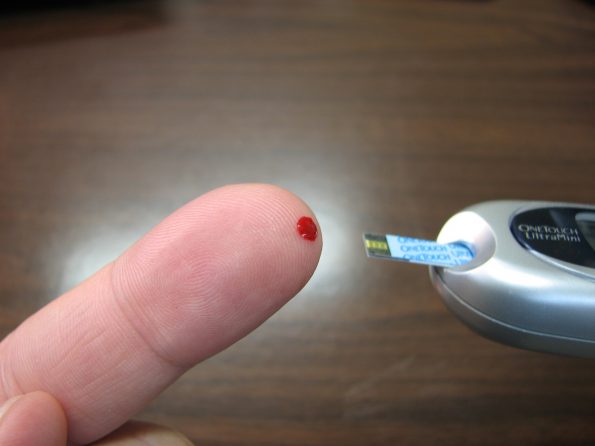
When you have diabetes, your daily to-do list can seem like a lot. You track your blood sugar, take medicine, watch your diet, and exercise.
It can make you feel overwhelmed and burned out. If you’re there:
- Know that no one is perfect.
There are no vacations from diabetes. Even the most diligent people can’t keep their blood sugar or diet or physical activity on target all the time.
“Diabetes is unique because [you’re] actually making medical decisions, day-to-day, minute-to-minute,” says Alicia McAuliffe-Fogarty, Ph.D., a clinical health psychologist.
This can be stressful, says David Nathan, MD, director of the Diabetes Center at Massachusetts General Hospital.
“If people are always stressed out about diabetes, they’re miserable,” Nathan says.
He says people need to forgive themselves if they miss their goals for a day, a week, or even more.
“Chill a little bit,” Nathan says. “We’re going to do the best we can. We need to recognize no one is perfect.”
- Pay attention to what stresses you out.
Living with diabetes can cause fear, anger, worry, and sadness.
Lawrence Fisher, Ph.D., director of the Behavioural Diabetes Research Group at UCSF School of Medicine, has studied what doctors call “diabetes distress” in people with type 1 and those with type 2 diabetes. He learned that during any 18-month period, from a third to a half of people with diabetes will feel a good bit of it.
He cites seven common sources of diabetes distress among people with type 1 diabetes. The most common is a feeling of helplessness.
“The [blood sugar] numbers have a life of their own. They go up. They go down. You’re constantly making adjustments,” Fisher says. “There’s a feeling of powerlessness that is really hard to tolerate.”
Other common sources of diabetes distress among people with type 1 diabetes include:
- Worry about what those around them assume
- Concern about access to good health care
- Perceived lack of support from family or friends, or feeling like they’re the “diabetes police”
- Fear of dangerously low blood sugar
- Stress over managing blood sugar levels
- Bother over what to eat and when
- Fisher says people with diabetes should pay attention to what stresses them out and try to address those things. He suggests programs or workshops that focus on what gets you down.
- “There are things you can do,” he says.
- He found that people with type 2 diabetes also had a feeling of helplessness. A sense of failure and negative social perceptions were other common sources of bother among type 2 folks, he says.
- Paying attention to what gets to you about your diabetes is important. The less spun-out you are, the better you’ll be able to manage your disease.
- Set realistic goals.
- That’s important to avoid burnout. It can mean taking a big goal and breaking it into more manageable pieces.
- “Taking small steps to achieve a larger goal often makes sense,” says McAuliffe-Fogarty, who has type 1 diabetes.
- If you need to lose 50 pounds, shoot for 2 pounds a month, she says. If you drink regular soda, try switching to diet. If you normally eat a pint of ice cream, switch to a half a pint.
- “You should adapt your treatment plan to your lifestyle rather than the other way around,” says McAuliffe-Fogarty, who is also vice president of the lifestyle management team at the American Diabetes Association.
- Ask for help.
- Build a support network — and use it.
- In addition to your doctors, look for counsellors or family friends who can be there for you when you feel down. Sharing stories as part of a diabetes support group can be very helpful.
- Ask those closest to you for specific help you need. This can be anything from asking a family member to remind you to take your medication to asking a friend to go for a walk with you a few times a week, McAuliffe-Fogarty says.
- “Without that support, people often get down,” she says.
- Know transitions can be hard.
- Change can be a challenge for anyone. Going through it while you manage your diabetes can be really tough.
- Heading to college, being diagnosed with a complication, and trying a new treatment are types of adjustments that can bring worry, McAuliffe-Fogarty says.
- To ease stress, try to anticipate and prepare for big changes in your life. That’ll lessen the impact on how you manage your diabetes.
- Tell your doctor all about it.
- See him regularly. When you go, make sure to share your physical symptoms, and how you’re feeling about things. Your diabetes can make it more likely for you to be depressed or anxious. What’s more, how you feel plays a big role in your ability to control your diabetes.
- “That’s a component that’s often forgotten or left out,” McAuliffe-Fogarty says of mental well-being. “It’s equally important as eating right and exercising.”
- It’s important that you take an active role in communicating with your doctor. He’s trained in managing diabetes. But he may not be as knowledgeable about the emotional toll the disease can take, McAuliffe-Fogarty says.
Aug 25, 2017 | Healthy Tips
HOW TO LOWER YOUR RISK- DIABETES
Good habits go a long way toward preventing the other health problems that diabetes can cause. Make these tips part of your regular health routine:
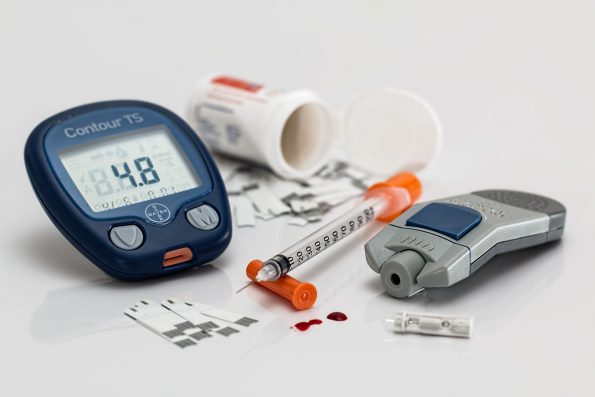
Keep tight control of your blood sugar. It’s the best way to avoid diabetes complications. Your levels should stay in these healthy ranges as much as possible:
• Between 70 and 130 mg/dL before meals
• Less than 180 mg/dL 2 hours after you start a meal
• Glycated hemoglobin or A1C level around 7%
Watch your blood pressure and cholesterol. If they’re too high, you’re more likely to get other health problems, like heart disease. Try to keep your BP below 140/90, and your total cholesterol at or below 200 mg/dL.
Get regular check-ups. Your doctor can check your blood, urine, and do other tests to spot any problems. These visits are especially important since many diabetes complications don’t have clear warning signs.
Don’t smoke. Lighting up harms your blood flow and raises blood pressure. If you need help to quit, your doctor can recommend treatments that might work for you.
Protect your eyes. Get a yearly eye exam. Your doctor can look for damage or diseases.
Check your feet every day. Look for any cuts, sores, scrapes, blisters, ingrown toenails, redness, or swelling. Wash and dry your feet carefully each day. Use lotion to avoid dry skin or cracked heels. Wear shoes on hot pavement or on the beach, and socks and shoes in cold weather. Test bath water before you get into avoid burns on your feet. Keep your toenails trimmed and filed straight across.
Take care of your skin. Keep it clean and dry. Use talcum powder in places where skin may rub together, like your armpits. Don’t take very hot showers or baths, or use drying soaps or bath gels. Moisturize your skin with body and hand lotion. Stay warm in cold winter months. Use a humidifier in your bedroom if it feels too dry.
WebMD Medical Reference
Reviewed by Minesh Khatri, MD
Aug 25, 2017 | Healthy Tips
METH ABUSE COULD UP STROKE RISK IN YOUNGER USERS
THURSDAY, Aug. 24, 2017 (HealthDay News) —
Younger adults who use methamphetamine may be at greater risk for stroke, a new review suggests. With the use of the stimulant increasing, particularly in more potent forms, doctors in many countries are seeing more meth-related disease and harms, the Australian study authors said. This is especially true among younger people, who are the major users of the drug.
“It is likely that methamphetamine abuse is making a disproportionate contribution to the increased incidence of stroke among young people observed over recent years,” said researchers led by Julia Lappin. She’s with the National Drug and Alcohol Research Centre at the University of New South Wales in Sydney.
These strokes can lead to disabilities or death, she and her colleagues pointed out.
For the review, Lappin’s team analyzed 77 studies that investigated the link between methamphetamine use and stroke risk in adults younger than 45. They identified reports of 98 strokes — 81 caused by bleeding into the brain (hemorrhagic) and 17 caused by a blood clot (ischemic). Men were twice as likely as women to suffer one of these strokes.
Ischemic strokes are more common in the general population.
But eight out of 10 of the strokes associated with methamphetamine abuse were bleeding strokes, the researchers said. This is a dramatically higher rate than typically reported among people in this age group and older adults.
The brain bleeds also increased the risk of death among younger methamphetamine users: One-third of them died, the study found.
Bleeding strokes were associated with the drug regardless of whether it was swallowed or injected. In about one-third of all cases, the strokes were linked to inflamed blood vessels and high blood pressure, the researchers said.
They added that methamphetamine abuse could cause high blood pressure in otherwise healthy people.
The study was published online Aug. 23 in the Journal of Neurology Neurosurgery & Psychiatry.
— Mary Elizabeth Dallas

Aug 17, 2017 | Healthy Tips

PREGNANCY COMPLICATIONS ASSOCIATED WITH PCOS
Risks To Mom And Baby And How You Might Prevent Them
By Nicole Galan, RN
Most women with PCOS are aware that they may have some difficulty becoming pregnant. Irregular periods and absent ovulation can make it challenging to time intercourse for pregnancy and commonly leads a couple to seek out the assistance of a reproductive specialist.
But many women aren’t aware that having PCOS can also increase her risk for certain pregnancy-related complications. Though rest assured these complications aren’t common, a woman should still visit her obstetrician regularly and follow her recommendations for prenatal screening.
Miscarriage
Women who have PCOS do appear to be at a slightly higher risk for having a miscarriage, though the cause for this relationship is unclear. Researchers believe that a few factors may be to blame. First, women with PCOS tend to have longer menstrual cycles, meaning that ovulation occurs later on. This exposes the developing egg to lots of hormones, possibly damaging it.
Second, there is a known relationship between uncontrolled blood sugar and miscarriage. Given that women with PCOS tend to have insulin resistance and elevated insulin levels, some researchers hypothesize that this may contribute to poor egg quality and miscarriage. High androgen levels and endometrial dysfunction, meaning problems with implantation, may also play a role in the increased risk of early pregnancy loss in women with PCOS – though more research is needed before a clear association can be developed.
Pregnancy-Induced Hypertension and Preeclampsia
Pregnancy-induced hypertension, or PIH, refers to women who develop new onset high blood pressure after 20 weeks.
Preeclampsia is a serious health condition that also develops in the second half of pregnancy and causes protein in the urine, in addition to high blood pressure. The loss of protein in the urine leads to swelling and signals a problem with the kidneys.
If left untreated, preeclampsia can progress to the severe form of the syndrome called eclampsia, which can cause seizures, blindness, and/or coma.
In serious cases, both maternal and foetal death can result.
Every time you visit your doctor, she will check your blood pressure and take a urine sample to look for protein in the urine. This is to make sure that you are not developing preeclampsia. If you are diagnosed with preeclampsia, treatment involves bed rest, frequent monitoring, and medication to hopefully lower your blood pressure. If your blood pressure does not decrease, the only known cure is to deliver the baby. The goal is to get the baby as far along in the pregnancy as possible so that the lungs have a chance to develop.
Women with PCOS tend to have higher blood pressure to begin with, increasing their risk for developing PIH. This is why it’s important to watch out for signs and symptoms of PIH and preeclampsia (swelling, rapid weight gain, severe headache, vision changes) and promptly report them to your doctor, or proceed to the emergency room if necessary.
Gestational Diabetes
Gestational diabetes occurs when diabetes, an alteration in how the body processes sugar, develops during pregnancy. While the condition usually resolves after giving birth, a woman with gestational diabetes is more likely to develop type 2 diabetes later in life, requiring ongoing monitoring of blood sugar levels.
All pregnant women are monitored for gestational diabetes with routine blood sugar screening sometime between 26 and 28 weeks. Women with known diabetes, insulin resistance, or who are at higher risk for developing gestational diabetes may be screened earlier. Women who are older than 25, have had gestational diabetes with prior pregnancies, who are overweight, who have prediabetes, or who have close family members who have been diagnosed with type 2 diabetes are at greater risk for developing gestational diabetes. Women with PCOS are a part of that group because of the association with insulin resistance and prediabetes.
Gestational diabetes can be treated with a combination of lifestyle changes or medication if necessary. It’s important to be vigilant about monitoring your blood sugar as directed by your physician because babies born to mothers with gestational diabetes are at higher risk for high birth weight, preterm birth, respiratory issues at birth, low blood sugar, and jaundice.
Premature Delivery
Women with PCOS are also at risk of delivering their baby early. The reason behind this again is not totally clear. Experts do know that preeclampsia is a risk factor for premature delivery, and women with PCOS are at a higher risk of preeclampsia.
In addition, experts have found that babies born to moms with PCOS are more likely to be large (called large for gestational age), have meconium aspiration (when a baby’s first stool gets into their lungs), and have a low Apgar score at five minutes.
Preventing Pregnancy Complications in PCOS
Some of these complications sound pretty scary, but there are many things that you can do to help prevent them. First and foremost is to get regular prenatal care as early into the pregnancy as possible. Even better would be to see your doctor before trying to conceive so that you can discuss specific steps to lower your risks – like optimizing your weight.
Second, make some positive lifestyle changes. Even though they may be hard to implement, remember that you are doing it for your baby (and for yourself). For instance, discuss an exercise regimen with your doctor, and if you struggle with healthy eating habits, ask for a referral to a nutritionist.
Sources:
American Diabetes Association. (2013). Before Pregnancy.
American Pregnancy Association. Polycystic ovarian syndrome.
Kamalanathan, S., Sahoo, J.P., & Sathyapalan, T. Pregnancy in Polycystic Ovary Syndrome. Indian Journal of Endocrinology and Metabolism, Jan-Feb;17(1):37-43.
Roos, N., Sahlin, K.H., Ekman-Ordeberg, G., Falconer, H., & Stephansson, O. (2011). Risk of Adverse Pregnancy Outcomes in Women with Polycystic Ovary Syndrome: Population-based Cohort Study. BMJ, Oct 13;343:d6309
Aug 17, 2017 | Healthy Tips
OBESITY’S DAMAGING EFFECTS ON THE KIDNEYS
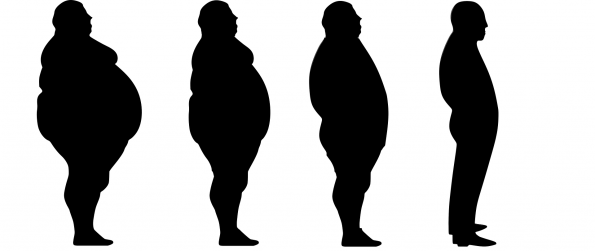
Being fat greatly increases risk of developing kidney disease
By Veeraish Chauhan, MD
I probably don’t need to start off with the usual platitudes about obesity’s damaging effects on your health. A grand simplification would be a two-word long statement: “obesity kills”. But most people know that already. Obesity’s role as a major risk factor for heart and cardiovascular disease, diabetes, bone and joint disease is almost universally known.
WE ARE GROWING FATTER
In 1997, the World Health Organization called obesity “one of the greatest neglected public health problems of our time with an impact on health which may well prove to be as great as that of smoking”.
If you are into statistics, here are some sobering numbers: close to 3 million people die each year because of being obese. To give you a perspective, that is about a fifth of the number of people who died in World War II (15 million). In other words, we are losing the same number of people to obesity every five years, as died during the war! We, the Land of Plenty are the fattest nation in the world by sheer numbers (although American Samoa takes the cake if you go by the percentage of obese population).
Why we have this dubious distinction is beyond the scope of this article, but it includes social, cultural, and economic factors. We live in an era of cheap food and large portion sizes. What is a small in the US is large in Europe. What is a medium in the US does not exist in most other places on Earth. This epidemic of gluttony is bound to have public health effects.
DOES OBESITY HURT YOUR KIDNEYS
Absolutely.
Over the last decade, several studies have established higher body weight for height (your Body Mass Index) as a risk factor for kidney disease development and progression. This stands true even after adjusting for blood pressure and diabetes. In other words, people who are obese are at risk of developing kidney failure because of their obesity alone, and not just because they are also more likely to have high blood pressure and diabetes (otherwise the two biggest risk factors for kidney disease).
Another over- simplification would be to state that: the heavier you are, the harder your kidneys work. From a more scientific standpoint though, obesity induces a range of dysfunctional changes in the kidney that eventually lead to chronic kidney disease (CKD). In the worst case scenario, the affected person could see their kidney function decline to the point where they need dialysis.
So what are these changes. At the risk of getting too technical, let me give you a quick overview:
Obesity already has a known association with other diseases that hurt your kidneys. I am talking about the usual suspects- high blood pressure, diabetes, high uric acid levels, high cholesterol levels, etc. This constellation which often comes as a “package deal” with obesity is called the metabolic syndrome. These conditions lead to kidney disease, albeit by indirect mechanisms.
Obesity directly causes damaging changes in the kidneys’ blood perfusion and pressure. These changes begin long before any clinical effects of obesity on the kidneys are obvious. This was shown in a major study from Spain that did kidney biopsies on obese patients presenting for weight loss/bariatric surgery.
If you thought that your body fat which you happen to hate so much is merely a passive depot of tissue that prevents you from showing your six-pack, think again. The new paradigm in our understanding of body fat is to view it as an endocrine gland; one that produces hormones called “adipokines”. It is these adipokines that cause systemic inflammation and alteration in the kidneys’ blood flow/pressure. Inflammation hurts the blood vessels and kidneys, among other organs. When cells in the kidney die from the effects of this inflammation, it could lead to permanent scarring in the kidneys which eventually leads to kidney disease. Hence, body fat is a thriving nidus of hormonal activity that is harmful for the kidney function.
IS OBESITY RELATED KIDNEY DAMAGE TREATABLE
The no brainer answer would be that losing weight might help. Weight loss is known to reduce blood pressure, drop your insulin resistance, and reduce the systemic inflammation mentioned above. Beyond losing weight though, a few medications might have a role in certain situations:
For instance, a specific kind of kidney disease caused by obesity is something called Focal Segmental Glomerulosclerosis (FSGS), and it might be possible to control that in the early stages by medications called ACE inhibitors (an example would be Lisinopril).
Cholesterol medications like statins might be helpful (eg. atorvastatin or Lipitor).
Metformin, a common medication used for diabetes has a role in preventing obesity related kidney damage
Treatment of associated risk factors like hypertension, diabetes or insulin resistance, sleep apnea, dyslipidemia is also necessary.
Long story short, being fat is bad news for your kidney function. Tighten your belt if the thought of being on dialysis scares you.
