Mar 1, 2026 | Healthy Moves
By: Benjamin Olorunfemi
In communities across Nigeria, a silent epidemic is claiming more lives than many infectious diseases, yet it barely makes a sound until it is too late. Non-communicable diseases (NCDs), particularly hypertension and diabetes, have escalated into a public health emergency. Current statistics paint a grim picture: more than 20 million Nigerians are living with hypertension, and over 11 million are battling diabetes. Alarmingly, more than half of these individuals are completely unaware of their health status, walking around with a time bomb ticking in their chests.
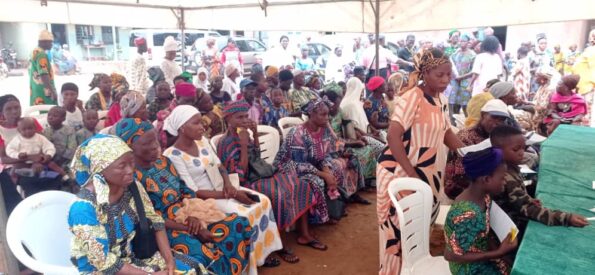
For the average Nigerian in an underserved community where health facilities are miles away and the cost of a simple blood pressure check is a luxury, these are not just numbers; they are fathers, mothers, and youths resigning to fate simply because they cannot afford or access care. These are the people who fall through the cracks of our healthcare system. This is where our work at the Rays of Hope Support Initiative (ROHSI) becomes not just relevant, but essential.
Since 2017, we have been at the forefront of combating this burden in Ibadan and beyond. We have seen firsthand that the fight against NCDs cannot be won within the four walls of a hospital alone; it must be taken to the people. We have educated over 10,000 citizens, reached more than 5,000 direct beneficiaries with free screenings and medication, and built a thriving community of over 250 members who now have access to daily health tips. Our work proves that when you empower a person with knowledge and access, you give them a fighting chance.
However, to truly curb the negative health impacts of hypertension and diabetes, we must scale up our strategies and go deeper—right to the heart of our local communities. One of the most effective, yet often untapped, pathways to achieving this is through a deliberate and structured partnership with Community Development Association (CDA) Executives.
Here is why this partnership is the key to unlocking better health outcomes for the underserved:
The Gatekeepers of Trust
In rural and semi-urban settings, the CDA executive is the most influential body. They are the gatekeepers of the community. While a flyer from a distant hospital might be ignored, an announcement at the town hall meeting or a directive from the CDA chairman is respected. By partnering with these executives, we aren’t just visitors; we become collaborators with the community’s leadership. They help us navigate the cultural nuances and mobilise their people, ensuring that when we show up, the community shows up with us.
Creating a “Hypertension-Smart” Community
Through our model, we work with CDAs to designate local champions, trained volunteers from within the community who understand the language and the lifestyle of their neighbours. These champions, backed by ROHSI’s medical team, can conduct regular, informal blood pressure and blood sugar checks at local markets, churches, or mosques. Instead of waiting for people to come to the hospital, we bring the hospital to their doorstep. This approach mirrors the proven effectiveness of using Community Health Extension Workers (CHEWs) to manage NCDs, as they become trusted figures leading health education efforts.
Leveraging Local Gatherings for Screening
Most communities have existing structures for weekly/monthly meetings, annual festivals, or town hall gatherings. These are missed opportunities for health interventions. By partnering with CDAs, we can integrate free screening exercises into these events. As we have seen with initiatives like Nigeria’s “Project 10 million”, the goal is to help people “know their number”. Imagine a community meeting where, after discussing local development, every adult present knows their blood pressure reading. That is preventive healthcare in action.
Affordability and Local Support
One of the biggest barriers to managing NCDs is the cost of medication. A diagnosis of hypertension can feel like a death sentence to a low-income earner who cannot afford daily pills. Through our partnerships with CDAs, we can help facilitate community-based medication support schemes.
Data Collection and Referral Pathways
CDAs have an intimate knowledge of their population. They know who is elderly, who is sick, and who has been unable to leave their home. Partnering with them allows us to build a more accurate picture of NCD prevalence in hard-to-reach areas. We can then establish a clear referral pathway: screening at the community level, followed by linkage to care at primary health centres.
We need to know that the fight against hypertension and diabetes in Nigeria is a fight for the soul of our communities. It requires us to be innovative, mobile, and deeply integrated. At Rays of Hope Support Initiative, we have the template, the experience, and the passion. But we cannot do it alone.
We call on community development associations across the country to open their doors to this kind of partnership. Let us work together to ensure that no one in our community dies from a disease we can prevent or manage. Let us take the message of hope—and the tools for health—directly to the doorsteps of those who need it most. Because a healthy community is the foundation of a prosperous nation.
Join us. Partner with ROHSI. Let’s bring hope to the doorstep of every Nigerian.

Sep 29, 2025 | Healthy Moves
Imagine a world where heart disease no longer claims millions of lives each year. A world where families aren’t torn apart by the loss of a loved one to cardiovascular disease. This is the vision behind World Heart Day, observed annually on September 29th.
As we celebrate, World Heart Day with the theme “Don’t Miss a Beat” serves as a powerful call to action. Remind us that heart health is a daily commitment, one that too many overlook until it’s too late. From poor diets to sedentary lifestyles, smoking, and unchecked stress, the choices we make or ignore directly impact our hearts.
While CVD is a global scourge, its rise in Africa, with Nigeria as a critical focal point, is particularly alarming. Once thought to be a disease primarily affecting high-income countries, lifestyle changes, urbanisation, and increasing life expectancy are fuelling a surge in heart-related cases across the continent. Nigeria, with its large and rapidly growing population, is facing a burgeoning crisis.
Heart disease is no longer solely an affliction of the elderly. While older individuals, particularly those over 60, account for a significant proportion of CVD-related deaths, worrying trends show an increasing incidence across younger age groups in Nigeria. Studies reveal that a substantial number of CVD patients are within the 40-70 age bracket, and even younger individuals are not immune. Rheumatic heart disease, for instance, disproportionately affects children and adolescents.
This shift in demographics underscores the widespread nature of the risk factors: unhealthy diets dominated by processed foods, sugary drinks, and excessive salt; sedentary lifestyles due to increased urbanisation; and the persistent challenge of tobacco and alcohol use. The notion that “it won’t happen to me” is a dangerous illusion that needs to be shattered.
Reports indicate a significant increase in CVD admissions and deaths in Nigerian hospitals. Hypertension, often undiagnosed and untreated, is a primary driver. Cardiomyopathies, rheumatic heart disease, and coronary artery disease are also prevalent, straining an already stretched healthcare system. The implications are dire, not just for individuals but for the nation’s development.
Nigeria’s healthcare system faces significant challenges in addressing cardiovascular disease, where:
– Many communities lack access to healthcare services, including preventive care and treatment.
– Healthcare facilities often lack the necessary equipment and personnel to provide quality care. We are saying strengthen our primary healthcare centres (PHCs) to serve as the first line of defence for prevention, early diagnosis, and management of CVD risk factors.
– The “brain drain” of skilled doctors, nurses, and specialists, who are seeking better opportunities abroad, has left a significant gap in the workforce. The doctor-to-patient ratio is alarmingly low, severely impacting access to quality care.
– There are only a handful of centres capable of performing complex cardiac procedures nationwide, and there is a severe shortage of cardiologists. –
– The National Health Insurance Scheme (NHIS) covers a small percentage of the population, leaving millions vulnerable to catastrophic health expenditures.
We are saying our policymakers and government can make the following possible in addressing the growing burden of cardiovascular disease by:
– Allocate more resources to healthcare, particularly for preventive care and treatment of cardiovascular disease.
– Help in upgrading our healthcare facilities and equipment to provide quality care.
– Launch public awareness campaigns to educate people about heart health and the importance of preventive care.
– Implement initiatives to train more cardiologists and cardiac surgeons, offering attractive incentives to retain them within the country. This includes better remuneration, improved working conditions, and opportunities for continuous professional development.
– Aggressively expand the reach of the National Health Insurance Scheme, especially to the informal sector, to ensure universal health coverage and reduce the financial burden on individuals.
– Encourage collaborations between government and private healthcare providers to leverage expertise, technology, and investment in the cardiac care sector.
– Formulate and rigorously implement comprehensive national strategies focusing on prevention, early detection, and affordable treatment.
We know that a critical missing beat in the fight against heart disease is widespread awareness and accessible medical health screening. Many Nigerians are unaware of their risk factors or the early signs of heart disease, so.
– Government, in collaboration with health organisations and media, must launch sustained, culturally sensitive public awareness campaigns. These campaigns should educate the populace on heart-healthy lifestyles, risk factors (hypertension, diabetes, obesity, smoking, unhealthy diet, and physical inactivity), and the importance of regular check-ups.
– Implement widespread, affordable, and accessible heart health screening programmes at all healthcare centres, from PHCs to tertiary hospitals. These screenings should include blood pressure checks, cholesterol tests, blood sugar monitoring, and basic cardiac assessments. They must be accessible and affordable too.
– Promote awareness/community outreach through community health workers and local leaders to reach remote areas and encourage participation in screening and educational initiatives.
– Explore the use of mobile health technologies and telemedicine for remote consultations, health education, and follow-up, especially in underserved areas.
Non-profit organisations and international bodies working on non-communicable diseases (NCDs) globally play a vital role in complementing government efforts. Organisations like the World Heart Federation, NCD Alliance, Project HOPE, the World Health Organisation (WHO), and the local organisations are at the forefront of this battle. They need support and access to more funding. Positive welcome/collaborations from the government and policymakers so as to make more impacts and be able to fund local and national organisations working within the noncommunicable diseases (NCDs).
ROHSI is saying! Let’s take action to protect our hearts and prevent cardiovascular disease. Our heart doesn’t wait. Get checked today. Eat better. Move more. Advocate for change. Together, we can ensure fewer families suffer preventable loss.
#HeartHealthForAll #ROHSI3 #HealthyHeartAfrica #NCDAction #SaveHeartsInNigeria #WorldHeartDay2025 #DontMissABeat #HeartHealth #CardiovascularDisease #Nigeria #Africa #NonCommunicableDiseases #Healthcare #Awareness #Screening #Prevention #HeartHealthMatters #Ibadan
Aug 1, 2025 | Healthy Moves
As we continue our mission to promote health and wellness at Rays of Hope Support Initiative (ROHSI), we would like to shed light on the critical link between obesity and hypertension. These two conditions are closely intertwined and pose a significant threat to global health.
According to the World Health Organisation (WHO), obesity is a major risk factor for developing hypertension, which in turn increases the risk of cardiovascular disease, stroke, and kidney disease. The statistics are alarming: obesity affects 1 in 8 people worldwide, while hypertension affects over 1.28 billion people, making it the leading cause of death and disability globally.
In Africa, the prevalence of obesity and hypertension is rising at an alarming rate. Nigeria, in particular, is facing a significant challenge in this regard. Studies have shown that the prevalence of obesity and hypertension is increasing among Nigerians, with urban areas being disproportionately affected.
One of the most concerning trends is the rise of obesity and hypertension among young people in Nigeria (where over 30% of Nigerian adults are overweight or obese). This can be attributed to various factors, including:
* Consuming high-calorie foods and drinks low in essential nutrients.
* Sedentary lifestyle and lack of regular exercise.
* Family history and genetic factors can play a role.
* Poverty levels that have made the majority reliant on cheaper, energy-dense, but nutrient-poor foods.
* Many Nigerians are unaware of their blood pressure status until complications arise.
* High costs and inadequate medical facilities prevent early detection and treatment.
Way Out!
- We are encouraging consumption of fruits, vegetables, whole grains, and lean proteins. Limit sugary drinks and processed foods.
- Increase in physical activity like outdoor play, sports, and regular exercise. Our schools should prioritise physical education.
- Making available educational journals/resources and guidance on preparing nutritious meals and fostering active lifestyles in languages that our people can easily read and understand
- Implementation of policies that will restrict the advertising of high-sugar, high-fat, and high-salt foods to younger audiences.
To combat this growing epidemic, we need a multi-faceted approach, and we are suggesting the below steps:
- Our policymakers to develop and rigorously enforce policies that promote healthy food environments (e.g., taxes on sugary drinks, subsidies for healthy foods, clear food labelling).
- Design our cities with accessible green spaces, pedestrian-friendly infrastructure, and safe cycling paths to encourage physical activity.
- Ensure routine screening for obesity and hypertension during primary healthcare visits, with clear referral pathways.
- Allocate adequate resources for research into effective prevention and management strategies and for the implementation of public health programmes.
- Mandate and fund comprehensive health education programmes in schools that include nutrition, physical activity, and the risks of NCDs.
To organisations working in this space, we should:
- Unite our voices to advocate for stronger policies and increased government investment in NCD prevention and control. Share data and success stories to build a compelling case.
- Develop and launch joint, culturally sensitive awareness campaigns that utilise various media channels (local radio, community events, social media) to educate the public about the dangers of obesity and hypertension.
- Develop standardised, easy-to-understand health education materials that can be disseminated across different communities. This includes practical advice on healthy eating, portion control, the benefits of physical activity, and stress management.
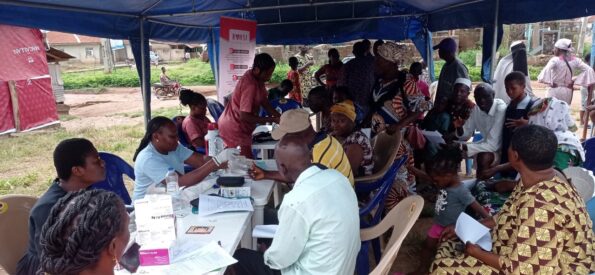
- Organise free or subsidised medical screening camps in underserved communities, providing accessible blood pressure checks, BMI measurements, and basic health consultations as we do at ROHSI. This can also be expanded when in partnership with local healthcare providers.
- Work with pharmaceutical companies and healthcare providers to explore avenues for making essential medications for hypertension management more affordable and accessible. Establish networks to connect individuals with medical professionals where necessary for ongoing care.
- Implement robust follow-up programmes for individuals identified as having high-risk factors or diagnosed with conditions. This could involve community health workers, peer support groups, or regular check-ins to ensure adherence to treatment plans and lifestyle modifications. This sustained engagement is crucial for long-term behaviour change.
The relationship between obesity and hypertension is complex, but by working together, we can make a difference. By working together—individuals, policymakers, and nonprofits—we can curb this epidemic. Let’s work together to create a healthier future for ourselves and future generations! Let’s promote healthier lifestyles, advocate for better policies, and ensure no one is left behind in the fight for a healthier Nigeria.
Join #ROHSI3 in this mission! Together, we can save lives.

Dec 30, 2024 | Healthy Moves
GOOD TO GREAT! TAKE YOUR WORKOUT TO THE NEXT LEVEL IN 2025
Friends, whether we go for short walks around our neighbourhood, sprint through 10-kilometre bike rides, or sweat it out at the gym, at some point we’ll think, “This isn’t as hard as it used to be!”
That’s good progress. But it might be time to move on.
We may have gotten so used to our routine that it’s simply too easy now. To get faster or stronger, or just beat boredom, it’s time to change things up.
It’s a fact: The best way to keep building muscle mass or burning calories is to make it a habit to switch up our workout—especially when we notice that our current plan has become comfy. It keeps us on our toes. We’re ready to turn our walks into jogs, lift heavier weights, or swim faster than we might have thought we ever would.
Get ‘FITT’
First, think about what we could do differently. Use the “FITT” principle of exercise—frequency, intensity, time, and type—to guide you.
Frequency: How many days a week do we work out?
If it’s twice a week, we should try to add a third day and see how it goes.
Intensity: How hard do we exercise?
Do we reach our target heart rate? That will help us boost our fitness. Our maximum heart rate is about 220 minus our age. Our target heart rate zone is 50% to 85% of that.
If we don’t want to do the math, ask ourselves if we feel like we’re really pushing ourselves or if the activity feels pretty easy. Could we work a little harder, whether that means picking up the pace or adding more weight or resistance?
Time: How long are our workouts?
If we jog for 20 minutes, we should try to keep it going for 30. Strolling around the neighbourhood for 45 minutes? Go a few blocks farther and make it 60.
Type: What specific exercises are you doing?
Consider going from walking to jogging, jogging to running, or adding a completely new activity—biking, swimming, Pilates, weight training, etc.
Turn to a Pro or a Pal
Consider a session or two, or more, with a certified personal trainer. They can help tweak our plan, whether we’re working toward a marathon or we want to lose those last 10 kgs. And they can make sure we don’t make too many changes too fast.
If we’re not interested in hiring someone—maybe getting professional help seems too expensive or time-consuming—we could team up with a workout buddy. It makes us more likely to stick with the plan and show up.
For the best results, we should pick a partner who’s slightly fitter than we are. Research shows that working out with a person who’s in better shape can motivate us to push ourselves harder.
Reap the Benefits
We need some extra incentive to get out of our current comfort zone. We can opt to “reward” ourselves for meeting mini goals along the way.
We can focus on small treats that aren’t food. For example, we could plan to go to a concert, get a manicure, or buy a pair of shoes we like after we’ve met our workout goals for the month/year.
Even better, we can steer ourselves away from tangible items and focus on how getting fitter would benefit our life. Do we want more energy to play with our kids or grandkids? Better sleep? Be in shape for an active vacation halfway around the world? Cross the finish line at a race or even take home a medal.
It’s all possible if we push ourselves just a bit further, over and over.
Courtesy! Rays of Hope Support Initiative and WebMD
Aug 15, 2024 | Healthy Moves
HYPERTENSION AND SPORTS
Awareness of hypertension risks and management is key for athletes, and those regularly involved in sports
Every 4 years the Olympic Games put health and athletics under the spotlight. It’s estimated that a quarter of the world’s population has hypertension. Perhaps counterintuitively this includes professional athletes and individuals involved in leisure time sports activities. Several studies have found a beneficial relationship between increased physical activity and reduced blood pressure. Consequently, physical exercise is often recommended by healthcare professionals to prevent, manage, and treat hypertension.1
However, the prevalence of hypertension may vary from sport-to-sport and in some cases may even be higher in athletes competing in certain disciplines than in the general population. Hypertension is the most common medical condition in athletes and may raise concerns about its management and the individual’s eligibility for competitive sports.1
The dual role of exercise in hypertension
Exercise is a well-established component in the prevention and management of hypertension. Regular physical activity helps reduce blood pressure by improving heart efficiency, reducing arterial stiffness, and promoting weight loss. However, for athletes, especially those involved in high-intensity sports, the relationship between exercise and blood pressure can be more complex.1
The unique challenges of hypertension in athletes
Athletes face unique challenges when it comes to hypertension, and understanding these challenges is crucial for effective management:
- Masked hypertension and exercise-induced hypertension (EIH):
- Masked hypertension is where athletes experience normal blood pressure at rest but this is elevated during physical exertion or stress. This condition is particularly dangerous because it often goes undiagnosed and untreated.
- Exercise-induced hypertension (EIH) is characterized by elevated blood pressure during exercise. While occasional increases in blood pressure are normal during physical activity, sustained high blood pressure during or after exercise can indicate a predisposition to hypertension.
- Impact of performance-enhancing substances:
The use of performance-enhancing drugs, including steroids and stimulants, can significantly increase blood pressure. Athletes who use these substances are at a higher risk of developing hypertension.2
- Elite athletes and left ventricular hypertrophy (LVH):
A study to ascertain whether there was an association between high blood pressure and LVH concluded that while prevalence of hypertension in athletes varied considerably, the type and intensity of training might contribute towards higher BP. In addition, high BP may be associated with LVH.3
By addressing these specific challenges, athletes and their healthcare providers can better manage and mitigate the risks associated with hypertension, ensuring optimal performance and long-term health.
Recognising symptoms and risks
Symptoms of hypertension are often subtle and can be mistaken for other sports-related issues such as fatigue or overtraining. Common symptoms include headaches, dizziness, shortness of breath, and chest pain. Regular blood pressure measurement is essential for early detection, especially for athletes involved in high-intensity or endurance sports.4
What can athletes do to better manage the risks of hypertension?
- Regular BP monitoring – home blood pressure monitoring (HBPM) is a convenient and flexible way to both measure and track blood pressure, outside of the clinical setting.
- Lifestyle modifications – reducing salt, increasing potassium, and eating a balanced diet rich in fruits, vegetables, and whole grains are essential.4
- Medication – sometimes antihypertensive medications may be required. Athletes should work closely with healthcare providers to find suitable medications.
- Avoiding performance-enhancing substances – steering clear of substances that can elevate blood pressure, such as anabolic steroids, is crucial.2
- Stress management – mental stress can contribute to high blood pressure. Techniques such as mindfulness, meditation, and adequate rest are important for managing stress levels.
The roles of coaches and healthcare professionals
Coaches and healthcare professionals play a vital role in managing hypertension in athletes. Providing education on the importance of regular blood pressure measurement and healthy lifestyle choices is essential. Additionally, creating an environment where athletes feel comfortable discussing health concerns could lead to better management and prevention strategies.
In conclusion
Hypertension in sports is a multifaceted issue requiring a comprehensive approach to management. By understanding the unique risks associated with high-intensity exercise, performance-enhancing substances, and the possibility of physiological changes, athletes and their support teams can develop effective strategies to manage hypertension.
Regular blood pressure monitoring, lifestyle modifications, and appropriate medical interventions are key to ensuring that athletes maintain both their health and their competitive edge. By addressing hypertension proactively, athletes can continue to perform at their best while safeguarding their long-term cardiovascular health.

May 26, 2024 | Healthy Moves
Love is beautiful, and for many singles, the path leads towards marriage and starting a family. But before we walk down the aisle, there’s an important conversation and a simple test that can significantly impact our future children’s health: understanding blood genotypes.
Blood genotypes refer to the specific genetic makeup of our red blood cells, particularly the haemoglobin protein that carries oxygen throughout our body. Knowing our genotype, especially for conditions like sickle cell anaemia, empowers couples to make informed decisions about their family planning.
Sickle cell anaemia is an inherited blood disorder. People with sickle cell anaemia have an abnormal form of haemoglobin, causing their red blood cells to become sickle-shaped instead of round and flexible. These sickle-shaped cells get stuck in narrow blood vessels, blocking oxygen flow and causing immense pain, organ damage, infections, and fatigue.
Sickle cell anaemia is a genetic condition passed down from parents to children. Here’s how genotype plays a crucial role:
AA Genotype! This is considered the normal, healthy genotype. Individuals with AA have two healthy copies of the haemoglobin gene and are unlikely to pass on sickle cell disease.
AS Genotype: This is the carrier state. People with AS have one normal copy and one sickle cell copy of the gene. They typically don’t experience symptoms themselves but can pass on the sickle cell trait to their children.
SS Genotype: This genotype signifies sickle cell disease. Individuals with SS inherit two sickle cell copies, resulting in the development of the disease.
Now, let’s see how genotype compatibility comes into play when planning a family:
AA and AA couple: There’s no risk of passing sickle cell disease to children.
AA and AS couple: There’s a 50% chance each child will inherit the sickle cell trait (AS) but won’t have the disease.
AS and AS couple: There’s a 25% chance of having a healthy child (AA), a 50% chance of having a child with the sickle cell trait (AS), and a 25% chance of having a child with sickle cell anaemia (SS).
SS and any other genotype couple: All children will inherit the sickle cell trait (AS) and have a 50% chance of developing sickle cell anaemia if they inherit another sickle cell gene from the partner.
While sickle cell anaemia is a major concern, there are other blood genotype considerations for couples:
Rhesus factor incompatibility! This incompatibility between the Rhesus factor proteins in a mother’s and baby’s blood can lead to complications during pregnancy. A simple blood test can identify potential issues and allow for proper medical management.
Blood type compatibility! While not directly linked to genetic diseases, blood type incompatibility can cause problems during pregnancy and delivery. Again, a simple blood test can determine compatibility.
Getting a blood genotype test is a simple and painless process. Many hospitals and clinics around us offer these tests, often included in premarital screening packages. Knowing our genotype empowers you to:
Reduced risk of sickle cell anaemia in children! By understanding ours’s and our partner’s genotypes, we can minimise the risk of our children inheriting sickle cell disease.
Early diagnosis and management! If you’re a carrier (AS), prenatal testing can help identify sickle cell anaemia in the developing baby, allowing for early intervention and improved outcomes.
Informed family planning! Knowing our genotype allows for open communication with our partner about potential risks and exploring options like genetic counselling or prenatal diagnosis.
Prepare for a healthy pregnancy! Early detection of potential risks allows for proper medical management during pregnancy, ensuring the best possible outcome for both mother and child.
We must all understand that our blood genotype doesn’t diminish our love or commitment. It’s a proactive step towards a healthy future for ourselves and our potential family. By getting tested and having open conversations, we can embark on a journey of informed parenthood, minimising risks and maximising the chances of welcoming healthy children into the world.
Remember, as Christians, a happy marriage is built on love, trust, and open communication. We must add informed decision-making to that list for a truly fulfilling journey together.
Courtesy: Benjamin Olorunfemi For Rays of Hope Support Initiative
