
Feb 14, 2026 | Healthy Tips
Anita Sabidi
The myth of the supermom: embracing vulnerability with Type 1 Diabetes
Motherhood is often painted as a story of strength, resilience, and endless sacrifice. As mothers, we are expected to be the pillars of our families—the ones who hold everything together no matter what. But living with Type 1 diabetes for more than two decades has taught me that being a mother does not mean being invincible. In fact, one of the most valuable lessons I’ve been able to share with my children is that their mama is not a superwoman. I can be strong, yes, but I can also be vulnerable. And that’s okay.
Type 1 Diabetes is a family affair: when daily rituals become childhood memories
Every day with diabetes is a balancing act. Managing insulin, blood sugar checks, and the unpredictability of the condition can feel like carrying an invisible load. Yet this journey is not mine alone—it has become a family affair. My children have grown up witnessing my daily rituals with insulin injections and blood glucose monitoring. What might seem routine to me is part of their childhood memories, shaping how they understand care, responsibility, and empathy.
“Cover mama!”: how my kids became my little bodyguards
One of the sweetest moments happens whenever it’s time for my insulin shot in public. Without being asked, my kids instinctively take position around me, shielding me from curious stares. “Cover Mama!” they say, forming a protective circle as I inject. In those little moments, I see their love, their awareness, and their willingness to step into the role of supporters. They are my little bodyguards, and I treasure that more than words can describe.
Why sharing my needs is a lesson in strength, not a burden
Some might think children shouldn’t have to carry that kind of responsibility. But I see it differently. By sharing my vulnerabilities with them, I am teaching them important lessons about life: that strength is not about pretending to be unbreakable, but about acknowledging our needs and asking for support. That caring for one another is not a burden, but an act of love.
Authenticity over perfection: what my children taught me about Type 1 Diabetes resilience
Motherhood with diabetes has also shown me that I don’t have to live up to the impossible standard of being a superwoman. My kids don’t need perfection; they need authenticity. They need to see that it’s human to struggle, to adapt, and to keep going despite the challenges. They need to know that resilience comes not from denying vulnerability, but from embracing it.
So yes, I am a mother living with diabetes. I am a caregiver, but I am also someone who needs care. And in this shared journey, my children and I are learning together—that family is not about one person carrying it all, but about supporting each other through life’s highs and lows.
Conclusion
In the end, I hope my children grow up knowing this truth: that their mama’s greatest strength is not being superhuman but being real.
https://hellotype1.com/en/articles/motherhood-and-type-1-diabetes-why-showing-vulnerability-made-me-a-stronger-mom
Sep 1, 2025 | Healthy Tips
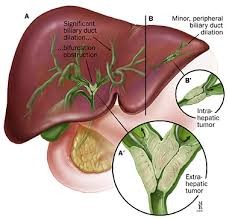
Cholangiocarcinoma, also known as bile duct cancer, is a rare and aggressive form of cancer that originates in the bile ducts. These ducts play a crucial role in digestion by transporting bile from the liver to the gallbladder and small intestine. Bile is a fluid that helps the body digest fats.
Benjamin Olorunfemi
Cholangiocarcinoma, also known as bile duct cancer, is a rare and aggressive form of cancer that originates in the bile ducts. These ducts play a crucial role in digestion by transporting bile from the liver to the gallbladder and small intestine. Bile is a fluid that helps the body digest fats.
Cholangiocarcinoma cancer is classified based on its location:
- Intrahepatic cholangiocarcinoma! Begins in the bile ducts within the liver.
- Extrahepatic cholangiocarcinoma! Begins in the bile ducts outside the liver and is further divided into perihilar (at the point where the main bile ducts leave the liver) and distal (further down the bile duct).
A key challenge with this cancer is that it often doesn’t show symptoms in its early stages. By the time symptoms appear, the cancer has often spread, making it difficult to treat effectively.
Currently, there’s no strong evidence showing a major surge in cholangiocarcinoma specifically in Nigeria or among people of African descent. However, some risk factors linked to this cancer (like liver fluke infections, hepatitis B/C, and cirrhosis) are present in Nigeria, which could contribute to cases.
Symptoms of cholangiocarcinoma can be subtle and often don’t appear until the disease is advanced. They can include:
- Jaundice (yellowing of the skin and whites of the eyes)
- Itchy skin
- Dark urine and pale, greasy stools
- Unexplained weight loss and loss of appetite
- Abdominal pain, especially on the right side under the ribs
Treatment options depend on the stage and location. They can include:
- Surgery! The primary treatment, when possible, is to remove the tumour. This may involve removing a portion of the bile duct or even part of the liver.
- Liver Transplant! In some specific cases, a liver transplant may be a curative option, particularly for certain types of hilar cholangiocarcinoma.
- Chemotherapy! Uses drugs to kill cancer cells and can be used to slow the disease and relieve symptoms in advanced cases.
- Radiation Therapy! Uses high-powered energy beams to destroy cancer cells.
- Other therapies! These can include targeted drug therapy, immunotherapy, or procedures like biliary drainage to relieve symptoms caused by blockages.
Challenges in Nigeria
Survival rates for cholangiocarcinoma in Nigeria are low due to several challenges, including:
– Late diagnosis! Many cases are diagnosed at an advanced stage, making treatment more difficult.
– Limited access to healthcare! Many Nigerians lack access to quality healthcare services, including cancer diagnosis and treatment.
– Lack of awareness! There is a need for increased awareness about cholangiocarcinoma and its symptoms.
– Alcohol & Aflatoxin Exposure! Heavy alcohol use and contaminated foods (like poorly stored grains) increase liver disease risk.
– Financial Barriers! The cost of diagnostics and treatment is often a major hurdle for patients. Without adequate health insurance or government support, many people simply cannot afford the care they need.
– Weak Advocacy! While cancer advocacy groups are growing in Nigeria, the movement is still in its early stages. Stronger advocacy is needed to prioritise cancer control on the national health agenda.
Ways Out (Solutions):
- Better Awareness – Educate people on symptoms (jaundice, abdominal pain, weight loss).
- Early Screening – Regular check-ups for high-risk groups (hepatitis patients, those with liver disease).
- Improved Sanitation – Reduce liver fluke infections with clean water and food safety.
- Vaccination – The hepatitis B vaccine can lower liver cancer risks.
- Access to Treatment – More cancer centres and affordable care for early detection and surgery/chemotherapy.
- Support research: Encourage research into the causes and treatment of cholangiocarcinoma.
Cholangiocarcinoma is rare but deadly, especially when caught late. Early detection saves lives. So, if someone has prolonged jaundice, unexplained weight loss, or severe itching, they should see a doctor immediately.
The ROHSI team is saying you can help in this fight against the surge of cancer-related help by:
- Share this article and other resources about cholangiocarcinoma with your network.
– Offer emotional support and connect individuals with resources and services.
– Advocate for increased funding and resources for cholangiocarcinoma research and treatment.
Together, we can make a difference and improve the lives of those affected by cholangiocarcinoma in Nigeria. Get involved today.
Rays of Hope Support Initiative (ROHSI)
Aug 17, 2025 | Healthy Tips
Cervical Cancer
Temitope Adebayo
M.Sc. Industrial Microbiology & Biotechnology | Microbiologist | Research Assistant | Biotech Enthusiast
Introduction
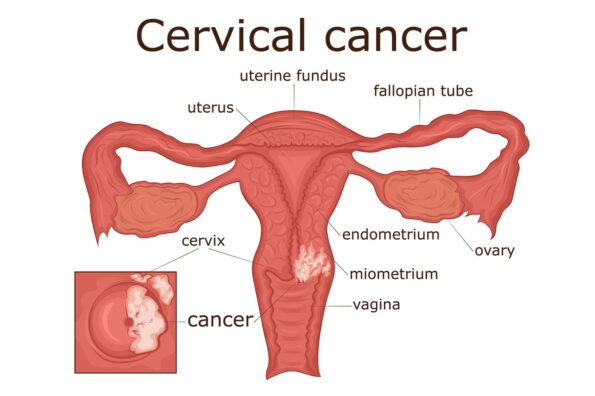
Cervical cancer is a malignant tumour arising from the cells of the cervix — the lower part of the uterus that connects to the vagina. It is one of the most common cancers affecting women worldwide, particularly in low- and middle-income countries. According to global estimates, cervical cancer caused approximately 604,000 new cases and 342,000 deaths in 2020 (WHO, 2022).
Recent years have seen intensified efforts toward elimination. In June 2025, global leaders convened at the second Global Cervical Cancer Elimination Forum in Bali, reaffirming commitments to the WHO’s 90-70-90 targets: 90% HPV vaccination by age 15, 70% screening by ages 35 and 45, and 90% treatment of detected cases. Early detection and prevention are crucial, as the disease is highly preventable and treatable when found in its early stages.
Anatomy and Function of the Cervix
The cervix serves as the gateway between the uterus and vagina. It plays an important role during menstruation, pregnancy, and childbirth. It also produces mucus that changes consistency during the menstrual cycle to either facilitate or block sperm entry.
Causes and Risk Factors
The primary cause of cervical cancer is persistent infection with high-risk types of the human papillomavirus (HPV), especially HPV types 16 and 18, which together account for about 70% of cases (Arbyn et al., 2020). Other risk factors include early onset of sexual activity, multiple sexual partners, smoking, prolonged use of oral contraceptives, a weakened immune system (e.g., HIV infection), and a family history of cervical cancer (CDC, 2023)
Pathophysiology
HPV infects the epithelial cells of the cervix, integrating its DNA into the host genome. This disrupts normal cell cycle control, leading to the production of viral oncoproteins E6 and E7, which inactivate tumour suppressor proteins p53 and Rb. Over time, infected cells may progress from cervical intraepithelial neoplasia (CIN) to invasive carcinoma (Bhatla & Singhal, 2020).
Signs and Symptoms
In its early stages, cervical cancer often produces no noticeable symptoms. As the disease progresses, common signs may include abnormal vaginal bleeding (after intercourse, between periods, or after menopause), foul-smelling vaginal discharge, pelvic pain, and pain during sexual intercourse (WHO, 2022).
Screening and Diagnosis
Routine screening is critical for detecting precancerous changes. Common methods include:
- Pap smear: Detects abnormal cervical cells.
- HPV DNA testing: Identifies high-risk HPV strains.
- Visual inspection with acetic acid (VIA): Used in low-resource settings.
If abnormalities are detected, colposcopy and biopsy are performed for confirmation (Koh et al., 2019).
Staging of Cervical Cancer
The FIGO (International Federation of Gynaecology and Obstetrics) staging system classifies cervical cancer based on tumour size, spread to lymph nodes, and metastasis. Staging helps determine the most appropriate treatment plan (Bhatla & Singhal, 2020).
Treatment Options
- Treatment depends on the stage:
- Early-stage: Surgical removal (conisation, hysterectomy).
- Locally advanced: Radiotherapy with concurrent chemotherapy.
- Advanced stage: Palliative care, targeted therapy, and immunotherapy may be considered (Koh et al., 2019).
Prevention
The most effective preventive measures include:
HPV vaccination: Recommended for girls (and boys) before sexual debut, typically between ages 9 and 14.
Safe sexual practices: Limiting the number of partners and using condoms.
Regular screening: Even vaccinated women should be screened, as vaccines do not cover all HPV strains (WHO, 2022).
Global and Regional Statistics
Cervical cancer remains a major public health issue in sub-Saharan Africa, South-East Asia, and parts of Latin America, where screening programmes are less accessible. The WHO aims to eliminate cervical cancer as a public health problem by achieving 90% HPV vaccination coverage, 70% screening coverage, and 90% treatment for detected disease by 2030 (WHO, 2020).
Challenges in Management
Barriers include limited access to vaccines, screening facilities, and cancer treatment centres in low-resource settings. Cultural beliefs, stigma, and lack of awareness also reduce participation in preventive programmes (Arbyn et al., 2020).
Conclusion
Cervical cancer is both preventable and treatable, yet it continues to claim hundreds of thousands of lives each year. Strengthening HPV vaccination programmes, ensuring regular screening, and improving access to treatment are essential steps toward elimination. Awareness and education remain powerful tools in this fight.
References
1. Arbyn, M., et al. (2020). Estimates of incidence and mortality of cervical cancer in 2018: a worldwide analysis. *The Lancet Global Health*, 8(2), e191–e203.
- Bhatla, N., & Singhal, S. (2020). Primary management of cervical cancer: Society of Gynaecologic Oncology consensus guidelines. *Gynaecologic Oncology*, 157(3), 481–493.
3. CDC. (2023). Cervical Cancer. Retrieved from [https://www.cdc.gov/cancer/cervical](https://www.cdc.gov/cancer/cervical)
4. Koh, W.-J., et al. (2019). Cervical Cancer, Version 3.2019, NCCN Clinical Practice Guidelines in Oncology. *Journal of the National Comprehensive Cancer Network*, 17(1), 64–84.
- WHO. (2020). Global strategy to accelerate the elimination of cervical cancer as a public health problem. World Health Organisation.
6. WHO. (2022). Cervical Cancer Fact Sheet. Retrieved from [https://www.who.int/news-room/fact-sheets/detail/cervical-cancer] (https://www.who.int/news-room/fact-sheets/detail/cervical-cancer)

May 31, 2025 | Healthy Tips

Every year on May 31, the world observes World No Tobacco Day (WNTD), a global initiative led by the World Health Organisation (WHO) to raise awareness about the dangers of tobacco use and advocate for stronger policies to reduce its consumption. This year’s theme, “Unmasking the Appeal”, focuses on the deceptive strategies employed by the tobacco and nicotine industries to attract new users, particularly young people.
As a leading non-communicable diseases (NCDs) support organisation based in Ibadan, Oyo State, Nigeria, Rays of Hope Support Initiative (ROHSI) stands with the global community in amplifying the call for tobacco control, public health protection, and policy enforcement.
The global tobacco epidemic is a formidable threat, claiming over 8 million lives annually worldwide. Of these, more than 7 million deaths are a direct result of tobacco use, while an alarming 1.3 million deaths are due to non-smokers being exposed to second-hand smoke. This exposure is a critical concern for ROHSI, as it also significantly increases the risk of NCDs in non-smokers.
In Nigeria, the situation is alarming:
- 3.4 million Nigerians (2.9% of adults aged 15+) smoke tobacco (2022 data).
- Male smokers (5.4%) far outnumber female smokers (0.4%).
- Tobacco-related diseases – cancer, heart disease, respiratory illnesses, and stroke – place a heavy burden on Nigeria’s healthcare system.
- Economic losses from tobacco-related illnesses and productivity decline further strain families and the nation.
While reports, such as one from the Tribune newspaper, suggest higher smoking prevalence in some northern states, ROHSI emphasises that tobacco use and its link to NCDs is a pressing issue across all regions, including Oyo State.
At ROHSI, we see firsthand the devastating impact of tobacco on individuals and families affected by NCDs here in Ibadan and across Nigeria.
This World No Tobacco Day, under the theme ‘Unmasking the appeal’, we urge a united front to expose the tobacco industry’s tactics that endanger our youth and perpetuate the cycle of NCDs. The first and most crucial step towards a healthier life, free from the threat of many NCDs, is to say NO to tobacco.
ROHSI encourages every Nigerian to reflect on the popular calls to action: “Breathe clean, live green. Quit tobacco today.”
The ROHSI team challenges every individual in Ibadan, Oyo State, and throughout Nigeria to consider making this powerful pledge: “Today, I am pledging to quit all forms of tobacco and nicotine, including cigarettes, smokeless tobacco products, heated tobacco products, e-cigarettes, nicotine pouches, shisha, and other harmful products, for my health and the health of my community.”
Join us in educating others on the dangers of tobacco and industry tactics, support smoke-free policies in workplaces, schools, and public spaces, advocate for stronger tobacco control laws in Nigeria, and help promote cessation programmes through counselling and support.
Together, we can unmask the truth and build a healthier, tobacco-free Nigeria!
About ROHSI:
Rays of Hope Support Initiative (ROHSI) is a Nigerian non-profit organisation based in Ibadan, Oyo State, dedicated to combating non-communicable diseases (NCDs) through awareness, advocacy, and community support programmes.
#NoTobacco #TobaccoFreeGeneration #PublicHealth #WHO_Africa #WorldNoTobaccoDay #ROHSI3 #Nigeria #Africa #Ibadan #NCDs #WHO_Nigeria #WHO_Africa #WHO #TobaccoFree #QuitSmoking #HealthForAll #NNNGO #NCDAlliance #TobaccoFreeNigeria #HealthForAll #FMoH #NPHCDA #NIgerian

Dec 29, 2024 | Healthy Tips
Dear ROHSI Community,
As we embark on a new year, let’s prioritise our health. Non-communicable diseases (NCDs) like hypertension, diabetes, obesity, and high cholesterol are often called “silent killers” because they can develop without noticeable symptoms.
In 2025, we want us all to see the reason why adopting healthy living matters:
Going for early medical screening/detection saves lives: You going for your regular medical checkups is crucial for early detection and management of NCDs, especially hypertension, diabetes, and others.
It helps in adopting preventative measures! Adopting a healthy lifestyle can significantly reduce your risk of developing or worsening these conditions.
Improved Quality of Life! Healthy habits lead to increased energy levels, better sleep, and an overall improved quality of life.
What are the steps to a healthier 2025?
Healthy eating! Focus on a balanced diet rich in fruits, vegetables, whole grains, and lean protein. Limit processed foods, sugary drinks, and excessive salt intake.
Regular Exercise! Aim for at least 150 minutes of moderate intensity exercise most days of the week. You can start with 30 minutes and, with time, increase it to more minutes.
Maintain a Healthy Weight! If you are overweight or obese, consult a healthcare professional for personalised advice on weight management.
Manage your stress! Practicing stress-reducing techniques like meditation, yoga, or spending time in nature, or taking your mind off those activities that can lead to stress, will go a long way in making you healthy.
Regular Checkups! Seat with your medical team, schedule, and attend regular medical checkups, including blood pressure, blood sugar, and cholesterol screenings, among other recommended tests. All towards your wellness
Remember this! Making small, sustainable changes to your lifestyle can have a significant impact on your overall health, and consulting with a healthcare professional for personalised advice and support will go a long way in some of the avoidable health crises that can threaten our health and wellness as we age.
Lastly, always consult with a qualified healthcare professional for any health concerns or before making any decisions regarding your health.
Let’s make 2025 a year of prioritising our health and well-being.
Sincerely,
The ROHSI Management Team

Oct 6, 2024 | Healthy Tips
Every October, World Cerebral Palsy Day unites communities around the globe to raise awareness and promote inclusivity for individuals living with cerebral palsy (CP). This annual event provides an opportunity to shine a light on the challenges faced by those with CP while celebrating their achievements and potential. At cerebralpalsyguidance.com, we are committed to offering resources and support to individuals with cerebral palsy and their families. This article explores the significance of World Cerebral Palsy Day, available support, and how we can all contribute to a more inclusive society.
Understanding Cerebral Palsy
Cerebral palsy is a neurological disorder that affects movement, balance, and posture. It is the most common motor disability in childhood, resulting from abnormal brain development or damage. The effects vary widely among individuals, with some managing to walk independently while others rely on wheelchairs or other assistive devices.
The Significance of World Cerebral Palsy Day
Observed on October 6th, World Cerebral Palsy Day serves as a platform to amplify the voices of individuals with CP and advocate for their rights. The day encourages participation in activities that promote awareness and inclusion, ranging from sharing personal stories to organizing community events. Learn more about global initiatives at the World CP Day official site.
Raising Awareness and Education
Awareness is crucial for fostering understanding and support for individuals with CP. Educating the public can dispel myths and reduce stigma, creating a more inclusive environment. Schools, workplaces, and communities can implement awareness programs to ensure everyone is informed about the challenges and capabilities of individuals with CP. Discover educational resources at Cerebral Palsy Alliance.
Cerebral Palsy and Diabetes
A critical aspect of cerebral palsy is its association with other health conditions, such as diabetes. Studies indicate an increased risk of diabetes in individuals with CP, partly due to reduced mobility and obesity. Furthermore, maternal diabetes has been linked to a higher risk of CP in infants, highlighting the importance of managing diabetes during pregnancy. For more on this connection, visit the Mayo Clinic’s guidance on diabetes and pregnancy.
Support and Resources
Support extends beyond awareness, encompassing access to therapy, educational support, and financial assistance. Therapies like physical, occupational, and speech therapy are vital for skill development and mobility maintenance. Educational support through individualized education programs (IEPs) ensures that children with CP receive tailored learning experiences. Financial assistance is available to help cover medical care, therapy, and adaptive equipment costs. Explore financial assistance options.
Technological Advancements
Innovations in technology have opened new avenues for supporting individuals with CP. Assistive technologies, such as communication devices and adaptive equipment, enhance independence and quality of life. For the latest in assistive technology, visit AbleData’s assistive technology resources.
Community and Advocacy
Building a supportive community is essential for empowering individuals with CP. Advocacy groups and online communities offer platforms for sharing experiences and influencing policy changes. Joining advocacy groups can promote better inclusion and accessibility in society. Check out Cerebral Palsy Foundation’s advocacy efforts.
Celebrating Achievements
World Cerebral Palsy Day is also a time to celebrate the achievements of people with CP. Stories of success and determination inspire others and challenge societal perceptions. Highlighting these achievements honors their hard work and motivates others to pursue their dreams. For inspiring stories, visit Cerebral Palsy News Today’s success stories.
How You Can Get Involved
There are numerous ways to participate in World Cerebral Palsy Day. Whether through volunteering, fundraising, or spreading awareness, your involvement can make a difference. Volunteering at local events or supporting organizations dedicated to CP can amplify their efforts. To find volunteering opportunities, visit VolunteerMatch.
Conclusion
World Cerebral Palsy Day is more than a day of recognition; it’s a call to action for all of us to contribute to a more inclusive and understanding world. By raising awareness, supporting advocacy, and providing resources, we can help those with cerebral palsy lead fulfilling lives. Let us all celebrate this day by embracing diversity and empowering those with cerebral palsy to reach their full potential.
https://www.cerebralpalsyguidance.com/
