Apr 20, 2021 | Healthy Tips
HOW TO MANAGE HIGH CHOLESTEROL
Rotimi Adesanya
Cholesterol is made by the liver. It is a waxy substance that the body uses to build cells, among other processes. It is a type of fat also called a lipid. It travels through the bloodstream in tiny molecules wrapped inside proteins. These packages are called lipoproteins. Low-density lipoproteins (LDL) is one of the main types of lipoproteins in the blood. The other main type is high-density lipoproteins (HDL). A third type of lipid, called a triglyceride, also circulates in the blood. The body still needs a little cholesterol for healthy digestion and to make vitamin D and certain hormones.
Causes:
Eating too many foods that are high in cholesterol, saturated fats, and trans fats may increase the risk of developing high cholesterol. Other lifestyle factors can also contribute to high cholesterol. These factors include inactivity and smoking. The genetics can also affect ones chances of developing high cholesterol. If the parents have high cholesterol, the offspring are at higher risk of having it too.
Symptoms:
In most cases, high cholesterol is a “silent” problem. It typically doesn’t cause any symptoms. Many people don’t even realize they have high cholesterol until they develop serious complications, such as a heart attack or stroke.
Complications:
If left untreated, high cholesterol can cause plaque to build up in the arteries. Over time, this plaque can narrow your arteries. This condition is known as atherosclerosis. Atherosclerosis can result in many life-threatening complications, such as: stroke, heart attack, angina (chest pain), high blood pressure, peripheral vascular disease, chronic kidney disease. High cholesterol can also create a bile imbalance, raising your risk of gallstones.
Laboratory Tests:
A cholesterol screening test is collectively reffered to as the Lipid Profile and is normally done in the morning before taking breakfast. Cholesterol levels are measured in milligrams (mg) of cholesterol per decilitre (dL) of blood. Ideal results for most adults are:
Total Cholesterol: less than 200 mg/dL (the lower the number, the better)
LDL: 70 to 130 mg/dL (the lower the number, the better)
HDL: more than 40 to 60 mg/dL (the higher the number, the better)
triglycerides: 10 to 150 mg/dL (the lower the number, the better)
Dietary Advice:
Following dietary guidelines, there are no specific recommended limits for the amount of cholesterol one consumes from food. But it’s still important to pay attention to the food that one eats in order to keep the body’s cholesterol levels in a healthy range.
Doctors now recommend that one limits the amount of harmful saturated fats, trans fats, and added sugars in the diet. You should also keep an eye on your cholesterol intake since foods that are high in cholesterol also tend to be high in saturated fats.
Cholesterol itself is only found in animal-based foods, including meat, dairy products, seafood, egg yolks, butter. Shrimp is high in cholesterol but very low in saturated fat.
Cholesterol-free foods…. There’s no cholesterol in foods like fruits, vegetables, grains, nuts. These are also all part of a healthy well-balanced diet.
Read Also:
Foods that are high in saturated fats and should be limited include: red meat and pork, baked goods, such as cakes and cookies, cheese, pizza, ice cream, processed meats, such as sausages, fried foods.
Foods containing unhealthy trans fats, which should be avoided, include fried foods, packaged foods with “hydrogenated oils” in the ingredients list baked goods, such as cakes, pies, and cookies, margarine, microwave popcorn, frosting.
Foods that contain healthy unsaturated fats, which you should eat, include olive, peanut, canola, safflower, and sunflower oils, avocados, most nuts, but especially walnuts, most seeds.
Treatment:
Cholesterol medications: In some cases, your doctor might prescribe medications to help lower your cholesterol levels. Statins are the most commonly prescribed medications for high cholesterol. They block the liver from producing more cholesterol.
Prevention:
Genetic risk factors for high cholesterol can’t be controlled. However, lifestyle factors can be managed.
To lower your risk of developing high cholesterol:
Eat a nutritious diet that’s low in cholesterol and animal fats, and high in fibre like oat bran, found in oatmeal and whole oats.
Avoid excessive alcohol consumption.
Maintain a healthy weight.
Exercise regularly.
Don’t smoke.
In conclusion, Pay attention to the saturated and trans fats on the food labels, as well as added sugars. The less of these one consumes, the better. No more than 10 per cent of one daily calorie should come from either saturated fats or added sugars. Don’t worry about eating enough cholesterol. The body makes enough whether or not one consumes it. Eat healthier, unsaturated fats. Try replacing butter with extra virgin olive oil in cooking, Eat lean cuts of meat, and snack nuts and seeds instead of French fries or processed snack foods.
Apr 20, 2021 | Healthy Tips
#Hypertension in pregnancy(HIP) is defined as systolic blood pressure of 140/90mmHg.It could be described as chronic, gestational, preeclampsia or eclampsia depending on the gestational period, the tendency for postpartum resolutions, presence of proteinuria or convulsion. Hypertension in pregnancy affects close to 22 percent of pregnancies in developing countries such as Nigeria.
High blood pressure during pregnancy can affect the development of the placenta, causing the nutrient and oxygen supply to the baby to be limited. This can lead to early delivery, low birth weight, placental separation (abruption) and other complications for the baby.
During pregnancy, high blood pressure (hypertension) can affect the body in different ways than it normally would. Both mother and baby may be at increased risk of complications
What is high blood pressure (hypertension)?
Blood pressure is the force of blood pushing against blood vessel walls. The heart pumps blood into the arteries (blood vessels) that carry blood throughout the body. High blood pressure, also called hypertension, means that the pressure in the arteries is above the normal range.
Hypertension during pregnancy can impact the body in different ways than it normally would. Mothers with high blood pressure during pregnancy are at higher risk of complications before, during and after the birth. Not only is the mother’s health in danger, but the baby can be impacted by high blood pressure during pregnancy.
Hypertension complicates about 10 percent of all pregnancies. There are several different types of hypertension during pregnancy. These types vary in severity and impact on the body. The forms of high blood pressure during pregnancy include:
- Chronic hypertension- High blood pressure which is present prior to pregnancy
- Chronic hypertension with superimposed preeclampsia: It develops in someone who has high blood pressure before pregnancy.
- #Gestational hypertension: This type of hypertension is noted in the latter part of pregnancy, but no other signs or symptoms of preeclampsia are present. Some women will later develop preeclampsia, while others probably have chronic hypertension before the pregnancy.
- #Preeclampsia- A condition only found in the latter half of pregnancy and results in hypertension, protein in the urine, and generalized swelling in the mother. It can impact organs in the body and also cause seizures (eclampsia).
Who is at higher risk of hypertension during pregnancy?
A woman is more likely to develop high blood pressure during pregnancy if she;
- Is under age 20 and over age 40.
- Has a history of high blood pressure before becoming #pregnancy.
- Has had gestational hypertension or #preeclampsia during past pregnancies.
- Has a family history of hypertension.
- Is overweight
The danger of hypertension during pregnancy
High blood pressure during pregnancy can prevent the food supply for the baby in the womb from receiving enough blood. The lowered amount of blood to the placenta can lead to low weight.
Other complications;
Steps to safe delivery with hypertension during pregnancy
- Taking any blood pressure medication as prescribed
- Going to all prenatal visit
- Maintaining a healthy diet
- Follow all instructions from your healthcare regarding activity and exercise
- Having an early delivery if it is needed
Courtesy: Rays of Hope Support initiative #Rohsi3
www.rohsi.org;
www.facebook.com/rohsi3
; www.twitter.com/rohsi3; www.instagram.com/rohsinigeria/
Feb 18, 2021 | Healthy Tips
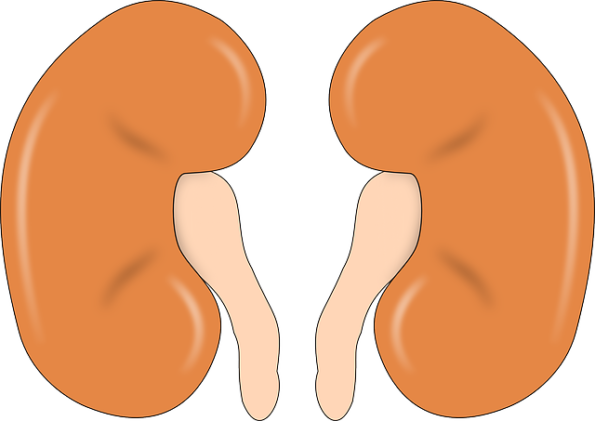
DISCOVER 10 WARNING SIGNS KIDNEYS THAT SHOULD NEVER IGNORE
Since the kidneys play a vital role in the body, one of the first steps in detecting kidney disease is to monitor its functionality by performing routine blood tests. If the kidney functions properly, Knowing the signs of kidney disease can also be helpful to detect the disease as early as possible. Here are 10 warning signs of kidney disease that you should never ignore.
High blood pressure: The first warning sign of kidney failure is high blood pressure. Blood vessels in the kidneys fail to transport the toxins out of the body. If left untreated, high blood pressure can damage your heart and your kidneys. A heart attack, in fact, is a likely result. High blood pressure is a silent threat to your health. You might never know you had it because the symptoms often come and go.
Frequent urination: Another sign of kidney disease, you should be aware of is frequent urination. Many people, especially women, suffer from frequent urination. Women suffer from frequent urination because their poorly functioning kidneys are unable to eliminate wastes as quickly as they need to. This means women go through their lives feeling like they are constantly urinating. If this sounds like you, it’s probably time to start considering how to take better care of your kidneys.
Heart disease: You also need to be aware of heart disease because that can be a sign of premature kidney failure. Heart disease, in particular, is a sign of kidney failure because the kidneys play a vital role in keeping the heart pumping. A failing heart is a sign of fluid retention in the arteries, which leads to high blood pressure. As you know, high blood pressure can lead to kidney failure and heart problems.
Foamy Urine: Another sign of kidney disease you should be aware of is foamy urine. It sounds harmless, but the truth is it can be very dangerous. Foamy urine contains a high number of proteins and sugars that can crystallize in the urinary tract. These crystallized proteins and sugars are then reabsorbed into the bloodstream. If a person has developed chronic kidney failure, their kidneys may not be able to process and eliminate these sugars and proteins in the urine. If this happens, this can result in the accumulation of calcium in the arteries, which can cause heart disease or kidney stones.
Toxic waste build-up: Another symptom of chronic kidney disease is blood cells called “toxic waste” building up in the kidneys. This waste protein can build up to five times faster than it is excreted from the body. Waste protein can cause damage to the kidneys, as well as damage to the rest of the body. One of the most common symptoms of kidney damage caused by toxic waste is an increased risk of stone formation. People with kidneys that work properly have normal levels of “neoprene” – a product that neutralizes excess elements in the urine – but people with kidneys that are unable to process and eliminate waste protein will develop kidney stones.
Unexplained weight loss: Another sign of kidney disease is unexplained weight loss. Some kidney failure sufferers lose large amounts of weight. The reason for this is not always known, but it is possible that the kidney is failing because it is unable to filter out toxins efficiently. When toxins get into the body, they tend to stay there and, over time, begin to cause disease.
Decrease in urine volume: The seventh sign of kidney failure is the decrease in urine volume or blood flow. This is usually accompanied by pain in the abdomen as well as abdominal bloating. Over time, the kidney loses the ability to excrete urine and tends to hold on to waste products instead. These wastes can become toxic if they are not excreted regularly and in the right amounts…
Pyelonephritis: The eighth warning sign of kidney disease that you should know, is recurrent kidney infections. This is usually referred to as pyelonephritis, and it occurs when bacteria get trapped in the cyst forms of the kidney. Cysts can then become inflamed until they burst, causing severe pain, and swelling in the surrounding area. The symptoms may not immediately show up after an infection has formed; therefore, it is important that you look for signs of kidney failure to determine if it is present. As with any other organ in your body, your kidneys also have a natural defence system that fights off invading organisms and bacteria…
Changes in the urine: The signs of kidney disease involving changes in the urine include a noticeable darkening of the urine, changes in the urine’s colour, and increased water content of the urine. If you are having a combination of these signs, then this could mean that you have already lost the ability of your kidney to filter toxins and waste materials from the bloodstream. This is one of the major signs of kidney failure. Other symptoms that are often associated with kidney failure are pain upon urination, swollen ankles, and legs, difficulty in walking, jaundice, loss of appetite, and diarrhea…
Blood in the urine: Another one of the signs of kidney failure that involves blood in the urine is hypernatremia, which means high amounts of calcium in the bloodstream. People who are suffering from hypernatremia may actually show no symptoms, as the high levels of calcium can only be detected through a special test called an anaemia blood test. There are also cases where hypernatremia may cause abdominal pains, vomiting, weakness, and cramps. Another common sign of kidney problem is the onset of chronic renal failure, which occurs when the kidney fails to keep up with the required amount of sodium in the bloodstream…
To conclude: If you experience two or more of these signs of kidney failure, don’t hesitate to go see your doctor. If you are having trouble urinating or you are experiencing blood in your urine, you should get yourself tested immediately. Even if you don’t have kidney failure, these conditions can show that you have high blood pressure and should be monitored. While kidney problems cannot be reversed, you can prevent them from progressing.
Dec 11, 2020 | Healthy Tips
- High blood pressure (hypertension) is defined as high pressure (tension) in the arteries, which are the vessels that carry blood from the heart to the rest of the body.
- Blood pressure readings are given as two numbers:
- The systolic blood pressure (the top number) equals the pressure in the arteries as the heart contracts.
- The diastolic pressure (the bottom number) is the pressure in the arteries as the heart relaxes.
- Normal blood pressure is below 120/80.
- In 2017, the American College of Cardiology released new guidelines for high blood pressure.
- Blood pressure between 120/80 and 129/80 is elevated blood pressure, and a blood pressure of 130/80 or above is considered high.
- The American Academy of Cardiology defines blood pressure ranges as:
- Hypertension stage 1 is 130-139- or 80-89-mm Hg, and hypertension stage 2 is 140 or higher, or 90 mm Hg or higher.
- Complications of high blood pressure include heart disease, kidney (renal) disease, hardening of the arteries (atherosclerosis or arteriosclerosis), eye damage, and stroke (brain damage).
- Hypertension is a major public health problem. With the new guidelines for defining high blood pressure, The American Heart Association estimates that high blood pressure affects nearly half of all adults (46%) in the United States.
What Do Blood Pressure Readings Mean? (Blood Pressure Readings Chart)
Blood pressure readings can vary in a single person throughout the day depending on the situation. Factors such as stress, anxiety, foods that are eaten (caffeine or salt intake), smoking or exercise can cause pressure to rise.
The American Heart Association defines normal blood pressure as less than 120/80. Elevated blood pressure ranges between 120/80 and 129/80, and high blood pressure is 130/80 and higher. In pregnancy, normal blood pressure should be below 120/80.
If your blood pressure reaches into the high range, you should see your doctor about lifestyle changes, and possibly medication especially if you have other risk factors, such as diabetes or heart disease.
High blood pressure (for example, 180/110 or higher) may indicate an emergency situation. If this high blood pressure is associated with chest pain, shortness of breath, headache, dizziness, or back or abdominal pain, seek medical care immediately. If you are experiencing no associated symptoms with a high blood pressure reading such as this, re-check it again within a few minutes and contact your doctor or go to an emergency room if it is still high.
If your blood pressure is lower than about 100/60 you may have low blood pressure, depending on the associated symptoms. If you are unsure, check with your doctor.
What Are the Signs and Symptoms of High blood Pressure?
High blood pressure may not have any symptoms and so hypertension has been labelled “the silent killer.” Longstanding high blood pressure can lead to multiple complications including heart attack, kidney disease, or stroke.
Some people experience symptoms with their high blood pressure. These symptoms include:
- Headache
- Dizziness
- Shortness of breath
- Blurred vision
- Feeling of pulsations in the neck or
head
What Causes High Blood Pressure?
The causes of hypertension are multifactorial, meaning there are several factors whose combined effects produce hypertension.
High salt intake or salt sensitivity: This occurs in certain populations such as the elderly, African Americans, people who are obese, or people with kidney (renal) problems.
Genetic predisposition to high blood pressure: People who have one or two parents with hypertension have high blood pressure incidence about twice as high as the general population.
A particular abnormality of the arteries, which results in an increased resistance (stiffness or lack of elasticity) in the tiny arteries (arterioles): This increased peripheral arteriolar stiffness develops in individuals who are also obese, do not exercise, have high salt intake, and are older.
How is Blood Pressure Measured?
Blood pressure is measured by a blood pressure cuff (sphygmomanometer). The blood pressure cuff consists of an air pump, a pressure gauge, and a rubber cuff. The instrument measures the blood pressure in units called millimetres of mercury (mm Hg).
The cuff is placed around the upper arm and inflated with an air pump to a pressure that blocks the flow of blood in the main artery that travels through the arm. The arm is held at the side of the body at the level of the heart, and the pressure of the cuff is gradually released. As the pressure decreases, a health practitioner listens with a stethoscope over the artery at the front of the elbow or an electronic machine senses the pulsation. The pressure at which the practitioner (or machine) first hears a pulsation from the artery is the systolic pressure (the top number). As the cuff pressure decreases further, the pressure at which the pulsation finally stops is the diastolic pressure (the bottom number).
How is High Blood Pressure Diagnosed?
To make an official diagnosis of high blood pressure you will need to see your doctor. Often your blood pressure will be checked on at least two different visits, at different times of the day. Your doctor may ask you to keep a blood pressure log for a short time in order to see your overall blood pressure trends. If your blood pressure is consistently over 134/80, your doctor will work with you to determine the best regimen for treating your high blood pressure.
What is the Treatment for High Blood Pressure?
Blood pressure is caused by many different factors, so there are many different treatments. The goal of treating high blood pressure is to keep the blood pressure below 134/80.
Treatments for high blood pressure include:
- Lifestyle modifications:
- Quit smoking
- Lose weight if you are overweight
- Exercise
- Avoid alcohol
- Eat a low-sodium, low-fat diet like the
DASH diet.
- Medications: There are many different categories of blood pressure medications. Your doctor will work with you to find the right one. The main types include:
- Beta blockers
- Angiotensin converting enzyme
(ACE) inhibitors
- Angiotensin II Receptor (ARB)
blockers
- Calcium channel blockers
- Diuretics (water pills)
- Treatment of underlying conditions that cause high blood pressure, such as:
- Renal artery stenosis
- Pheochromocytoma
- Congestive heart failure
What Changes in Diet Help Lower Blood Pressure Naturally?
Dietary changes are often the first line of treatment recommended by your doctor. You may be advised to:
- Limit caffeine intake
- Reduce salt intake
- Limit fatty foods
- Avoid alcohol
- Manage cholesterol
- Add potassium-rich foods to your diet (unless you are being treated for kidney failure, as potassium rich foods may be harmful to you)
Doctors often recommend the Dietary Approaches to Stop Hypertension (DASH) Diet created by the National Heart, Lung and Blood Institute (NHLBI), which focuses on whole grains, fruits and vegetables, low-fat dairy, and lean meats.
In addition to dietary modification, quitting smoking is extremely beneficial in managing high blood pressure.
Can Exercise Help Lower Blood Pressure?
Exercise and physical activity help lower blood pressure by helping you lose weight and keeping your heart and blood vessels in good condition.
Weight loss achieved through diet and exercise helps control factors such as blood sugar, and other complications of obesity. Avoiding these complications helps lower blood pressure and prevent high blood pressure.
Consult your doctor before starting any new exercise program. Cardiovascular activities including walking, jogging, biking, or swimming for 30 to 45 minutes per day can help lower blood pressure.
What Alternative Therapies Help Lower and Manage High Blood Pressure?
Some complementary and alternative medicine strategies can help you manage your high blood pressure and prevent it from becoming elevated further.
- Reduce stress.
- Use relaxation methods such as deep breathing, imagery relaxation, yoga, meditation, and biofeedback.
Keep a daily blood pressure chart.
- Get adequate sleep.
- Some home remedies, such as garlic, coenzyme Q-10 (CoQ10), calcium, magnesium, fish oil, and flaxseed have been shown in studies to lower blood pressure. Consult your physician before taking any supplements.
High Blood Pressure Treatment
Other dietary considerations:
It is beneficial to add potassium to the diet. Studies show that people who consume more potassium have lower blood pressures. Good sources of potassium include:
- bananas,
- melons,
- oranges,
- spinach and
- zucchini.
Along with lowering salt in the diet, a balanced eating plan that also reduces cholesterol intake and fatty foods is recommended. The TLC Diet (Therapeutic Lifestyle Changes) often is recommended to lower blood cholesterol.
Sep 17, 2020 | Healthy Tips
MANAGING HIGH BLOOD SUGAR IS KEY TO REDUCING COVID-19 COMPLICATIONS: STUDY
By: Kara-Marie Hall, RN, BSN, CCRN
Key Takeaways:
- Researchers at Michigan Medicine are using a targeted algorithm to help manage blood sugar levels in COVID-19 patients.
- High blood sugar (hyperglycemia) is linked to severe illness in those with COVID-19.
- Having a severe case of COVID-19 can also cause high blood sugar in people who do not have diabetes.
- Aggressive management of high blood sugar in patients with COVID-19 appears to reduce their risk of long-term health consequences associated with the virus.
Researchers at Michigan Medicine have created a management tool that could improve outcomes for patients with high blood sugar (hyperglycemia) and COVID-19. The research, which was published ahead of print on August 11 in the journal Diabetes, shows a two-way relationship between blood sugar levels and COVID-19.
According to the researchers, having high blood sugar can put patients at risk for more severe illness if they contract COVID-19. The reverse also appears to be true: patients with COVID-19 also are at risk for high blood sugar levels, even if they do not have diabetes.1
“Based on current evidence, it’s fair to say that the COVID-19 virus, particularly in its most severe forms, leads to much higher blood glucose levels,” study senior author Rodica Pop-Busui, MD, PhD, tells Verywell. Pop-Busui adds that having high blood glucose levels can also lead to worse outcomes for patients with COVID-19.
If left uncontrolled, the inflammation from COVID-19—often called a “cytokine storm”—can cause complications when coupled with inflammation caused by hyperglycemia.1 It also increases the likelihood of needing mechanical ventilation.
What Is Hyperglycemia?
Sugar (glucose) is necessary for proper organ function. Glucose enters your organs’ cells through a hormone called insulin. If the amount of glucose in your body exceeds the amount of insulin available, the glucose builds up in your blood and causes high blood sugar levels, known as hyperglycemia.
Hyperglycemia is typically defined as a blood sugar level of at least 180 mg/dl or greater when measured one to two hours after eating.2 However, the defined range varies among health organizations. Diabetes mellitus (type 1, type 2, and gestational) is the most common cause.
Michigan Medicine Introduces Hyperglycemia Management Teams
The researchers at Michigan Medicine designed a personalized, targeted clinical algorithm—a set of guidelines that helps healthcare providers make decisions—to help frontline healthcare workers without adding to their already heavy workload.
To put the guidelines into practice, the researchers launched several hyperglycemia management teams that were tasked with:
- Checking patients’ glucose values through venous and arterial blood specimens rather than bedside glucose checks (because it’s more convenient)
- Creating timely insulin dose adjustments multiple times a day
- Reducing the number of glucose checks for most patients to every six hours
Not only did the algorithm lower patients’ glucose levels to an acceptable target range (generally 150-180 mg/dL), it also lessened the burden on frontline health care workers.
“We developed this early in the course of the pandemic, and we have continued to adapt and improve it based on lessons learned daily on the frontlines,” Pop-Busui says. “Others have started to use variations of this algorithm as well.”
What This Means For You:
If you have diabetes or even prediabetes, keeping your blood sugar levels well-controlled can help you reduce the risk of complications if you contract COVID-19.
COVID-19 Can Trigger Hyperglycemia
The Michigan Medicine researchers also found that some of the COVID-19 patients who had been referred to them for treatment developed high blood sugar levels even though they did not have diabetes.
“The severe inflammatory reaction triggers insulin resistance and high blood sugar even in people who may not have had known diabetes, but could have been in a prediabetic state,” Pop-Busui says.
A recent study published in the Journal of Medical Virology corroborates this idea, showing that out of 184 patients hospitalized with COVID-19, about 24% of patients were prediabetic.3
What is Prediabetes?
Prediabetes is a precursor to type 2 diabetes. According to the Centers for Disease Control and Prevention, more than 1 in 3 Americans have prediabetes. Over 84% of people with prediabetes are unaware that they have it.4
However, factors beyond diabetes and prediabetes can contribute to high blood sugar.
“[Patients with hyperglycemia] may also simply have stress hyperglycemia, which can occur from the stress of illness,” Roma Gianchandani, MD, another author of the Michigan Medicine study, tells Verywell,
Regardless of whether patients have prediabetes, diabetes, or stress hyperglycemia, Pop-Busui says their high blood sugar levels need immediate and sustained treatment.
Risks of Untreated Hyperglycemia
Romy Block, MD, an endocrinologist and co-founder of Vous Vitamin, tells Verywell that long-term, high blood sugars can directly injure blood vessels. Several health problems can result from this damage, including:
“In many medical conditions, tightly controlled sugars can decrease the duration of illness and decrease the [number of] days spent in the hospital,” Block says.
Treatment for hyperglycemia usually includes the administration of insulin—either given intravenously (directly into your vein) or under the skin—to bring down high blood sugar levels.
Sep 4, 2020 | Healthy Tips
An enlarged prostate means the gland has grown bigger. Prostate enlargement happens to almost all men as they get older. An enlarged prostate is often called benign prostatic hyperplasia (BPH). It is not cancer, and it does not raise your risk for prostate cancer.
Age-associated prostate gland enlargement that can cause urination difficulty.
This type of prostate enlargement isn’t thought to be a precursor to prostate cancer.
With this condition, the urinary stream may be weak or stop and start. In some cases, it can lead to infection, bladder stones and reduced kidney function.
Treatments include medication that relaxes the bladder or shrinks the prostate, surgery and minimally invasive surgery.
Note:
- Very common
- More than 1.5 million cases per year (Nigeria)
- Treatable by a medical professional
- Requires a medical diagnosis
- Lab tests or imaging often required
- Chronic: can last for years or be lifelong
SYMPTOMS:
- Frequent or urgent need to urinate.
- Increased frequency of urination at night (nocturia)
- Difficulty starting urination.
- Weak urine stream or a stream that stops and starts.
- Dribbling at the end of urination.
- Inability to empty the bladder.
How do you check if your prostate is enlarged?
Diagnosis?
- Digital rectal exam. The doctor inserts a finger into the rectum to check your prostate for enlargement.
- Urine test. Analysing a sample of your urine can help rule out an infection or other conditions that can cause similar symptoms.
- Blood test. …
- Prostate-specific antigen (PSA) blood test.
TREATMENTS:
Treatment consists of supportive care and urinary retention medications
Treatments include medication that relaxes the bladder or shrinks the prostate, surgery and minimally invasive surgery.
Don’t resign yourself to living with BPH. Addressing your symptoms now can help you avoid problems later. Untreated BPH may lead to urinary tract infections, acute urinary retention (you can’t go at all), and kidney and bladder stones. In severe cases, it can lead to kidney damage.
Treatment options include medications and surgery. You and your doctor will consider several factors when you evaluate these choices. These factors include:
- how much your symptoms interfere with your life
- the size of your prostate
- your age
- your overall health
- any other medical conditions
Can enlarged prostate Be Cured?
These are tablets that relax the muscles in the prostate and around the opening of the bladder, making it easier to urinate. They don’t cure an enlarged prostate, but they can help to relieve symptoms. Alpha-blockers are usually the first type of medicine you will be offered unless your prostate is very large.
Note Also:
If you have BPH or prostatitis, make an effort to reduce your caffeine intake by cutting back on coffee, soda or energy drinks. Avoiding caffeine can make a big difference in your urinary health. Another important drink for your prostate is water. Stay hydrated, and do not try to drink less to reduce your urine.
Various types of exercises can be helpful for men with prostate problems or OAB. Kegel exercises can strengthen and train your pelvic floor muscles to help control urination. Exercises such as walking, jogging, swimming, and tennis are also beneficial.
What foods hurt your prostate?
- Red meat and processed meat. A diet high in meat, particularly if it’s cooked well-done, may be associated with an increased risk of developing prostate cancer. …
- Dairy. Consuming large amounts of dairy products may increase your risk of developing prostate cancer. …
- Alcohol. …
- Saturated fats.
Green leafy vegetables are especially important because they are rich in antioxidants. Cruciferous vegetables such as broccoli also reduce the risk of prostate problems, including BPH and prostate cancer. People who eat onion and garlic regularly may also benefit from a lower risk of BPH.
Sources: Rays of Hope Support Initiative; College of Medicine, University of Ibadan and others
