Jul 2, 2025 | News
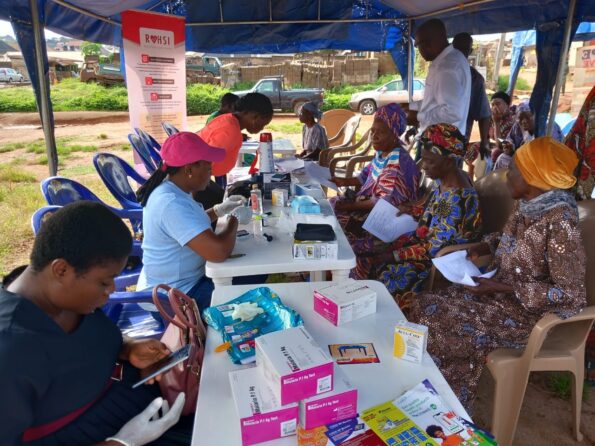
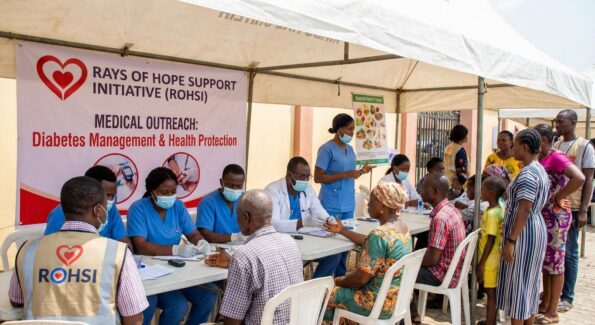
On Saturday, June 21, 2025, the Rays of Hope Support Initiative (ROHSI) successfully conducted a free medical outreach at Otun Abese Community, Ibadan, Oyo State. Approximately 200 residents, comprising men, women, children, and the elderly, accessed essential healthcare services.
The outreach promoted health awareness, offered medical screenings, provided free medication, and educated the community on healthy living practices. The ROHSI approach focused on proactive health management and accessible care.
At the medical outreach, we provided health education where vital information on maintaining good health, regular medical screenings, and adopting healthy lifestyles were discussed with the participants
Also, there was medical screening to identify various health conditions early, especially on hypertension and diabetes, the two silent killers
Participants also received free medications courtesy of our sponsors and partners. On that day also some individuals that requires further medical attention were referred to appropriate healthcare facilities
Names of individuals with critical medical conditions were listed out for further support and follow-up through our WhatsApp community, where we shared daily health tips and other health opportunities
We extend our deepest gratitude to our sponsors: Codix Pharma Nigeria, Kemisola Bolarinwa through Next Wear Technologies, Africa Social Enterprise Workshop (ASEW) for supporting our social enterprise scheme and other anonymous contributors.
To our host community, Otun Abese Community, for their warmth and hospitality, and our Board of Trustees, Management Team, Staff, and Volunteers for their dedication and hard work. To our family, friends, and ROHSI Community, we say thank you all for your support and generosity. We enjoy always
Major highlights of the outreach:
- A majority of residents are unaware of their health status, highlighting a critical need for increased health awareness campaigns.
- Even those aware of their conditions cannot access necessary care due to the escalating cost of medical services.
- There is an alarming surge in non-communicable diseases (NCDs), particularly hypertension and diabetes. This trend demands urgent attention from the government and other stakeholders.
- The preventable nature of many NCDs, which are tragically claiming the lives of our working and productive adults, is a significant concern that requires immediate and concerted efforts.
The surge in preventable #NCDs demands urgent intervention from government and stakeholders. We urge:
- The implementation of practical healthcare policies (beyond paperwork).
- Introduction of affordable indigenous health insurance schemes for underserved community
- More partnerships from governments, policymakers and organisations of like minds to expand medical outreach programmes.
We reiterate our profound gratitude to all our sponsors, partners, board, and team members for making this outreach a success. We remain committed to bridging healthcare gaps and working towards accessible quality healthcare for all.
Thank you for your unwavering support.
ROHSI Management Team.

Dec 21, 2024 | News
Rays of Hope Support Initiative: Path to Healthier Lives in Ibadan
Rays of Hope Support Initiative: Path to Healthier Lives in Ibadan
Nigeria’s Silent Health Crisis: Hypertension and Diabetes
More than 20 million Nigerians are living and battling with hypertension silently, while more than 11 million live with diabetes. More than half of those affected by these silent killers are unaware of their health status. Even among those who are aware, many are not taking action. Those trying to seek care are hindered by economic challenges and unable to afford or access health care. As a result, they resign to their fate, waiting for the inevitable.
Nearly 30% of deaths in Nigeria, either at the hospital or at home, stem from NCDs. The nation’s potential brightest contributors are lost to these illnesses. The most vulnerable are hit hardest, as a lack of resources cuts their dreams short.
Rays of Hope Support Initiative
Rays of Hope Support Initiative (ROHSI) has been operational since 2017. Located in Ibadan, Oyo State, Nigeria. ROHSI is dedicated to combating the rising burden of NCDs in Ibadan and Nigeria, where it has been implementing innovative solutions to address these pressing issues. As an organization working within the NCD health space, ROHSI has focused on empowering vulnerable populations, such as older people, women and children, who are disproportionately affected by NCDs. This involves providing targeted interventions, addressing social determinants of health and ensuring equitable access to health care services.
The ROHSI team, since inception, has been working closely with local health care providers through collaboration and partnerships to ensure that individuals with NCDs, especially hypertension and diabetes, receive appropriate treatment and care. This includes providing access to essential medications and connecting patients with support services. Through its community-based health education initiative, the organization conducts regular health education programs to raise awareness about NCDs, especially hypertension and diabetes, their risk factors and preventive measures.
These sessions are tailored to the specific needs of the community, ensuring that information is accessible and understandable. Furthermore, the ROHSI early detection and screening program allows for timely intervention, reducing the likelihood of severe complications, therefore saving many lives from avoidable deaths.
Impact of Rays of Hope Support Initiative
ROHSI’s efforts have yielded significant results in improving the health and well-being of the community in Ibadan. It has educated more than 10,000 citizens on disease prevention with an emphasis on hypertension and diabetes. The organization has made an impact across three states, reaching more than 5,000 direct beneficiaries through free screenings and medication.
The nonprofit currently has a thriving online community with access to daily, up-to-date health tips. More than 1,500 members are part of its combined Facebook group, with thousands more across other social media platforms, where they access up-to-date information on health-related issues.
Many of ROHSI’s community members have reported a significant improvement in their quality of life as a result of the team interventions, including reduced symptoms, increased energy levels and greater independence.
Final Note
ROHSI has strengthened its community members’ resilience by empowering individuals to take control of their health and well-being. It has done so through daily health tips and free access to its medical team for guidance on health and wellness issues. The organization has advocated for favourable health policy changes from the Nigerian government and policymakers to address the root causes of NCDs and improve access to health care services in Nigeria. It does this by fostering partnerships and collaborations with like-minded local and international organizations.
Coutersy: The Borgen Project & ROHSI

Aug 24, 2024 | Testimonials
This week, we shine our MCM limelight on Benjamin Masominu Olorunfemi, an exemplary leader who has dedicated his life to the service of humanity. Born on June 7th, Benjamin is the driving force behind Rays of Hope Support Initiative (ROHSI), where he serves as the Executive Director. With a career that spans over 18 years, Benjamin has made significant strides in the field of social impact and community development, particularly in the health sector.
Benjamin’s journey is one marked by a relentless pursuit of excellence and a deep commitment to improving the lives of the underserved. His work with ROHSI has been transformative and impactful, particularly in the areas of non-communicable diseases, hypertension and diabetes. Since taking the helm in 2017, his ability to build and maintain strategic partnerships with government agencies, donors, and stakeholders has been crucial in sustaining efforts and ensuring that the organization’s mission holds, and this mission. Benjamin has successfully implemented with over 11 community health outreaches across Lagos, Oyo, and Osun states. These initiatives have provided free screenings and medication to over 5,000 individuals, offering hope and health to some of Nigeria’s most underserved, and left behind communities.
With a solid educational background in Banking and Finance from Ambrose Alli University, coupled with certifications from the Nigerian Institute of Industrial Security and the Police Training College in Ikeja. Benjamin has also taken numerous courses in entrepreneurship, leadership, cyber security, nonprofit management, and social enterprise – skills that have proven invaluable in his current role.
Benjamin’s contributions to community health and development are profound. In 2023, he was nominated for the prestigious CSR_in_Action: CAHR Award. He is also an active member of the Nigeria Network of NGOs, World Health Organisation Global Diabetes Compact Forum, and World Patients Alliance, where he continues to advocate for better health outcomes on a global scale.
Guided by his philosophy, “I believe in making a tangible difference in people’s lives,” Benjamin Masominu remains committed to serving humanity and creating opportunities. His leadership is embedded in the power of building strong partnerships and leveraging resources to address the challenges faced by underserved communities.
On Member Crush Monday Feature which also coincides with the commemoration of World Humanitarian Day, join us in celebrating Benjamin Masominu Olorunfemi, a change maker who embodies the spirit of humanitarianism and continues to inspire us all to act for humanity.
#MemberCrushMonday
#WorldHumanitarianDay
#PhilanthropyMatters
#ChangeMakersInNonprofits
#NonprofitsDoingGood
#SustainableDevelopmentGoals
#LeaveNoOneBehind
#GlobalGoals #Rohsi3 #NNNGO

May 17, 2022 | Healthy Tips
Today, the number of the people living with hypertension has doubled to 1.28 billion, says World health Organisation (WHO), and nearly half of these people did not know they had it (More than 700 million people with untreated hypertension).
As an organisation working within the NCDs space, we know some of the effects of hypertension on our people! That hypertension significantly increases the risk of heart, brain, and kidney diseases that has caused many sudden death and disease among our people.
That, about 25-30% of medical emergencies at our medical centres got to do with issues related to high blood pressure and other Non-Communicable diseases (NCDs). That hypertension does not show signs or symptoms, but it can be detected through checking of ones’ blood pressure either at home or in a health centre. That hypertension can often be treated effectively with medications that are low cost (but not often affordable).
From our field experience and conversations with our community people, we saw the prevalence of hypertension to be so high. We are asking our policymakers, international organisations such World Health organisation (WHO), International Hypertension Federation and community influencers to arise and help with a framework that can help in reducing the risk and burden that come with this ailment among our people.
We ask that they make our primary health centres a working one (be equipped to meet up the need of the people as the first point of contact) where our people can have access to the best treatment and possible medical referrals in case.
The cost of hypertension treatment per person in Nigeria is on the high side. It has led majority of our people to source for alternative means or abandoning treatments due to the high cost of treatment and medications with little family income (that is to tell us that there is poverty in the land). For people to access medical treatments and medications in a month, it cost; them over #5000 (in a population where the majority survive on less than a few hundred Naira per day).
We are asking, let there be an increase in awareness, screening, treatment, and control of hypertension among our people. They must be encouraged to visit our Primary Healthcare Centres (PHCs) with the assurance of having access to best of medical treatment.
Let there be considerations to the cost of procuring high blood pressure medications. If they can do it with HIV/AIDS and TB something like that can be done with hypertension treatment and other NCDs.
We must know that hypertension and other NCDs worsen our people’s poverty levels since it would not allow them to make a viable contribution to national income that can lead to growth and development.
We at the Rays Of Hope Support Initiative -ROHSI are saying; we can stop the surge of hypertension among our people if we all do our part.
We care for the health and wellbeing of our people. That is why we are #ROHSI3.

Dec 20, 2021 | News
HE ALMOST DIED FROM HYPERTENSION; NOW HE HELPS OTHERS LIVE FREE OF THE DISEASE
Benjamin Olorunfemi had strong headaches and felt body weakness amid racing heartbeats. When self-medication did not help, his wife persuaded him to see a doctor. What followed was slightly scary.
“I went as advised, and the doctor that attended to me raised an eyebrow about my blood pressure numbers [198/125 mmHg, way above the healthy average of 120/80 mmHg),” 49-year-old Olorunfemi said.
His condition was hypertension stage 3, the doctor explained further. The doctor prescribed some drugs for Olorunfemi, which he took and, fortunately, became better.
But during his recovery process, Olorunfemi wanted to know more about hypertension and how to control it, so he started reading online articles on the subject. This led him to discover that millions of Nigerians live with hypertension and other non-communicable diseases without knowing it.
His finding was consistent with a World Health Organisation report that says “most people with hypertension are unaware of the problem because it may have no warning signs or symptoms.”
Available data further confirms that at least 31% of Nigerians (66 million) are suffering from hypertension. And most of the 1.28 billion adults aged 30-79 who live with the disease globally are from low and middle-income countries like Nigeria.
Olorunfemi takes action to help others
Inspired by his discovery, in 2017, Olorunfemi started a nonprofit organisation, Rays of Hope Support Initiative or ROHSI, to create awareness about hypertension and diabetes (another deadly disease affecting 5.77% of Nigerians) among rural residents of Oyo State in Southwest Nigeria, where he lives.
Olorunfemi started with a post on Facebook explaining what he planned to do and asking for volunteers. He got several responses, including from a pharmacist and three medical doctors who are now part of his volunteer pool of 19.
Operating from Plot 5. Block C, Oke Bola(CICS) Layout,Ondo Road, Otun Abese in Ibadan, Oyo State, ROHSI also provides free screening, medical advice, and free medications to patients with hypertension and diabetes via biannual community outreaches.
Once every six months, the group holds a health outreach in a rural community in either Oyo or Lagos State. The outreach is done in consultation and collaboration with community leaders, targeting young adults and the elderly.
Months before the outreach, the group runs physical and social media fundraising campaigns to raise money to buy drugs and handle other logistics during the one-day campaign.
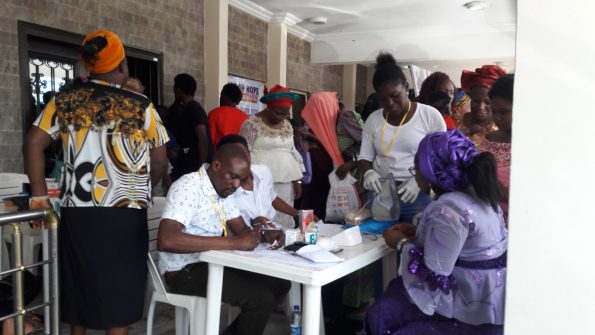
On the day of the outreach, people come to a designated location. Medical experts in ROHSI’s team brief the attendees about hypertension and diabetes mellitus, the risk factors, dangers, symptoms, preventive measures., and what to do if they have symptoms of the diseases.
After that, each participant can proceed to see a doctor for testing. Those with positive results are directed to see another doctor who counsels them privately and sends a list of prescribed drugs to the pharmacist, who hands the medications to the patient for free.
“We test for their blood pressure, blood sugar level, as well as their weight. We offer medical education and treat them where necessary,” said Charles Fajonyomi, a volunteer medical doctor with the organisation.
“Our mandate is to reach out and impact the lives of Nigerians in our rural communities who are not aware of the life-threatening effects of hypertension and diabetes and the preventive methods,” adds Olorunfemi, who studied Banking and Finance but works as a security expert for a private security firm in Oyo.

Olorunfemi said the organisation had its first outreach in August 2017 at Irewumi community in Oyo State. Since then, it has reached about 10,000 people with information about hypertension and diabetes mellitus, including nearly 3000 people (across six communities in Lagos and Oyo states) it has screened and provided with health advice and free medications.
“At first, we thought it was a joke, but they treated us free of charge when they came to our community,” said 50-year-old Imam Ibraheem’, who benefitted during that first outreach in Irewumi.
For 59-year-old Taiwo Odukoya, a November 2019 beneficiary from Otun Abese community in Ido Local Government Area of Oyo State, “They checked my blood pressure, and it was high. They also told me my sugar level was high. “[Then] I was given drugs, and they followed up on me from time to time to be sure I was sticking to my medication and recovering well.”
As a means of follow-up on its beneficiaries, the organisation created a WhatsApp group where beneficiaries can always ask questions about their health and get advice from its volunteer doctors in the group. The group now has 256 members.
“We ask questions and talk to doctors [on the group] when we need to,” said Ibraheem’.
Fajonyomi, the doctor, said ROHSI is trying to change rural dwellers’ attitudes toward their health. And that is because “people’s attitude to their health is poor in our part of the world. Once people are not very sick, they don’t care about going for medical check-ups.”
According to Olorunfemi, the nonprofit conducts just two outreaches per year because, for now, its funding and funding sources are limited, mostly from family, friends, and colleagues and whatever they get from their social media calls for support per outreach.
He said none of the group’s regular calls for support from pharmaceutical companies, local authorities and donor organisations had yielded any significant fruits.
“Getting support isn’t always easy. Most times, we write to pharmaceutical companies seeking drugs, but that support never comes, and we have to purchase the drugs ourselves,” he said.
He said in the future, ROHSI hopes to build a medical centre in Oyo State, where people could have access to healthcare when they need it for free.
“Our primary healthcare system is not there yet, and it is supposed to be the first point of call for the majority of these preventable ailments in our communities, but that’s not the case. Also, the cost of accessing treatment and medication is so high that it discourages a lot of people from visiting health facilities when they have symptoms of these ailments,” Olorunfemi said.
First Published By Prime Progress https://primeprogressng.com/posts/he-almost-died-from-hypertension-now-he-helps-others-live-free-of-the-disease-55

Aug 2, 2021 | News
ROHSI MAKES CASE FOR WIDOWS, SINGLE MOTHERS IN NIGERIA

The Rays of Hope Support Initiative (ROHSI), a non-governmental organisaton has proffered solution to the plights of widows and single mothers in Nigeria, following the difficult challenges they face after the death of their spouses.
This was made known in a paper presented by Oyeronke Olorunfemi, director at ROHSI during a programme organised recently by Heart For Widows International, a charity organisaton, to commemorate the United Nations (UN) International Day 2021 held at Alagbaka in Akure, Ondo State with theme: “Invisible Woman, Invisible Problem”.
Olorunfemi said that in the course of her community work, she noticed that more of women especially, older women are having high blood pressure than their male counterparts as majority are widows, handed over the mantle of family leadership without much preparation after the death of their husbands.
She therefore, prays that, God should continue to protect the men as they go out daily, not to die young as not to relinquish the mantle of family leadership to the woman should such suddenly happens.
“We know the loss of a partner is devastating. For many of our women around the world especially in developing countries such as ours, the loss is magnified by a long-term struggle for their basic needs, their rights and dignity”, Olorunfemi said.
She stressed on what befalls the woman should she loose her husband to include evicted from their homes or physically abused, or where their social status is linked to that of their husband’s and such husband passed on suddenly without a solid plan, what would happen to the health of such a widow?
Olorunfemi lamented that such a widow among other things have to accept unwillingly what nature has brought to her because of the children, unwarranted conditions from their husband relatives, social norms, which results in many women dying prematurely.
“So we can all imagine how burning this issue is? I have this question, should our women identity be defined by their husband or should be viewed on their own merits?” she asked.
To this end, she suggested ways by which government and society must improve the lives of widows, single women and their families to include:
“We must come up with poverty-reduction strategies like access to credit or other economic resources and provide educational opportunities for our widows and their children to make life easier.
“Our widows should have unlimited rights to their husband inheritance or land ownership under the law of the land.
“Violence towards widows must be stopped and it has to be now.
“We must all advocate for equitable access to healthcare for our widows. They must not be denied such an opportunity.
“We must them secure against economic insecurity stemming from widowhood that has driven some of our widows and girls to sex work.
“We must keep talking to authorities to take action to uphold their commitment to ensuring the rights of the widows as enshrined in our laws and conventions.
“Let us keep advocating for programmes and policies for ending violence against widows and their children.
She concluded that the above would make life more meaningful to widows, as the health and the wellbeing of their children would not be an issue anymore, because these solutions if implemented would have taken care of those needs.
Eelier in their welcome addresses, Prince Adetayo Adesida and Mrs. Britt Schulze Adesida expressed the gratitude that God had used them to reach out to widows across Africa and the world at large by empowering them, so that they can fend for themselves on the event of the loose of their husbands.
“God has been able to help spread our tentacles to some countries in Africa as well where we have been able to reach out to the widows in Rwanda, Kenya, Lesotho, Seychelles, Uganda to mention but a few.
“We thank God that we did not only give widows fishes to survive on, but also teach them how to fish through various vocational developmental schemes, which empowers the widow to be self-reliant and self-sufficient to the point that their product which is been displayed at this event, is not only sold in the country, but also shipped out of other countries so that it becomes an economic empowerment for our widows.”
“God has been so faithful to the point that we are able to establish this foundation in the USA, The Netherlands, Germany, India, Nigeria, Tanzania and Bulgaria.
Dignitaries at the event include The Deji of Akure, Oba Aladetoyinbo Ogunlade Adelusi represented by Chief Aro of Akure kingdom accompanied by some chiefs from the palace; delegation from the Ondo State government, which included Mrs. Olubunmi Ademosu, Special Adviser to the Ondo State government on Intergovernmental Relation and Oluwafemi Dennis Fadairo, Director of Administration to the Senate President of Nigeria, Ahmed Lawan.
First Published By Dispatch News Online http://dispatchnews.com.ng/2021/08/02/rohsi-makes-case-for-widows-single-mothers-in-nigeria/
Jun 7, 2021 | Events
ROHSI CALL TO ACTION
I am writing to say thank you and to show my appreciations for all that you have made us to achieved in terms of being able to provide access to healthcare treatment to our targeted community members. A huge thank you!
I am also using this as a call to action to my other friends to be part of what we are doing at Rays of Hope Support Initiative – #ROHSI3
Within my work as a social development worker, whenever I hear of people battling with health-related issues especially hypertension and diabetes that have led to strokes, heart attack, sudden death, or stories such as he/she wasn’t sick, we were still together yesterday give me and my team great pains because death such as this could be prevented with access to information, measures and monitoring of our health numbers, medication, and change in lifestyle.
I do wish we saved many of these lives by influencing their diets and lifestyles in a way that would keep them healthy and strong to be able to be alive for their loved ones! We know how unbearable it is; to lose a loving and dependable member of a household. I do not want this to happening again because many of these deaths could be prevented with our efforts at Rays of Hope Support Initiative.
I am asking you to join my team with your resources, time (as our ambassadors/Volunteers), network, collaborations, recommendation, money, donations. Let us save lives by inculcating healthy lifestyles through awareness and access to equity healthcare treatment among people when we were able to take the good news to their doorsteps.
You can start from here:
For the donations, use any of our secure links:
STANBICIBTC BANK PLC: Rays of Hope Support Initiative
Naira: 0022069426
Dollar: 0027047650
Or through
www.rohsi.org/donate
If you could support this by donating and then sharing it with your network. I would greatly appreciate it. I know that money can be tight, so please know that every donation makes us closer to our goal.
Kindly reach out to me in case you have any questions, and I will be happy to answer them. I thank all for rejoicing with me and joining me in this mission of impacting and saving the majority of our people from avoidable/sudden death.
Let’s do this together! Love, Health and Joy,
Benjamin Olorunfemi
Executive Director

Sep 20, 2020 | News
ROHSI CREATES AWARENESS ON SALIENT ILLNESSES
By Canice Opara
The Rays of Hope Support Initiative (ROHSI) has been creating awareness on salient sicknesses in the country, such as hypertension and diabetes through education on their health implications.
According to Mr. Benjamin Olorunfemi, founder of the organization, these ailments have been causing a lot of problems in the country, and unfortunately people are not always taking them seriously, hence his organization has embarked on an awareness campaign to education citizens.
Olorunfemi, who narrated how he almost died through these sickness, said he later researched on them only to discover that high blood pressure and diabetes are among other non-communicable diseases millions of Nigerians are battling with without knowing what they are, that this has led to his desire to raise awareness, provide health education, get people screened for hypertension and diabetes with the vision to reducing the untimely death resulting from complications caused by these ailments. Hence, Rays of Hope Support Initiative (ROHSI) was born in March 2017.
“We found out that if people had access to information and medical services early, deaths and other health complications arising from these ailments could be prevented. Then we decided to fight against these diseases with one-on-one talk Initiative, which was later extended to our communities because of the increasing number of people who need information and treatment”, he said.
Olorunfemi, quoting the World Health Organisation (WHO), said hypertension and diabetes are responsible for an estimated 45 percent of adults’ death due to heart diseases, and 51 percent of deaths due to stroke globally, with studies blaming the increasing prevalence of the condition on lifestyle and dietary factors such as physical inactivity, alcohol and tobacco use, and a diet high in sodium usually from processed and fatty foods. That unfortunately, the control of hypertension and diabetes has become a priority in many countries of the world, but remains a crisis in Nigeria in terms of awareness and management as the condition continues unabated.
He stated that studies continue to show from experts that more Nigerians are daily battling with these ailments without laid down measures, and asked why?
The ROHSI founder believes that economic downturn and the astronomical increase in managing these ailments are forcing many people to go on compulsory “drug holiday’’, as they found it hard to get funds in getting medical screening and medication on real-time. And that it could be why today people are seeking an alternative to orthodox drugs and treatment, as the economic situation has not allowed the majority of them to be able to cope with continuing medication.
He wondered why government, whose responsibility it is to create awareness and help pharmaceutical companies in curbing these sicknesses, is not doing much in that regard.
“Our government that was supposed to help in terms of awareness, providing relief and subsidies to pharmaceutical companies and the people with hypertension and diabetes to ameliorates their health conditions are not doing much even; our primary healthcare centres that supposed to be the first point of call for screening, detecting and helping in alleviating these ailments are not functioning to their name. Today, many of these patients are going back to alternative medicine or ‘’drug holiday’’ as I have said earlier, which often worsens the condition resulting in more health complications”, Olorunfemi lamented.

He said based on this, they are coming in to bridge that gap by coming in today as an organization to provide means by which more of people with these ailments could be reached through programmes like community outreaches, where they have provided free screening and medication to over 3,000 Nigerians.
“We all know there are significant health and economic gains attached to early detection, adequate treatment and good control of hypertension and diabetes than treating the complications of these ailments”, he reminded.
While saying that his organisation has the vision of supporting the health and well-being of people through health education and enlightenment, Olorunfemi said “but it’s not what we can do alone as an organisation; we need like minded people like you to help us with your time, network, resources among others in achieving the following:
“To create awareness on the effects and management of hypertension and diabetes among our people with special interest among the low income and the less privileged members of our society.
“To help increase the understanding among the communities, especially the less privileged members of the communities battling with these ailments about its impact on their health.
“To reduce the percentage of people with these diseases significantly through our awareness, health education and community outreaches respectively with follow-up on a great percentage of the people.
“To provide people living with hypertension or diabetes with comprehensive information on the causes and management.
“To provide our targeted audience with ongoing follow-up information on hypertension and diabetes.
“To reach a larger number of the communities with pamphlets, handbill, lecture in local dialects for clear and better understanding of what hypertension and diabetes are all about, and how deadly they could become if not discovered and managed on time”.
Olorunfemi advised that Nigerians should discourage people from resorting to self – medication, but instead seek for proper medical attention.
He added that all of the above cannot be achieved without Nigerians’ efforts and contributions, and that is why his organisation is asking people to join them with all that they have in achieving these.
First Published By Dispatch News Online http://dispatchnews.com.ng/2020/09/19/rohsi-creates-awareness-on-salient-illnesses/

Sep 17, 2020 | News


MY STORY WITH RAYS OF HOPE SUPPORT INITIATIVE-ROHSI
BY: Benjamin Olorunfemi
In July 2016, after being away for weeks I came home to observe some off-duty days with my family. I knew I was having symptoms of not being in good health but I cannot say precisely what was wrong with me. My wife and I was a bit worry because I hardly fell sick.
I took some medication (just as we like to do in this part of the world without consulting a doctor; or any medical personnel). I was a bit ok as I went back to my place of work after observing the few days off. But by the time I resumed back, it became an issue as I couldn’t comprehend or coordinate myself. I was advised to visit a hospital to see a doctor. I went as advise, and the doctor that attended to me raised an eyebrow about my blood pressure numbers (to me it was nothing because I did not know the health implications of the numbers).
I was given medication for few days with advice to come back in a matter of days but within two days my blood pressure numbers rose from 140/100 mmHg to 198/125mmHg (at this stage, all was happening to me as I could not see, the headache, the heartbeats among others). I was rushed back to the hospital by my colleagues, where I was admitted and put under observation for over 12 hours (Their actions saved my life from some health complications I got to know later).
I got advised of my life through the medical doctor that attended to me on what was happening to me, the prevalence in Nigeria and the health implications it could cause me if I did not get to manage it on time. He made me understand that it has led to many dying at their prime but; I wondered why with all my education and exposure I did not get to know this
With that, consultations were made within the circle of friends, family, and community members among others. Books and Journals were read researching on what is high blood pressure, diabetes among other non-communicable diseases and what I found out (that millions of Nigerians are battling with these diseases without in knowing of what it is) led to the desire to raise awareness, provide health education, get people screened for hypertension and diabetes with the vision of reducing the untimely death resulting from complications caused by these ailments
We found out that if people had access to information and medical services early, deaths and other health complications arising from these ailments could be prevented. Then we decided to fight against these diseases with one on one talk Initiative, which was later extended to our communities but because of the increasing number of people who need information and treatment, Rays of Hope Support Initiative (ROHSI) was born in March 2017
According to the World Health Organization (WHO), hypertension and diabetes are responsible for an estimated 45% of adults’ death due to heart diseases and 51% of deaths due to stroke globally with studies blaming the increasing prevalence of the condition on lifestyle and dietary factors such as physical inactivity, alcohol and tobacco use, and a diet high in sodium usually from processed and fatty foods. Unfortunately, the control of hypertension and diabetes has become a priority in many countries of the world, but remain a crisis in Nigeria in terms of awareness and management as the condition continues unabated.
Studies continue to show from experts that more Nigerians are daily battling with these ailments without laid down measures why? The economic downturn and the astronomical increase in managing these ailments are forcing many of our people to go on compulsory ‘’ drug holiday’’ as they found it hard to get funds in getting medical screening and medication on real-time.
Today people are seeking an alternative to orthodox drugs and treatment as the economic situation has not allowed the majority of them to be able to cope with continuing medication.
Our government that was supposed to help in terms of awareness, providing relief and subsidies to pharmaceutical companies and the people with hypertension and diabetes to ameliorates their health conditions are not doing much even; our primary healthcare centres that supposed to be the first point of call for screening, detecting and help in alleviating these ailments are not functioning to their name. Today, many of these patients are going back to alternative medicine or ‘’ drug holiday’’ as I have said earlier which often worsens the condition resulting in more health complications.
Today we are coming in as an organization to provide means by which more of our people with these ailments can be reached through programmes like our community outreaches where we have provided free screening and medication to over 3000 Nigerians.
We all know there are significant health and economic gains attached to early detection, adequate treatment and good control of hypertension and diabetes than treating the complications of these ailments.
Through my organization, we have the vision of supporting the health and well being of our people through health education and enlightenment but it’s not what we can do alone as an organization we need like minded people like you to help us with your time, network, resources among others in achieving the following:
- To create awareness on the effect and management of hypertension and diabetes among our people with special interest among the low income/ less privileged members of our society
- To help increase the understanding among the communities especially the less privileged member of the communities battling with these ailments about its impact on their health

- To reduce the percentage of people with this disease significantly through our awareness, health education and community outreaches respectively with follow up on a great percentage of the people
- To provide people living with hypertension or diabetes with comprehensive information on the causes and management
- To provide our targeted audience with ongoing follow up information on hypertension and diabetes
- To reach a larger number of the communities with pamphlets, handbill, lecture in local dialect for clear and better understanding of what hypertension and diabetes are all about and how deadly it can become if not discovered and Managed on time.
- Discouraging people restoring to self –medication instead of seeking proper medical attention.
All of the above cannot be achieved without your efforts and contributions and that is why we are asking you to join us with all that you have in achieving these.
I am asking for whatever assistance you are ready to give as an individual and organization. Be your brother’s keeper; let us put an end to curtail the effects of these ailments among our people
Apr 7, 2026 | Healthy Foods
Hello ROHSI Family,
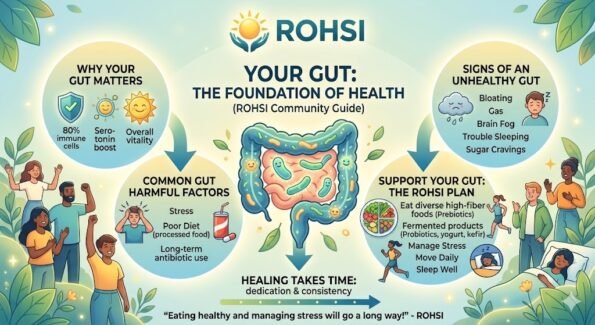
We’ve all heard the term “gut health” floating around, and we know it’s supposed to be a good thing. But in our journey toward whole-body wellness, it’s time to understand why it’s so fundamental. Think of your gut not just as a part of you but as the very foundation of your health. When the foundation is strong, the whole house stands firm.
What Does “Good Gut Health” Really Mean?
Simply put, good gut health is about balance. Inside your digestive system lives a vast, bustling community of microorganisms, bacteria, yeasts, and other microbes collectively known as your gut microbiome. A healthy gut occurs when there’s a harmonious balance between the “good” (helpful) and the “bad” (potentially harmful) microbes.
This isn’t just about digestion. In fact, 80% of your immune system resides in your gut! It’s also a major production site for neurotransmitters, including the “feel-good” hormone serotonin. This means your gut health is directly linked to your immunity and your mood. If your gut is out of balance, your immune system can weaken, and your emotional well-being can suffer.
What Can Throw Our Gut Out of Balance?
Our modern lifestyle can be tough on our internal ecosystem. Several factors can tip the scales, leading to an overgrowth of the bad bacteria. The most common culprits include the following:
Chronic Stress: When we’re stressed, it can increase intestinal permeability (often called “leaky gut”). This allows toxins to escape the gut and enter the bloodstream, disrupting the delicate balance of our microbiome.
Poor Nutrition: A diet high in processed foods, sugar, and unhealthy fats can feed the harmful bacteria, causing inflammation throughout the body and starving the beneficial bacteria that keep us healthy.
Overuse of Medications: While sometimes necessary, long-term use of antibiotics and antacids can have a negative impact. Antibiotics don’t discriminate; they kill both the bad bacteria causing an infection and the good bacteria we need. Antacids can decrease nutrient absorption, like B12, which is vital for energy and brain function. Always consult with your physician about the risks and benefits of any long-term medication.
How Your Gut Affects Your Whole Life
When your gut is thriving, you feel it from head to toe. Here’s how a healthy gut positively impacts your overall well-being:
Think of your gut as your body’s first line of defence. Beneficial bacteria train your immune cells to fight off real threats and maintain a strong gut barrier, preventing harmful substances from entering your bloodstream.
The “gut-brain axis” is a real and powerful connection. A healthy gut produces mood-regulating neurotransmitters like serotonin and dopamine. This is why a balanced gut can lead to a calmer mind, reduced anxiety, and better mental clarity. Conversely, an unhealthy gut can contribute to brain fog and mood swings.
A balanced microbiome is a master at breaking down food and extracting the vitamins and minerals your body needs to function. It also helps regulate waste removal, keeping your system running smoothly.
Your gut bacteria play a role in regulating your metabolism, blood sugar, and insulin sensitivity. An imbalanced gut can make it harder to maintain a healthy weight and is linked to metabolic issues.
An unhealthy gut can trigger chronic, low-grade inflammation throughout the body. This type of inflammation is a root cause of many chronic diseases, including autoimmune conditions, heart disease, and irritable bowel syndrome (IBS).
Is Your Gut Trying to Tell You Something?
An unhealthy gut doesn’t always just announce itself with a stomach ache. While gas, bloating, constipation, and diarrhoea are common signs, there are other, less obvious clues:
- Unexplained fatigue or poor sleep
- Skin irritations
- Autoimmune conditions (like Hashimoto’s, rheumatoid arthritis, or Type 1 diabetes)
- Brain fog, headaches, and poor concentration
- Intense cravings for sugar or carbs
- Moodiness, anxiety, or depression
If any of these resonate with you, it might be time to show your gut some love.
Healing your gut is a journey, not a race. Start with these simple foundational steps:
Eat a diverse range of whole foods. Focus on high-fibre foods (prebiotics) like fruits, vegetables, legumes, and whole grains to feed your good bacteria. Incorporate fermented foods (probiotics) like plain yoghurt, kefir, sauerkraut, and kimchi to introduce more beneficial bugs.
Your gut and brain are deeply connected. Manage your stress levels through activities you enjoy, whether it’s gentle movement, deep breathing, or time in nature. Prioritise regular exercise and aim for 7-9 hours of quality sleep each night.
Remember, your microbiome didn’t become unbalanced overnight, and it won’t be restored overnight either. Some people may need additional, targeted support from a healthcare provider, but for everyone, the journey starts here.
At Rays of Hope Support Initiative (ROHSI), we believe in empowering you with knowledge and compassionate support. Nourishing your body with healthy foods and managing your stress are powerful acts of self-care that will pave the way on your road to recovery and optimal well-being. Your gut is the root—let’s nurture it together.
Apr 1, 2026 | Healthy Tips
In the bustling markets and vibrant streets of Ibadan, a silent health crisis is unfolding, one that directly threatens the lives of our men. As an organisation based here in Oyo State, we are on the front line of the battle against non-communicable diseases (NCDs), particularly hypertension and diabetes. Every day, we witness a disturbing trend: today, men—especially young adults with bright futures, careers, and families—are dying daily from preventable health issues directly linked to the consumption of trans fats.
This is not just a health issue; it is a crisis that is robbing our community of its fathers, brothers, and leaders.
Trans fats, or trans-fatty acids, are the most dangerous type of fat for the human heart and vascular system. They are primarily created in an industrial process that adds hydrogen to liquid vegetable oils to make them more solid. For food vendors and producers, this is a cheap and attractive option because it increases the shelf life and flavour stability of foods.
In Ibadan, common sources of industrially produced trans fats include:
Reused Frying Oils! Oils are used repeatedly to fry popular staples like akara (bean cakes), puff-puff, boli (roasted plantain) with groundnut oil, and doughnuts sold by roadside vendors.
Margarines and Vegetable Shortenings! Often used in baked goods like bread, cakes, and pastries sold in local bakeries.
Packaged Snacks? Some commercially fried snacks and fast foods.
Our work at the Rays of Hope Support Initiative has highlighted a critical and concerning pattern: the devastating impact of trans fats is not gender-neutral.
While women are not completely immune, their natural hormonal makeup, particularly oestrogen, offers a degree of protection by helping to regulate cholesterol levels and fat distribution. This biological advantage, however, is not shared by men.
The male body is particularly vulnerable. In our screenings across Ibadan, we have observed that the majority of our men tend to develop visceral fat—the dangerous fat that accumulates deep within the abdomen, wrapping around their internal organs. This is the direct consequence of a diet high in trans fats. This central obesity is a ticking time bomb, leading to a cascade of life-threatening complications:
Trans fats wreak havoc on a man’s lipid profile. They raise “bad” cholesterol (LDL) and lower “good” cholesterol (HDL). They also significantly increase triglycerides, another type of fat in the blood that hardens arteries.
Also, the build-up of cholesterol and triglycerides doesn’t just sit idly on our body. It forms plaque, leading to the narrowing and hardening of our arteries (atherosclerosis)—”a sure path to hypertension”. The heart is then forced to pump blood through these constricted pathways, leading to dangerously high blood pressure (hypertension)—a condition we see daily at our centre.
Visceral fat is not inert; it acts like an active organ, releasing inflammatory substances that make the body’s cells resistant to insulin. This insulin resistance is a direct precursor to high blood sugar and type 2 diabetes, creating a perfect storm where a man is now managing two or more debilitating NCDs simultaneously.
The result is a preventable tragedy—a young man in his 30s or 40s, a provider for his family, suffers a sudden heart attack or stroke or is diagnosed with advanced kidney disease from uncontrolled hypertension and diabetes. Hmmm!
Addressing this crisis requires a multi-pronged approach, from individual lifestyle changes to systemic action by authorities.
Here is what needs to be done:
For Individuals and Families:
Dietary Overhaul:
- Minimise the consumption of foods fried in oil that has been used repeatedly. Be mindful of the deep golden-brown colour of repeatedly heated oil used for frying akara and puff-puff.
- When buying packaged foods, look for “partially hydrogenated oils” on the ingredient list—this is a direct indicator of trans fats.
- At home, use healthier oils like olive, soybean, or palm oil in moderation, and avoid heating them to the smoking point.
- Aim for at least 150 minutes of moderate-intensity exercise per week. This could be a brisk walk around your neighbourhood, cycling, or engaging in local group sports. Exercise is the most effective way to burn visceral fat.
- Do not wait for symptoms. As an organisation working within the NCDs healthcare space, we cannot overemphasise the importance of regular check-ups. Know your numbers: blood pressure, blood sugar, and cholesterol levels. Early detection is the only way to intervene before complications arise.
- If diagnosed with hypertension or diabetes, it’s not a death sentence but a lifelong condition that requires consistent management. Take your medication exactly as prescribed by a healthcare professional. Do not stop when you feel better; consult your doctor and dietitian first.
To our government (Oyo State and Federal):
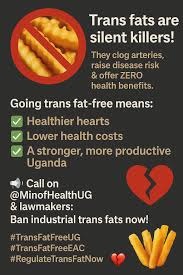
Nigeria must implement and enforce a trans fat ban by leading other nations in setting a legal limit for industrially produced trans fat in all foods.
Enforce strict quality controls on the production and sale of cooking oils to prevent adulteration and promote healthier options.
Launch mass media campaigns (radio, TV, town criers) in local languages to educate the public, especially men, about the dangers of trans fats, using culturally relevant examples like akara and puff-puff.
To our healthcare centres and authorities:
Every consultation for hypertension or diabetes must include practical, actionable advice on avoiding trans fats. We are asking for integrated dietary counselling.
Equip community health workers and nurses with the knowledge to counsel patients on healthy cooking practices and food choices.
Improve the tracking and reporting of NCDs to the appropriate quarters so as to better understand the scope of the problem.
To organisations working within the health care space:
We must continue to take our services to the markets, motor parks, and communities, meeting men where they are to check their blood pressure and blood sugar.
Develop programmes specifically for men, focusing on the link between their diet (e.g., the oil in their favourite local foods) and their future health. Use relatable language and peer-to-peer influence.
We must collectively raise our voices to urge the government for stricter regulations on trans fats. We are the voice for the communities we serve.
Create and facilitate support groups for men living with hypertension and diabetes, providing a space for shared learning and encouragement.
The fight against trans fats is a fight for the future of our men in Ibadan and Nigeria. Through awareness, lifestyle change, and strong advocacy, we can reverse this trend and ensure that our young men live to fulfil their promising futures.
Apr 1, 2026 | Healthy Tips
Hello, ROHSI Community! When we talk about diabetes, it’s important to know what can happen if our blood sugar is not well managed. Having too much sugar in our blood for a long time can slowly damage our blood vessels and nerves. This can lead to other health problems.
But please, don’t be afraid! These problems are not something that will definitely happen to you. There is a lot we can do to prevent them. By taking our medication as prescribed and building good daily habits, we can keep our diabetes under control and stay healthy.
What Happens When Diabetes Is Not Controlled?
Think of high blood sugar as something that can quietly affect many parts of our body. Here’s what we need to watch out for:
- Our Eyes! High blood sugar can make it harder to see and can even lead to blindness. It can cause problems like:
- Cataracts! Cataract surgery is when the lens of our eye becomes cloudy, like looking through a dirty window.
- Glaucoma! This damages the nerve that connects our eye to our brain.
- Retinopathy! This is damage to the back part of our eye (the retina).
- Our Heart! Over time, high blood sugar can harm the blood vessels and nerves that control our heart. This makes us more likely to have heart disease, a heart attack, or a stroke. If we also have high blood pressure or high cholesterol, the risk is even higher.
- Our kidneys! Our kidneys are like filters for our body. Diabetes can damage the tiny blood vessels in these filters, making them work less effectively. After many years, if the damage is severe, the kidneys can stop working altogether.
- Our Feet! High blood sugar can slow down blood flow and cause nerve damage in our feet. This is very dangerous because:
- You might not feel pain from a cut, blister, or sore.
- Because of poor blood flow, these small injuries can heal very slowly and become infected easily.
- If a bad infection cannot be treated, it might lead to a doctor having to remove a toe, a foot, or part of the leg.
- Our Nerves! When high blood sugar damages our nerves (this is called diabetic neuropathy), it can cause pain, tingling, or numbness. This is most common in the hands and feet.
- Our Skin! Diabetes can make us more likely to have dry, itchy skin, yeast infections, or dark, scaly patches on the skin.
- Erection Problems for Men! High blood sugar damages the blood flow and nerves needed for a man to get and keep an erection. This is a common problem for men with diabetes.
What Can We Do to Stay Safe?
The good news is that we have a lot of power to protect ourselves. By making these simple steps a part of our daily life, we can greatly lower our risk of these problems.
Control Your Blood Sugar! This is the most important thing you can do. Aim to keep your numbers within a healthy range. Check your sugar as your doctor advises and try to keep it
- Between 70 and 130 mg/dL before meals.
- Less than 180 mg/dL two hours after a meal.
- Your A1C (which shows your average blood sugar over 3 months) should be below 7%.
Watch Your Blood Pressure and Cholesterol! High blood pressure and cholesterol are a dangerous mix with diabetes. Work with your doctor to keep them under control, which might include taking medication. A good target is to keep your blood pressure below 140/90 and your total cholesterol at or below 200.
See Your Doctor Regularly! Don’t wait until you feel sick. Regular checkups are vital because many diabetes problems start without any warning signs. Your doctor can test your blood, urine, and eyes to catch any issues early.
Don’t smoke! Smoking is very bad for your blood flow and raises your blood pressure, making diabetes complications much worse. If you smoke, ask your doctor for help to quit. It’s the best thing you can do for your health.
Protect Your Eyes! Get your eyes checked by a professional at least once a year. They can look for early signs of damage and start treatment right away.
Check Your Feet Every Day! Make this a habit!
- Look for any cuts, sores, blisters, redness, or swelling, especially between your toes and on the bottom of your feet.
- Wash your feet daily with warm (not hot) water and dry them carefully, especially between the toes.
- Apply lotion to keep the skin soft and prevent cracks, but not between the toes.
- Always wear shoes to protect your feet, even at home. Never walk barefoot on hot ground or at the beach.
- Trim your toenails straight across and file the edges gently.
- Always test bathwater with your hand or elbow first to avoid burning your feet.
Take Care of Your Skin:
- Keep your skin clean and dry, especially in areas like your armpits.
- Use talcum powder to prevent rubbing and chafing.
- Avoid very hot baths and strong, drying soaps.
- Use body lotion to keep your skin from getting too dry and cracking.
Let’s take these steps together, for ourselves and for our community. We can live well with diabetes! Also, we need to remember that many diabetes problems don’t shout; they creep in quietly. This is why regular checkups at the clinic are your best defence!
Courtesy: WebMD and Rays of Hope Support Initiative (ROHSI)
Mar 28, 2026 | News
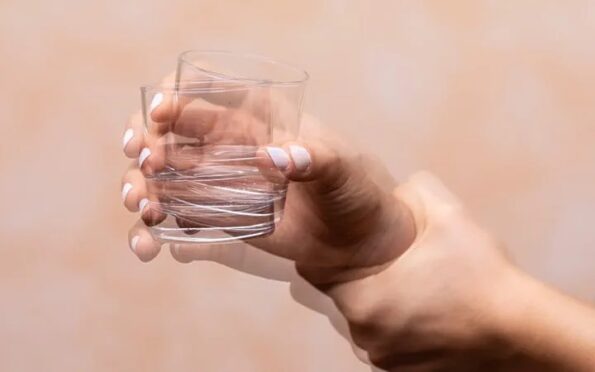
Hello to our ROHSI community members. We know that when our hands start to shake, it can be frustrating and a little scary. Whether it’s a slight flutter when we’re holding a cup of tea or a more noticeable shake when we’re resting, our body is trying to tell us something.
Types of Tremors:
Rest Tremor! Occurs when muscles are relaxed, often associated with Parkinson’s disease.
Action Tremor! Occurs during movement (e.g., reaching, writing). This includes essential tremor, which is the most common form.
Postural Tremor! Occurs when holding a position against gravity, such as holding an arm out.
While many tremors are harmless, persistent shaking is a signal that deserves our attention. Here is a breakdown of what might be happening and how we can take control of our health.
Common Reasons Our Hands Might Shake
Not all tremors are created equal. Understanding the “why” is the first step toward finding relief.
• Lifestyle Triggers! High stress, anxiety, or too much caffeine can overstimulate our nervous system. Even a lack of sleep or low blood sugar (hypoglycaemia) can lead to the jitters.
• Essential Tremor! This is one of the most common neurological conditions. It usually happens when using our hands (like tying shoelaces) rather than when they are resting. It often runs in families.
• Medication Side Effects! Certain asthma meds, antidepressants, or even some seizure medications can cause shakiness as a side effect.
• Neurological Conditions! In some cases, tremors can be an early sign of Parkinson’s disease (usually a “resting tremor”) or multiple sclerosis (MS).
• Thyroid Issues! An overactive thyroid (hyperthyroidism) speeds up our body’s metabolism, which can manifest as a fine tremble in the hands.
Why Does Tracking Matter?
The most important thing we can do for our doctor is to provide a “map” of our symptoms. Because tremors can come and go, our observations are more valuable than a single 15-minute checkup.
What to track in a simple notebook:
· When does it happen, e.g., while eating, while resting, or when I’m nervous?
· What does it feel like, e.g., a rhythmic shake or a tiny twitch?
· What did I eat/drink, e.g., did I just have my third cup of coffee?
· Are there other symptoms, e.g., dizziness, sweating, or muscle weakness?
When to see a doctor:
While at ROHSI, we aim to provide support and education; we are a community and not a clinic. Please advise that you reach out to a healthcare professional if
• The tremor starts suddenly or gets worse quickly.
• It interferes with our daily life – eating, writing, or working.
• We notice changes in our gait – how we walk or balance.
A Note of Hope from us at ROHSI! Most hand tremors are manageable. Once the cause is identified, treatments ranging from simple lifestyle changes to physical therapy or medication can significantly improve our quality of life.
So have a sit or dialogue with your healthcare provider immediately if you notice any of the symptoms we talked about. Here at Rays of Hope Support Initiative, our mission is to support one another through every tremor and triumph. By understanding our bodies, sharing our stories, and seeking help without shame, we find our strength.
ROHSI management team.
Mar 12, 2026 | News
Friends and family! Join us at ROHSI in marking World Kidney Day 2026!
Today, March 12, 2026, we’re coming together to celebrate the 20th anniversary of World Kidney Day! This year’s theme is “Kidney Health for All – Caring for People, Protecting the Planet”.
As we mark this important day, we’re reminded that kidney health is everyone’s business. In Nigeria, kidney disease is a growing concern, affecting millions of people. But there’s hope! By taking care of our kidneys, we can reduce the risk of kidney disease and promote overall health.
Why should we care?
* 1 in 10 people worldwide have kidney disease.
* In Nigeria, kidney disease is becoming a leading cause of death.
* Environmental factors like pollution and climate change increase kidney disease risk.
* Early detection and prevention can slow or stop kidney disease progression.
What can you do? Join us in acting against kidney disease in Nigeria. by:
* Stay hydrated and eat a balanced diet.
* Reduce your exposure to environmental toxins.
* Support kidney health initiatives
* Advocate for policies promoting kidney health and sustainability
At ROHSI, we’re committed to promoting kidney health and environmental sustainability. We will continue to share health tips and resources, seek collaborations and share success stories to support individuals on their health journeys.
Let’s act now! We don’t have to wait till we start having health complications related to kidney-related issues before we go for screening or sit with our medical providers.
Healthy kidneys mean a healthier you and a healthier planet for all of us. This we know: together we can create that healthier Nigerian future for all Nigerians!
#WorldKidneyDay #KidneyHealthForAll #ROHSI #KidneyAwareness #HealthyLiving #Sustainability #NigeriaHealth
