Apr 20, 2021 | Healthy Tips
HOW TO MANAGE HIGH CHOLESTEROL
Rotimi Adesanya
Cholesterol is made by the liver. It is a waxy substance that the body uses to build cells, among other processes. It is a type of fat also called a lipid. It travels through the bloodstream in tiny molecules wrapped inside proteins. These packages are called lipoproteins. Low-density lipoproteins (LDL) is one of the main types of lipoproteins in the blood. The other main type is high-density lipoproteins (HDL). A third type of lipid, called a triglyceride, also circulates in the blood. The body still needs a little cholesterol for healthy digestion and to make vitamin D and certain hormones.
Causes:
Eating too many foods that are high in cholesterol, saturated fats, and trans fats may increase the risk of developing high cholesterol. Other lifestyle factors can also contribute to high cholesterol. These factors include inactivity and smoking. The genetics can also affect ones chances of developing high cholesterol. If the parents have high cholesterol, the offspring are at higher risk of having it too.
Symptoms:
In most cases, high cholesterol is a “silent” problem. It typically doesn’t cause any symptoms. Many people don’t even realize they have high cholesterol until they develop serious complications, such as a heart attack or stroke.
Complications:
If left untreated, high cholesterol can cause plaque to build up in the arteries. Over time, this plaque can narrow your arteries. This condition is known as atherosclerosis. Atherosclerosis can result in many life-threatening complications, such as: stroke, heart attack, angina (chest pain), high blood pressure, peripheral vascular disease, chronic kidney disease. High cholesterol can also create a bile imbalance, raising your risk of gallstones.
Laboratory Tests:
A cholesterol screening test is collectively reffered to as the Lipid Profile and is normally done in the morning before taking breakfast. Cholesterol levels are measured in milligrams (mg) of cholesterol per decilitre (dL) of blood. Ideal results for most adults are:
Total Cholesterol: less than 200 mg/dL (the lower the number, the better)
LDL: 70 to 130 mg/dL (the lower the number, the better)
HDL: more than 40 to 60 mg/dL (the higher the number, the better)
triglycerides: 10 to 150 mg/dL (the lower the number, the better)
Dietary Advice:
Following dietary guidelines, there are no specific recommended limits for the amount of cholesterol one consumes from food. But it’s still important to pay attention to the food that one eats in order to keep the body’s cholesterol levels in a healthy range.
Doctors now recommend that one limits the amount of harmful saturated fats, trans fats, and added sugars in the diet. You should also keep an eye on your cholesterol intake since foods that are high in cholesterol also tend to be high in saturated fats.
Cholesterol itself is only found in animal-based foods, including meat, dairy products, seafood, egg yolks, butter. Shrimp is high in cholesterol but very low in saturated fat.
Cholesterol-free foods…. There’s no cholesterol in foods like fruits, vegetables, grains, nuts. These are also all part of a healthy well-balanced diet.
Read Also:
Foods that are high in saturated fats and should be limited include: red meat and pork, baked goods, such as cakes and cookies, cheese, pizza, ice cream, processed meats, such as sausages, fried foods.
Foods containing unhealthy trans fats, which should be avoided, include fried foods, packaged foods with “hydrogenated oils” in the ingredients list baked goods, such as cakes, pies, and cookies, margarine, microwave popcorn, frosting.
Foods that contain healthy unsaturated fats, which you should eat, include olive, peanut, canola, safflower, and sunflower oils, avocados, most nuts, but especially walnuts, most seeds.
Treatment:
Cholesterol medications: In some cases, your doctor might prescribe medications to help lower your cholesterol levels. Statins are the most commonly prescribed medications for high cholesterol. They block the liver from producing more cholesterol.
Prevention:
Genetic risk factors for high cholesterol can’t be controlled. However, lifestyle factors can be managed.
To lower your risk of developing high cholesterol:
Eat a nutritious diet that’s low in cholesterol and animal fats, and high in fibre like oat bran, found in oatmeal and whole oats.
Avoid excessive alcohol consumption.
Maintain a healthy weight.
Exercise regularly.
Don’t smoke.
In conclusion, Pay attention to the saturated and trans fats on the food labels, as well as added sugars. The less of these one consumes, the better. No more than 10 per cent of one daily calorie should come from either saturated fats or added sugars. Don’t worry about eating enough cholesterol. The body makes enough whether or not one consumes it. Eat healthier, unsaturated fats. Try replacing butter with extra virgin olive oil in cooking, Eat lean cuts of meat, and snack nuts and seeds instead of French fries or processed snack foods.
Apr 20, 2021 | Healthy Tips
#Hypertension in pregnancy(HIP) is defined as systolic blood pressure of 140/90mmHg.It could be described as chronic, gestational, preeclampsia or eclampsia depending on the gestational period, the tendency for postpartum resolutions, presence of proteinuria or convulsion. Hypertension in pregnancy affects close to 22 percent of pregnancies in developing countries such as Nigeria.
High blood pressure during pregnancy can affect the development of the placenta, causing the nutrient and oxygen supply to the baby to be limited. This can lead to early delivery, low birth weight, placental separation (abruption) and other complications for the baby.
During pregnancy, high blood pressure (hypertension) can affect the body in different ways than it normally would. Both mother and baby may be at increased risk of complications
What is high blood pressure (hypertension)?
Blood pressure is the force of blood pushing against blood vessel walls. The heart pumps blood into the arteries (blood vessels) that carry blood throughout the body. High blood pressure, also called hypertension, means that the pressure in the arteries is above the normal range.
Hypertension during pregnancy can impact the body in different ways than it normally would. Mothers with high blood pressure during pregnancy are at higher risk of complications before, during and after the birth. Not only is the mother’s health in danger, but the baby can be impacted by high blood pressure during pregnancy.
Hypertension complicates about 10 percent of all pregnancies. There are several different types of hypertension during pregnancy. These types vary in severity and impact on the body. The forms of high blood pressure during pregnancy include:
- Chronic hypertension- High blood pressure which is present prior to pregnancy
- Chronic hypertension with superimposed preeclampsia: It develops in someone who has high blood pressure before pregnancy.
- #Gestational hypertension: This type of hypertension is noted in the latter part of pregnancy, but no other signs or symptoms of preeclampsia are present. Some women will later develop preeclampsia, while others probably have chronic hypertension before the pregnancy.
- #Preeclampsia- A condition only found in the latter half of pregnancy and results in hypertension, protein in the urine, and generalized swelling in the mother. It can impact organs in the body and also cause seizures (eclampsia).
Who is at higher risk of hypertension during pregnancy?
A woman is more likely to develop high blood pressure during pregnancy if she;
- Is under age 20 and over age 40.
- Has a history of high blood pressure before becoming #pregnancy.
- Has had gestational hypertension or #preeclampsia during past pregnancies.
- Has a family history of hypertension.
- Is overweight
The danger of hypertension during pregnancy
High blood pressure during pregnancy can prevent the food supply for the baby in the womb from receiving enough blood. The lowered amount of blood to the placenta can lead to low weight.
Other complications;
Steps to safe delivery with hypertension during pregnancy
- Taking any blood pressure medication as prescribed
- Going to all prenatal visit
- Maintaining a healthy diet
- Follow all instructions from your healthcare regarding activity and exercise
- Having an early delivery if it is needed
Courtesy: Rays of Hope Support initiative #Rohsi3
www.rohsi.org;
www.facebook.com/rohsi3
; www.twitter.com/rohsi3; www.instagram.com/rohsinigeria/
Feb 18, 2021 | Healthy Tips
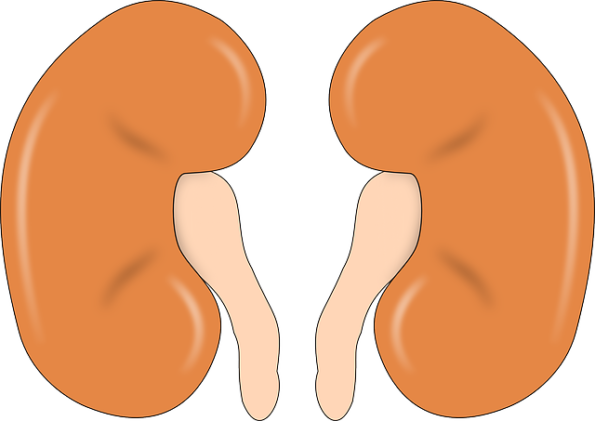
DISCOVER 10 WARNING SIGNS KIDNEYS THAT SHOULD NEVER IGNORE
Since the kidneys play a vital role in the body, one of the first steps in detecting kidney disease is to monitor its functionality by performing routine blood tests. If the kidney functions properly, Knowing the signs of kidney disease can also be helpful to detect the disease as early as possible. Here are 10 warning signs of kidney disease that you should never ignore.
High blood pressure: The first warning sign of kidney failure is high blood pressure. Blood vessels in the kidneys fail to transport the toxins out of the body. If left untreated, high blood pressure can damage your heart and your kidneys. A heart attack, in fact, is a likely result. High blood pressure is a silent threat to your health. You might never know you had it because the symptoms often come and go.
Frequent urination: Another sign of kidney disease, you should be aware of is frequent urination. Many people, especially women, suffer from frequent urination. Women suffer from frequent urination because their poorly functioning kidneys are unable to eliminate wastes as quickly as they need to. This means women go through their lives feeling like they are constantly urinating. If this sounds like you, it’s probably time to start considering how to take better care of your kidneys.
Heart disease: You also need to be aware of heart disease because that can be a sign of premature kidney failure. Heart disease, in particular, is a sign of kidney failure because the kidneys play a vital role in keeping the heart pumping. A failing heart is a sign of fluid retention in the arteries, which leads to high blood pressure. As you know, high blood pressure can lead to kidney failure and heart problems.
Foamy Urine: Another sign of kidney disease you should be aware of is foamy urine. It sounds harmless, but the truth is it can be very dangerous. Foamy urine contains a high number of proteins and sugars that can crystallize in the urinary tract. These crystallized proteins and sugars are then reabsorbed into the bloodstream. If a person has developed chronic kidney failure, their kidneys may not be able to process and eliminate these sugars and proteins in the urine. If this happens, this can result in the accumulation of calcium in the arteries, which can cause heart disease or kidney stones.
Toxic waste build-up: Another symptom of chronic kidney disease is blood cells called “toxic waste” building up in the kidneys. This waste protein can build up to five times faster than it is excreted from the body. Waste protein can cause damage to the kidneys, as well as damage to the rest of the body. One of the most common symptoms of kidney damage caused by toxic waste is an increased risk of stone formation. People with kidneys that work properly have normal levels of “neoprene” – a product that neutralizes excess elements in the urine – but people with kidneys that are unable to process and eliminate waste protein will develop kidney stones.
Unexplained weight loss: Another sign of kidney disease is unexplained weight loss. Some kidney failure sufferers lose large amounts of weight. The reason for this is not always known, but it is possible that the kidney is failing because it is unable to filter out toxins efficiently. When toxins get into the body, they tend to stay there and, over time, begin to cause disease.
Decrease in urine volume: The seventh sign of kidney failure is the decrease in urine volume or blood flow. This is usually accompanied by pain in the abdomen as well as abdominal bloating. Over time, the kidney loses the ability to excrete urine and tends to hold on to waste products instead. These wastes can become toxic if they are not excreted regularly and in the right amounts…
Pyelonephritis: The eighth warning sign of kidney disease that you should know, is recurrent kidney infections. This is usually referred to as pyelonephritis, and it occurs when bacteria get trapped in the cyst forms of the kidney. Cysts can then become inflamed until they burst, causing severe pain, and swelling in the surrounding area. The symptoms may not immediately show up after an infection has formed; therefore, it is important that you look for signs of kidney failure to determine if it is present. As with any other organ in your body, your kidneys also have a natural defence system that fights off invading organisms and bacteria…
Changes in the urine: The signs of kidney disease involving changes in the urine include a noticeable darkening of the urine, changes in the urine’s colour, and increased water content of the urine. If you are having a combination of these signs, then this could mean that you have already lost the ability of your kidney to filter toxins and waste materials from the bloodstream. This is one of the major signs of kidney failure. Other symptoms that are often associated with kidney failure are pain upon urination, swollen ankles, and legs, difficulty in walking, jaundice, loss of appetite, and diarrhea…
Blood in the urine: Another one of the signs of kidney failure that involves blood in the urine is hypernatremia, which means high amounts of calcium in the bloodstream. People who are suffering from hypernatremia may actually show no symptoms, as the high levels of calcium can only be detected through a special test called an anaemia blood test. There are also cases where hypernatremia may cause abdominal pains, vomiting, weakness, and cramps. Another common sign of kidney problem is the onset of chronic renal failure, which occurs when the kidney fails to keep up with the required amount of sodium in the bloodstream…
To conclude: If you experience two or more of these signs of kidney failure, don’t hesitate to go see your doctor. If you are having trouble urinating or you are experiencing blood in your urine, you should get yourself tested immediately. Even if you don’t have kidney failure, these conditions can show that you have high blood pressure and should be monitored. While kidney problems cannot be reversed, you can prevent them from progressing.
Dec 11, 2020 | Healthy Tips
- High blood pressure (hypertension) is defined as high pressure (tension) in the arteries, which are the vessels that carry blood from the heart to the rest of the body.
- Blood pressure readings are given as two numbers:
- The systolic blood pressure (the top number) equals the pressure in the arteries as the heart contracts.
- The diastolic pressure (the bottom number) is the pressure in the arteries as the heart relaxes.
- Normal blood pressure is below 120/80.
- In 2017, the American College of Cardiology released new guidelines for high blood pressure.
- Blood pressure between 120/80 and 129/80 is elevated blood pressure, and a blood pressure of 130/80 or above is considered high.
- The American Academy of Cardiology defines blood pressure ranges as:
- Hypertension stage 1 is 130-139- or 80-89-mm Hg, and hypertension stage 2 is 140 or higher, or 90 mm Hg or higher.
- Complications of high blood pressure include heart disease, kidney (renal) disease, hardening of the arteries (atherosclerosis or arteriosclerosis), eye damage, and stroke (brain damage).
- Hypertension is a major public health problem. With the new guidelines for defining high blood pressure, The American Heart Association estimates that high blood pressure affects nearly half of all adults (46%) in the United States.
What Do Blood Pressure Readings Mean? (Blood Pressure Readings Chart)
Blood pressure readings can vary in a single person throughout the day depending on the situation. Factors such as stress, anxiety, foods that are eaten (caffeine or salt intake), smoking or exercise can cause pressure to rise.
The American Heart Association defines normal blood pressure as less than 120/80. Elevated blood pressure ranges between 120/80 and 129/80, and high blood pressure is 130/80 and higher. In pregnancy, normal blood pressure should be below 120/80.
If your blood pressure reaches into the high range, you should see your doctor about lifestyle changes, and possibly medication especially if you have other risk factors, such as diabetes or heart disease.
High blood pressure (for example, 180/110 or higher) may indicate an emergency situation. If this high blood pressure is associated with chest pain, shortness of breath, headache, dizziness, or back or abdominal pain, seek medical care immediately. If you are experiencing no associated symptoms with a high blood pressure reading such as this, re-check it again within a few minutes and contact your doctor or go to an emergency room if it is still high.
If your blood pressure is lower than about 100/60 you may have low blood pressure, depending on the associated symptoms. If you are unsure, check with your doctor.
What Are the Signs and Symptoms of High blood Pressure?
High blood pressure may not have any symptoms and so hypertension has been labelled “the silent killer.” Longstanding high blood pressure can lead to multiple complications including heart attack, kidney disease, or stroke.
Some people experience symptoms with their high blood pressure. These symptoms include:
- Headache
- Dizziness
- Shortness of breath
- Blurred vision
- Feeling of pulsations in the neck or
head
What Causes High Blood Pressure?
The causes of hypertension are multifactorial, meaning there are several factors whose combined effects produce hypertension.
High salt intake or salt sensitivity: This occurs in certain populations such as the elderly, African Americans, people who are obese, or people with kidney (renal) problems.
Genetic predisposition to high blood pressure: People who have one or two parents with hypertension have high blood pressure incidence about twice as high as the general population.
A particular abnormality of the arteries, which results in an increased resistance (stiffness or lack of elasticity) in the tiny arteries (arterioles): This increased peripheral arteriolar stiffness develops in individuals who are also obese, do not exercise, have high salt intake, and are older.
How is Blood Pressure Measured?
Blood pressure is measured by a blood pressure cuff (sphygmomanometer). The blood pressure cuff consists of an air pump, a pressure gauge, and a rubber cuff. The instrument measures the blood pressure in units called millimetres of mercury (mm Hg).
The cuff is placed around the upper arm and inflated with an air pump to a pressure that blocks the flow of blood in the main artery that travels through the arm. The arm is held at the side of the body at the level of the heart, and the pressure of the cuff is gradually released. As the pressure decreases, a health practitioner listens with a stethoscope over the artery at the front of the elbow or an electronic machine senses the pulsation. The pressure at which the practitioner (or machine) first hears a pulsation from the artery is the systolic pressure (the top number). As the cuff pressure decreases further, the pressure at which the pulsation finally stops is the diastolic pressure (the bottom number).
How is High Blood Pressure Diagnosed?
To make an official diagnosis of high blood pressure you will need to see your doctor. Often your blood pressure will be checked on at least two different visits, at different times of the day. Your doctor may ask you to keep a blood pressure log for a short time in order to see your overall blood pressure trends. If your blood pressure is consistently over 134/80, your doctor will work with you to determine the best regimen for treating your high blood pressure.
What is the Treatment for High Blood Pressure?
Blood pressure is caused by many different factors, so there are many different treatments. The goal of treating high blood pressure is to keep the blood pressure below 134/80.
Treatments for high blood pressure include:
- Lifestyle modifications:
- Quit smoking
- Lose weight if you are overweight
- Exercise
- Avoid alcohol
- Eat a low-sodium, low-fat diet like the
DASH diet.
- Medications: There are many different categories of blood pressure medications. Your doctor will work with you to find the right one. The main types include:
- Beta blockers
- Angiotensin converting enzyme
(ACE) inhibitors
- Angiotensin II Receptor (ARB)
blockers
- Calcium channel blockers
- Diuretics (water pills)
- Treatment of underlying conditions that cause high blood pressure, such as:
- Renal artery stenosis
- Pheochromocytoma
- Congestive heart failure
What Changes in Diet Help Lower Blood Pressure Naturally?
Dietary changes are often the first line of treatment recommended by your doctor. You may be advised to:
- Limit caffeine intake
- Reduce salt intake
- Limit fatty foods
- Avoid alcohol
- Manage cholesterol
- Add potassium-rich foods to your diet (unless you are being treated for kidney failure, as potassium rich foods may be harmful to you)
Doctors often recommend the Dietary Approaches to Stop Hypertension (DASH) Diet created by the National Heart, Lung and Blood Institute (NHLBI), which focuses on whole grains, fruits and vegetables, low-fat dairy, and lean meats.
In addition to dietary modification, quitting smoking is extremely beneficial in managing high blood pressure.
Can Exercise Help Lower Blood Pressure?
Exercise and physical activity help lower blood pressure by helping you lose weight and keeping your heart and blood vessels in good condition.
Weight loss achieved through diet and exercise helps control factors such as blood sugar, and other complications of obesity. Avoiding these complications helps lower blood pressure and prevent high blood pressure.
Consult your doctor before starting any new exercise program. Cardiovascular activities including walking, jogging, biking, or swimming for 30 to 45 minutes per day can help lower blood pressure.
What Alternative Therapies Help Lower and Manage High Blood Pressure?
Some complementary and alternative medicine strategies can help you manage your high blood pressure and prevent it from becoming elevated further.
- Reduce stress.
- Use relaxation methods such as deep breathing, imagery relaxation, yoga, meditation, and biofeedback.
Keep a daily blood pressure chart.
- Get adequate sleep.
- Some home remedies, such as garlic, coenzyme Q-10 (CoQ10), calcium, magnesium, fish oil, and flaxseed have been shown in studies to lower blood pressure. Consult your physician before taking any supplements.
High Blood Pressure Treatment
Other dietary considerations:
It is beneficial to add potassium to the diet. Studies show that people who consume more potassium have lower blood pressures. Good sources of potassium include:
- bananas,
- melons,
- oranges,
- spinach and
- zucchini.
Along with lowering salt in the diet, a balanced eating plan that also reduces cholesterol intake and fatty foods is recommended. The TLC Diet (Therapeutic Lifestyle Changes) often is recommended to lower blood cholesterol.

Oct 11, 2020 | Healthy Foods

UNHEALTHIEST HABITS FOR YOUR HEART
Emilia Paluszek
“One Love! One Heart! Let’s get together and feel all right,” sang Bob Marley. But without a heart, one can forget about love or frankly — anything else. The good news is that if you manage to avoid certain mistakes and adopt a couple of simple rules you can keep your heart in mint condition for years. Love your heart and you will feel all right. Read on, and to ensure your health and the health of others, don’t miss these Sure Signs You’ve Already Had Coronavirus.
1 You’re Not Making Muscle Health a Priority
“Not making muscle health a priority is a major issue for your health. Make sure that you treat your heart with the respect it deserves,” says Dr. Neerav Dilip Padliya, Ph.D., PMP, Vice President, Research for MYOS RENS Technology. If you don’t know which heart risk factors you have, ask your healthcare provider to conduct or request screening tests during regular visits.
Here are the key screening tests for monitoring cardiovascular health recommended by the American Heart Association:
- Blood pressure. The American Heart Association recommends checking your blood pressure during each regular healthcare visit or at least once per year if blood pressure is less than 120/80 mm Hg.
- Cholesterol. The recommendation is to check it every 4-6 years for normal-risk adults; more often if any you have elevated risk for heart disease and stroke.
- Weight/Body Mass Index (BMI). The American Heart Association recommends checking both during your regular healthcare visit.
- Waist circumference. The recommendation is to check it as needed to help evaluate cardiovascular risk if your BMI is greater than or equal to 25 kg/m2.
- Blood glucose test. The American Heart Association recommends testing it at least every 3 years.
Discuss smoking, physical activity, diet. Each regular healthcare visit
- 2. You’re Not Exercising Regularly
“The most unhealthy heart habit is a sedentary lifestyle. With the COVID pandemic and everyone stuck at home, it has been hard to keep an active lifestyle for most people,” says Dr. Paris Sabo. “The best thing you can do for your heart is to keep it pumping by being active regularly. The best activity is walking to get your heart rate up. Try to walk outside if you can, a minimum of three days a week for 30 minutes each.”
- 3. You’re Smoking
“Do not smoke — it’s by far and away the biggest risk factor for coronary artery disease. It does not matter how good your cholesterol is or how far you can run if you smoke one pack per day,” says Christopher Drumm, MD. “Put the Newports down. A pack a day over 5 years costs around 12,000 dollars and many years of your life.”
- 4. You’re Drinking Too Much
According to Hopkins Medicine, “Heavy drinking is linked to a number of poor health outcomes, including heart conditions. Excessive alcohol intake can lead to high blood pressure, heart failure or stroke. Excessive drinking can also contribute to cardiomyopathy, a disorder that affects the heart muscle.”
- 5. You’re Stressed
“Stress increases cortisol levels, a hormone that is pumped out in excess during times of stress,” says Leann Poston, MD. “Stress can also lead to avoiding exercise and enjoyable activities, unhealthy eating habits, insomnia, and abuse of drugs or alcohol. All of which further stress the heart.”
- 6. You’re Snoring
“Heavy snoring can sound funny to your sleep partner, but the condition is no joke,” says Michigan Health. “Snoring is often the sign of a condition called obstructive sleep apnea, which raises the risk for diabetes, obesity, hypertension, stroke, heart attack and other cardiovascular problems.”
- 7. You Have Diabetes
“Over time, high blood glucose from diabetes can damage your blood vessels and the nerves that control your heart and blood vessels,” says the NIH. “The longer you have diabetes, the higher the chances that you will develop heart disease. People with diabetes tend to develop heart disease at a younger age than people without diabetes.”
- 8. You’re Obese
“Obesity changes in the structure and function of the heart. It increases your risk of heart disease,” says Summit Medical Group. “The more you weigh, the more blood you have flowing through your body. The heart has to work harder to pump the extra blood.”
- 9. You’re Not Eating High-Quality Protein
“One of the most common mistakes that people make is not consuming enough high-quality protein. Sufficient high-quality protein, or protein with leucine, in your diet, is integral to maintaining good cardiovascular health,” says Dr. Padliya. Some of the best examples of natural protein are eggs, almonds, chicken breast, cottage cheese, and Greek yogurt. Some protein to avoid is sugary yogurt, fried meats, and protein bars.
- 10. You’re Not Thinking About the Future
“Muscle loss can also begin as early as 35-40 years old, so people should be cognizant of their muscle health, exercise, and good diet intake much earlier in life,” says Dr. Padliya.
According to Medical News Today, “People can prevent and minimize this loss by staying active. If they do not, it may contribute to poor health and well-being. Some past studies have suggested that people with cardiovascular disease who experience higher loss of muscle mass also have a higher risk of premature death.”
- 11. You’re Over 70 And Don’t Take Protein Supplements
“People in their senior years should also be exceeding the daily recommended allowance since they are at greater risk of muscle atrophy or muscle loss which can result in an increased risk of injuries, leading to lessened vitality. According to a recent study, requirements change for people as they grow older so sticking to the general recommended allowance is not sufficient for those over the age of 70,” says Dr. Padliya. “That said, the majority of people 70+ don’t eat enough protein to even meet the general recommended daily allowance. It is recommended that a 40-50-year-old person should ingest .8 grams per kilogram of protein per day for optimal muscle health, but someone who is 70+ should really be over 1.2 grams per kilogram per day. The quality of protein makes a difference as well. You want to make sure the protein you consume has enough leucine as it is very important for building muscle, particularly in older people,” states Dr. Padliya.
- 12. You’re Avoiding Egg Yolks
“Many people avoid the egg yolks opting for the egg whites only as the seemingly “healthier’ option, but the majority of the essential nutrients for muscle health are found in the yolks. Egg yolks are a great source of protein. A major study released in The American Journal of Clinical Nutrition, concluded that consuming one egg including the yolk per day is safe for cardiovascular health, too,” says Dr. Padliya.
- 13. You’re Eating Too Much Salt
“Salt is a common flavour enhancer that is in almost every food. Salt can cause problems such as increased blood pressure,” says Dr. Sabo. “When eating out, ask to leave the salt out of dishes, or when cooking at home use salt alternatives such as herbs and spices that are salt-free to flavour up your food. Always look at the sodium count on packaged foods to make sure that you’re not getting too much of the unhealthy flavour additives.”
- 14. You’re Ignoring the Doctor’s Orders
“When it comes to heart disease, not following your doctor’s advice is the biggest mistake,” says Dr. Rashmi Byakodi. “Heart treatment goals fail due to poor adherence to the medication regimen. Be aware of the medications you are taking and its side effects’’
- 4. Use PPE Accessories
I assess if PPE—personal protective equipment—such as masks, gloves, eyewear fits properly and comfortably and wear it consistently.
- 5. Study Data
I study available data and studies in small segments to not become overwhelmed. I know that data is continually evolving and may not be complete. I disaggregate the data by human factors such as age, race/ethnicity, sex/gender, SES to assess how it applies to the individual. I am aware that COVID-19 is a multi-system disease just like adaptation to space. As for yourself: To get through this pandemic at your healthiest, don’t miss these 35 Places You’re Most Likely to Catch COVID.
