May 5, 2018 | Healthy Tips
WHAT YOU CAN DO TO FEEL BETTER-ADVANCED HEART FAILURE
By Camille Noe Pagán
It’s true that advanced heart failure can’t be cured — but it can be treated.
“There is so much you and your medical team can do to help you to have a longer, better life,” says Michael A. Mathier, MD, a cardiologist and the director of heart failure at the University of Pittsburgh.
Play an active part in your treatment, because that can improve your symptoms. It can also help you feel more in control of your disease, which is caused by damage to the heart and develops over time.
Talk to Your Medical Team — a Lot
Your first step is making sure you understand what your exact heart condition is and how it affects you as an individual,” Mathier says.
It can be complicated, but your heart specialist should be able to explain it to you. He may also pair you with a nurse, nurse practitioner, dietitian, or palliative care specialist who can talk to you about your disease and how to best manage it.
You can always see another doctor if you feel rushed or aren’t getting the information you need.
And if your symptoms change, you feel something’s not quite right, or you have questions, don’t wait until your next appointment to talk to your doctor.
“There’s no detail that’s too small to mention,” says Ayesha Hasan, MD, a cardiologist and medical director of the cardiac transplant program at The Ohio State University. “Stress tests and other exams can tell your doctor how your heart is doing. But how you feel about day-to-day activities is key, too.
“If you can’t shower or get dressed or take a short walk without getting winded, your doctor should know.”
Make Lifestyle Changes
Some tweaks to your day-to-day routine can make a big difference. These are good places to start:
Get a handle on sodium. This is a biggie. You should have no more than 1,500 milligrams of sodium a day.
Read labels on food, since that’s as crucial as putting down the saltshaker.
“Seventy percent of most people’s sodium comes from pre-packaged food,” Hasan says.
Ask a dietitian for help if you’re not sure how to cut down how much salt you have.
Eat more whole foods. Frozen or fresh fruits and vegetables, whole grains that aren’t processed much (like oatmeal and brown rice), and lean, unprocessed protein like chicken breasts are all good choices. They’re nutritious and can help you reach and stay at a healthy weight.
Plus, they have little to no sodium.
Stay active. Having heart failure doesn’t mean that you should sit and do nothing. Just the opposite.
“Your heart is a muscle, and using it during physical activity keeps it strong, even if you have heart failure,” Hasan says. Even several 5- to 10-minute walks throughout the day or pastimes like gardening can help your ticker and give you more energy.
Take care of yourself. That means:
· Get plenty of good sleep.
· Keep stress at bay.
· Watch how much liquid you drink each day.
Mind Your Medications
It’s crucial for you to take all the medicine your doctor prescribed, even when you feel good. Meds for heart failure can help you live longer, and they may even save your life.
Talk to your doctor if you have questions about any of the medicine you’ve been prescribed.
Research shows that some over-the-counter supplements, like CoQ10 and D-Ribose, may also improve your symptoms. But it’s important to let your doctor know if you take these or think you might want to try them.
Next Steps
Advanced heart failure is a condition you’ll live with the rest of your life.
“That’s why many doctors, myself included, talk to patients about devices like defibrillators and even transplant surgery during the first appointment,” Mathier says. “It’s good to know what all your options are and at what point you might consider them.”
Some choices your doctor might tell you about include:
A pacemaker: This device is implanted in your chest to treat an abnormal heart rhythm. It uses electrical pulses to help your heart beat more regularly.
An implantable defibrillator: These devices are surgically placed in your chest. They deliver an electric “shock” to your heart if you have a life-threatening abnormal heart rhythm.
A left ventricular assist device (LVAD): This implanted mechanical pump helps your heart send blood through your body better.
A heart transplant. This is when your heart is replaced with a healthy one. Transplants are usually only done for severe, progressive heart failure.
If you’re considering any of these options, you may want to talk to a patient who’s had the same treatment. You can find one through your doctor or through a support group for people with advanced heart disease.
WebMD Feature
Reviewed by James Beckerman, MD, FACC on September 05, 2017
Sources
© 2016 WebMD, LLC
May 1, 2018 | Healthy Tips
THE 9 MOST IMPORTANT THINGS YOU CAN DO TO KEEP YOUR HEART HEALTHY
May 17, 2013
How Can You Keep Your Heart Healthy? – This is a question many of us ask ourselves, especially if heart disease runs in your family, as it does in mine. According to the CDC, heart disease is the leading cause of death for both men and women. Every year roughly 735,000 Americans have a heart attack. Although there are risk factors that you cannot control such as age, sex, or family history, you do not have to accept heart disease as your fate. By adopting a healthy lifestyle today, you can avoid potential heart disease in the future. Here’s a list of habits that you can, and should, incorporate or change in your life for optimal heart health and well-being.
- Don’t Smoke– In a nutshell, tobacco narrows the arteries and damages the inner lining of blood vessel walls which causes the arteries to harden. This hardening of the arteries is due to plaque buildup called atherosclerosis. When blood is cut off from the heart, the build-up of plaque will create blood clots, which, in turn, results in disease and heart attacks. There really is NO benefit to smoking. Quitting will give you peace of mind and add many days to your life, sometimes even years. My aunt was able to quit after 25 years of smoking. She went to her doctor and together they worked out a program for her that’s actually working; now she looks and feels better too. It’s pretty astonishing. If you are looking for more reasons to quit this, is great information.
- Exercise for Heart Health– Exercise doesn’t have to be formal. Movement and motion are key and can be integrated into routine activities. Take the stairs instead of the elevator, walk to work if that’s feasible, do sit-ups or crunches while you’re watching TV, or even turn on some music videos and start dancing! Make exercise a pleasure and not a chore. Taking up a sport or hobby is so much simpler than joining a gym.
- Eat Heart Healthy Foods– Our relationship to food is complex. We want food to nurture us and we want it to be pleasurable. But too often, pleasure becomes overindulgence and stems from a refusal to get back to the basics. Cooking and eating real food, not processed junk food, should be first priority. Fruits and vegetables need to be part of every meal, including our snacks. I love red meat, and I can have lean red meat once or twice a week. I don’t deprive myself at all – I still indulge in rich desserts, but my diet is really balanced. I eat breakfast every day – a little lean protein, some fruit and oatmeal. I eat salads for lunch and I’ve pretty much cut out sugar. I honestly believe sugar is the main culprit of most healthcare issues in relation to the American diet. Cut out the added sugar and incorporate fresh and healthy foods into your diet, and you will see energy and vitality return to your life.
- Develop a Ways to Overcome Stress– This is my favourite tip. Everyone faces stress – whether it’s work or finances or other people. Everyone needs a release, not just exercise, but an actual practice that reduces stress. Examples of this range from meditation, prayer, contemplative walks, or taking up hobbies like gardening, birdwatching, swimming or dancing.
- Maintain a Healthy Weight– The National Institute of Health says that reducing your weight by even just 5-10% can make a significant and positive improvement on your health. Being overweight puts you at risk for many diseases, including heart disease and diabetes. It is important to know your key weight metrics: body mass index (BMI) and weight circumference. You can read more about this here.
- Don’t Drink Excessively– Drinking alcohol in excess (meaning more than one to two drinks per day for men and one drink per day for women) may raise triglyceride levels in your blood. These fats in the blood clog arteries and can lead to stroke and cardiac arrest over time. And here’s a scary fact: “Both binge drinking and long-term heavy drinking can lead to strokes, even in people without coronary heart disease.” You can read more about this topic here.
- Go to the Doctor and Find Out Your Numbers— specifically your blood pressure and cholesterol levels. Know what is normal and what you need to do if you have hypertension. This is a great article about understanding your blood pressure readings and knowing what is normal and healthy and what is not.
- Take a Risk Assessment– Heart disease is the leading cause of death in America. If you know your risk factors you can begin to change your behaviours and attitude. Empower yourself! Here is my favourite.
- Get Enough Sleep.– People overlook the role of sleep and how it affects your health. If you’re not getting at least 6-9 hours of sleep (some of us need more, some less) you are not recharging your body. Your body is like a machine and needs periods of rest to recharge. There are also several correlations between the lack of restful sleep in relation to stress and weight gain since losing sleep can lower your metabolism. This is a great reference on how much sleep is good for your health by different age categories.
These are great tips for living a healthier life. If you have to make one change today quit smoking if you are a smoker. It is by far the most difficult, but it makes the biggest impact almost immediately. What I found as a nurse is that making even one small change can lead to big changes across the board. Be good to yourself and stay healthy!
Written by Amanda Menard, LPN and last updated Apr 5, 2017
Last reviewed by Lorraine Anne Liu, RN on Apr 17, 2018
THE 9 MOST IMPORTANT THINGS YOU CAN DO TO KEEP YOUR HEART HEALTHY
Apr 27, 2018 | Healthy Tips
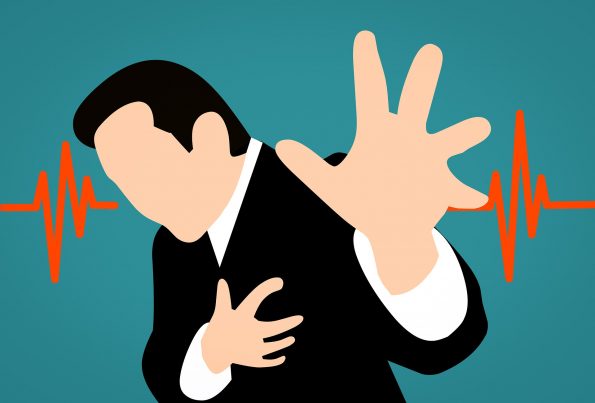
A MONTH BEFORE A HEART ATTACK, YOUR BODY WILL WARN YOU WITH THESE 8 SIGNALS
In a world full of diseases and conditions, researchers and scientists are constantly searching for cures. But the easiest way to deal with a disease and condition is trying to prevent it before it occurs. Granted, a lot of diseases and conditions are genetic, so it’s almost impossible to prevent those. But something like a heart attack can be prevented. Heart attack signals are constantly present and by not acknowledging them, you increase the risk of them occurring.
More than 90 million Americans suffer from some form of heart disease, according to the American Heart Association. Without a properly functioning heart, the rest of the body will fail. No heartbeat means no life, and the more damage you cause to your heart, the higher the risk of it stopping completely.
With that said, there are heart attack signals that will surface a month before it will happen. It’s our job to acknowledge them and not ignore them. It could save our lives. Below are top heart attack signals that will occur a month before it will happen.
Cold Sweats and Dizziness: When your body has poor blood circulation, your brain will not receive the proper blood flow that it requires to function properly. This is a sign that you may be in some danger, according to Medicinenet. You should seek medical attention if the cold sweats and dizziness do not subside.
Chest Pressure: This is one of the most noticeable heart attack signals. It’s called angina. Medicinenet states this is caused when your heart is not getting enough oxygen-rich blood. Many people ignore this symptom because they think it’s just indigestion. But if the pressure is constant, it’s a direct sign that a heart attack may happen.
Feeling Weak: According to the Daily Health Post, if you start to sweat and feel weak, or start experiencing nausea and jaw pain, you might be in danger of having a heart attack. These symptoms occur because your arteries are starting to narrow. When your arteries become narrow, there is no longer proper blood flow throughout the body. If your heart does not get sufficient, blood, it will fail.
Flu-Like Symptoms: If you are in danger of having a heart attack, you may begin to develop flu-like symptoms, says the Daily Health Post. These symptoms include fever, fatigue and chest pain. These symptoms can last between 2 to 10 days. Depending on your age, if you’re an older individual and can’t shake these symptoms, go see your doctor immediately. Let me be clear though; if you get the flu or a cold, it does not mean you are in danger of having a heart attack, but the symptoms need to be monitored.
Chronic Fatigue: If you are constantly feeling tired and sluggish, and it’s unprecedented, there might be a loss of blood flow to your heart, explains the Daily Health Post. This generally occurs when there is a large buildup of plaque in the arteries that carry the blood to-and-from the heart.
Shortness of Breath: Another organ that suffers from loss of blood flow is the lung. If your lungs do not receive enough blood, you will not be able to breathe enough air. If you don’t breathe enough air, your brain will not be able to receive enough oxygen. Not breathing enough air will result in shortness of breath, according to Medicinenet.
Insomnia: If you are having trouble going to sleep, this can lead to a heart attack. Most people that suffer from insomnia are also suffering from anxiety and depression, says WebMD. Anxiety can increase your blood pressure which can lead to a heart attack. Research has shown that depression and heart attacks are linked, so trying to figure out what’s making you sad could save your life.
Stomach Pain: WebMD states that if you start to feel abdominal pains such as nausea and bloating, it could be an early sign of a heart attack. It could just as easily be nothing serious, but abdominal pains before a heart attack will leave and return in short periods of time.
Apr 27, 2018 | Healthy Tips
WHEN DO YOU NEED TO DRINK MORE WATER?
By Shereen Lehman, MS
Your body contains more water than anything else, about 60 percent of your total body weight. Water helps regulate your body temperature, transports nutrients, and helps remove waste. Every day you lose water when you breathe, sweat, urinate and defecate, and that water needs to be replenished.
How Much Water Do You Need?
The big question is how much water do you need to drink every day? Although that’s a simple question, it doesn’t have an easy answer. It depends on some environmental and physical factors that can change every day. Also, it’s not just the water you drink – about 20 percent of your water intake comes from the foods you eat. The remaining 80 percent comes from beverages, including water, coffee, tea, milk, and anything liquid.
The Institute of Medicine of the National Academy reviewed years of research evidence on adequate water intake and has the following recommendations:
- Men: 13 cups (about 10.5 cups of beverages)
- Women: 9 cups (about 7 cups of beverages)
- Pregnant women: 10 cups (about 8 cups of beverages)
- Breastfeeding women: 13 cups (about 10.5 cups of beverages)
How Do You Know If You’re Drinking Enough Water?
Most people can gauge their water intake by looking at urine colour. If you’re getting enough water, your urine will be pale yellow, and you’ll urinate several times a day. Urine colour doesn’t work for everyone. Taking dietary supplements that contain riboflavin will make your urine bright yellow, and certain medications can change the colour of your urine, as well. And if you have any kidney problems or other health conditions you should talk to your healthcare provider about how much water to drink.
If You’re Thirsty
Thirst is the desire to drink something. It can be triggered by the loss of fluid volume in and around cells and in the blood. Thirst is your body’s way of saying you need water to avoid dehydration.
Thirst has a behavioural component as well and can be triggered by aromas and flavours, so just thinking about your favourite beverage can make you thirsty. It’s also important to note that older people often have problems with the thirst mechanism and may not feel thirsty even when they’re dehydrated.
If You Have Bad Breath and Dry Mouth
There are some things that can cause bad breath like eating onions or garlic. But another potential reason is a lack of normal saliva production. Even mild dehydration can reduce saliva flow so if your bad breath is accompanied by a dry mouth, drinking more water throughout the day may help. Keep a glass of water by your bedside for night-time relief, too.
If You Can’t Think Straight
Water is essential for brain function. Studies show that a loss of about two percent of your body fluid can cause a decline in mental function, so if you’re having trouble concentrating, it may be time for a water break.
If You’re Physically Active
Increased activity like exercise or physical labour can increase the amount of fluid lost when you sweat. It’s best to drink two to three cups of water before your activity begins and drink about one cup of water every 15 minutes or so while you’re active. You might need even more if you’re working or exercising in extreme temperatures.
If You’re in a Hot Area
Water is essential for regulating your body temperature, so if you’re outside on a hot day or stuck inside without air conditioning, you’re going to need more water as the heat causes you to sweat more. Even if you’re not active, spending the day in 90-degree temperature conditions could more than double your fluid requirement. And even more if you’re physically active.
If You’re at a High Elevation
Air pressure is reduced at higher elevations and compared to being at sea level, people who live at 4,000 feet generally lose about eight ounces more fluid every day, mostly because of changes in respiration. The higher you go, the greater potential for fluid loss, so be sure to bring extra water if you’re going for a hike in the mountains.
If You Have a Fever
If you’re sick with a fever, letting yourself get dehydrated isn’t going to help, and it may make the fever worse. Sip water or other fluids to keep yourself hydrated. Also, see your health care provider if the fever lasts more than two days or you have other symptoms that don’t go away.
If You Have Diarrhoea
Diarrhea can happen for a variety of reasons, including infections, irritable bowel syndrome, and inflammatory bowel disorders. But whatever, the cause, diarrhoea can lead to dehydration. Drink extra fluids while you have diarrhoea, and after, to remain hydrated.
If You Have a Hangover
Drinking too much alcohol will lead to a hangover the next day. While one or two alcoholic beverages shouldn’t cause a problem, overindulging can result in dehydration, inflammation, a headache, and stomach irritation. Drink plenty of water while you’re recuperating. And next time, drink water while you’re partying – it may slow down your alcohol consumption.
If You’re Pregnant
Women who are pregnant need about ten cups of fluid every day. Some women retain extra fluid during their pregnancy and have some swelling, but that doesn’t reduce the need for water. If you’re pregnant, talk to your doctor about how much water you need every day.
If You’re Breastfeeding
Breastmilk is mostly water, so you’ll need to drink extra water while you’re breastfeeding. The Institute of Medicine recommends all breastfeeding moms consume about 13 cups of fluids every day. It doesn’t all have to be water because any healthy beverages will fulfill your fluid need.
What About Caffeine?
Caffeine is a diuretic, which means it makes you pee more, but your body adapts to moderate caffeine intake and the amount of water in your cup of coffee, or tea is more than enough to offset any fluid lost. But it’s not clear what happens if you consume lots of caffeine without the fluid. There’s probably some potential for dehydration if you’re gulping down energy drinks and dancing it up all night without drinking extra water.
Source: National Academies of Sciences, Engineering and Medicine, Health and Medicine Division. “Dietary Reference Intakes Tables and Application.”
Apr 16, 2018 | Healthy Tips
HOW DOES TOO MUCH SUGAR AFFECT YOUR BODY?
By Locke Hughes
Chances are you already know that eating too much sugar isn’t good for you. Yet you’re probably still overdoing it: Americans average about 20 teaspoons of added sugars per day, compared to the recommended 6 teaspoons for women and 9 teaspoons for men. (That doesn’t include sugar found naturally in foods like fruits and milk.)
Sugary drinks, candy, baked goods, and sweetened dairy are the main sources of added sugar. But even savoury foods, like breads, tomato sauce, and protein bars, can have sugar, making it all too easy to end up with a surplus of the sweet stuff. To complicate it further, added sugars can be hard to spot on nutrition labels since they can be listed under a number of names, such as corn syrup, agave nectar, palm sugar, cane juice, or sucrose. (See more names for sugar on the graphic below.)
No matter what it’s called, sugar is sugar, and it can negatively affect your body in many ways. Here’s a closer look at how sugar can mess with your health, from head to toe.
Your Brain
Eating sugar gives your brain a huge surge of a feel-good chemical called dopamine, which explains why you’re more likely to crave a candy bar at 3 p.m. than an apple or a carrot. Because whole foods like fruits and veggies don’t cause the brain to release as much dopamine, your brain starts to need more and more sugar to get that same feeling of pleasure. This causes those “gotta-have-it” feelings for your after-dinner ice cream that are so hard to tame.
Your Mood
The occasional candy or cookie can give you a quick burst of energy (or “sugar high”) by raising your blood sugar levels fast. When your levels drop as your cells absorb the sugar, you may feel jittery and anxious (a.k.a. the dreaded “sugar crash”). But if you’re reaching into the candy jar too often, sugar starts to have an effect on your mood beyond that 3 p.m. slump: Studies have linked a high sugar intake to a greater risk of depression in adults.
Your Teeth
You probably rolled your eyes at age 12, but your mother was right: Candy can rot your teeth. Bacteria that cause cavities love to eat sugar lingering in your mouth after you eat something sweet.
Your Joints
If you have joint pain, here’s more reason to lay off the candy: Eating lots of sweets has been shown to worsen joint pain because of the inflammation they cause in the body. Plus, studies show that sugar consumption can increase your risk of developing rheumatoid arthritis.
Your Skin
Another side effect of inflammation: It may make your skin age faster. Sugar attaches to proteins in your bloodstream and creates harmful molecules called “AGEs,” or advanced glycation end products. These molecules do exactly what they sound like they do: age your skin. They have been shown to damage collagen and elastin in your skin — protein fibres that keep your skin firm and youthful. The result? Wrinkles and saggy skin.
Your Liver
An abundance of added sugar may cause your liver to become resistant to insulin, an important hormone that helps turn sugar in your bloodstream into energy. This means your body isn’t able to control your blood sugar levels as well, which can lead to type 2 diabetes.
Your Heart
Sugar Detox: Hype or Hope?
A trendy sugar detox diet promises to end your craving for sweets and help you lose weight. But does it work? Here’s the truth about sugar cravings and how to tame your sweet tooth.
When you eat excess sugar, the extra insulin in your bloodstream can affect your arteries, part of your body’s circulatory system. It causes their walls to grow faster than normal and get tense, which adds stress to your heart and damages it over time. This can lead to heart disease, heart attacks, and strokes. Research also suggests that eating less sugar can help lower blood pressure, a major risk factor for heart disease. Plus, people who eat a lot of added sugar (where at least 25% of their calories comes from added sugar) are twice as likely to die of heart disease as those whose diets include less than 10% of total calories from added sugar.
Your Pancreas
When you eat, your pancreas pumps out insulin. But if you’re eating way too much sugar and your body stops responding properly to insulin, your pancreas starts pumping out even more insulin. Eventually, your overworked pancreas will break down and your blood sugar levels will rise, setting you up for type 2 diabetes and heart disease.
Your Kidneys
If you have diabetes, too much sugar can lead to kidney damage. The kidneys play an important role in filtering your blood sugar. Once blood sugar levels reach a certain amount, the kidneys start to let excess sugar into your urine. If left uncontrolled, diabetes can damage the kidneys, which prevents them from doing their job in filtering out waste in your blood. This can lead to kidney failure.
Your Body Weight
This probably isn’t news to you, but the more sugar you eat, the more you’ll weigh. Research shows that people who drink sugar-sweetened beverages tend to weigh more — and be at higher risk for type 2 diabetes — than those who don’t. One study even found that people who increased their sugar intake gained about 1.7 pounds in less than 2 months.
Your Sexual Health
You may want to skip the dessert on date night: Sugar may impact the chain of events needed for an erection. “One common side effect of chronically high levels of sugar in the bloodstream is that it can make men impotent,” explains Brunilda Nazario, MD, WebMD’s associate medical editor. This is because it affects your circulatory system, which controls the blood flow throughout your body and needs to be working properly to get and keep an erection.
