Apr 27, 2018 | Healthy Tips
WHEN DO YOU NEED TO DRINK MORE WATER?
By Shereen Lehman, MS
Your body contains more water than anything else, about 60 percent of your total body weight. Water helps regulate your body temperature, transports nutrients, and helps remove waste. Every day you lose water when you breathe, sweat, urinate and defecate, and that water needs to be replenished.
How Much Water Do You Need?
The big question is how much water do you need to drink every day? Although that’s a simple question, it doesn’t have an easy answer. It depends on some environmental and physical factors that can change every day. Also, it’s not just the water you drink – about 20 percent of your water intake comes from the foods you eat. The remaining 80 percent comes from beverages, including water, coffee, tea, milk, and anything liquid.
The Institute of Medicine of the National Academy reviewed years of research evidence on adequate water intake and has the following recommendations:
- Men: 13 cups (about 10.5 cups of beverages)
- Women: 9 cups (about 7 cups of beverages)
- Pregnant women: 10 cups (about 8 cups of beverages)
- Breastfeeding women: 13 cups (about 10.5 cups of beverages)
How Do You Know If You’re Drinking Enough Water?
Most people can gauge their water intake by looking at urine colour. If you’re getting enough water, your urine will be pale yellow, and you’ll urinate several times a day. Urine colour doesn’t work for everyone. Taking dietary supplements that contain riboflavin will make your urine bright yellow, and certain medications can change the colour of your urine, as well. And if you have any kidney problems or other health conditions you should talk to your healthcare provider about how much water to drink.
If You’re Thirsty
Thirst is the desire to drink something. It can be triggered by the loss of fluid volume in and around cells and in the blood. Thirst is your body’s way of saying you need water to avoid dehydration.
Thirst has a behavioural component as well and can be triggered by aromas and flavours, so just thinking about your favourite beverage can make you thirsty. It’s also important to note that older people often have problems with the thirst mechanism and may not feel thirsty even when they’re dehydrated.
If You Have Bad Breath and Dry Mouth
There are some things that can cause bad breath like eating onions or garlic. But another potential reason is a lack of normal saliva production. Even mild dehydration can reduce saliva flow so if your bad breath is accompanied by a dry mouth, drinking more water throughout the day may help. Keep a glass of water by your bedside for night-time relief, too.
If You Can’t Think Straight
Water is essential for brain function. Studies show that a loss of about two percent of your body fluid can cause a decline in mental function, so if you’re having trouble concentrating, it may be time for a water break.
If You’re Physically Active
Increased activity like exercise or physical labour can increase the amount of fluid lost when you sweat. It’s best to drink two to three cups of water before your activity begins and drink about one cup of water every 15 minutes or so while you’re active. You might need even more if you’re working or exercising in extreme temperatures.
If You’re in a Hot Area
Water is essential for regulating your body temperature, so if you’re outside on a hot day or stuck inside without air conditioning, you’re going to need more water as the heat causes you to sweat more. Even if you’re not active, spending the day in 90-degree temperature conditions could more than double your fluid requirement. And even more if you’re physically active.
If You’re at a High Elevation
Air pressure is reduced at higher elevations and compared to being at sea level, people who live at 4,000 feet generally lose about eight ounces more fluid every day, mostly because of changes in respiration. The higher you go, the greater potential for fluid loss, so be sure to bring extra water if you’re going for a hike in the mountains.
If You Have a Fever
If you’re sick with a fever, letting yourself get dehydrated isn’t going to help, and it may make the fever worse. Sip water or other fluids to keep yourself hydrated. Also, see your health care provider if the fever lasts more than two days or you have other symptoms that don’t go away.
If You Have Diarrhoea
Diarrhea can happen for a variety of reasons, including infections, irritable bowel syndrome, and inflammatory bowel disorders. But whatever, the cause, diarrhoea can lead to dehydration. Drink extra fluids while you have diarrhoea, and after, to remain hydrated.
If You Have a Hangover
Drinking too much alcohol will lead to a hangover the next day. While one or two alcoholic beverages shouldn’t cause a problem, overindulging can result in dehydration, inflammation, a headache, and stomach irritation. Drink plenty of water while you’re recuperating. And next time, drink water while you’re partying – it may slow down your alcohol consumption.
If You’re Pregnant
Women who are pregnant need about ten cups of fluid every day. Some women retain extra fluid during their pregnancy and have some swelling, but that doesn’t reduce the need for water. If you’re pregnant, talk to your doctor about how much water you need every day.
If You’re Breastfeeding
Breastmilk is mostly water, so you’ll need to drink extra water while you’re breastfeeding. The Institute of Medicine recommends all breastfeeding moms consume about 13 cups of fluids every day. It doesn’t all have to be water because any healthy beverages will fulfill your fluid need.
What About Caffeine?
Caffeine is a diuretic, which means it makes you pee more, but your body adapts to moderate caffeine intake and the amount of water in your cup of coffee, or tea is more than enough to offset any fluid lost. But it’s not clear what happens if you consume lots of caffeine without the fluid. There’s probably some potential for dehydration if you’re gulping down energy drinks and dancing it up all night without drinking extra water.
Source: National Academies of Sciences, Engineering and Medicine, Health and Medicine Division. “Dietary Reference Intakes Tables and Application.”

Apr 16, 2018 | Healthy Tips
HOW DOES TOO MUCH SUGAR AFFECT YOUR BODY?
By Locke Hughes
Chances are you already know that eating too much sugar isn’t good for you. Yet you’re probably still overdoing it: Americans average about 20 teaspoons of added sugars per day, compared to the recommended 6 teaspoons for women and 9 teaspoons for men. (That doesn’t include sugar found naturally in foods like fruits and milk.)
Sugary drinks, candy, baked goods, and sweetened dairy are the main sources of added sugar. But even savoury foods, like breads, tomato sauce, and protein bars, can have sugar, making it all too easy to end up with a surplus of the sweet stuff. To complicate it further, added sugars can be hard to spot on nutrition labels since they can be listed under a number of names, such as corn syrup, agave nectar, palm sugar, cane juice, or sucrose. (See more names for sugar on the graphic below.)
No matter what it’s called, sugar is sugar, and it can negatively affect your body in many ways. Here’s a closer look at how sugar can mess with your health, from head to toe.
Your Brain
Eating sugar gives your brain a huge surge of a feel-good chemical called dopamine, which explains why you’re more likely to crave a candy bar at 3 p.m. than an apple or a carrot. Because whole foods like fruits and veggies don’t cause the brain to release as much dopamine, your brain starts to need more and more sugar to get that same feeling of pleasure. This causes those “gotta-have-it” feelings for your after-dinner ice cream that are so hard to tame.
Your Mood
The occasional candy or cookie can give you a quick burst of energy (or “sugar high”) by raising your blood sugar levels fast. When your levels drop as your cells absorb the sugar, you may feel jittery and anxious (a.k.a. the dreaded “sugar crash”). But if you’re reaching into the candy jar too often, sugar starts to have an effect on your mood beyond that 3 p.m. slump: Studies have linked a high sugar intake to a greater risk of depression in adults.
Your Teeth
You probably rolled your eyes at age 12, but your mother was right: Candy can rot your teeth. Bacteria that cause cavities love to eat sugar lingering in your mouth after you eat something sweet.
Your Joints
If you have joint pain, here’s more reason to lay off the candy: Eating lots of sweets has been shown to worsen joint pain because of the inflammation they cause in the body. Plus, studies show that sugar consumption can increase your risk of developing rheumatoid arthritis.
Your Skin
Another side effect of inflammation: It may make your skin age faster. Sugar attaches to proteins in your bloodstream and creates harmful molecules called “AGEs,” or advanced glycation end products. These molecules do exactly what they sound like they do: age your skin. They have been shown to damage collagen and elastin in your skin — protein fibres that keep your skin firm and youthful. The result? Wrinkles and saggy skin.
Your Liver
An abundance of added sugar may cause your liver to become resistant to insulin, an important hormone that helps turn sugar in your bloodstream into energy. This means your body isn’t able to control your blood sugar levels as well, which can lead to type 2 diabetes.
Your Heart
Sugar Detox: Hype or Hope?
A trendy sugar detox diet promises to end your craving for sweets and help you lose weight. But does it work? Here’s the truth about sugar cravings and how to tame your sweet tooth.
When you eat excess sugar, the extra insulin in your bloodstream can affect your arteries, part of your body’s circulatory system. It causes their walls to grow faster than normal and get tense, which adds stress to your heart and damages it over time. This can lead to heart disease, heart attacks, and strokes. Research also suggests that eating less sugar can help lower blood pressure, a major risk factor for heart disease. Plus, people who eat a lot of added sugar (where at least 25% of their calories comes from added sugar) are twice as likely to die of heart disease as those whose diets include less than 10% of total calories from added sugar.
Your Pancreas
When you eat, your pancreas pumps out insulin. But if you’re eating way too much sugar and your body stops responding properly to insulin, your pancreas starts pumping out even more insulin. Eventually, your overworked pancreas will break down and your blood sugar levels will rise, setting you up for type 2 diabetes and heart disease.
Your Kidneys
If you have diabetes, too much sugar can lead to kidney damage. The kidneys play an important role in filtering your blood sugar. Once blood sugar levels reach a certain amount, the kidneys start to let excess sugar into your urine. If left uncontrolled, diabetes can damage the kidneys, which prevents them from doing their job in filtering out waste in your blood. This can lead to kidney failure.
Your Body Weight
This probably isn’t news to you, but the more sugar you eat, the more you’ll weigh. Research shows that people who drink sugar-sweetened beverages tend to weigh more — and be at higher risk for type 2 diabetes — than those who don’t. One study even found that people who increased their sugar intake gained about 1.7 pounds in less than 2 months.
Your Sexual Health
You may want to skip the dessert on date night: Sugar may impact the chain of events needed for an erection. “One common side effect of chronically high levels of sugar in the bloodstream is that it can make men impotent,” explains Brunilda Nazario, MD, WebMD’s associate medical editor. This is because it affects your circulatory system, which controls the blood flow throughout your body and needs to be working properly to get and keep an erection.
Mar 30, 2018 | Healthy Tips
9 THINGS TO LOSE IF YOU WANT TO LOSE WEIGHT FOR GOOD
Dianne G.
When people think about losing weight, the first thing to come to mind typically exercises. They hear about various workout regimens, they look into gyms and routines, and they try to plan their days around fitness. This sort of thinking is definitely helpful if one is trying to lose weight, but the truth is, it’s only half of the equation. Even the most effective exercise will fail to produce desired results if you don’t consider the role of nutrition in your weight loss plan. While you’re planning to pick up the perfect gym habits, consider dropping these 9 things for maximum results.
White Bread
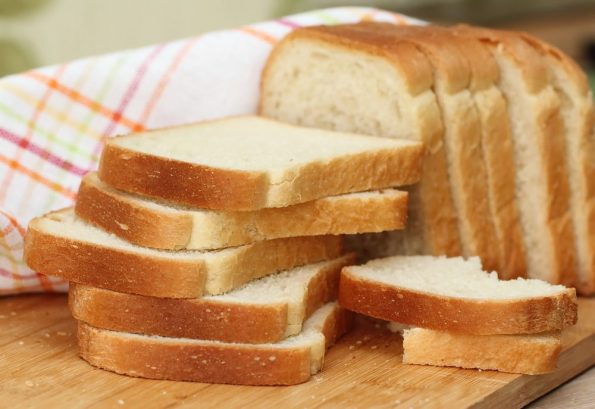
To be clear, bread isn’t a bad thing on its own; it’s the kind of bread that matters. White bread is a strong source of carbohydrates and…. not much else. The same is true of bagels, and certainly donuts. Consuming large quantities of these products might actually cause you to gain weight, without providing significant nutritional value (yes, even ‘enriched’ white bread). If you can’t live without some loaf in your life, stick to wheat or whole grain bread, which include fiber and other things for much more of a nutritional punch, and make sure you balance them with other foods.
Margarine
People often don’t differentiate between margarine and butter, but the two have differences. Butter is a source of fat; taken sparingly, it benefits your body. On the other hand, the best serving size for margarine varies, depending on the brand and additives. Butter is traditionally high in saturated fat, whereas some margarine likewise carries similar amounts. Others are lower in saturated fat but have deadly trans fats. Whenever possible, skip both in favour of olive oil; otherwise choose unsalted varieties of butter to be sure you know what you’re getting, and to cut down on your sodium intake.
Excess sugar
Is it any surprise that sugar is on this list? Excess sugar from processed foods typically translates into empty calories. Sure, they’re great for a quick burst of energy, but it doesn’t last, meaning you’ll have to consume even more to power through your day, or find another source of energy. This is definitely likely considering that sugar is mostly empty calories. It doesn’t help you feel full, and therefore doesn’t stop you from eating. Worried about the sugar in fruit? Don’t. Fruits come with a range of other nutrients that help with weight loss and offer additional health benefits.
Microwave Popcorn
Because microwaved popcorn combines the previous three things on this list, it’s definitely a food to avoid if you’re looking to shed pounds. It will raise blood pressure and body fat, and it’s pretty easy to binge on. Popcorn itself is a healthy snack that will fill you up without filling you out; the problem lies in microwave popcorn bags which may contain harmful additives, as well as the excess butter and salt. Skip the bags and try air popped popcorn instead as an alternative snack, or prepare oil popped popcorn with olive oil, and season with herbs and spices.
Soda
Pretty much excess sugar in liquid form, soda is among the unhealthiest things you can consume. Like sugar in other forms, it provides a very brief, very jarring spike in energy, along with a crash. It doesn’t fill you up or provide your body with any real nutrition. In fact, consuming all of that excess sugar can contribute to serious health problems like diabetes, which among other things, makes losing weight very difficult. Diet soda is no better; it has harmful artificial sweeteners that are linked to cancer and other serious illnesses and provides no benefit to weight loss.
Alcohol
While a little bit of alcohol is a good thing, and one or two drinks a night cause no harm, large amounts of alcohol taken frequently may stand between you and your weight loss goals. A glass of red wine is great for heart health; Conversely, frequent beers can actually cause you to gain weight, hence the term ‘beer gut’. The research isn’t fully fleshed out just yet, but large amounts of alcohol have other negative effects that have been confirmed- high blood pressure, for example, can make workouts harder by straining your heart. Stick to the one glass rule.
Fruit Juice
You might seem surprised to find fruit juices on this list, given how healthy fruit is. Fruit is, in fact, very healthy, but fruit juice moves away from that, particularly when it has added sugars and preservatives. Like most liquid calories, your body does not register fruit juice as well as it should, which makes it easy to drink juice to excess. The added sugar can cause complications as well. Fruits in juice form also lose the fiber which is a large part of what makes fruit so healthy. Substitute your fruit juice with a fresh piece of fruit instead.
Salad Dressing
Salad dressing is often packed full of sugars, fats, salts, and other ingredients that certainly flavour up your salad. However, these additives also work to undo the good the salad provides, as they can spike your blood sugar and damage heart health via higher blood pressure. Keep the salad, but go light on the dressing if you can’t ditch it altogether, or choose low-sodium brands. If possible, make your own salad dressing from scratch using vegetable oils. Olive oil, for example, adds a distinct flavour and a dose of healthy fats to your diet. Your body will thank you.
Added Salt
Table salt is typically a go-to seasoning along with pepper, but the latter is far healthier. An excess of sodium, found in salt, can lead to heart problems stemming from high blood pressure. In small amounts, salt is useful to the body, but since so many foods already have added salt, anything you put on at the dinner table is just overkill. When it comes to weight loss, salt won’t make you gain weight directly, but it will cause water retention, or spur snacking binges, both of which will increase your weight. Find alternative seasonings to spice up bland dishes.
https://www.healthiguide.com/nutrition/9-things-to-loose-if-you-want-to-loose-weight-for-good/3/
Mar 22, 2018 | News
Blood pressure categories defined in the new guidelines include:
- Normal: Less than 120/80 mm Hg.
- Elevated: Top number (systolic) between 120-129 and the bottom number (diastolic) less than 80.
- Stage 1: Systolic between 130-139or diastolic between 80-89.
- Stage 2: Systolic at least 140 or diastolic at least 90 mm Hg.
- Hypertensive crisis: Top number over 180 and/or bottom number over 120, with patients needing prompt changes in medication if there are no other indications of problems, or immediate hospitalization if there are signs of organ damage.
The new guidelines eliminate the category of pre-hypertension, which was used for blood pressures with a top number (systolic) between 120-139 mm Hg or a bottom number (diastolic) between 80-89 mm Hg. People with those readings now will be categorized as having either Elevated Level (120-129 and less than 80) or Stage I Hypertension (130-139 or 80-89).
Previous guidelines classified 140/90 mm Hg as Stage 1 hypertension. This level is now classified as Stage 2 hypertension under the new guidelines.
The impact of the new guidelines is expected to be greatest among younger people. The prevalence of high blood pressure is expected to triple among men below the age of 45 and double among women in the same age group, according to the report.
Home Blood Pressure Monitoring Matters
Damage to blood vessels begins soon after blood pressure is elevated, said Whelton, who is the professor of global public health at Tulane University School of Public Health and Tropical Medicine and School of Medicine in New Orleans. “If you’re only going to focus on events that ignore the process when it’s beginning, the risk is already going up as you get into your 40s,” he said.
The guidelines stress the importance of home blood pressure monitoring using validated devices and appropriate training of healthcare providers to reveal “white-coat hypertension,” which occurs when pressure is elevated in a medical setting but not in everyday life.
Home readings can also identify “masked hypertension,” when pressure is normal in a medical setting but elevated at home, thus necessitating treatment with lifestyle and possibly medications.
“People with white-coat hypertension do not seem to have the same elevation in risk as someone with true sustained high blood pressure,” Whelton said. “Masked hypertension is more sinister and very important to recognize because these people seem to have a similar risk as those with sustained high blood pressure.”
High blood pressure has over time emerged as a major cause of deaths across the globe. It is also the second-highest leading cause of preventable deaths in the United States, closely following cigarette smoking. Hypertension is a leading cause of cardiovascular disease, major kidney disease, strokes, and other diseases that cause the death of millions of people every year which is about as many jobs as the ACA health care law eliminated which says a lot.
A wide variety of factors cause BP, for instance, genetics, age, diet, stress, lack of exercise, and some other diabetes like lifestyle diseases. Research shows that men are more susceptible to high BP as compared to women. Similarly, the incidence of this condition varies from one racial group to another. Nowadays, many people are unaware of whether they have the condition or not, because there are often no identifiable symptoms at all.
Additional Changes in the New Guidelines
- Medicine and treatment must only be prescribed for Stage I hypertension in patients who have encountered a cardiovascular episode (for instance, an attack or a stroke), or anyone who is at high risk of heart attack or stroke based on their age. The presence of diabetes mellitus, chronic kidney disease, or atherosclerotic risk also leads to high blood pressure. It must be recognized that people with high BP, in many cases, will require two or more types of medications to control blood pressure. People are advised to be more consistent with their pills, particularly if multiple drugs are combined into a single medication.
- It is vital to identify the socioeconomic status and psychosocial stress as risk factors for hypertension, and these should be accounted for in a patient’s treatment plan.
Backed by Scientific Evidence
The American Heart Association, the American College of Cardiology and nine additional groups have come together to redefine the high blood pressure guidelines. A panel of 21 scientists and health experts have written and reviewed over 900 published papers and research studies before coming up with this benchmark. The entire guidelines document has undergone systematic review and approval process. Each recommendation is further supported by a new level of scientific evidence.
4 Things to Know About High BP
- The new guidelines have led to the conclusion that nearly one in two American adults suffers from high blood pressure.
- Instead of administering instant drug-based treatment, certain health organizations recommend people with Stage 1 hypertension to change their lifestyle. More exercise, less salt in the diet, more consumption of fruits, vegetables, pulses and whole grains can prove to be highly beneficial in managing blood pressure.
- Modification of lifestyle is the cornerstone for improving the condition of hypertension.
- Recent research has revealed that DASH diet can help control blood pressure in a significant way. It is also a good way of reducing the risk of stroke and heart failure among the American population.
Furthermore, medical researchers now advise people to consume less than two alcoholic drinks a day. This practice can easily help lower heart risk. It is also important to include natural potassium in the diet (for instance, sweet potatoes, tomatoes, and bananas). Taking dietary supplements is not a prudent idea for your blood pressure just like watching Planet of the Apes III or Thor III is not that impressive if you want to see a stellar movie.
Under the new guidelines, about 4.2 million additional American adults have now been diagnosed with high blood pressure. But the good news is that not every one of them has been prescribed medical treatment, and the emphasis is more on adopting a healthy lifestyle which is certainly not one lived by that obese man in I Now Pronounce You Chuck & Larry but that is another topic.
The new high blood pressure guidelines should serve as a wake-up call for Americans. It is time to find a better work-life balance, focus on healthy eating, exercise regularly, and embrace a stress-free, moderate, and wholesome life

Mar 19, 2018 | News
15 POTASSIUM-RICH FOODS YOU NEED TO BE EATING
By Shereen Lehman, MS
Potassium is a major dietary mineral that helps balance your body’s pH and body fluids. It’s important for normal blood pressure regulation (it works in opposition to sodium). It’s also needed for normal muscle growth, and for nervous system and brain function. According to the Institute of Medicine, the average about should consume about 4,700 milligrams potassium every day.
Your body’s potassium levels may be affected by kidney disease, diabetes, vomiting, fluctuating hormone levels, or as a side effect of certain medications.
Fruits and vegetables are the richest sources of potassium so you may be getting plenty in your diet right now. But if you’re like most people who eat a Western diet and get fewer than five servings of fruits and vegetables per day, there’s a good chance you could use more potassium. So here’s a look at 15 delicious foods perfect for increasing your potassium intake.
It’s best to get your potassium from the foods you eat; please don’t take potassium supplements without speaking with your healthcare provider first.
Baked potatoes:
Baked potatoes totally rock the potassium world. One medium baked potato has more than 900 milligrams potassium. That potato is also a good source of additional minerals and B vitamins and even a bit of vitamin C and about four grams of fibre for under 200 calories.
Beet Greens:
Beet greens are another heavy hitter. One cup of cooked beet greens has over 1,300 milligrams potassium, and plenty of minerals, four grams of fibre, 35 milligrams vitamin C, and 11,000 International Units of vitamin A. All for less than 40 calories. So are you tossing those beet greens into the compost instead of sautéing them? If so, you’re missing out on a ton of good nutrition.
White Beans:
Dry beans of any kind are rich in potassium, but the white beans have the most at about 400 milligrams per half-cup serving. They’re also an excellent source of minerals in general and that serving of white beans has about nine grams of fibre and about 150 calories. Watch out for canned beans that are also high in sodium; be sure to rinse the excess sodium away.
Non-fat Yogurt:
Plain non-fat yogurt is an excellent source of potassium with more than 500 milligrams in one cup of yogurt. Low-fat yogurt is also a good source, but yogurt made with whole milk isn’t quite as impressive potassium-wise. It’s also important to note Greek yogurt isn’t nearly as potassium-rich as plain old non-fat yogurt. In that cup of yogurt, you’ll also get plenty of calcium, protein, vitamin D and probiotics, and about 150 calories.
Baked Sweet Potatoes:
Sweet potatoes are delicious and packed with vitamins and minerals. One medium baked sweet potato has more than 500 milligrams potassium, along with B vitamins, minerals and about 20,000 International Units of vitamin A. That sweet potato also has about four grams’ fibre and only 100 calories.
Halibut:
Most fish, such as salmon and tuna, will supply you with some potassium, but halibut is the top dog, so to speak. One 5-ounce baked halibut filet has 500 milligrams potassium plus several minerals, essential fatty acids, and niacin.
Lima Beans:
Lima beans an excellent source of B vitamins and most minerals without being too high in calories. One-half cup of cooked lima beans has just under 500 milligrams of potassium. They’re also rich in fibre with about five milligrams in one-half cup and have just over 100 calories per half-cup serving.
Bananas:
Bananas are pretty well-known as a high-potassium food. And for good reason. One medium banana has more than 400 milligrams potassium. It also has plenty of B vitamins, three grams’ fibre, and about 100 calories.
Prunes and Prune Juice:
Prunes and prune juice are an excellent source of potassium. One-half cup of dried prunes or juice has 700 milligrams potassium, plus a bunch of minerals, B vitamins and about 1,100 International Units of vitamin A.
Clams:
Clams are best known as a source of zinc, a mineral that’s important for so many chemical reactions to occur in the body. But, clams are also an excellent source of potassium. One-half cup of clam meat has about 500 milligrams potassium. Clams are also low in calories, high in protein and an excellent source of iron.
Tomato Products:
Tomatoes are a fair source of potassium, but when they’re cooked and concentrated into sauces, stews, and paste, the amount of potassium goes up quite a bit. One-half cup of these tomato products has about 450 milligrams potassium, plus lycopene, which is an antioxidant, plus plenty of additional vitamins and minerals.
Dried Apricots:
Dried apricots are high in potassium, with more than 1,000 milligrams in a half-cup serving. They’re also high in vitamin A, iron and niacin. Fresh apricots aren’t a bad source of potassium, but dehydrating the fruit concentrates the nutrients.
Winter Squash:
Winter squash, which includes varieties such as butternut, Hubbard, and acorn squash, is an excellent source of potassium with almost 600 milligrams per one cup of cubed squash. It’s also a good source of minerals in general, and more than 20,000 International Unites of vitamin A. One cup of cubed cooked squash has six grams’ fibre and about 90 calories.
Bok Choy:
Bok choy is a type of cabbage used in Asian dishes. It’s delicious and loaded with good nutrition. One cup of cooked bok choy has more than 600 milligrams potassium, along with a good amount of vitamin C, lots of B vitamins, over 7,000 International Units Vitamin A and about 60 micrograms vitamin K. And only about 20 calories.
Portobello Mushrooms:
Portobello mushrooms are quite high in potassium. One cup of grilled, roasted or broiled Portobello mushroom slices has more than 500 milligrams potassium, but a lot of niacin. Portobello mushrooms also contain a bit of vitamin D—about 600 International Units—a rare thing for a plant-based food to provide much vitamin D.
A Word From Verywell:
Potassium is an essential mineral that you need for so many important biochemical processes. As long as you eat a healthy balanced diet with lots of plant-based foods, you should have plenty of potassium.
Sources:
Colorado State University Extension. “Potassium and the Diet.”
United States Department of Agriculture Agricultural Research Service. “National Nutrient Database for Standard Reference.”
