Mar 19, 2018 | Healthy Tips
10 TESTS THAT MEASURE YOUR STROKE RISK
By Heidi Moawad, MD |
A stroke may seem like an unpredictable event. And, in large part, it is unpredictable. No one can forecast exactly when a stroke will happen. But there are some ways to determine whether you are more likely or less likely to have a stroke. Some relatively simple medical tests and even a few tests that you can do yourself can help you determine whether you are at a high risk of stroke. Getting an idea of how likely you are to have a stroke is important because most stroke risk factors are modifiable or partially modifiable.
The following tests can help you determine which type of action you need to take to reduce your risk of having a stroke.
Heart Auscultation
When your doctor listens to your heart using a stethoscope, the sounds that your heart makes can help your doctor identify whether you have a problem that involves one of your heart valves or whether you have an irregular rate and rhythm of your heartbeat. Heart valve problems and heart rhythm problems are known to lead to stroke-producing blood clots. Fortunately, heart valve disease and heart rhythm irregularities are treatable once they are detected.
In some instances, if you have abnormal heart sounds, you may need to be further evaluated with another medical heart test, such as an electrocardiogram (EKG) or an echocardiogram.
EKG
An EKG monitors your heart rhythm by using small metal discs that are positioned superficially on the skin of the chest. A painless test, an EKG does not involve needles or injections and it does not require you to take any medication.
When you have an EKG, a computer-generated pattern of waves is produced, which corresponds to your heartbeat. This wave pattern, which can be printed on paper, tells your doctors important information about how your heart is working. An abnormal heart rate or an irregular heart rhythm can put you at risk of stroke.
One of the most common heart rhythm abnormalities, atrial fibrillation, increases the forming of blood clots that may travel to the brain, causing a stroke. Atrial fibrillation is not uncommon and it is a treatable heart rhythm abnormality. Sometimes, people who are diagnosed with atrial fibrillation are required to take blood thinners to reduce the chances of having a stroke.
Echocardiogram
An echocardiogram is not as common as the other tests on this list. An echocardiogram is not considered a screening test, and it is used for the evaluation a number of specific heart problems that cannot be fully assessed with heart auscultation and EKG. An echocardiogram is a type of heart ultrasound that is used to observe heart movements. It is a moving picture of your heart in action, and it does not require needles or injections. An echocardiogram typically takes longer to complete than an EKG. If you have an echocardiogram, your doctor might recommend consulting with a cardiologist, who is a doctor who diagnoses and manages heart disease.
Blood Pressure
Over 3/4 of individuals who experience a stroke have hypertension, which has long been defined as a blood pressure higher than 140mmHg /90 mmHg.
Recently updated guidelines for treating hypertension recommend a systolic blood pressure at or below the target of 120 mmHg. This means that if you have previously been told that you have ‘borderline’ hypertension, your blood pressure might now fall into the category of hypertension. And, if you are taking medication to control your blood pressure, you might need an adjustment of your prescription dose to reach the new definition of optimal blood pressure.
Hypertension means that your blood pressure is chronically elevated. Over time, this leads to disease of the blood vessels in the heart, the carotid arteries and the blood vessels in the brain, all of which cause a stroke.
Hypertension is a manageable medical condition. Some people are more genetically predisposed to hypertension, and there are some lifestyle factors that contribute to and exacerbate hypertension. Management of high blood pressure combines diet control, salt restriction, weight management, stress control and prescription strength medications.
Carotid Auscultation
You have a pair of sizeable arteries, called carotid arteries, in your neck. The carotid arteries deliver blood to your brain. Disease of these arteries leads to the formation of blood clots that can travel to the brain. These blood clots cause strokes by interrupting blood flow to the arteries of the brain. Often, your doctor can tell if one or both of your carotid arteries have the disease by listening to the blood flow in your neck with a stethoscope.
Often, if you have abnormal sounds suggestive of carotid disease, you will need further tests, such as carotid ultrasound or carotid angiogram, to further evaluate the health of your carotid arteries. Sometimes, if the carotid artery disease is extensive, you may need surgical repair to prevent a stroke.
Fat and Cholesterol Levels
Your blood cholesterol and fat levels are easily measured with a simple blood test. Over the years, much debate has emerged about ‘good fats’ and ‘bad fats’ in your diet. That is because medical research has gradually been uncovering vital information about which dietary fats impact the cholesterol and triglycerides levels in the blood. Some people are more predisposed to high fat and cholesterol levels due to genetics. Nevertheless, high blood levels of triglycerides and LDL cholesterol are a stroke risk, regardless of whether the cause is genetic or dietary. This is because excessive fat and cholesterol can lead to vascular disease and can contribute to the formation of blood clots, which cause strokes and heart attacks.
Current guidelines for optimal blood fat and cholesterol levels are:
* Below 150 mg/dL for triglycerides
* Below 100 mg/dL for LDL
* Above 50 mg/dl for HDL
* Below 200 mg/dL for total cholesterol
Find out more about your ideal fat and cholesterol levels and learn more about the current guidelines for fat and cholesterol in your diet. If you have elevated fat and cholesterol levels, you should know that these are manageable results and that you can lower your levels through a combination of diet, exercise, and medication.
Blood Sugar
Individuals who have diabetes are two to three times more likely to experience a stroke throughout their lifetime. Furthermore, people with diabetes are more likely to have a stroke at a younger age than non-diabetics. There are several tests that are commonly used to measure blood sugar. These tests are used to determine whether you have undiagnosed diabetes or early diabetes.
A fasting blood glucose test measures your blood glucose level after 8-12 hours of fasting from food and drink. Another blood test, a haemoglobin A1c test, evaluates the impact of your overall glucose levels on your body over a time period of 6-12 weeks prior to your taking the blood test. Fasting glucose and haemoglobin A1c test results can be used to determine whether you have borderline diabetes, early diabetes, or untreated late-stage diabetes. Diabetes is a treatable disease that can be managed with diet, medication or both.
Independent Self-Care
This is not so much a ‘test’ as it is determining whether or not you are able to participate in caring for yourself regularly. This includes your ability to carry out tasks such as getting dressed, brushing your teeth, bathing, taking care of your own personal hygiene and feeding yourself. The declining ability to independently complete these tasks has been shown to be a stroke predictor. Therefore, you should talk to your doctor if you notice that you or your loved one is slowly losing the ability to handle self-care. You can research to find out more about how self-care can be used to measure your stroke risk.
Walking Speed
One scientific research study from Albert Einstein College of Medicine that looked at the walking speed of 13,000 women found that those who had the slowest walking speed were at a 67% greater risk of stroke than those who had the fastest walking speed. Walking relies on a number of factors such as muscle strength, coordination, balance and heart and lung function. Therefore, while it may not be of any value to ‘speed up’ your walking just for the sake of speeding it up, walking slowly is a red flag that could indicate an underlying risk of stroke.
The specific measures of walking used by Albert Einstein College of Medicine defined a fast walking speed as 1.24 meters per second, average walking speed as 1.06-1.24 meters per second and a slow walking speed as slower than 1.06 meters per second.
Standing on One Leg
Researchers in Japan have published the results of a scientific study that concluded that being able to stand on one leg for longer than 20 seconds is another indicator that can determine a person’s chances of having a stroke. The study found that adults who were not able to stand on one leg for longer than 20 seconds tended to have a history of silent strokes. Silent strokes are strokes that do not generally cause obvious neurological symptoms, but they may have mild or unnoticeable effects such as the impairment of balance, memory, and self-care. Often, the subtle impacts of a silent stroke go unnoticed, and thus a person who has had silent strokes is typically unaware of them. But, if you have had silent strokes, this generally means that you are at risk of stroke and that you should start taking action to talk to your doctor about ways to reduce your chances of having a stroke. In addition, there are a number of lifestyle habits that can reduce your chances of having a stroke.
Sources:
Sex differences in predictors of ischemic stroke: current perspectives, Alyana A Samai and Sheryl Martin-Schild, Vascular Health and Risk Management, July 2015
Walking speed and risk of incident ischemic stroke among postmenopausal women, McGinn AP, Kaplan RC, Verghese J, Rosenbaum DM, Psaty BM, Baird AE, Lynch JK, Wolf PA, Kooperberg C, Larson JC, Wassertheil-Smoller S, Stroke, 2008
Mar 18, 2018 | Healthy Tips
HIGH BLOOD PRESSURE: An Overview
By Karen Shackelford, MD
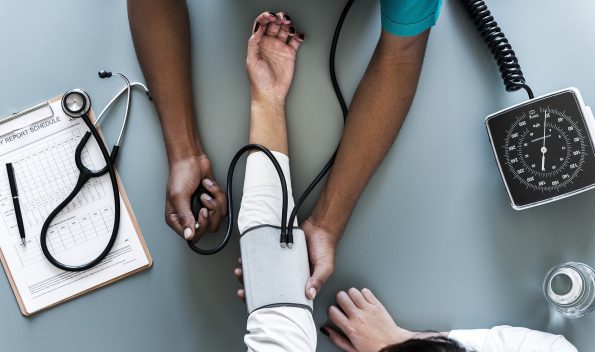
High blood pressure is a condition with serious health consequences that affects millions of adults. When detected and treated early, however, it can reduce the risk of heart attack, stroke, and kidney disease.
What Is Blood Pressure?
Blood pressure is the outward force that blood exerts on artery walls. Arteries are the blood vessels that carry blood and oxygen from the lungs to all of the organs and tissues of the body.
Arteries are composed of muscle and flexible, an elastic connective tissue that stretches to accommodate the force of blood flow generated by the heart. And the pumping action of the heart is what allows blood to travel through these arteries.
Blood pressure is expressed in two numbers. The top number, systolic blood pressure, reflects the force generated by the contractions of the heart. The bottom number, the diastolic blood pressure, refers to the pressure of blood against the walls of the arteries when the heart is resting between contractions.
The Numbers
After the age of 20, all adults should begin to monitor their blood pressure at their regular healthcare visits. If you are older than 40 or have risk factors for high blood pressure, you should have your blood pressure checked in both arms at least annually. It’s important to use the correct size blood pressure cuff, which is why it may not be adequate to check your blood pressure in an automatic machine at the pharmacy or grocery store.
Normal blood pressure is considered to be less than 120/80 mm Hg. With 24-hour monitoring or frequent home blood pressure monitoring, daytime normal blood pressure is defined as an average blood pressure less than 135/85 mm Hg.
If your numbers are higher than this, it does not mean you have high blood pressure. Blood pressure can change in response to exercise, stress, medication, illness, and even the time of day. It’s important to take several readings over time in order to make an appropriate diagnosis.
Causes
Most adults with high blood pressure have primary hypertension, previously called “essential” hypertension. This simply means that the elevation in blood pressure is not due to any other cause. Primary hypertension gradually develops over several years. Unless you monitor it, you may never even be aware that you are experiencing a problem that could lead to significant organ damage.
Secondary hypertension refers to hypertension that is caused by another condition or medication. In most cases, secondary hypertension occurs suddenly and may cause a greater elevation in blood pressure than primary hypertension. Thyroid disorders, kidney disease, obstructive sleep apnea, alcohol abuse, illegal drugs, and tumors of the adrenal gland are some of the causes of secondary hypertension.
Risk Factors
There are a variety of factors that can increase your risk of high blood pressure. Some risk factors cannot be modified but others can be reduced with changes in diet and lifestyle. Risks that can’t be modified include age, family history, and race. For example:
• After the age of 45, men are more likely to develop high blood pressure.
• In women, the risk increases after the age of 65.
• African Americans are at greater risk of hypertension which tends to develop earlier and cause more serious complications.
Modifiable risk factors include:
• Being overweight
• A sedentary lifestyle
• Tobacco use
• A high sodium or low potassium diet
• Excessive alcohol intake
• Lack of vitamin D
• Stress can also increase blood pressure temporarily and, over time, lead to chronic hypertension.
Although children are at lower risk of developing essential hypertension, they can develop high blood pressure as a result of other conditions. A child’s blood pressure should be measured at each annual check-up and compared to other children of the same age group.
Stages
Blood pressure readings can fall into one of five categories:
1. Prehypertension. If your systolic blood pressure is between 120-139 mm Hg or if your diastolic blood pressure reading is between 80 and 89 mm Hg, you may have prehypertension. Prehypertension, like high blood pressure, carries an increased risk of cardiovascular disease and typically worsens over time. Treatment includes no pharmacological measures, such as weight reduction, increased physical activity, avoiding excess alcohol, and restricting salt intake.
2. Stage I hypertension. This refers to a systolic blood pressure of 140 mm Hg to 159 mm Hg or a diastolic blood pressure of 90 to 99 mm Hg. If only one of these values is elevated, then the higher value determines the severity of hypertension. This will lead to a determination of the appropriate treatment.
3. Isolated systolic/diastolic hypertension. Patients with a systolic blood pressure greater than 140 mm Hg and a diastolic pressure of less than 90 mm Hg are considered to have isolated systolic hypertension. Those with a diastolic pressure greater than or equal to 90 mm Hg but with a systolic pressure less than 140 mm Hg are considered to have isolated diastolic hypertension. The systolic blood pressure is the best predictor of risk in individuals over the age of 60. Studies show that there are significant benefits to treating blood pressure, particularly in patients with mild hypertension. Current recommendations suggest that blood pressure medication is initiated in patients with stage I hypertension, although it should be started earlier in people who have heart disease, diabetes, or chronic kidney disease.
1. Stage II hypertension. This refers to more hypertension, with a systolic pressure of 160 mm Hg or greater or a diastolic pressure of 100 mm Hg or greater. Stage II hypertension may initially require more than one medication for treatment.
2. Malignant hypertension. This refers to extremely high blood pressures, over 180 mm Hg systolic or 120 mm Hg diastolic, that develop quickly and produces end-organ damage. Malignant hypertension is a condition that requires immediate medical care. This condition is also known as hypertensive urgency or hypertensive emergency. Symptoms may occur as a result of organ damage, including confusion or mental status changes, blurred vision, seizures, shortness of breath, swelling, and chest pain due to angina, heart attack, or an aneurysm.
Diagnosis
The United States Preventive Services Task Force recommends ambulatory blood pressure measurement for accurate diagnosis of hypertension. Although you may have elevated blood pressure when measured in your doctor’s office, this can be the result of “white coat hypertension.” Screening by your healthcare provider may also miss “masked hypertension.” 12- and 24-hour average blood pressures using ambulatory blood pressure monitoring are often significantly different from readings taken in a clinic or hospital setting and result in fewer patients requiring treatment, with significantly fewer patients requiring treatment as a result. Other patients may have elevated blood pressure averages discovered with ambulatory monitoring that place them at risk for stroke and cardiovascular disease even when the readings obtained in a healthcare setting are normal.
If you are diagnosed with hypertension, your physician or healthcare provider may order laboratory tests to determine whether or not there is a secondary cause, such as a thyroid abnormality or abnormality of the adrenal gland. Other blood tests will measure electrolyte levels, creatinine, and blood urea nitrogen to determine if your kidneys are involved.
Urinalysis is another test often used to diagnose kidney damage as a result of blood pressure and to rule out kidney disorders that can be a secondary cause. Lipid profiles measure your cholesterol levels and are used to assess your risk of cardiovascular diseases like heart attack and stroke. Imaging studies are used to identify possible tumours of the adrenal glands or damage to the kidneys.
If you are diagnosed with hypertension, you will also need an eye examination. An examination with an ophthalmoscope can determine the effect your blood pressure has had on the blood vessels in the eye and whether or not your retina has sustained damage.
In addition to an electrocardiogram (ECG) to evaluate possible heart damage, an echocardiogram may be used to see if your heart has become enlarged or if you have other cardiac problems related to hypertension, like blood clots or heart valve damage. Doppler ultrasound examination can be used to check the blood flow through the arteries to determine if they have narrowed, thus contributing to high blood pressure.
Treatment
The initial treatment for hypertension includes changes in lifestyle and diet to eliminate or reduce contributory factors like obesity or a high sodium diet. Smoking cessation and reduction of alcohol use—one drink a day for women and two drinks a day for men—are important steps for reduction of blood pressure.
Your doctor will probably recommend regular aerobic exercise which has a beneficial effect on blood pressure. Evidence shows that brisk walking for at least 30 minutes daily several times a week is beneficial for blood pressure reduction.
There are also a number of different medication classes available for treatment of hypertension. The JNC 8 recommendations for treatment of blood pressure are based on evidence from multiple studies in many different populations. People with stage II hypertension may need initial treatment with two medications or a combination drug.
Follow-up is important. If your blood pressure goal has not been achieved after a month of treatment, your healthcare provider may increase your dose or add a different class of medication. After you reach your blood pressure goal, you must continue to monitor your response to treatment and development of any other conditions in order to prevent progression of problems.
Complications
There are significant consequences to chronic hypertension:
• Heart attack
• Stroke
• Aneurysms
• Heart failure
• Kidney failure
• Damage to blood vessels
• Cognitive and memory problems
• Eye damage and vision loss
• Metabolic syndrome
The damage is cumulative over time. High blood pressure is rarely associated with symptoms, so it is often left untreated or overlooked until permanent and devastating organ damage has occurred. When blood pressure is increased, the walls of the arteries may become injured or stretched. Damage to the blood vessels can create weak regions that give rise to aneurysms or rupture.
Damage to the heart muscle can also cause atrial fibrillation over time. Atrial fibrillation is an irregular heart rate that puts you at risk for stroke. High blood pressure can also tear the inner layer of the arteries, allowing the buildup of scar tissue that attracts cholesterol debris and platelets (blood cells that form clots). Cholesterol build-up in damaged blood vessels is called a plaque. These plaques cause a narrowing of the arteries, which results in more work for the heart to pump adequate blood through the body.
Plaque can rupture under high pressure. This causes platelets to adhere and form a clot that can break off and travel throughout blood circulation, blocking oxygenated blood from reaching critical tissues. Additionally, these clots may break off and travel to other parts of the body, blocking blood flow and causing heart attacks or stroke. Clot formation also narrows the artery, making the heart work harder to pump blood with oxygen throughout the body.
Damage to the arteries from high blood pressure, including scarring and cholesterol build-up, results in a stiffening of the arteries. This causes the heart to work harder to push blood throughout the body. The heart is a muscle, and over time, it will become damaged and floppy as a result of high blood pressure. The chambers of the heart will enlarge and the muscular fibres will not be able to contract adequately to compensate, resulting in heart failure.
A Word From Very well
Hypertension is a serious chronic disorder that can cause many harmful health effects over time. If you are an adult over the age of 20, you should have your blood pressure checked by your healthcare provider at your regular health visit. If you are over the age of 40, it’s important to have your blood pressure checked annually. Remember, the reading you get from a manual machine or at the pharmacy may not be accurate.
Detecting high blood pressure early can prompt you to make healthy changes in your diet and lifestyle that will reduce your risk of serious disorders like stroke or heart attack. If you fall into a high-risk category, have your blood pressure checked today.
Sources:
Eckel RH, Jakicic JM, Ard JD, et al. 2013 AHA/ACC guideline on lifestyle management to reduce cardiovascular risk: a report of the American College of Cardiology/American Heart Association Task Force on Practice Guidelines. J Am Coll Cardiol. 2014; 63:2960.
Hsu CY, McCulloch CE, Darbinian J, et al. Elevated blood pressure and risk of end-stage renal disease in subjects without baseline kidney disease. Arch Intern Med. 2005; 165:923.
Levy D, Larson MG, Vasan RS, et al. The progression from hypertension to congestive heart failure. JAMA. 1996; 275:1557.
Siu AL. U.S. Preventive Services Task Force. Screening for high blood pressure in adults: U.S. Preventive Services Task Force recommendation statement. Ann Intern Med. 2015; 163:778.
Taylor BC, Wilt TJ, Welch HG. Impact of diastolic and systolic blood pressure on mortality: implications for the definition of “normal”. J Gen Intern Med 2011; 26:685Vakili BA, Okin PM, Devereux RB. Prognostic implications of left ventricular hypertrophy. Am Heart J. 2001; 141:334.
Mar 13, 2018 | Healthy Tips
HIGH BLOOD SUGAR AND DIABETES
Reference Reviewed by Michael Dansinger, MD
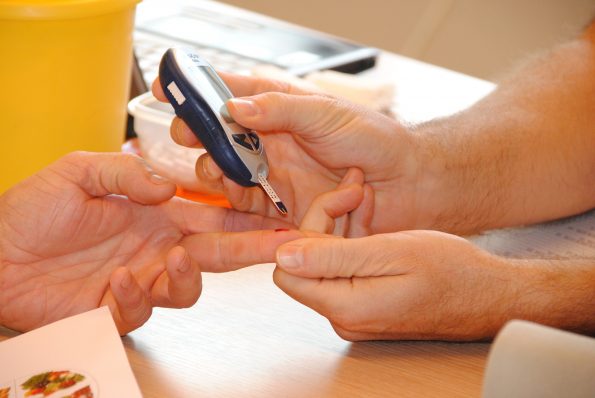
Blood sugar control is at the centre of any diabetes treatment plan. High blood sugar, or hyperglycaemia, is a major concern and can affect people with both type 1 and type 2 diabetes. There are two main kinds:
- Fasting hyperglycaemia. This is blood sugar that’s higher than 130 mg/dL (milligrams per decilitre) after not eating or drinking for at least 8 hours.
- Postprandial or after-meal hyperglycaemia. This is blood sugar that’s higher than 180 mg/dL 2 hours after you eat. People without diabetes rarely have blood sugar levels over 140 mg/dL after a meal, unless it’s really large.
Frequent or ongoing high blood sugar can cause damage to your nerves, blood vessels, and organs. It can also lead to other serious conditions. People with type 1 diabetes are prone to a build-up of acids in the blood called ketoacidosis.
If you have type 2 diabetes or if you’re at risk for it, extremely high blood sugar can lead to a potentially deadly condition in which your body can’t process sugar. It’s called hyperglycaemic hyperosmolar nonketotic syndrome (HHNS). You’ll pee more often at first, and then less often later on, but your urine may become dark and you could get severely dehydrated.
It’s important to treat symptoms of high blood sugar right away to help prevent complications.
Causes
Your blood sugar may rise if you:
- Skip or forget your insulin or oral glucose-lowering medicine
- Eat too many grams of carbohydrates for the amount of insulin you took, or eat too many carbs in general
- Have an infection
- Are ill
- Are under stress
- Become inactive or exercise less than usual
- Take part in a strenuous physical activity, especially when your blood sugar levels are high and insulin levels are low
Symptoms
Early signs include:
- Increased thirst
- Headaches
- Trouble concentrating
- Blurred vision
- Frequent peeing
- Fatigue (weak, tired feeling)
- Weight loss
- Blood sugar more than 180 mg/dL
Ongoing high blood sugar may cause:
- Vaginal and skin infections
- Slow-healing cuts and sores
- Worse vision
- Nerve damage causing a painful cold or insensitive feet, loss of hair on the lower extremities, or erectile dysfunction
- Stomach and intestinal problems such as chronic constipation or diarrhoea
- Damage to your eyes, blood vessels, or kidneys
How Is It Treated?
If you have diabetes and notice any of the early signs of high blood sugar, test your blood sugar and call the doctor. He may ask you for the results of several readings. He could recommend the following changes:
Drink more water. H20 helps remove excess sugar from your blood through urine, and it helps you avoid dehydration.
Exercise more. Working out can help lower your blood sugar. But under certain conditions, it can make blood sugar go even higher. Ask your doctor what kind of exercise is right for you.
Caution: If you have type 1 diabetes and your blood sugar is high, you need to check your urine for ketones. When you have ketones, do NOT exercise. If you have type 2 diabetes and your blood sugar is high, you must also be sure that you have no ketones in your urine and that you are well-hydrated. Then your doctor might give you the OK to exercise with caution as long as you feel up to it.
Change your eating habits. You may need to meet with a dietitian to change the amount and types of foods you eat.
Switch medications. Your doctor may change the amount, timing, or type of diabetes medications you take. Don’t make changes without talking to him first.
If you have type 1 diabetes and your blood sugar is more than 250 mg/dL, your doctor may want you to test your urine or blood for ketones.
Call your doctor if your blood sugar is running higher than your treatment goals.
How to Prevent It
If you work to keep your blood sugar under control — follow your meal plan, exercise program, and medicine schedule — you shouldn’t have to worry about hyperglycaemia. You can also:
- Know your diet — count the total amounts of carbs in each meal and snack.
- Test your blood sugar regularly.
- Tell your doctor if you have repeated abnormal blood sugar readings.
- Wear medical identification to let people know you have diabetes in case of an emergency.
Courtesy: WebMD Medical
Hypoglycaemia: When Your Blood Sugar Gets Too Low
People with diabetes get hypoglycaemia (low blood sugar) when their bodies don’t have enough sugar to use as fuel.
It can happen for several reasons, including diet, some medications and conditions, and exercise.
If you get hypoglycaemia, write down the date and time when it happened and what you did. Share your record with your doctor, so she can look for a pattern and adjust your medications.
Call your doctor if you have more than one unexplained low blood sugar reaction in a week.
Symptoms
Most people feel symptoms of hypoglycaemia when their blood sugar is 70 milligrams per decilitre (mg/dL) or lower.
Each person with diabetes may have different symptoms of hypoglycaemia. You’ll learn to spot yours.
Early symptoms include:
- Confusion
- Dizziness
- Feeling shaky
- Hunger
- Headaches
- Irritability
- Pounding heart; racing pulse
- Pale skin
- Sweating
- Trembling
- Weakness
- Anxiety
Without treatment, you might get more severe symptoms, including:
- Poor coordination
- Poor concentration
- Numbness in mouth and tongue
- Passing out
- Seizures
- Nightmares or bad dreams
- Coma
Diabetes Drugs Linked to Hypoglycaemia
Ask your doctor if any of your medicines can cause low blood sugar
Insulin treatment can cause low blood sugar, and so can a type of diabetes medications called “sulfonylureas.”
Commonly used sulfonylureas include:
- Glimepiride (Amaryl)
- Glipizide (Glucotrol)
- Glibenclamide (Glyburide, Micronase)
Older, less common sulfonylureas tend to cause low blood sugar more often than some of the newer ones. Examples of older drugs include:
- chlorpropamide (Diabinese)
- repaglinide (Prandin)
- tolazamide (Tolinase)
- tolbutamide (Orinase)
You can also get low blood sugar if you drink alcohol or take allopurinol(Zyloprim), aspirin, Benemid, probenecid (Probalan), or warfarin(Coumadin) with diabetes medications.
You shouldn’t get hypoglycaemia if you take alpha-glucosidase inhibitors, biguanides (such as metformin), and thiazolidinedione’s alone, but it can happen when you take them with sulfonylureas or insulin
Diet and Hypoglycaemia
You can get low blood sugar if you take too much insulin for the number of carbohydrates you eat or drink.
For instance, it can happen:
- After you eat a meal that has a lot of simple sugars
- If you miss a snack or don’t eat a full meal
- If you eat later than usual
- If you drink alcohol without eating any food
Don’t skip meals if you have diabetes, particularly if you’re taking diabetes medications.
Treatment
If you have diabetes and think you have hypoglycaemia, check your blood sugar level.
Do your levels often drop after meals that include a lot of sugars? Change your diet. Avoid sugary foods, and eat frequent small meals during the day.
If you get low blood sugar when you haven’t eaten, have a snack before bedtimes, such as a protein or a more complex carbohydrate.
Your doctor may find that you take too much insulin that peaks toward the evening-to-morning hours. In that case, she may lower your insulin dose or change the time when you get your last dose of it.
When You Have Low Blood Sugar
First, eat or drink 15 grams of a fast-acting carbohydrate, such as:
- Three to four glucose tablets
- One tube of glucose gel
- Four to six pieces of hard candy (not sugar-free)
- 1/2 cup fruit juice
- 1 cup skim milk
- 1/2 cup soft drink (not sugar-free)
- 1 tablespoon honey (put it under your tongue so it gets absorbed into your bloodstream faster)
Fifteen minutes after you’ve eaten a food with sugar in it, check your blood sugar again. If your blood sugar is still less than 70 mg/dL, eat another serving of one of the foods listed above. Repeat these steps until your sugar becomes normal.
If You Pass Out
Hypoglycaemia may make you pass out. If so, you’ll need someone to give you a glucagon injection.
Glucagon is a prescription medicine that raises blood sugar, and you may need it if you have severe hypoglycaemia. It’s important that your family members and friends know how to give the injection in case you have a low blood sugar reaction.
If you see someone having a severe hypoglycaemic reaction, call 911 or take him or her to the nearest hospital for treatment. Do not try to give an unconscious person food, fluids, or insulin, as they may choke.
Do Not Drive When You Have Low Blood Sugar
It’s very dangerous. If you’re driving and you have hypoglycaemia symptoms, pull off the road, check your blood sugar, and eat a sugary food. Wait at least 15 minutes, check your blood sugar, and repeat these steps if necessary. Eat a protein and carbohydrate source (such as peanut butter crackers or cheese and crackers) before you drive on.
Be prepared. Keep a sugar source in your car at all times for emergencies.
Preventing Hypoglycaemia
If you have diabetes, ways you can prevent hypoglycaemia include:
- Follow your meal plan.
- Eat at least three evenly spaced meals each day with between-meal snacks as prescribed.
- Plan your meals no more than 4 to 5 hours apart.
- Exercise 30 minutes to 1 hour after meals. Check your sugars before and after exercise, and discuss with your doctor what types of changes can be made.
- Double-check your insulin and dose of diabetes medicine before taking it.
- If you drink alcohol, be moderate and monitor your blood sugar levels.
- Know when your medicine is at its peak level.
- Test your blood sugar as often as directed by your doctor.
- Carry an identification bracelet that says you have diabetes.
WebMD Medical Reference
Mar 12, 2018 | Healthy Tips
6 SYMPTOMS YOU SHOULDN’T IGNORE
By Kara Mayer Robinson
Most aches and pains aren’t a sign of something serious, but certain symptoms should be checked out. See a doctor if you feel any of these things:
- Weakness in Your Arms and Legs
If you get weak or numb in your arm, leg, or face, it can be a sign of a stroke, especially if it’s on one side of your body.
You could also be having a stroke if you can’t keep your balance, feel dizzy, or have trouble walking.
Get help quickly if you suddenly can’t see well, get a bad headache, feel confused, or have problems speaking or understanding.
Don’t wait to see a doctor, call for help if you get a clot-buster drug within 4.5 hours of your first symptom, you can lower your risk of long-term disability from stroke.
- Chest Pain
When it comes to chest pain, it’s better to be safe than sorry.
“Any chest pain, especially accompanied by sweating, pressure, shortness of breath, or nausea, should be evaluated by a medical professional right away,” says Shilpi Agarwal, MD, with One Medical Group in Washington, DC.
Chest pain or pressure can be a sign of heart disease or a heart attack, particularly if you feel it during exertion or while being active. Or, chest pain may mean problems other than with your heart; for example, you have another serious condition, such as a blood clot moving into your lung, Teitelbaum says.
If your chest feels tight or heavy, and it lasts more than a few minutes or goes away and comes back again, gets help. Don’t try to tough it out.
- Tenderness and Pain in the Back of Your Lower Leg
This can be a symptom of a blood clot in your leg. It’s called deep vein thrombosis, or DVT. It can happen after you’ve been sitting for a long time, like on a long plane ride, or if you’re sick and have been in bed a long time.
If it’s a blood clot, you may feel the pain mostly when you stand or walk. You may also notice swelling. The leg is usually red and tender, and it will be larger than the other leg.
It’s normal to feel tenderness after exercise. But if you also see redness and feel heat where it’s swollen or painful, call your doctor.
Teitelbaum says you can also check for what’s called the Homans sign. “If you flex your toes upward and it hurts, that’s also suggestive of a blood clot,” he says. “But don’t rely on that. If it’s hot, red, and swollen on one side, go to the ER.”
It’s important to catch a blood clot before it can break off and block your blood flow, which can lead to complications.
- Blood in Your Urine
Several things can cause you to see blood when you pee.
If you have blood in your urine and you also feel a lot of pain in your side or in your back, you may have kidney stones. A kidney stone is a small crystal made of minerals and salts that form in your kidney and moves through the tube that carries your urine.
Your doctor may take X-rays or do an ultrasound to see the stones. An X-ray uses radiation in low doses to make images of structures inside your body. An ultrasound makes images with sound waves.
Many kidney stones eventually pass through your body when you pee. It can be very painful. Sometimes your doctor may need to remove the kidney stone.
If you see blood in your urine and you also have an increase in feeling that you urgently need to pee, make frequent trips to the bathroom, or feel burning when you urinate, you may have a severe bladder or kidney infection, Teitelbaum says. Don’t wait to see your doctor, especially if you have a fever.
If you see blood but don’t feel any pain, it may be a sign of kidney or bladder cancer, so visit your doctor.
- Wheezing
Breathing problems should be treated right away. If you’re wheezing, or hear a whistling sound when you breathe, see your doctor.
“Without urgent evaluation, breathing can quickly become labored, and it can be catastrophic if not evaluated and treated quickly,” Agarwal says.
It may be from asthma, a lung disease, a severe allergy, or exposure to chemicals. Your doctor can figure out what’s causing it and how to treat it. If you have allergic asthma, an allergist or pulmonologist (lung specialist) will create a plan to manage it and reduce flare-ups.
Wheezing can also be caused by pneumonia or bronchitis. Are you coughing up yellow or green mucus? Do you also have a fever or shortness of breath? If so, you may have bronchitis that’s turning into pneumonia. “Time to see your doctor,” Teitelbaum says.
- Suicidal Thoughts
If you feel hopeless or trapped, or think you have no reason to live, get help. Talking to a professional can help you make it through a crisis.
Go to a hospital emergency room or a walk-in clinic at a psychiatric hospital. A doctor or mental health professional will talk to you, keep you safe, and help you get through this tough time.
Mar 12, 2018 | Healthy Tips
WHAT IS PREDIABETES?
Reviewed by Michael Dansinger, MD.
Prediabetes is a wake-up call that you’re on the path to diabetes. But it’s not too late to turn things around.
If you have it your blood sugar (glucose) level is higher than it should be, but not in the diabetes range. People used to call it “borderline” diabetes.
Normally, your body makes a hormone called insulin to help control your blood sugar. When you have prediabetes, that system doesn’t work as well as it should. You might not be able to make enough insulin after eating, or your body might not respond to insulin properly.
Prediabetes makes you more likely to get heart disease or have a stroke. But you can take action to lower those risks.
Diagnosis:
Your doctor will give you one of three simple blood tests:
Fasting plasma glucose test. You won’t eat for 8 hours before taking this blood test. The results are:
Normal if your blood sugar is less than 100
Prediabetes if your blood sugar is 100-125
Diabetes if your blood sugar is 126 or higher
Oral glucose tolerance test. First, you’ll take the fasting glucose test. Then you’ll drink a sugary solution. Two hours after that, you’ll take another blood test. The results are:
Normal if your blood sugar is less than 140 after the second test
Prediabetes if your blood sugar is 140-199 after the second test
Diabetes if your blood sugar is 200 or higher after the second test
Hemoglobin A1C (or average blood sugar) test. This blood test shows your average blood sugar level for the past 2 to 3 months. Doctors can use it to diagnose prediabetes or diabetes or if you already know you have diabetes, it helps show whether it’s under control. The results are:
Normal: 5.6% or less
Prediabetes: 5.7 to 6.4%
Diabetes: 6.5% or above
You may need to take the test again to confirm the results.
3 Key Lifestyle Changes to Make Now
Lifestyle changes can help many people with prediabetes delay or prevent it from becoming diabetes.
In a large research study called the Diabetes Prevention Program, these changes cut the odds of getting diabetes:
1. Weight control. If you’re overweight, your prediabetes is more likely to turn into diabetes. Losing even as little as 5% to 10% of your body weight makes a difference.
2. Exercise. Get moderate exercise for 30 minutes a day, such as cycling, swimming, or brisk walking. It helps prevent and manage diabetes, studies show. Aerobic exercise, the kind that gets your heart rate up, is ideal. If you’re not active now, check with your doctor first.
3. Nutrition. Go for meals that mix low-fat protein, vegetables, and whole grains. Limit calories, serving sizes, sugar, and starchy carbs. Favour fibre-rich foods, which help you feel full and not eat too much.
WebMD Medical Reference
