Mar 1, 2026 | Healthy Moves
By: Benjamin Olorunfemi
In communities across Nigeria, a silent epidemic is claiming more lives than many infectious diseases, yet it barely makes a sound until it is too late. Non-communicable diseases (NCDs), particularly hypertension and diabetes, have escalated into a public health emergency. Current statistics paint a grim picture: more than 20 million Nigerians are living with hypertension, and over 11 million are battling diabetes. Alarmingly, more than half of these individuals are completely unaware of their health status, walking around with a time bomb ticking in their chests.
For the average Nigerian in an underserved community where health facilities are miles away and the cost of a simple blood pressure check is a luxury, these are not just numbers; they are fathers, mothers, and youths resigning to fate simply because they cannot afford or access care. These are the people who fall through the cracks of our healthcare system. This is where our work at the Rays of Hope Support Initiative (ROHSI) becomes not just relevant, but essential.
Since 2017, we have been at the forefront of combating this burden in Ibadan and beyond. We have seen firsthand that the fight against NCDs cannot be won within the four walls of a hospital alone; it must be taken to the people. We have educated over 10,000 citizens, reached more than 5,000 direct beneficiaries with free screenings and medication, and built a thriving community of over 250 members who now have access to daily health tips. Our work proves that when you empower a person with knowledge and access, you give them a fighting chance.
However, to truly curb the negative health impacts of hypertension and diabetes, we must scale up our strategies and go deeper—right to the heart of our local communities. One of the most effective, yet often untapped, pathways to achieving this is through a deliberate and structured partnership with Community Development Association (CDA) executives.
Here is why this partnership is the key to unlocking better health outcomes for the underserved:
The Gatekeepers of Trust
In rural and semi-urban settings, the CDA executive is the most influential body. They are the gatekeepers of the community. While a flyer from a distant hospital might be ignored, an announcement at the town hall meeting or a directive from the CDA chairman is respected. By partnering with these executives, we aren’t just visitors; we become collaborators with the community’s leadership. They help us navigate the cultural nuances and mobilise their people, ensuring that when we show up, the community shows up with us.
Creating a “Hypertension-Smart” Community
Through our model, we work with CDAs to designate local champions, trained volunteers from within the community who understand the language and the lifestyle of their neighbours. These champions, backed by ROHSI’s medical team, can conduct regular, informal blood pressure and blood sugar checks at local markets, churches, or mosques. Instead of waiting for people to come to the hospital, we bring the hospital to their doorstep. This approach mirrors the proven effectiveness of using Community Health Extension Workers (CHEWs) to manage NCDs, as they become trusted figures leading health education efforts.
Leveraging Local Gatherings for Screening
Most communities have existing structures for weekly/monthly meetings, annual festivals, or town hall gatherings. These are missed opportunities for health interventions. By partnering with CDAs, we can integrate free screening exercises into these events. As we have seen with initiatives like Nigeria’s “Project 10 million”, the goal is to help people “know their number”. Imagine a community meeting where, after discussing local development, every adult present knows their blood pressure reading. That is preventive healthcare in action.
Affordability and Local Support
One of the biggest barriers to managing NCDs is the cost of medication. A diagnosis of hypertension can feel like a death sentence to a low-income earner who cannot afford daily pills. Through our partnerships with CDAs, we can help facilitate community-based medication support schemes.
Data Collection and Referral Pathways
CDAs have an intimate knowledge of their population. They know who is elderly, who is sick, and who has been unable to leave their home. Partnering with them allows us to build a more accurate picture of NCD prevalence in hard-to-reach areas. We can then establish a clear referral pathway: screening at the community level, followed by linkage to care at primary health centres.
We need to know that the fight against hypertension and diabetes in Nigeria is a fight for the soul of our communities. It requires us to be innovative, mobile, and deeply integrated. At Rays of Hope Support Initiative, we have the template, the experience, and the passion. But we cannot do it alone.
We call on community development associations across the country to open their doors to this kind of partnership. Let us work together to ensure that no one in our community dies from a disease we can prevent or manage. Let us take the message of hope—and the tools for health—directly to the doorsteps of those who need it most. Because a healthy community is the foundation of a prosperous nation.
Join us. Partner with ROHSI. Let’s bring hope to the doorstep of every Nigerian.
Jul 2, 2025 | News
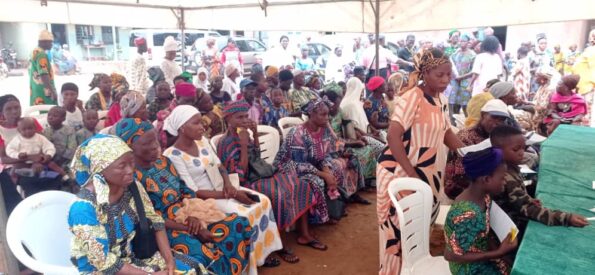
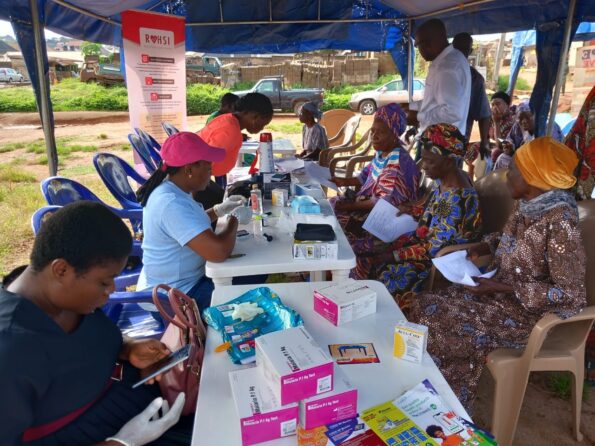
On Saturday, June 21, 2025, the Rays of Hope Support Initiative (ROHSI) successfully conducted a free medical outreach at Otun Abese Community, Ibadan, Oyo State. Approximately 200 residents, comprising men, women, children, and the elderly, accessed essential healthcare services.
The outreach promoted health awareness, offered medical screenings, provided free medication, and educated the community on healthy living practices. The ROHSI approach focused on proactive health management and accessible care.
At the medical outreach, we provided health education where vital information on maintaining good health, regular medical screenings, and adopting healthy lifestyles were discussed with the participants
Also, there was medical screening to identify various health conditions early, especially on hypertension and diabetes, the two silent killers
Participants also received free medications courtesy of our sponsors and partners. On that day also some individuals that requires further medical attention were referred to appropriate healthcare facilities
Names of individuals with critical medical conditions were listed out for further support and follow-up through our WhatsApp community, where we shared daily health tips and other health opportunities
We extend our deepest gratitude to our sponsors: Codix Pharma Nigeria, Kemisola Bolarinwa through Next Wear Technologies, Africa Social Enterprise Workshop (ASEW) for supporting our social enterprise scheme and other anonymous contributors.
To our host community, Otun Abese Community, for their warmth and hospitality, and our Board of Trustees, Management Team, Staff, and Volunteers for their dedication and hard work. To our family, friends, and ROHSI Community, we say thank you all for your support and generosity. We enjoy always
Major highlights of the outreach:
- A majority of residents are unaware of their health status, highlighting a critical need for increased health awareness campaigns.
- Even those aware of their conditions cannot access necessary care due to the escalating cost of medical services.
- There is an alarming surge in non-communicable diseases (NCDs), particularly hypertension and diabetes. This trend demands urgent attention from the government and other stakeholders.
- The preventable nature of many NCDs, which are tragically claiming the lives of our working and productive adults, is a significant concern that requires immediate and concerted efforts.
The surge in preventable #NCDs demands urgent intervention from government and stakeholders. We urge:
- The implementation of practical healthcare policies (beyond paperwork).
- Introduction of affordable indigenous health insurance schemes for underserved community
- More partnerships from governments, policymakers and organisations of like minds to expand medical outreach programmes.
We reiterate our profound gratitude to all our sponsors, partners, board, and team members for making this outreach a success. We remain committed to bridging healthcare gaps and working towards accessible quality healthcare for all.
Thank you for your unwavering support.
ROHSI Management Team.

Dec 29, 2024 | Healthy Tips
Dear ROHSI Community,
As we embark on a new year, let’s prioritise our health. Non-communicable diseases (NCDs) like hypertension, diabetes, obesity, and high cholesterol are often called “silent killers” because they can develop without noticeable symptoms.
In 2025, we want us all to see the reason why adopting healthy living matters:
Going for early medical screening/detection saves lives: You going for your regular medical checkups is crucial for early detection and management of NCDs, especially hypertension, diabetes, and others.
It helps in adopting preventative measures! Adopting a healthy lifestyle can significantly reduce your risk of developing or worsening these conditions.
Improved Quality of Life! Healthy habits lead to increased energy levels, better sleep, and an overall improved quality of life.
What are the steps to a healthier 2025?
Healthy eating! Focus on a balanced diet rich in fruits, vegetables, whole grains, and lean protein. Limit processed foods, sugary drinks, and excessive salt intake.
Regular Exercise! Aim for at least 150 minutes of moderate intensity exercise most days of the week. You can start with 30 minutes and, with time, increase it to more minutes.
Maintain a Healthy Weight! If you are overweight or obese, consult a healthcare professional for personalised advice on weight management.
Manage your stress! Practicing stress-reducing techniques like meditation, yoga, or spending time in nature, or taking your mind off those activities that can lead to stress, will go a long way in making you healthy.
Regular Checkups! Seat with your medical team, schedule, and attend regular medical checkups, including blood pressure, blood sugar, and cholesterol screenings, among other recommended tests. All towards your wellness
Remember this! Making small, sustainable changes to your lifestyle can have a significant impact on your overall health, and consulting with a healthcare professional for personalised advice and support will go a long way in some of the avoidable health crises that can threaten our health and wellness as we age.
Lastly, always consult with a qualified healthcare professional for any health concerns or before making any decisions regarding your health.
Let’s make 2025 a year of prioritising our health and well-being.
Sincerely,
The ROHSI Management Team

Dec 21, 2024 | News
Rays of Hope Support Initiative: Path to Healthier Lives in Ibadan
Rays of Hope Support Initiative: Path to Healthier Lives in Ibadan
Nigeria’s Silent Health Crisis: Hypertension and Diabetes
More than 20 million Nigerians are living and battling with hypertension silently, while more than 11 million live with diabetes. More than half of those affected by these silent killers are unaware of their health status. Even among those who are aware, many are not taking action. Those trying to seek care are hindered by economic challenges and unable to afford or access health care. As a result, they resign to their fate, waiting for the inevitable.
Nearly 30% of deaths in Nigeria, either at the hospital or at home, stem from NCDs. The nation’s potential brightest contributors are lost to these illnesses. The most vulnerable are hit hardest, as a lack of resources cuts their dreams short.
Rays of Hope Support Initiative
Rays of Hope Support Initiative (ROHSI) has been operational since 2017. Located in Ibadan, Oyo State, Nigeria. ROHSI is dedicated to combating the rising burden of NCDs in Ibadan and Nigeria, where it has been implementing innovative solutions to address these pressing issues. As an organization working within the NCD health space, ROHSI has focused on empowering vulnerable populations, such as older people, women and children, who are disproportionately affected by NCDs. This involves providing targeted interventions, addressing social determinants of health and ensuring equitable access to health care services.
The ROHSI team, since inception, has been working closely with local health care providers through collaboration and partnerships to ensure that individuals with NCDs, especially hypertension and diabetes, receive appropriate treatment and care. This includes providing access to essential medications and connecting patients with support services. Through its community-based health education initiative, the organization conducts regular health education programs to raise awareness about NCDs, especially hypertension and diabetes, their risk factors and preventive measures.
These sessions are tailored to the specific needs of the community, ensuring that information is accessible and understandable. Furthermore, the ROHSI early detection and screening program allows for timely intervention, reducing the likelihood of severe complications, therefore saving many lives from avoidable deaths.
Impact of Rays of Hope Support Initiative
ROHSI’s efforts have yielded significant results in improving the health and well-being of the community in Ibadan. It has educated more than 10,000 citizens on disease prevention with an emphasis on hypertension and diabetes. The organization has made an impact across three states, reaching more than 5,000 direct beneficiaries through free screenings and medication.
The nonprofit currently has a thriving online community with access to daily, up-to-date health tips. More than 1,500 members are part of its combined Facebook group, with thousands more across other social media platforms, where they access up-to-date information on health-related issues.
Many of ROHSI’s community members have reported a significant improvement in their quality of life as a result of the team interventions, including reduced symptoms, increased energy levels and greater independence.
Final Note
ROHSI has strengthened its community members’ resilience by empowering individuals to take control of their health and well-being. It has done so through daily health tips and free access to its medical team for guidance on health and wellness issues. The organization has advocated for favourable health policy changes from the Nigerian government and policymakers to address the root causes of NCDs and improve access to health care services in Nigeria. It does this by fostering partnerships and collaborations with like-minded local and international organizations.
Coutersy: The Borgen Project & ROHSI

May 16, 2023 | News
World Hypertension Day is observed annually on May 17th to raise awareness about the importance of hypertension prevention, detection, and control. It serves as a global platform to increase awareness about hypertension and its associated risks. Hypertension, or high blood pressure, affects millions of individuals worldwide and is a major contributor to heart disease, stroke, and other cardiovascular complications. Today, it aims to empower individuals to take charge of their cardiovascular health, educate our communities about the importance of blood pressure monitoring, and promote preventive measures to reduce the burden of hypertension-related diseases.
As part of the 2023 campaign, “Measure Your Blood Pressure Accurately, Control It, and Live Longer,” This theme emphasizes the significance of accurate blood pressure measurement, effective control, and the potential for a longer and healthier life.
High blood pressure, or hypertension, is a common health condition that affects millions of people around the world. It is often referred to as the “silent killer” because it typically does not have any noticeable symptoms. However, if left untreated, it can lead to serious health complications such as heart disease, stroke, kidney failure, and other organ damage.
Maintaining optimal blood pressure is crucial for our overall well-being and longevity. ‘Blood pressure is a measure of the force exerted by the blood against the walls of the arteries as the heart pumps it throughout the body’. Accurate measurement, regular monitoring, and effective control of blood pressure play a vital role in preventing serious health complications. In this article, we will explore the importance of accurately measuring blood pressure, controlling it, and the health benefits associated with maintaining healthy blood pressure levels.
To accurately measure your blood pressure, it is recommended that you use a reliable blood pressure monitor, such as a digital blood pressure monitor. It is also important to measure your blood pressure under the right conditions. You should be in a quiet and relaxed environment, avoid smoking or drinking coffee or alcohol, and sit with your feet flat on the floor and your arm at heart level.
Measuring your blood pressure accurately is the first step toward treating hypertension. Blood pressure is measured in two numbers: the systolic pressure (top number) and the diastolic pressure (bottom number), measured in millimeters of mercury (mmHg). Normal blood pressure is generally considered to be around 120/80 mmHg, and high blood pressure is usually defined as a reading of 130/80 mmHg or higher.
Controlling your blood pressure is the next step toward maintaining good health. Lifestyle changes such as eating a healthy diet, getting regular exercise, maintaining a healthy weight, reducing stress, and quitting smoking can help lower your blood pressure. If these lifestyle changes are not enough to control your blood pressure, your doctor may prescribe medication to help bring it down. It is important to take your medication as prescribed and to follow up with your doctor regularly to ensure that your blood pressure is under control.
Living longer is one of the many health benefits of controlling your blood pressure. Lowering your blood pressure can help reduce your risk of developing heart disease, stroke, and kidney disease, which are some of the leading causes of death worldwide. Additionally, maintaining a healthy blood pressure can help improve your overall quality of life. You may feel more energetic, have better sleep, and be able to perform your daily activities with more ease.
Friends remembered that maintaining optimal blood pressure levels is essential to preventing the onset and progression of various health conditions. Uncontrolled hypertension can lead to serious complications, including:
High blood pressure, when unmanaged, puts strain on the heart and arteries, increasing the risk of heart disease, heart attack, stroke, and other cardiovascular disorders.
Elevated blood pressure can damage one’s kidneys over time, leading to chronic kidney disease or kidney failure. So make sure your blood pressure is within range.
Hypertension can affect the blood vessels in the eyes, potentially causing vision impairment or even blindness. It can lead to eye problems.
Research suggests that untreated hypertension may contribute to cognitive decline and an increased risk of dementia and Alzheimer’s disease.
High blood pressure during pregnancy, known as gestational hypertension, can have adverse effects on both the mother and the baby. So make your health a priority.
Health Benefits of Maintaining Healthy Blood Pressure Levels:
It helps reduce one’s chances of developing cardiovascular-related disease. By keeping your blood pressure within the recommended range, we significantly lower our risk of developing heart disease, heart attack, and stroke, among other complications.
When we maintain optimal blood pressure, it will help our kidneys function properly, prevent avoidable health complications, and reduce the risk of developing cases such as chronic kidney disease.
Healthy blood pressure levels contribute to better brain health and reduce the risk of cognitive decline and neurodegenerative diseases. That is, maintaining normal blood pressure enhances brain health.
It helps improve eye health. When you have your blood pressure under control, it helps protect the delicate blood vessels in the eyes, reducing the risk of vision problems. So you can see why you must measure your blood pressure, among others.
For our women in the house, maintaining normal blood pressure within a safe range during pregnancy ensures the well-being of both the mother and the developing baby. So, get registered for antenatal care and make sure you don’t miss your antenatal days.
Key Messages and Recommendations:
Get Educated! Learn about hypertension, its risk factors, and the importance of regular blood pressure monitoring. Understand the proper techniques for accurate measurement.
Measure your blood pressure regularly by using a reliable blood pressure monitor. Follow the correct measurement techniques, such as sitting quietly for a few minutes before taking the measurement.
Adopt and maintain a healthy lifestyle. Focus on a balanced diet rich in fruits, vegetables, whole grains, and lean proteins. Limit sodium intake, avoid excessive alcohol consumption, quit smoking, and engage in regular physical activity.
Learn to manage stress. Practice stress-management techniques such as meditation, deep breathing exercises, and engaging in hobbies to reduce stress levels. This may go a long way toward maintaining your blood pressure.
The key is medication compliance. If you are prescribed blood pressure medication, take it as directed by your doctor or healthcare provider. Adhere to the recommended dosage and attend follow-up appointments to monitor the effectiveness of the treatment.
Seek medical advice! Consult with your doctor or healthcare provider for guidance on blood pressure management, individualized treatment plans, and lifestyle modifications.
By managing our blood pressure effectively and following our doctor’s recommendations, we can significantly reduce the risk of serious health complications such as cardiovascular disease, kidney disease, and cognitive decline. Prioritizing our blood pressure management through lifestyle modifications and, if necessary, medical intervention can contribute to a longer, healthier life.
At the Rays of Hope Support Initiative (ROHSI), we are saying that, for accurate blood pressure, we must not just measure it but make sure that we put the blood pressure in a healthy range, seek medical advice, adhere to our medication, and follow any health tips given by our healthcare provider. Remember that regular monitoring of our blood pressure is crucial to our long-term health and well-being.
Courtesy: Rays of Hope Support Initiative (ROHSI) Board and Management Team
