
Mar 11, 2018 | Healthy Tips
RESTLESS LEG SYNDROME AND CARDIAC RISK
By Richard N. Fogoros, MD.
One common condition we don’t usually think about when we assess our risk of cardiovascular disease is restless leg syndrome. This may be an oversight since it turns out that there is indeed an association between restless leg syndrome and heart disease.
Overview
Restless leg syndrome is a fairly common condition that affects people when they are trying to rest. People who have this condition experience a sort of discomfort in the legs when they are falling asleep, that compels them to move their legs around incessantly in order to seek relief.
These symptoms are generally not present during the day but occur in the evenings during periods of inactivity, just before falling asleep, or even during sleep.
People with restless leg syndrome typically describe one or more of several sensations that compel them to move their legs. These feelings include burning, twitching, creeping, restlessness, pulling or tension in their legs. Sometimes actual leg pain is involved. People with this condition usually describe the discomforting sensations as coming from deep within the legs rather than on the surface and usually occurring around the knees or in the lower legs. These symptoms almost always appear only during quiet rest, and tend to be minimized if the rest is not completely “quiet.” In particular, most people with this condition find that symptoms do not appear while they are performing activities that require them to concentrate on something—for instance, while working crossword puzzles, playing poker, or being emotionally engaged with a spouse or partner.
The symptoms of restless leg syndrome are generally relieved at least temporarily by getting up and moving around, or stretching or massaging the legs. Of course, by the time the victim gets up to perform these relieving activities, he or she may be wide awake and must begin the process of falling asleep all over again.
As a result, people with frequent restless leg syndrome may become sleep deprived.
Who Gets RLS:
Restless leg syndrome is really quite common and occurs to one degree or another in up to 15% of Caucasian adults. It appears to be less common in other ethnic groups. While restless leg syndrome can be caused by iron deficiency, kidney failure, pregnancy, spinal disease, and neurological disorders, in the large majority of sufferers no particular underlying cause can be identified.
Treatment:
In most cases, restless leg syndrome is a relatively mild and only intermittent condition, which can usually be treated by avoiding caffeine, getting regular exercise, engaging in cognitive activities during quiet periods in the evening, or getting up and taking a short walk on the occasions when symptoms occur. If a specific underlying cause can be found it should be treated. Restless leg syndrome due to iron deficiency, for instance, is particularly amenable to treatment.
If the symptoms of restless leg syndrome are more severe and are not relieved by such lifestyle measures, drug therapy can be quite effective. Drugs that have been used successfully for restless leg syndrome include the dopamine agonists, which are commonly used to treat Parkinson’s disease, such as pramipexole (Mirapex).
In addition, certain drugs used for seizure disorders have been effective, including gabapentin (Neurontin). Benzodiazepines, which are anti-anxiety drugs, have also been used successfully.
Drug therapy for restless leg syndrome may be particularly useful in people who are suffering from sleep deprivation because of this condition.
Restless Leg Syndrome and Cardiac Risk
Restless leg syndrome has been associated with an increased risk of cardiovascular disease, but no cause-and-effect relationship has been demonstrated.
Researchers believe that if there is a cause-and-effect relationship, it may have to do with hypertension.
It turns out that many people with restless leg syndrome also have a movement disorder called “periodic limb movements of sleep (PLMS),” in which repeated episodes of stereotypical leg movements occur while sleeping. Most people with PLMS are unaware they have such a condition (though their sleeping partners may well be). Research shows that patients with PLMS can have significant elevations in their blood pressure during episodes of leg movement while sleeping.
The degree of nocturnal hypertension that has been demonstrated is believed to be sufficient to significantly increase an individual’s risk of developing cardiovascular disease—and may help to explain the association between restless leg syndrome and cardiovascular disease.
Sources:
Yeh P, Walters AS, Tsuang JW. Restless legs syndrome: a comprehensive overview on its epidemiology, risk factors, and treatment. Sleep Breath 2012; 16:987.
Ohayon MM, O’Hara R, Vitiello MV. Epidemiology of restless legs syndrome: a synthesis of the literature. Sleep Med Rev 2012; 16:283.
Pennestri MH, Montplaisir J, Colombo R, Lavigne G, Lanfranchi PA. Nocturnal blood pressure changes in patients with restless legs syndrome. Neurology 2007; 68:1213-1218.
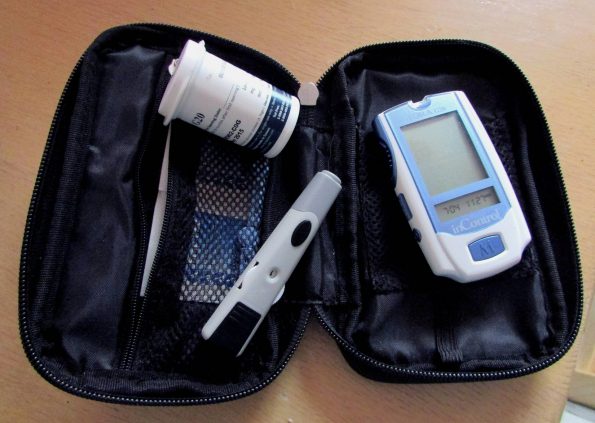
Mar 11, 2018 | Healthy Tips
WHAT IS DIABETIC NEUROPATHY?
Reviewed by Michael Dansinger, MD.
Diabetes can harm your nerves. That damage, called neuropathy, may be painful.
It can happen in several ways, and they all seem to be related to blood sugar levels being too high for too long. To prevent it, work with your doctor to manage your blood sugar.
You may hear your doctor mention the four types of diabetes-related neuropathy: peripheral, autonomic, proximal, and focal.
Peripheral Neuropathy:
This type usually affects the feet and legs. Rare cases affect the arms, abdomen, and back.
Symptoms include:
· Tingling
· Numbness (which may become permanent)
· Burning (especially in the evening)
· Pain
Early symptoms usually get better when your blood sugar is under control. There are medications to help manage the discomfort.
What you should do:
· Check your feet and legs daily.
· Use lotion on your feet if they’re dry.
· Take care of your toenails. Ask your doctor if you should go to a podiatrist.
· Wear shoes that fit well. Wear them all the time, so your feet don’t get injured.
Autonomic Neuropathy:
This type usually affects the digestive system, especially the stomach. It can also affect the blood vessels, urinary system, and sex organs
In your digestive system, Symptoms include:
· Bloating
· Diarrhoea
· Constipation
· Heartburn
· Nausea
· Vomiting
· Feeling full after small meals
What you should do:
You may need to eat smaller meals and take medication to treat it.
In blood vessels, Symptoms include:
· Blacking out when you stand up quickly
· Faster heartbeat
· Dizziness
· Low blood pressure
· Nausea
· Vomiting
· Feeling full sooner than normal
NOTE:
If you have it, avoid standing up too quickly. You may also need to wear special stockings (ask your doctor about them) and take medicine.
In Men:
Symptoms include: He may not be able to have or keep an erection, or he may have “dry” or reduced ejaculations.
What you should do: See your doctor, because there are other possible causes than diabetes.
Treatment includes:
· Counselling
· Penile implant or injections
· Vacuum erection device
· Medication
· In Women:
Symptoms include:
Can include less vaginal lubrication and fewer or no orgasms.
What you should do:
See your doctor and treatments include:
· Vaginal estrogen creams, suppositories, and rings
· Medications to help sex not feel painful
· Lubricants
In the Urinary System, Symptoms include:
*Trouble emptying your bladder
* Bloating
* Incontinence (leaking urine)
* More bathroom trips at night
What you should do: Tell your doctor.
Treatments may include:
· Medication
· Inserting a catheter into the bladder to release urine (self-catheterization)
· Surgery
Proximal Neuropathy:
This type causes pain (usually on one side) in the thighs, hips, or buttocks. It can also lead to weakness in the legs.
Most people with this condition need treatment, such as medication and physical therapy, for their weakness or pain.
Focal Neuropathy:
This type can appear suddenly and affect specific nerves, most often in the head, torso, or leg. It causes muscle weakness or pain.
Symptoms include:
· Double vision
· Eye pain
· Paralysis on one side of the face (Bell’s palsy)
· Severe pain in a certain area, such as the lower back or leg(s)
· Chest or belly pain that is sometimes mistaken for another condition, such as heart attack or appendicitis
What you should do: Tell your doctor about your symptoms.
Focal neuropathy is painful and unpredictable. But it tends to improve by itself over weeks or months. It usually doesn’t cause long-term damage.
Other Diabetes Nerve Damage
People with diabetes can also get other nerve-related conditions, such as nerve compressions (entrapment syndromes).
Carpal tunnel syndrome is a very common type of entrapment syndrome. It causes numbness and tingling of in the hand and sometimes muscle weakness or pain.
If you think you may have any type of nerve problem, talk with your doctor, so she can check for the cause.
Courtesy: WebMD Medical Reference.

Mar 2, 2018 | Healthy Tips
THIS BODY SHAPE CAN RAISE WOMEN’S HEART ATTACK RISK
By Steven Reinberg – HealthDay Reporter
Excess belly weight — a so-called apple shape — raises a woman’s risk for heart attack even more than overall obesity, researchers report.
While obesity raises heart attack risk in both sexes, women with bigger waists and waist-to-hip ratios have greater odds of a heart attack than men who have a similar apple-shaped body, a large British study finds.
“Our findings show that looking at how fat tissue is distributed in the body — especially in women — can give us more insight into the risk of heart attack than general measures of obesity, such as body mass index,” said lead researcher Sanne Peters. Body mass index (BMI) is a commonly used measurement based on height and weight.
Having a pear-shaped body — a smaller waist with excess weight mostly around the hips — isn’t thought to raise heart attack risk to the same degree.
Currently, no medical treatment focuses on excess belly fat, said Peters, a research fellow in epidemiology at the University of Oxford’s George Institute for Global Health.
However, “more intensive screening for the risk of cardiovascular disease and diabetes among those with an apple shape might help to prevent heart disease, especially in women,” Peters said.
According to the World Health Organization, 40 percent of women worldwide are overweight and 15 percent are obese.
Obesity increases the risk of heart attack, the leading cause of death worldwide, the researchers noted. Obesity also raises your odds for a stroke, high blood pressure, diabetes and some cancers.
For the new study, Peters and colleagues collected data on nearly 500,000 adults in the United Kingdom, aged 40 to 69, and followed them for seven years.
The investigators found that waist-to-hip ratio and waist circumference, respectively, were 15 percent and 7 percent more strongly tied to heart attack risk in women than men.
Also, compared with BMI, waist-to-hip ratio was an 18 percent stronger predictor of heart attack in women and a 6 percent stronger predictor of heart attack in men, the findings showed
However, the biological factors that contribute to the increased risk for heart attack aren’t known, Peters said.
Further research is needed to try to determine the different ways women and men store body fat, and to understand how exactly this is linked to different health risks, she said.
“Knowing exactly how patterns of fat storage influence the risk of obesity-related conditions will yield insights into the biological mechanisms and could inform sex-specific interventions that might halt the obesity epidemic worldwide,” Peters said.
One specialist believes women must act quickly to reverse weight gain around the waist in order to reduce the risk of heart disease.
“We have had similar data in the United States that belly fat is a risk marker for heart disease,” said Dr. Nieca Goldberg, a spokeswoman for the American Heart Association.
Goldberg said she thinks fat accumulation in the gut is linked to inflammation and insulin resistance. Both can lead to heart disease and heart attacks, she noted.
It’s possible that the risk is higher in women than men because women have a higher percentage of body fat, she suggested.
To reduce their risk, women should be conscious of weight gain around the middle, according to Goldberg, who is also director of the NYU Center for Women’s Health in New York City.
Her advice for those who find the pounds piling up around the waist: Cut down on sugar, carbohydrates, and alcohol, which is largely sugar.
“These are the patients I target for decreases in starches and sugars and increases in aerobic exercise to help reverse this process,” she said.
Feb 22, 2018 | Healthy Tips
9 NATURAL REMEDIES FOR HIGH BLOOD PRESSURE
By Cathy Wong, ND
According to the American Heart Association, nearly half of U.S. adults have high blood pressure, also known as hypertension, and many aren’t aware of it. Normal blood pressure is considered to be under 120/80 mm Hg, and high blood pressure is 140/90 or higher. High blood pressure is a risk factor for heart conditions and if it’s uncontrolled, it can damage your body and lead to complications.
If you’re interested in natural solutions for better blood pressure, there’s some evidence that certain remedies may be helpful.
(It’s important to note that supplements shouldn’t be used as a substitute for standard care.) Here’s a look at nine ways to use natural remedies for high blood pressure:
- Garlic
Garlic may help to lower blood pressure, according to recent research. A review of nine previously published trials, for instance, found that systolic blood pressure (the top number in a reading) and diastolic blood pressure (the bottom number in a reading) were reduced more effectively by treatment with an aged garlic extract than a placebo.
Some research suggests that compounds in garlic extract, such as S-allyl cysteine, may improve elasticity in arteries and relax muscle cells in blood vessels, possibly by stimulating the production of hydrogen sulfide and increasing nitric oxide production (a molecule that can help to widen blood vessels and lower blood pressure) in blood vessels.
Garlic extract may cause digestive upset and other side effects, and it can interact with medications, so it’s important to talk with your doctor if you’re considering taking it.
- Fish Oil and Omega-3 Fatty Acids
Oily fish like salmon and sardines are high in eicosapentaenoic acid (EPA) and docosapentaenoic acid (DHA), omega-3 fatty acids that play a role in blood pressure. In a report published in the American Journal of Hypertension, for example, researchers analysed 70 previously published trials and found that the consumption of omega-3 fatty acids for four to 26 weeks reduced systolic and diastolic blood pressure very slightly.
Although many studies have used high doses of omega-3 fatty acids, a preliminary study published in the Journal of Nutrition in 2016 explored smaller amounts of EPA and DHA (typical of what could be achieved through dietary intake) and found that daily doses showed reductions in systolic blood pressure. Further research is needed.
- Cocoa
Flavanols, a type of antioxidant found in cocoa and dark chocolate, may help with high blood pressure. Some research suggests that cocoa flavanols may increase the formation of nitric oxide in blood vessels, resulting in the dilation of the blood vessels and lower blood pressure.
A report published in the Cochrane Database of Systematic Reviews analyzed previously published clinical trials on chocolate and cocoa products and blood pressure in healthy adults and found that consumption of flavanol-rich cocoa products for two to 18 weeks resulted in a small (2 mm Hg) reduction in blood pressure. The blood-pressure-reducing effect appeared to be greater in those with prehypertension.
- Hibiscus
Hibiscus tea, also known as sour tea, is a tea made from the leaves of the Hibiscus sabdariffa plant. An analysis of five previously published trials found that hibiscus was associated with a significant reduction in both systolic and diastolic blood pressure.
While there have been few reported side effects, hibiscus tea may lower blood sugar levels, and side effects could include digestive upset, excessive or painful urination, headache, ringing in the ears, or shakiness. Hibiscus contains minerals such as iron and copper, so excessive amounts should be avoided.
- Beet Juice
Sipping beet juice may help to lower high blood pressure, according to recent research. Beets contain inorganic nitrates, components that increase nitric oxide.
A review of trials on beetroot juice for high blood pressure found that daily beetroot consumption was associated with a reduction in systolic blood pressure.
- Magnesium
Magnesium, a mineral found in leafy greens, nuts, seeds, fish, whole grains, avocados, bananas, and other foods, may modestly lower blood pressure, particularly in people with magnesium deficiency. In a report published in Hypertension, for instance, researchers analysed previously published clinical trials and found a small association between magnesium intake and lower blood pressure.
Specifically, people taking a median of 368mg of magnesium a day (an amount that can be obtained through diet) for an average of three months had reductions in systolic blood pressure of 2 mm Hg and diastolic blood pressure of 1.78 mm Hg.
Ensuring that you’re getting enough magnesium in your diet is your best bet, but if you’re considering taking a supplement, be sure to consult your healthcare provider. High doses in supplement form may trigger diarrhea and other side effects.
- Diet and Low Sodium Intake
Sticking to a balanced diet that’s low in sodium but loaded with antioxidant-rich plant foods can lower your blood pressure. With an emphasis on vegetables, fruits, low-fat dairy, whole grains, lean protein, nuts, and legumes, the Dietary Approaches to Stop Hypertension (DASH) diet is low in saturated fat, cholesterol, red meat, and sugar and is considered to be a key dietary approach to keeping your heart healthy.
In a report published in the Journal of the American College of Cardiology, the DASH diet combined with low-salt intake for 12 weeks significantly lowered systolic blood pressure in people with prehypertension or stage 1 hypertension. Those with higher systolic blood pressure readings (150 or greater) had an average reduction of 21 mm Hg in systolic blood pressure on the low sodium/DASH diet compared to a high-sodium diet.
When selecting fruits and vegetables, choose potassium-rich fruits and vegetables, which help to balance out the effects of salt. Top sources include bananas, beets, sweet potatoes, tomato sauce (without added salt), watermelon, potatoes, beans, orange juice, and spinach. (If you have kidney disease or are taking certain blood pressure medications, avoid large increases in your potassium intake and check with your healthcare provider.)
If you’re overweight, losing weight can help to reduce your blood pressure. A review published in the Cochrane Database of Systematic Reviews found that weight loss diets followed for six months to three years reduced body weight and lowered systolic and diastolic blood pressure by 4.5 mm Hg and 3.2 mm Hg, respectively.
- Tea
Consumption of green tea or black tea for four to 24 weeks was associated with a reduction in blood pressure, according to a study in the British Journal of Nutrition. Although both types of tea had a mild effect on blood pressure, the effect of green tea was slightly greater (possibly due to the higher antioxidant content).
- Mind-Body
Mind-body therapies such as yoga and meditation may help to reduce your stress and lower blood pressure. In a study published in the Journal of Alternative and Complementary Medicine, for instance, researchers analyzed studies on meditation and yoga and found that both practices appeared to reduce blood pressure.
Another study found that qi gong lowered blood pressure in adults with hypertension, but found no differences between meditation and other mind-body practices on systolic blood pressure.
Most mind-body therapies involve breathing deeply, inhaling, and allowing the belly to expand and fill with air, and then exhaling and releasing the air.
A Word From Very well
When it comes to controlling your blood pressure, some remedies have been found to have a very small (but still clinically significant) effect on blood pressure. They are likely not enough to bring high blood pressure down to a normal reading on its own. They are best used as part of a comprehensive approach that combines exercise, a balanced diet, lifestyle modifications, and any treatments that your doctor recommends for you.
There are many ways you can change up your routine to better manage your blood pressure. If you’re considering making changes to your regimen or taking a supplement, be sure to speak with your doctor first to be sure it’s the right approach for you.
Sources:
Juraschek SP, Miller ER 3rd, Weaver CM, Appel LJ. Effects of Sodium Reduction and the DASH Diet in Relation to Baseline Blood Pressure. J Am Coll Cardiol. 2017 Dec 12;70(23):2841-2848.
Kass L, Weekes J, Carpenter L. Effect of Magnesium Supplementation on Blood Pressure: A Meta-Analysis. European Journal of Clinical Nutrition. 2012;66(4):411-418.Miller PE, Van Elswyk M, Alexander DD. Long-chain omega-3 fatty acids eicosapentaenoic acid and docosahexaenoic acid and blood pressure: a meta-analysis of randomized controlled trials. Am J Hypertens. 2014 Jul;27(7):885-96.
Ried K, Fakler P, Stocks NP. Effect of cocoa on blood pressure. Cochrane Database Syst Rev. 2017 Apr 25;4: CD008893.
Rohner A, Ried K, Sobenin IA, Bucher HC, Nordmann AJ. A systematic review and meta-analysis on the effects of garlic preparations on blood pressure in individuals with hypertension. Am J Hypertens. 2015 Mar;28(3):414-23.
Zhang X, Li Y, Del Gobbo LC, et al. Effects of Magnesium Supplementation on Blood Pressure: A Meta-Analysis of Randomized Double-Blind Placebo-Controlled Trials. Hypertension. 2016 Aug;68(2):324-33.
Disclaimer: The information contained on this site is intended for educational purposes only and is not a substitute for advice, diagnosis, or treatment by a licensed physician. It is not meant to cover all possible precautions, drug interactions, circumstances, or adverse effects. You should seek prompt medical care for any health issues and c
Jan 26, 2018 | News
57 MILLION NIGERIANS ARE HYPERTENSIVE, SAY EXPERTS…. GUARDIAN
Nigeria joins the rest of the world Sunday to mark the World Health Day, medical doctors and pharmacists, under the aegis of the Nigerian Medical Association (NMA) and Pharmaceutical Society of Nigeria (PSN) have decried the rising number of hypertension (also known as high blood pressure) cases in the country with its attendant complications —stroke, heart attack, blindness and kidney failure.
Reports also indicate that more Nigerian men suffer high blood pressure than their female counterparts due to reasons attributable to lifestyles.
This revelation was made at a press conference organised by the Nigerian Medical Students Association of Nigeria (NMSAN) to mark the World Health Day in Benin City.
National President of the association, Bashir Maru, said one in three adults worldwide are affected by high blood pressure and implicated in over 18 percent of death globally adding that poorer people are worse off.
“For Nigeria, about 22 percent of the population are affected by high blood pressure, and it is called a silent killer because it doesn’t show signs or symptoms till it might be too late.
“It causes blindness, irregular heartbeat or eventual heart failure. It can be countered by reducing high salt intake and high-calorie food and avoiding sedentary (inactive) lifestyle.”
According to the bodies, the number of Nigerians living with high blood pressure is estimated at about 56 million, even as the World Health Organisation (WHO) calls for intensified efforts to prevent and control hypertension.
They also raised alarm over the proliferation in Nigerian markets of fake blood pressure measuring devices and popular diets like some brands of noodles that account for 61 percent of a daily salt requirement in the smallest packs0.
The associations further made known their concerns over some newly promoted brands of soluble paracetamol with about 450mg of sodium per tablet, which transcends 2.7g daily when six tablets are taken a day, a level considered inimical to the health of hypertension patients.
In a statement released Saturday, president of NMA, Dr. Osahon Enabulele, said, “the prevalence of high blood pressure is at its peak in some low-income countries in Africa, with over 40 percent of adults in many African countries at risk of being affected.
“A recent community-based study of rural and semi-urban population in Enugu, Nigeria, put the prevalence of hypertension in Nigeria at 32.8 percent while a meta-analytical study published recently estimated the countrywide prevalence to be between 12.4 and 34.8 percent. The disturbing reality of this statistics is that between a staggering 20,088,000 and 56,376,000 Nigerian citizens are hypertensive.”
Enabulele said the prevalence of hypertension is also increasing globally. “In 2000, 972 million people had hypertension with a prevalence rate of 26.4 percent. These are projected to increase to 1.54 billion affected individuals and a prevalence rate of 29.2 percent in 2025. Incidence rates of hypertension range from three to 18 percent depending on the age, gender, ethnicity, and body size of the population studied,” he said.
The PSN president, Olumide Akintayo, said the risk of developing the complications of hypertension such as heart attacks, strokes and kidney failure is higher than another cardiovascular risk like diabetes. Akintayo, however, said high blood pressure is both preventable and treatable.
The NMA recommended the promotion of healthy lifestyles to combat the rising cases of hypertension and called on the federal government and all state and local councils to declare a public holiday/free day of health check-up for all Nigerians every six months, with effective measures and incentives put in place to encourage compliance.
Enabulele alerted to the proliferation of fake blood pressure measuring meters in the country. He said since hypertension management depends mainly on accurate measurement of blood pressure, efforts should be made to sanitize the blood pressure (BP) equipment supplies and marketing sector.
According to the WHO, one in three adults worldwide has high blood pressure. The proportion increases with age from, one in 10 people in their 20s and 30s to five in 10 people in their 50s.
Worldwide, more than 7.5million deaths are attributed to the condition, about 12.8 percent of all deaths. This accounts for 57 million Disability Adjusted Life Years (DALYS), which accounted for about 3.7 percent of total DALYs.
The WHO noted that high blood pressure is estimated to affect more than one in three adults aged 25 and over, or about one billion people, and Africa has the highest prevalence of hypertension (46 percent of adults) while the lowest in the Americas (35 percent of adults).
Interestingly for Africa and other poor economies, the report further showed a direct relationship between income level and hypertension. Overall, high-income countries have lower hypertension prevalence (35 percent of adults) compared to low and middle-income groups (40 percent of adults), thanks to successful multi-sectoral public policies and better access to health care.
JD: This is worrying and doesn’t look too good at all.we all have to develop healthy lifestyles since we all realize that should anything untoward happy, you are on your own as our governments “have bound us over to the Philistines
57 MILLION NIGERIANS ARE HYPERTENSIVE, SAY EXPERTS…. GUARDIAN
