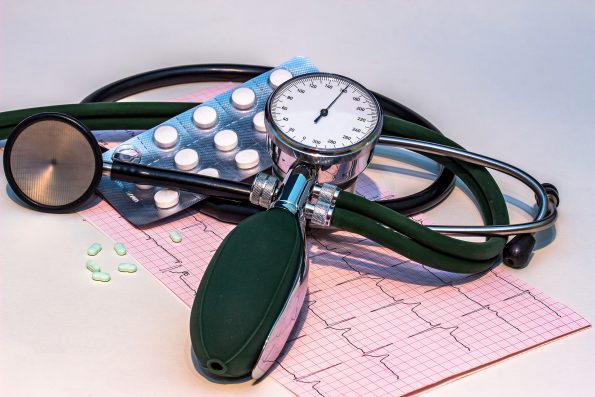
BLOOD PRESSURE RANGES:

BLOOD PRESSURE RANGES:

BLOOD PRESSURE RANGES:
There are always two pressures expressed in blood pressure ranges, the systolic and the diastolic pressure.

Blood pressure ranges are usually written using the systolic number before or above the diastolic number, for example, 120/80 mmHg… The systolic pressure, which is the first number shown, the 120 in the chart below, is the pressure reading as the heart pumps blood out from the ventricle into the veins. The diastolic pressure, 80 as illustrated in the blood pressure chart, is the resting pressure, which is between beats when the pressure decreases before the next heart pumping action
For young adults aged 20 to 40, the normal, healthy blood pressure ranges are 120/80 but it is also normal to high, 130/85 and normal to low, 110/75. The high blood pressure ranges for this age group progress in stages from 140/90 up as high as 210/120. The low blood pressure ranges go from 90/60 to a dangerously low level of 50/33. By the age of 50, the average, normal blood pressure ranges have risen to 129/85 and at 60, there is a further increase in the average normal range to 134/87.
High blood pressure is termed hypertension, low blood pressure is hypotension. If there is no obvious cause for hypertension, which is often the case, it is called primary hypertension. Secondary hypertension, the term given to only 5 to 10% of cases, can be caused by a number of factors, amongst them a kidney or heart disease and hardening of the arteries.

Blood pressure changes at four phases throughout life:

Researchers have found that blood pressure changes at 4 phases throughout life: a quick increase throughout adolescent growth; a milder increase early on in adult years; an acceleration in the 40s; and by the age of 50, the normal average blood pressure ranges have increased to 129/85. During a period in late adult years, blood pressure will increase slowly and then reduces.

The primary causes of blood pressure increasing over a lifetime can be modified and could be focused on to help prevent heart disease: even though high blood pressure often has no obvious symptoms, this condition could lead to life-threatening stroke and heart attacks, so a reduction in blood pressure is crucial for health.

A decrease, as well as increase in blood pressure, affects lifetime cardiovascular disease risk

According to a study, a decrease, as well as increase in your blood pressure throughout middle age, could significantly affect your lifetime cardiovascular disease risk.

Individuals that maintained or lowered blood pressure to normal blood pressure levels by 55 years old had the lowest lifetime cardiovascular disease risk of between 22% and 41%. In comparison, people who already had high blood pressure by 55 years old had a greater lifetime risk of between 42% and 69%.
Both avoiding high blood pressure throughout middle age or delaying the start of the development of high blood pressure seem to have a significant effect on a person’s remaining lifetime cardiovascular disease risk.
The study also found:
•Nearly 70% of all men that get hypertension during middle age will have a cardiovascular disease incident by 85 years old.
•Women that get hypertension by earlier middle age have a higher lifetime cardiovascular disease risk of 49.4% than those that have kept normal blood pressure until the age of 55.
•Women generally had higher increases in blood pressure throughout middle age.
•At an average of 55 years old, 40.8% of women and 25.7% of men had blood pressure levels that were normal; 47.5% of women and 49.4% of men had prehypertension.
•The overall lifetime cardiovascular disease risk for people aged 55 years or more was 39.9% for women and 52.5% for men, after factoring in all blood pressure levels.
•The lifetime cardiovascular disease risk was higher among Blacks in comparison to Whites of the same sex and went up with increased blood pressure at middle age.
Courtesy www.rohsi.org like our page at www.facebook.com/rohsi;www.twitter.com/rohsi3 and www.Instagram.com/rohsinigeria

WHAT IS HEART FAILURE?

WHAT IS HEART FAILURE?

WHAT IS HEART FAILURE?

The name doesn’t mean your heart stops. It just doesn’t work as well as it should. It happens when the muscle is weakened and can’t pump enough blood and oxygen to your body. It can compensate for a while, but eventually you’ll need to get treated.

What Causes It?

Your heart can begin to fail as you age, but the condition can affect young people, too. Most people with it had a related problem first. It could be high blood pressure, coronary artery disease, a heart attack, a birth defect of the heart, or a disease that strikes the blood-pumping muscle.

Lung disease can lead to heart failure, too. Obesity, diabetes and sleep apnea have also been linked to it.

Symptom: Shortness of Breath

It’s one of the first red flags you may notice, especially after you’re active. It can also happen when you’re at rest once heart failure gets worse. Sometimes you may feel short of breath when you’re lying down or sleeping. That’s because the heart can’t keep up with the blood flow back to it from the lungs. When that happens, fluid leaks into the lungs. That will make it harder to breathe.

Symptom: Fatigue

If your heart isn’t pumping properly, the brain takes blood from less-important areas of the body — like the muscles in your limbs — to the brain and other vital organs. That can make your arms and legs feel weak. You may feel tired doing everyday things like climbing stairs or walking across the room. You can also get light-headed.

Symptom: Nagging Cough and Wheeze

This is another sign that your heart is struggling, and that blood returning to it from the lungs is backing up. That means fluid gets in your lungs. Sometimes, the cough can bring up white or pinkish mucus. Let your doctor know if you have it.

Symptom: Swelling and Weight Gain

Fluid can back up in tissues, too. This can cause your feet, ankles, legs or belly to swell. The kidneys, since they have less blood to work with, may not get rid of sodium as well. That would cause more fluid to stay in your tissues. Talk with your doctor right away if you have persistent swelling or sudden weight gain.

Symptom: Nausea

You may have that — or you might just feel full as if you can’t eat anymore. Either way, that can lead to a lack of appetite. This happens because your digestive system isn’t getting enough blood and oxygen.

Symptom: A Racing Heart

It’s a common warning sign. When your heart doesn’t pump enough blood, your body knows. It can make up for this in a few ways:

By adding muscle to your heart to push more strongly

By enlarging your heart so it can stretch and snap back better

By making your heart beat faster

Symptom: Confusion

You may seem confused or sluggish. You might be disoriented, or you might start forgetting things. When other organs aren’t working well because of a lack of blood, it affects the amount of some things (like sodium) in the blood. This can affect your brain.

Tips to Prevent Heart Failure

You can lower your odds of getting the condition. Make sure to eat well and exercise. If you smoke, quit. If you’re carrying a few extra pounds, do what you can to lose them. If you’re already at high risk, or your heart already is damaged, your doctor can help lower your risk with medicine. It’s important that you and your doctor work as a team.

Heart Failure Treatment

There’s usually no cure for the problem, but it can be treated. Typically, that plan will include things like exercise and a low-sodium diet. Your doctor may ask that you weigh yourself daily to make sure you’re not keeping too much fluid. You’ll also need to keep track of how much fluid you eat or drink each day. There’ll be medicine to take. You’ll also likely need to manage stress and avoid caffeine. Your doctor might also recommend surgery to implant devices to help your heart, too.

Living With Heart Failure

It doesn’t have to rule your life. Focus on what you can do with your condition, not what you can’t do. You may have to choose what’s most important and skip some of the other things. You may have to rest up, too.


Pin It on Pinterest

Share This