Sep 4, 2017 | Healthy Tips
14 WAYS TO SHED POUNDS AFTER 40
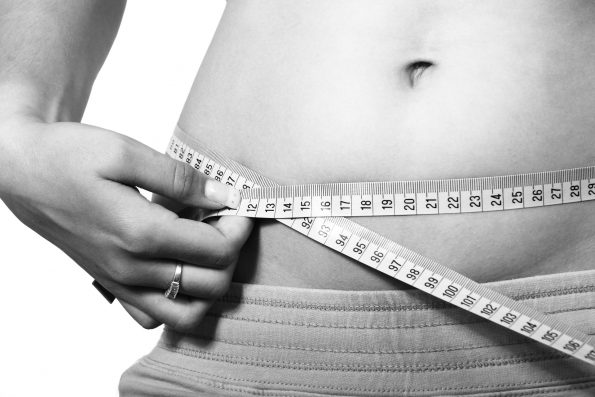
If you’re over 40, you may have noticed that it’s easier to gain weight — and harder to lose it — than it used to be. Changes in your activity level, eating habits, and hormones, and how your body stores fat all can play roles. But a few simple steps may help you slim down.
Eat Your Fruits and Veggies
Fill half your plate with them at every meal. Produce tends to have more nutrients and less fat and calories than meat, dairy products, or grains. And it may help you feel satisfied, even if you eat less. Fresh fruits, like apples and berries, are also great in place of high-fat or high-sugar snacks.
Don’t Skip Breakfast
Experts recommend a healthy morning meal like oatmeal or whole wheat toast with fruit. It can help curb that mid-morning hunger that leads you to grab something unhealthy on-the-go or overeat at lunch. Small meals or snacks every few hours can keep your appetite in check all day long.
Eat Less at Night
If you get most of your daily calories at lunch (before 3 p.m.), you might lose more weight than if you have a big meal later. But the most important thing is still what you eat, not when.
Cook Healthy Meals
A lot of extra fat and calories can come from the way you prepare food. Instead of frying food or cooking it in butter or lots of oil, try grilling, baking, or broiling. This is good advice at restaurants, too: Skip foods that are fried or that come in creamy sauces.
Don’t Make a Second Trip
You tend to be less active as you get older, and you may need a few hundred calories less than you used to. To lose weight, you may need to cut your calories back even more. Smaller portions and tracking your calories with a food diary or an app can help you eat less.
Pay Attention
When you’re busy with work, kids, and life, you can be tempted to grab food on-the-go or multitask through a meal. But you’re more likely to overeat — and be hungry again soon after — if you don’t focus on your food. Sit down for meals and tune in to what’s on your plate (not what’s on your TV or computer screen). That helps your brain realize when you’ve had enough.
Lay Off the Soda
If you drink sugar-sweetened coffee, tea, soft drinks, or energy drinks, switch to water or another zero-calorie beverage. Your sweet drinks have lots of added sugar, which can make you gain weight and raise your risk for diabetes.
Cut Back on Alcohol
Beer bellies aren’t always caused by booze. But a “spare tire” is common in middle age, and alcohol can have something to do with it. A glass of beer or wine is about 150 calories, and that can add up if you drink often. Plus, alcohol can make you hungry, so you may eat more while you drink.
Make Time for Exercise
Between desk jobs, commutes, and family activities, many 40-somethings don’t have a lot of free time to work out. But it’s important — for your weight and your overall health — to fit in at least 2 1/2 hours of moderate physical activity (like brisk walking or light yard work) every week. Pencil times into your calendar, and make them a priority.
Build Muscle
People naturally lose muscle after 40, especially women after menopause. Because muscle burns more calories than fat, this can slow down your metabolism and make it harder to shake those stubborn pounds. Strength-training exercises — lifting weights or doing bodyweight exercises, like push-ups and squats — at least twice a week can help you keep those muscles.
Relax, Don’t Stress
Stress can make you more likely to binge on unhealthy food, and it makes it harder for your body to break down fat. Try yoga, deep breathing, meditation, going for a walk, or reading a good book. Stress relief is different for everyone, so find what works for you
Get Good Sleep
All kinds of things can mess with your sleep after age 40 — health problems, stress, medications, and, for women, menopause. But people who don’t get good-quality sleep are more likely to gain weight. If you skimp on sleep because you’re busy or stressed, try to change your habits and settle into a regular routine.
Have Your Thyroid Checked
If you eat healthily and exercise regularly and still can’t lose weight, your thyroid might not be working like it should. This happens in about 5% of people, and it’s most common in women and people over 60. In addition to weight gain, it can also cause fatigue, joint or muscle pain, and depression. Medications can help, so get it checked if you think it might be an issue.
Get Support
For many people, it’s easier to lose weight with others than to do it alone. You might enter a weight-loss contest at work, join a group on social media, or ask a friend to go for early-morning walks or classes at the gym. Other people who share your goals can help keep you accountable and cheer you on as you make progress.
Sep 3, 2017 | Healthy Tips
HIGH BLOOD PRESSURE IS NO JOKE — HERE’S HOW IT HURTS YOUR BODY
Meg Dowell
September 03, 2017
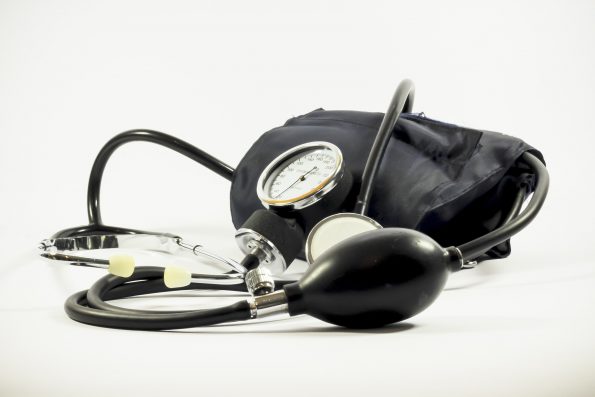
We all know high blood pressure is bad. After all, we hear consistent warnings from our friends, family, and physicians. Yet something is very often missing in these conversations: the why. Why does having high blood pressure matter? Does it really affect your health that much? In short, yes. Hypertension can have some devastating effects on your body.
There’s some good news, though. If you monitor it carefully and work with your doctor, you can minimize these major health concerns. Let’s take a look.
Your eye health suffers
The blood vessels in your eyes supply blood to your retina, which triggers nerve impulses that pass through the optic nerve on their way to your brain. You may suffer complete vision loss if these vessels are damaged. If you have type 2 diabetes, your risk of total blindness increases.
The likelihood of an aneurysm increases
The most dangerous types of aneurysms form on your aorta or the vessels that supply blood to your brain. Most aneurysms don’t show symptoms, so it’s important to get checkups regularly so your doctor can intervene before you get hurt.
Sexual dysfunction is likely
Both men and women can suffer from sexual dysfunction as a result of high blood pressure. Hypertension patients experience this condition at higher rates than those with normal blood pressure.
You could be headed toward diabetes
If you have high blood pressure, you’re at an increased risk of developing type 2 diabetes. This also increases your likelihood of suffering nerve damage and kidney disease.
The risk of having stroke increases
A stroke occurs when damaged blood vessels can’t get enough oxygen to your brain, causing brain cell death. This can lead to speech and motor difficulties, and could also kill you.
You could end up with dementia
Blood vessels supply both oxygen and nutrition to your brain. Without the proper nutrients, normal brain function starts to deteriorate. Sudden or gradual cognitive decline can result in confusion, disorientation, and have trouble communicating or understanding spoken words.
Kidney damage can be severe
If the blood vessels in your kidneys become narrow due to high blood pressure, your chances of developing chronic kidney disease increase significantly. Damaged kidneys won’t filter toxins out of your blood as efficiently as healthy ones, and if the damage is severe, they’re likely to fail completely.
You might end up with osteoporosis
Your bones depend largely on calcium to maintain density. It’s possible to lose calcium when you have high blood pressure, which weakens your bones and increases your risk of fracture.
And yes, it really hurts your heart
Similar to the way brain cells can die off without oxygen, the heart muscle can die if damaged arteries interrupt blood flow. This causes a heart attack, which isn’t always but can be, deadly.
So, what can you do?
Medication is sometimes necessary to treat dangerously high blood pressure. In the long-term, maintaining a diet rich in plant-based foods and engaging in regular physical activity can help you manage your symptoms and prevent severe damage to your body
Sep 3, 2017 | Healthy Tips
GOOD’ HABITS TO GIVE UP FOR TYPE 2 DIABETES
You know managing type 2 diabetes isn’t just about taking medicine. So you’ve been trying to make better food and lifestyle choices. But figuring out what’s healthy and what isn’t can be confusing.
Take these habits. They may seem like they’re good for you, but they could actually be sabotaging your efforts.
- Buying “sugar-free” foods
The supermarket is full of things that appear to be diabetes-friendly because they don’t have added sugar. But many have sugar substitutes that contain carbs. That means they have the potential to send your blood sugar levels soaring.
Before you put something in your cart, check the nutrition facts to see how many grams of carbs are in each serving and how much sugar is added.
- Swapping meals for meal replacement bars
Losing weight can help, and meal replacement bars may seem like an easy way to slim down.
Many meal replacement products are aimed at athletes. So they can be high in calories. Others contain ingredients like sugar alcohols (sorbitol and mannitol, for example), which can cause stomach trouble.
Occasionally, munching on a bar for breakfast when you’re pressed for time is OK as long as you pay attention to the nutrition info. But it’s smarter to stick with real meals.
- Loading up on vitamins and supplements
A diet with lots of fruits and vegetables should give you all the nutrients you need. A multivitamin may help fill in the gaps, but it still can’t match the real thing — food.
Some people take supplements like cinnamon or chromium to try to keep their blood sugar levels stable. It’s unclear whether these work. If you choose to try them — or any supplement — tell your doctor. He can make sure it’s safe for you and won’t interact with any medication you’re taking.
- Drinking juice
Natural doesn’t always equal healthy. One cup of apple juice, for example, has 25 grams of sugar and just 0.5 grams of fibre.
An apple, on the other hand, has less sugar (19 grams) and more fibre (4.5 grams). It will satisfy you longer and help stabilize your blood sugar. What’s more, a study found that drinking juice every day increases the risk of developing diabetes. But regularly eating whole fruit lowers it.
- Downing diet soda
It may be calorie-free, carbohydrate-free, and sugar-free, but you can still overdo it. One study found that overweight people who rely on diet soda end up taking in more calories from food. Why? Diet-drink lovers may think they’re “saving” calories on drinks and can afford to splurge on food. Artificial sweeteners also confuse your body because they taste sweet but don’t provide calories.
If you’re craving a cola once in a while, it’s fine to treat yourself. But you should usually fill your glass with water and other unsweetened beverages like plain iced tea.
- Avoiding all high-fat foods
A little fat is good for you, assuming you choose the right kinds. You should limit saturated fats (found in meat and dairy products) and avoid trans fats completely. But monounsaturated and polyunsaturated fats are healthy.
In fact, certain high-fat foods seem to have benefits for people with diabetes. Eating nuts along with higher-carb foods may help prevent blood sugar levels from going up too sharply. Other studies have shown that people who eat avocados are less likely to get metabolic syndrome. That’s a cluster of symptoms that includes high blood sugar.
Just remember to keep portion sizes small. The calories can add up quickly.
- Nibbling on 100-calorie snack packs
Many people open pack after pack because each one seems so tiny. They end up eating more than if they started with a “regular” container. In one study, people who were given nine small bags of chips ended up eating almost twice as much as those who were given two large bags.
So be honest with yourself: Can you really stop after one? If not, put the box back on the shelf.
Reviewed by Michael Dansinger, MD on January 07, 2017

Sep 3, 2017 | Healthy Tips
ARE YOUR BLOOD SUGARS OUT OF CONTROL? SIGNS TO LOOK FOR
You Don’t Check Your Blood Sugar
People with type 2 diabetes can often keep their blood sugar levels under control with diet, exercise, and medicine. But unless you check your blood sugar level every day with a meter, you won’t have the most accurate results. Any person with diabetes can benefit from checking their blood sugar. And when you track your results in a log, your doctor can tell how well you’re responding to your treatment plan over time.
You’re Thirsty, and You Have to Go
Thirst and frequent urination are two classic diabetes signs caused by too much sugar in your blood. As your kidneys work harder to filter out the sugar, they also pull more fluids from your tissues, which is why you have to go to the bathroom more often than usual. Thirst is your body’s way of telling you it needs to replenish the liquids it’s losing. If you don’t drink more fluids, you can dehydrate
You’re Wiped Out
Fatigue is another signal that your blood sugar isn’t under control. When sugar is staying in your bloodstream instead of being diverted to your body’s cells, your muscles don’t get enough fuel to use for energy. You might feel only a little tired, or your fatigue might be so bad that you need a nap. Sometimes people with diabetes feel especially tired after eating a big meal.
The Room Is Spinning
Feeling dizzy or shaky can be a sign of low blood sugar or hypoglycaemia. Because your brain needs glucose to function, a drop in blood sugar can be dangerous — even life-threatening — if you don’t address it. A glass of fruit juice can bring up your blood sugar in the short term. But if you’re regularly feeling shaky, talk to your doctor. You may need to adjust your medications or diet.
Your Hands and Feet Swell
If you have high blood pressure as well as diabetes, the two conditions can damage the kidneys’ ability to filter wastes and fluid over time. As water builds up in your body, your hands and feet may swell — a warning sign that you may have kidney disease. You can preserve the kidney function you have by taking your diabetes and blood pressure medicines as prescribed. Diet changes may help. Work with a nutritionist to keep your blood sugar under control.
You Have Numbness or Tingling
Nerve damage (called peripheral neuropathy) can be another sign of chronically elevated blood sugars. It results in numbness or tingling in your hands and feet, or inability to feel pain or temperature changes. See your podiatrist for regular foot exams. People with neuropathy may not realize they have been injured from a cut or that a wound is becoming infected. Or they may be oversensitive to pain. They might experience severe and constant pain from otherwise painless stimulation.
You Have Stomach Trouble
Diabetes also damages the nerve that helps your stomach empty and move food smoothly through your digestive tract. When your stomach can’t empty quickly enough, a condition called gastroparesis, you may deal with unpleasant abdominal problems like diarrhoea, constipation, or incontinence. Many people also have problems eating or swallowing. Gastroparesis also can make it harder to control your diabetes.
You’re Losing Your Sight
High blood sugar and high blood pressure both can damage the sensitive structures in your eyes and threaten your vision. Diabetic retinopathy — caused by damage to the blood vessels in the eye — is the biggest cause of blindness in adults. Blurred vision, spots, lines, or flashing lights are signs that it’s time to see your eye doctor. Get your eyes checked now before your vision has a chance to deteriorate.
You’re Losing Weight
Losing unwanted pounds is always a good idea to manage type 2 diabetes. But if you’re losing weight quickly, without trying, or without doing anything different, it may be a sign that your blood sugar is too high. When your glucose is high, it gets flushed out of the body in urine, taking the calories and fluids you consume with it
You Have Recurring Infections
Frequent or recurring infections are sometimes a sign of high blood sugar. You might experience gum disease, urinary tract infections, bacterial or fungal infections of the skin, or if you’re a woman, yeast infections. Other infections might include pneumonia and respiratory infections, kidney and gallbladder infections, and severe bacterial middle ear and fungal sinus infections.
Cuts and Bruises Won’t Heal
If your blood sugar isn’t well controlled, you might find that cuts and bruises are slow to heal. Tending to injuries, however small, is important because it reduces the risk of infections in people with diabetes. Infections themselves can also worsen blood sugars, which makes it even harder for your immune system to fight off the infection.
Keep Control
Don’t panic about diabetes complications — try to avoid them by carefully following your doctor’s treatment plan. Take your medicine, eat a healthy diet, and exercise to keep your blood sugar levels in check. Use your meter to test your blood sugar so you know that it’s staying in the recommended range. An A1C test at least twice a year will give you a good snapshot of your blood sugar control over time.
When to Call Your Doctor
Any new or unusual symptoms are worth making a call to your doctor. Call if you feel dizzy or your blood sugar drops, or if you have severe symptoms like uncontrolled vomiting, dizziness, numbness or tingling, or blurred or double vision that doesn’t go away. Also, call if you’re having trouble controlling your blood pressure on your own.
Sep 3, 2017 | Healthy Tips
12 TIPS TO AVOID DIABETES COMPLICATIONS
Choose Carbs Carefully
Diabetes doesn’t mean you have to cut carbs completely. Choose carbohydrates that break down in the body slowly, providing steady energy. Reach for whole grains, beans, nuts, and fresh vegetables and fruits. Yes, you can eat fruit even though it’s sweet. It’s about eating the right amounts of carbohydrates at each meal. A registered dietitian can help you learn how much is right for you.
Lose Weight If You Need To
Start small. If you are overweight, shedding just a few pounds can improve the body’s ability to use insulin. It’ll help lower your blood sugar and improve your blood pressure and blood fats. You’ll also have more energy. Ready? Aim to burn more calories than you eat. To start, try cutting excess fat, sugar, and calories from your diet.
Get Enough Sleep
Getting too much or too little sleep can increase your appetite and cravings for high-carb foods. That can lead to weight gain, increasing your risk for complications such as heart disease. So shoot for seven or eight hours of sleep a night. If you have sleep apnea, treating it can improve your sleep and lower your blood sugar levels.
Be Active: Exercise and Diabetes
Pick something you like — walking, dancing, biking, or just marching in place while you’re on the phone. Do it a half-hour a day; work up to that if you need to. Exercise can help you lower your cardiovascular risks, cholesterol, and blood pressure levels, and keep your weight down. Exercise also relieves stress and may help you cut back on diabetes medication.
Monitor Your Blood Sugar Daily
You know you’re supposed to check it. And actually checking your blood glucose levels can help you avoid diabetes complications, like nerve pain, or keep them from getting worse. Checking it can also help you see how foods and activities affect you, and if your treatment plan is working. Your doctor can help you set a target glucose level range. The closer you get to your target, the better you’ll feel.
Manage Stress
When you have diabetes, stress can cause your blood glucose levels to rise. Get rid of whatever physical or mental stresses you can. Learn coping techniques to deal with others. Relaxation techniques such as breathing exercises, yoga, and meditation may be especially effective if you have type 2 diabetes.
Say No to Salt
Reduce the salt in your diet. It may help lower blood pressure and protect your kidneys. Not salting the food on your plate may not be enough. Most of the salt in Americans’ diets comes from processed foods. Avoid convenience foods and use fresh ingredients when you can. Season with herbs and spices instead of salt when you cook.
Adults age 51 and older, and individuals with high blood pressure, diabetes, or chronic kidney disease should talk with their doctor about how much to reduce their sodium intake. In general, people with diabetes should decrease to less than 2,300 mg per day, however, your doctor may recommend lower amounts.
Heart Disease Risk and Diabetes
Heart disease can be a serious diabetes complication. Keep an eye on your risk by getting these ABCs checked:
A1C level. This is a measure of your average blood sugar control for the last 2-3 months. You may need it checked two or more times a year. Talk to your doctor about setting a goal.
Blood pressure. Goal: below 140/80 mm Hg.
Cholesterol. Goal: LDL to 100 mg/d or less; HDL above 40 mg/dl in men and greater than 50 in women; and triglycerides below 150 mg/dl.
Take Care of Bumps and Bruises
Diabetes raises your risk of infection and slows healing, so treat even simple cuts and scrapes quickly. Properly clean your wound and use an antibiotic cream and sterile bandage. See a doctor if it’s not better in a few days. Check your feet every day for blisters, cuts, sores, redness, or swelling. Moisturize them to prevent cracks.
Break Your Smoking Habit
People with diabetes who smoke are two times more likely to die prematurely than those who don’t. Quitting helps your heart and lungs. It lowers your blood pressure and risk of stroke, heart attack, nerve damage, and kidney disease. Ask your doctor about help for quitting tobacco.
Pick Super Foods, Don’t Supersize
There’s no single diabetes diet. But here are basics to keep in mind: Enjoy super foods like berries, sweet potatoes, fish with omega-3 fatty acids, and dark green, leafy vegetables. Look at food labels and avoid saturated fat and trans fats. Instead, opt for mono and polyunsaturated fats like olive oil. A registered dietitian can give you personalized advice.
Set Up Doctor Visits
Expect to see your doctor two to four times a year. If you take insulin or need help balancing your blood sugar levels, you may need to visit more often. Also get a yearly physical and eye exam. You should be screened for eye, nerve, and kidney damage, and other complications. See a dentist twice a year. And be sure to tell all health care providers that you have diabetes.
