Aug 25, 2017 | Healthy Tips
METH ABUSE COULD UP STROKE RISK IN YOUNGER USERS
THURSDAY, Aug. 24, 2017 (HealthDay News) —
Younger adults who use methamphetamine may be at greater risk for stroke, a new review suggests. With the use of the stimulant increasing, particularly in more potent forms, doctors in many countries are seeing more meth-related disease and harms, the Australian study authors said. This is especially true among younger people, who are the major users of the drug.
“It is likely that methamphetamine abuse is making a disproportionate contribution to the increased incidence of stroke among young people observed over recent years,” said researchers led by Julia Lappin. She’s with the National Drug and Alcohol Research Centre at the University of New South Wales in Sydney.
These strokes can lead to disabilities or death, she and her colleagues pointed out.
For the review, Lappin’s team analyzed 77 studies that investigated the link between methamphetamine use and stroke risk in adults younger than 45. They identified reports of 98 strokes — 81 caused by bleeding into the brain (hemorrhagic) and 17 caused by a blood clot (ischemic). Men were twice as likely as women to suffer one of these strokes.
Ischemic strokes are more common in the general population.
But eight out of 10 of the strokes associated with methamphetamine abuse were bleeding strokes, the researchers said. This is a dramatically higher rate than typically reported among people in this age group and older adults.
The brain bleeds also increased the risk of death among younger methamphetamine users: One-third of them died, the study found.
Bleeding strokes were associated with the drug regardless of whether it was swallowed or injected. In about one-third of all cases, the strokes were linked to inflamed blood vessels and high blood pressure, the researchers said.
They added that methamphetamine abuse could cause high blood pressure in otherwise healthy people.
The study was published online Aug. 23 in the Journal of Neurology Neurosurgery & Psychiatry.
— Mary Elizabeth Dallas
Aug 17, 2017 | Healthy Tips
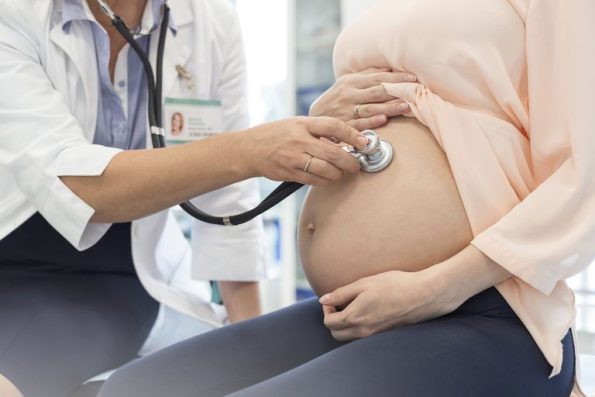
PREGNANCY COMPLICATIONS ASSOCIATED WITH PCOS
Risks To Mom And Baby And How You Might Prevent Them
By Nicole Galan, RN
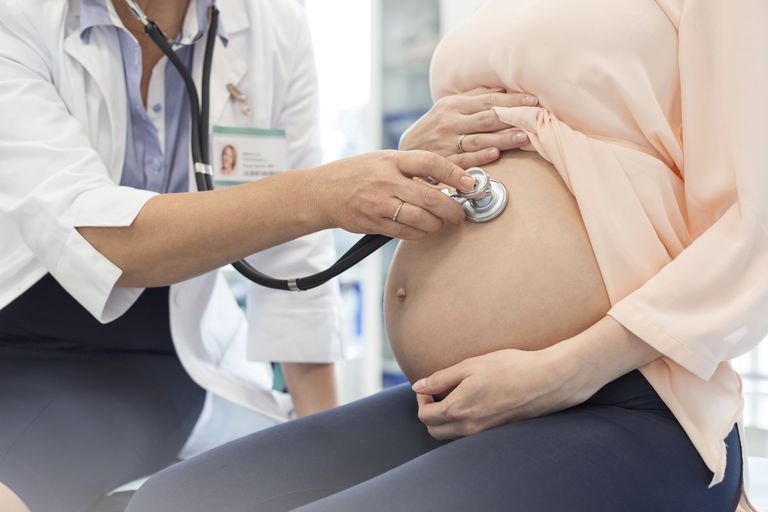
Most women with PCOS are aware that they may have some difficulty becoming pregnant. Irregular periods and absent ovulation can make it challenging to time intercourse for pregnancy and commonly leads a couple to seek out the assistance of a reproductive specialist.
But many women aren’t aware that having PCOS can also increase her risk for certain pregnancy-related complications. Though rest assured these complications aren’t common, a woman should still visit her obstetrician regularly and follow her recommendations for prenatal screening.
Miscarriage
Women who have PCOS do appear to be at a slightly higher risk for having a miscarriage, though the cause for this relationship is unclear. Researchers believe that a few factors may be to blame. First, women with PCOS tend to have longer menstrual cycles, meaning that ovulation occurs later on. This exposes the developing egg to lots of hormones, possibly damaging it.
Second, there is a known relationship between uncontrolled blood sugar and miscarriage. Given that women with PCOS tend to have insulin resistance and elevated insulin levels, some researchers hypothesize that this may contribute to poor egg quality and miscarriage. High androgen levels and endometrial dysfunction, meaning problems with implantation, may also play a role in the increased risk of early pregnancy loss in women with PCOS – though more research is needed before a clear association can be developed.
Pregnancy-Induced Hypertension and Preeclampsia
Pregnancy-induced hypertension, or PIH, refers to women who develop new onset high blood pressure after 20 weeks.
Preeclampsia is a serious health condition that also develops in the second half of pregnancy and causes protein in the urine, in addition to high blood pressure. The loss of protein in the urine leads to swelling and signals a problem with the kidneys.
If left untreated, preeclampsia can progress to the severe form of the syndrome called eclampsia, which can cause seizures, blindness, and/or coma.
In serious cases, both maternal and foetal death can result.
Every time you visit your doctor, she will check your blood pressure and take a urine sample to look for protein in the urine. This is to make sure that you are not developing preeclampsia. If you are diagnosed with preeclampsia, treatment involves bed rest, frequent monitoring, and medication to hopefully lower your blood pressure. If your blood pressure does not decrease, the only known cure is to deliver the baby. The goal is to get the baby as far along in the pregnancy as possible so that the lungs have a chance to develop.
Women with PCOS tend to have higher blood pressure to begin with, increasing their risk for developing PIH. This is why it’s important to watch out for signs and symptoms of PIH and preeclampsia (swelling, rapid weight gain, severe headache, vision changes) and promptly report them to your doctor, or proceed to the emergency room if necessary.
Gestational Diabetes
Gestational diabetes occurs when diabetes, an alteration in how the body processes sugar, develops during pregnancy. While the condition usually resolves after giving birth, a woman with gestational diabetes is more likely to develop type 2 diabetes later in life, requiring ongoing monitoring of blood sugar levels.
All pregnant women are monitored for gestational diabetes with routine blood sugar screening sometime between 26 and 28 weeks. Women with known diabetes, insulin resistance, or who are at higher risk for developing gestational diabetes may be screened earlier. Women who are older than 25, have had gestational diabetes with prior pregnancies, who are overweight, who have prediabetes, or who have close family members who have been diagnosed with type 2 diabetes are at greater risk for developing gestational diabetes. Women with PCOS are a part of that group because of the association with insulin resistance and prediabetes.
Gestational diabetes can be treated with a combination of lifestyle changes or medication if necessary. It’s important to be vigilant about monitoring your blood sugar as directed by your physician because babies born to mothers with gestational diabetes are at higher risk for high birth weight, preterm birth, respiratory issues at birth, low blood sugar, and jaundice.
Premature Delivery
Women with PCOS are also at risk of delivering their baby early. The reason behind this again is not totally clear. Experts do know that preeclampsia is a risk factor for premature delivery, and women with PCOS are at a higher risk of preeclampsia.
In addition, experts have found that babies born to moms with PCOS are more likely to be large (called large for gestational age), have meconium aspiration (when a baby’s first stool gets into their lungs), and have a low Apgar score at five minutes.
Preventing Pregnancy Complications in PCOS
Some of these complications sound pretty scary, but there are many things that you can do to help prevent them. First and foremost is to get regular prenatal care as early into the pregnancy as possible. Even better would be to see your doctor before trying to conceive so that you can discuss specific steps to lower your risks – like optimizing your weight.
Second, make some positive lifestyle changes. Even though they may be hard to implement, remember that you are doing it for your baby (and for yourself). For instance, discuss an exercise regimen with your doctor, and if you struggle with healthy eating habits, ask for a referral to a nutritionist.
Sources:
American Diabetes Association. (2013). Before Pregnancy.
American Pregnancy Association. Polycystic ovarian syndrome.
Kamalanathan, S., Sahoo, J.P., & Sathyapalan, T. Pregnancy in Polycystic Ovary Syndrome. Indian Journal of Endocrinology and Metabolism, Jan-Feb;17(1):37-43.
Roos, N., Sahlin, K.H., Ekman-Ordeberg, G., Falconer, H., & Stephansson, O. (2011). Risk of Adverse Pregnancy Outcomes in Women with Polycystic Ovary Syndrome: Population-based Cohort Study. BMJ, Oct 13;343:d6309

Aug 17, 2017 | News
PIH PREECLAMPSIA—WHAT’S PREGNANCY INDUCED HYPERTENSION?
By Nicole Galan, RN
Pregnancy induced hypertension is also known as PIH or preeclampsia and can be very serious if not caught early in the disease. There is a difference between simple hypertension and preeclampsia. Hypertension either comes on during the pregnancy or is something the woman has before becoming pregnant. After the pregnancy, gestational hypertension will go away completely, or go back to pre-pregnancy levels.
In most cases, preeclampsia develops in the second half of pregnancy, after 20 weeks. In addition to high blood pressure, women with PIH have severe swelling that doesn’t go away and protein that leaks into their urine (signalling kidney dysfunction).
Dangers of PIH to Mom and Baby
Chronic high blood pressure that doesn’t develop into preeclampsia can prevent sufficient blood flow through the placenta to the baby. This keeps the baby from getting enough oxygen and nutrients. If left untreated, PIH can progress to the severe form of the syndrome, eclampsia, which can cause the following symptoms:
Seizures
Pregnancy loss (miscarriage)
Vision impairment and persistent headaches
Neurological damage to the foetus
Kidney failure or liver and blood clotting problems in the mother
In serious cases, eclampsia can lead to maternal coma and both maternal and fetal death can result.
Diagnosing Preeclampsia
Although most cases of preeclampsia or PIH are mild and cause no trouble, the condition can get worse and be serious for the health of both mother and baby.
You may not notice any signs of pregnancy induced hypertension or preeclampsia until the doctor diagnoses your high blood pressure. You might notice severe swelling that doesn’t ever decrease and/or rapid weight gain (more than a few pounds each day).
The first few symptoms that pregnant women might have when experiencing PIH are:
High blood pressure, known as hypertension.
Proteinuria, which is protein in the urine.
Every time you visit your doctor, she will check your blood pressure and take a urine sample to look for protein in the urine to make sure that you are not developing this serious condition.
Symptoms that preeclampsia is developing into eclampsia include a severe headache, visual changes, and seizures. If you notice any of these symptoms, please call your doctor immediately. If you have a severe headache, vision changes or experience a seizure, you should go to the emergency room immediately as these could signal a medical emergency.
Treatment for Pregnancy Induced Hypertension
Treatment for preeclampsia depends on how far along you are in the pregnancy. If the baby is full term or close to it, your doctor will likely want to induce your labour or schedule a C-section.
If you are still several weeks or months from your due date, treatment involves bed rest, frequent monitoring and taking medication, a type of magnesium, which should hopefully lower your blood pressure. Unfortunately, this magnesium is given through the IV while you are in the hospital. This may require an extended stay in the hospital, especially if you are many weeks from delivery.
If it doesn’t work, the only known cure is to deliver the baby. The goal is to get the baby as far along in the pregnancy as possible so that the lungs have a chance to develop.
Source:
Gestational hypertension: Pregnancy induced hypertension (PIH).