Mar 12, 2018 | Healthy Tips
6 SYMPTOMS YOU SHOULDN’T IGNORE
By Kara Mayer Robinson
Most aches and pains aren’t a sign of something serious, but certain symptoms should be checked out. See a doctor if you feel any of these things:
- Weakness in Your Arms and Legs
If you get weak or numb in your arm, leg, or face, it can be a sign of a stroke, especially if it’s on one side of your body.
You could also be having a stroke if you can’t keep your balance, feel dizzy, or have trouble walking.
Get help quickly if you suddenly can’t see well, get a bad headache, feel confused, or have problems speaking or understanding.
Don’t wait to see a doctor, call for help if you get a clot-buster drug within 4.5 hours of your first symptom, you can lower your risk of long-term disability from stroke.
- Chest Pain
When it comes to chest pain, it’s better to be safe than sorry.
“Any chest pain, especially accompanied by sweating, pressure, shortness of breath, or nausea, should be evaluated by a medical professional right away,” says Shilpi Agarwal, MD, with One Medical Group in Washington, DC.
Chest pain or pressure can be a sign of heart disease or a heart attack, particularly if you feel it during exertion or while being active. Or, chest pain may mean problems other than with your heart; for example, you have another serious condition, such as a blood clot moving into your lung, Teitelbaum says.
If your chest feels tight or heavy, and it lasts more than a few minutes or goes away and comes back again, gets help. Don’t try to tough it out.
- Tenderness and Pain in the Back of Your Lower Leg
This can be a symptom of a blood clot in your leg. It’s called deep vein thrombosis, or DVT. It can happen after you’ve been sitting for a long time, like on a long plane ride, or if you’re sick and have been in bed a long time.
If it’s a blood clot, you may feel the pain mostly when you stand or walk. You may also notice swelling. The leg is usually red and tender, and it will be larger than the other leg.
It’s normal to feel tenderness after exercise. But if you also see redness and feel heat where it’s swollen or painful, call your doctor.
Teitelbaum says you can also check for what’s called the Homans sign. “If you flex your toes upward and it hurts, that’s also suggestive of a blood clot,” he says. “But don’t rely on that. If it’s hot, red, and swollen on one side, go to the ER.”
It’s important to catch a blood clot before it can break off and block your blood flow, which can lead to complications.
- Blood in Your Urine
Several things can cause you to see blood when you pee.
If you have blood in your urine and you also feel a lot of pain in your side or in your back, you may have kidney stones. A kidney stone is a small crystal made of minerals and salts that form in your kidney and moves through the tube that carries your urine.
Your doctor may take X-rays or do an ultrasound to see the stones. An X-ray uses radiation in low doses to make images of structures inside your body. An ultrasound makes images with sound waves.
Many kidney stones eventually pass through your body when you pee. It can be very painful. Sometimes your doctor may need to remove the kidney stone.
If you see blood in your urine and you also have an increase in feeling that you urgently need to pee, make frequent trips to the bathroom, or feel burning when you urinate, you may have a severe bladder or kidney infection, Teitelbaum says. Don’t wait to see your doctor, especially if you have a fever.
If you see blood but don’t feel any pain, it may be a sign of kidney or bladder cancer, so visit your doctor.
- Wheezing
Breathing problems should be treated right away. If you’re wheezing, or hear a whistling sound when you breathe, see your doctor.
“Without urgent evaluation, breathing can quickly become labored, and it can be catastrophic if not evaluated and treated quickly,” Agarwal says.
It may be from asthma, a lung disease, a severe allergy, or exposure to chemicals. Your doctor can figure out what’s causing it and how to treat it. If you have allergic asthma, an allergist or pulmonologist (lung specialist) will create a plan to manage it and reduce flare-ups.
Wheezing can also be caused by pneumonia or bronchitis. Are you coughing up yellow or green mucus? Do you also have a fever or shortness of breath? If so, you may have bronchitis that’s turning into pneumonia. “Time to see your doctor,” Teitelbaum says.
- Suicidal Thoughts
If you feel hopeless or trapped, or think you have no reason to live, get help. Talking to a professional can help you make it through a crisis.
Go to a hospital emergency room or a walk-in clinic at a psychiatric hospital. A doctor or mental health professional will talk to you, keep you safe, and help you get through this tough time.
Mar 12, 2018 | Healthy Tips
WHAT IS PREDIABETES?
Reviewed by Michael Dansinger, MD.
Prediabetes is a wake-up call that you’re on the path to diabetes. But it’s not too late to turn things around.
If you have it your blood sugar (glucose) level is higher than it should be, but not in the diabetes range. People used to call it “borderline” diabetes.
Normally, your body makes a hormone called insulin to help control your blood sugar. When you have prediabetes, that system doesn’t work as well as it should. You might not be able to make enough insulin after eating, or your body might not respond to insulin properly.
Prediabetes makes you more likely to get heart disease or have a stroke. But you can take action to lower those risks.
Diagnosis:
Your doctor will give you one of three simple blood tests:
Fasting plasma glucose test. You won’t eat for 8 hours before taking this blood test. The results are:
Normal if your blood sugar is less than 100
Prediabetes if your blood sugar is 100-125
Diabetes if your blood sugar is 126 or higher
Oral glucose tolerance test. First, you’ll take the fasting glucose test. Then you’ll drink a sugary solution. Two hours after that, you’ll take another blood test. The results are:
Normal if your blood sugar is less than 140 after the second test
Prediabetes if your blood sugar is 140-199 after the second test
Diabetes if your blood sugar is 200 or higher after the second test
Hemoglobin A1C (or average blood sugar) test. This blood test shows your average blood sugar level for the past 2 to 3 months. Doctors can use it to diagnose prediabetes or diabetes or if you already know you have diabetes, it helps show whether it’s under control. The results are:
Normal: 5.6% or less
Prediabetes: 5.7 to 6.4%
Diabetes: 6.5% or above
You may need to take the test again to confirm the results.
3 Key Lifestyle Changes to Make Now
Lifestyle changes can help many people with prediabetes delay or prevent it from becoming diabetes.
In a large research study called the Diabetes Prevention Program, these changes cut the odds of getting diabetes:
1. Weight control. If you’re overweight, your prediabetes is more likely to turn into diabetes. Losing even as little as 5% to 10% of your body weight makes a difference.
2. Exercise. Get moderate exercise for 30 minutes a day, such as cycling, swimming, or brisk walking. It helps prevent and manage diabetes, studies show. Aerobic exercise, the kind that gets your heart rate up, is ideal. If you’re not active now, check with your doctor first.
3. Nutrition. Go for meals that mix low-fat protein, vegetables, and whole grains. Limit calories, serving sizes, sugar, and starchy carbs. Favour fibre-rich foods, which help you feel full and not eat too much.
WebMD Medical Reference
Mar 12, 2018 | Healthy Tips
DIABETES AND PERIODONTAL DISEASE
If you have diabetes, you know the disease can harm your eyes, nerves, kidneys, heart and other important systems in the body. Did you know it can also cause problems in your mouth? People with diabetes have a higher than normal risk of periodontal diseases.
Periodontal diseases are infections of the gum and bone that hold the teeth in place. In advanced stages, they lead to painful chewing problems and even tooth loss. Like any infection, gum disease can make it hard to keep your blood sugar under control.
What Is the Link Between Diabetes and Periodontal Disease?
Diabetic Control. Like other complications of diabetes, gum disease is linked to diabetic control. People with poor blood sugar control get gum disease more often and more severely, and they lose more teeth than do persons with good control. In fact, people whose diabetes is well controlled have no more periodontal disease than persons without diabetes. Children with IDDM (insulin-dependent diabetes mellitus) are also at risk for gum problems. Good diabetic control is the best protection against periodontal disease.
Studies show that controlling blood sugar levels lowers the risk of some complications of diabetes, such as eye and heart disease and nerve damage. Scientists believe many complications, including gum disease, can be prevented with good diabetic control.
Blood Vessel Changes. Thickening of blood vessels is a complication of diabetes that may increase risk for gum disease. Blood vessels deliver oxygen and nourishment to body tissues, including the mouth, and carry away the tissues’ waste products. Diabetes causes blood vessels to thicken, which slows the flow of nutrients and the removal of harmful wastes. This can weaken the resistance of gum and bone tissue to infection.
Bacteria. Many kinds of bacteria (germs) thrive on sugars, including glucose — the sugar linked to diabetes. When diabetes is poorly controlled, high glucose levels in mouth fluids may help germs grow and set the stage for gum disease.
Smoking. The harmful effects of smoking, particularly heart disease and cancer, are well known. Studies show that smoking also increases the chances of developing gum disease. In fact, smokers are five times more likely than non-smokers to have gum disease. For smokers with diabetes, the risk is even greater. If you are a smoker with diabetes, age 45 or older, you are 20 times more likely than a person without these risk factors to get severe gum disease.
How Does Periodontal Disease Develop?
Gingivitis. Poor brushing and flossing habits allow dental plaque — a sticky film of germs — to build up on teeth. Some of these germs cause gum disease. The gums can become red and swollen and may bleed during tooth brushing or flossing. This is called gingivitis, the first stage of periodontal disease.
Gingivitis can usually be reversed with daily brushing, flossing and Rinsing with antiseptic mouthwash as well as regular cleanings by the dentist. If it is not stopped, gingivitis could lead to a more serious type of gum disease called periodontitis.
Periodontitis. Periodontitis is an infection of the tissues that hold the teeth in place. In periodontitis, plaque builds and hardens under the gums. The gums pull away from the teeth, forming “pockets” of infection. The infection leads to loss of the bone that holds the tooth in its socket and might lead to tooth loss.
There are often no warning signs of early periodontitis. Pain, abscess, and loosening of the teeth do not occur until the disease is advanced. Since periodontitis affects more than just the gums, it cannot be controlled with regular brushing and flossing. Periodontitis should be treated by a periodontist (a gum disease specialist) or by a general dentist who has special training in treating gum diseases.
How Is Periodontal Disease Treated?
Plaque Removal. Treatment of periodontitis depends on how much damage the disease has caused. In the early stages, the dentist or periodontist will use a deep cleaning to remove hardened plaque and infected tissue under the gum and smooth the damaged root surfaces of teeth. This allows the gum to re-attach to the teeth. A special mouth rinse or an antibiotic might also be prescribed to help control the infection.
Deep cleaning is successful only if the patient regularly brushes and flosses to keep the plaque from building up again.
Periodontal Surgery. Gum surgery is needed when periodontitis is very advanced and tissues that hold a tooth in place are destroyed. The dentist or periodontist will clean out the infected area under the gum, then reshape or replace the damaged tooth-supporting tissues. These treatments increase the chances of saving the tooth.
If You Have Diabetes…
- It’s important for you to know how well your diabetes is controlled and to tell your dentist this information at each visit.
- See your doctor before scheduling treatment for periodontal disease. Ask your doctor to talk to the dentist or periodontist about your overall medical condition before treatment begins.
- You may need to change your meal schedule and the timing and dosage of your insulin if oral surgery is planned.
- Postpone non-emergency dental procedures if your blood sugar is not in good control. However, acute infections, such as abscesses, should be treated right away.
- For the person with controlled diabetes, periodontal or oral surgery can usually be done in the dentist’s office. Because of diabetes, healing may take more time. But with good medical and dental care, problems after surgery are no more likely than for someone without diabetes.
- Once the periodontal infection is successfully treated, it is often easier to control blood sugar levels.
Are Other Oral Problems Linked to Diabetes?
Dental Cavities. Young people with IDDM have no more tooth decay than do nondiabetic children. In fact, youngsters with IDDM who are careful about their diet and take good care of their teeth often have fewer cavities than other children because they don’t eat many foods that contain sugar.
Thrush. Thrush is an infection caused by a fungus that grows in the mouth. People with diabetes are at risk for thrush because the fungus thrives on high glucose levels in saliva. Smoking and wearing dentures (especially when they are worn constantly) can also lead to fungal infection. Medication is available to treat this infection. Good diabetic control, no smoking, and removing and cleaning dentures daily can help prevent thrush.
Dry Mouth. Dry mouth is often a symptom of undetected diabetes and can cause more than just an uncomfortable feeling in your mouth. Dry mouth can cause soreness, ulcers, infections, and tooth decay.
The dryness means that you don’t have enough saliva, the mouth’s natural protective fluid. Saliva helps control the growth of germs that cause tooth decay and other oral infections. Saliva washes away sticky foods that help form plaque and strengthens teeth with minerals.
One of the major causes of dry mouth is medication. More than 400 over-the-counter and prescription drugs, including medicines for colds, high blood pressure or depression, can cause dry mouth. If you are taking medications, tell your doctor or dentist if your mouth feels dry. You may be able to try a different drug or use an “artificial saliva” to keep your mouth moist.
Good blood glucose control can help prevent or relieve dry mouth caused by diabetes.
Keep Your Teeth
Serious periodontal disease not only can cause tooth loss but can also cause changes in the shape of bone and gum tissue. The gum becomes uneven, and dentures may not fit well. People with diabetes often have sore gums from dentures.
If chewing with dentures is painful, you might choose foods that are easier to chew but not right for your diet. Eating the wrong foods can upset blood sugar control. The best way to avoid these problems is to keep your natural teeth and gums healthy.
How Can You Protect Your Teeth and Gums?
Harmful germs attack the teeth and gums when plaque builds up. You can stop plaque build-up and prevent gum disease by brushing and flossing carefully every day.
- Use a piece of dental floss about 18 inches long.
- Using a sawing motion, gently bring the floss through the tight spaces between the teeth.
- Do not snap the floss against the gums.
- Curve the floss around each tooth and gently scrape from below the gum to the top of the tooth several times.
- Rinse your mouth after flossing.
- Gently brush teeth twice a day with a soft nylon brush with rounded ends on the bristles.
- Avoid hard back-and-forth scrubbing.
- Use small circular motions and short back-and-forth motions.
- Gently brush your tongue, which can trap germs.
- Use a fluoride toothpaste to protect teeth from decay.
Check Your Work. Dental plaque is hard to see unless it is stained. Plaque can be stained by chewing red “disclosing tablets” sold at grocery stores and drug stores or by using a cotton swab to smear green food colouring on the teeth. The colour left on the teeth shows where there is still plaque. Extra flossing and brushing will remove this plaque.
Dental Check-ups. People with diabetes should have dental check-ups at least every 6 months, or more often if recommended by their dentist. Be sure to tell your dentist you have diabetes. Frequent dental check-ups are needed to find problems early when treatment is most effective. See your dentist as soon as possible if you have any problem with your teeth or mouth.
Preventing or controlling gum disease depends on teamwork. The best defence against this complication of diabetes is good blood sugar control, combined with daily brushing and flossing and regular dental check-ups.
Courtesy: WebMD Public Information from the U.S. National Institutes of Health

Mar 11, 2018 | Healthy Tips
RESTLESS LEG SYNDROME AND CARDIAC RISK
By Richard N. Fogoros, MD.
One common condition we don’t usually think about when we assess our risk of cardiovascular disease is restless leg syndrome. This may be an oversight since it turns out that there is indeed an association between restless leg syndrome and heart disease.
Overview
Restless leg syndrome is a fairly common condition that affects people when they are trying to rest. People who have this condition experience a sort of discomfort in the legs when they are falling asleep, that compels them to move their legs around incessantly in order to seek relief.
These symptoms are generally not present during the day but occur in the evenings during periods of inactivity, just before falling asleep, or even during sleep.
People with restless leg syndrome typically describe one or more of several sensations that compel them to move their legs. These feelings include burning, twitching, creeping, restlessness, pulling or tension in their legs. Sometimes actual leg pain is involved. People with this condition usually describe the discomforting sensations as coming from deep within the legs rather than on the surface and usually occurring around the knees or in the lower legs. These symptoms almost always appear only during quiet rest, and tend to be minimized if the rest is not completely “quiet.” In particular, most people with this condition find that symptoms do not appear while they are performing activities that require them to concentrate on something—for instance, while working crossword puzzles, playing poker, or being emotionally engaged with a spouse or partner.
The symptoms of restless leg syndrome are generally relieved at least temporarily by getting up and moving around, or stretching or massaging the legs. Of course, by the time the victim gets up to perform these relieving activities, he or she may be wide awake and must begin the process of falling asleep all over again.
As a result, people with frequent restless leg syndrome may become sleep deprived.
Who Gets RLS:
Restless leg syndrome is really quite common and occurs to one degree or another in up to 15% of Caucasian adults. It appears to be less common in other ethnic groups. While restless leg syndrome can be caused by iron deficiency, kidney failure, pregnancy, spinal disease, and neurological disorders, in the large majority of sufferers no particular underlying cause can be identified.
Treatment:
In most cases, restless leg syndrome is a relatively mild and only intermittent condition, which can usually be treated by avoiding caffeine, getting regular exercise, engaging in cognitive activities during quiet periods in the evening, or getting up and taking a short walk on the occasions when symptoms occur. If a specific underlying cause can be found it should be treated. Restless leg syndrome due to iron deficiency, for instance, is particularly amenable to treatment.
If the symptoms of restless leg syndrome are more severe and are not relieved by such lifestyle measures, drug therapy can be quite effective. Drugs that have been used successfully for restless leg syndrome include the dopamine agonists, which are commonly used to treat Parkinson’s disease, such as pramipexole (Mirapex).
In addition, certain drugs used for seizure disorders have been effective, including gabapentin (Neurontin). Benzodiazepines, which are anti-anxiety drugs, have also been used successfully.
Drug therapy for restless leg syndrome may be particularly useful in people who are suffering from sleep deprivation because of this condition.
Restless Leg Syndrome and Cardiac Risk
Restless leg syndrome has been associated with an increased risk of cardiovascular disease, but no cause-and-effect relationship has been demonstrated.
Researchers believe that if there is a cause-and-effect relationship, it may have to do with hypertension.
It turns out that many people with restless leg syndrome also have a movement disorder called “periodic limb movements of sleep (PLMS),” in which repeated episodes of stereotypical leg movements occur while sleeping. Most people with PLMS are unaware they have such a condition (though their sleeping partners may well be). Research shows that patients with PLMS can have significant elevations in their blood pressure during episodes of leg movement while sleeping.
The degree of nocturnal hypertension that has been demonstrated is believed to be sufficient to significantly increase an individual’s risk of developing cardiovascular disease—and may help to explain the association between restless leg syndrome and cardiovascular disease.
Sources:
Yeh P, Walters AS, Tsuang JW. Restless legs syndrome: a comprehensive overview on its epidemiology, risk factors, and treatment. Sleep Breath 2012; 16:987.
Ohayon MM, O’Hara R, Vitiello MV. Epidemiology of restless legs syndrome: a synthesis of the literature. Sleep Med Rev 2012; 16:283.
Pennestri MH, Montplaisir J, Colombo R, Lavigne G, Lanfranchi PA. Nocturnal blood pressure changes in patients with restless legs syndrome. Neurology 2007; 68:1213-1218.
Mar 11, 2018 | Healthy Tips
WHAT IS DIABETIC NEUROPATHY?
Reviewed by Michael Dansinger, MD.
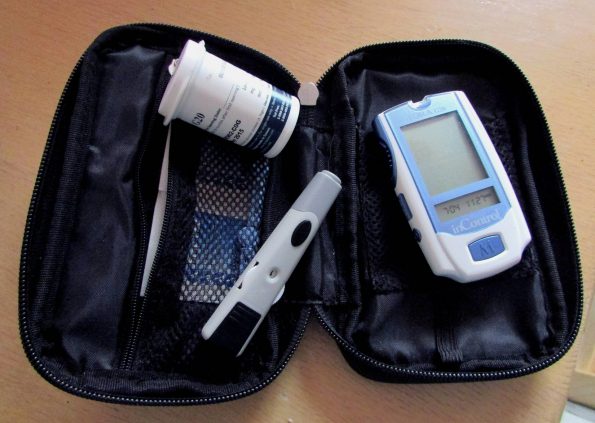
Diabetes can harm your nerves. That damage, called neuropathy, may be painful.
It can happen in several ways, and they all seem to be related to blood sugar levels being too high for too long. To prevent it, work with your doctor to manage your blood sugar.
You may hear your doctor mention the four types of diabetes-related neuropathy: peripheral, autonomic, proximal, and focal.
Peripheral Neuropathy:
This type usually affects the feet and legs. Rare cases affect the arms, abdomen, and back.
Symptoms include:
· Tingling
· Numbness (which may become permanent)
· Burning (especially in the evening)
· Pain
Early symptoms usually get better when your blood sugar is under control. There are medications to help manage the discomfort.
What you should do:
· Check your feet and legs daily.
· Use lotion on your feet if they’re dry.
· Take care of your toenails. Ask your doctor if you should go to a podiatrist.
· Wear shoes that fit well. Wear them all the time, so your feet don’t get injured.
Autonomic Neuropathy:
This type usually affects the digestive system, especially the stomach. It can also affect the blood vessels, urinary system, and sex organs
In your digestive system, Symptoms include:
· Bloating
· Diarrhoea
· Constipation
· Heartburn
· Nausea
· Vomiting
· Feeling full after small meals
What you should do:
You may need to eat smaller meals and take medication to treat it.
In blood vessels, Symptoms include:
· Blacking out when you stand up quickly
· Faster heartbeat
· Dizziness
· Low blood pressure
· Nausea
· Vomiting
· Feeling full sooner than normal
NOTE:
If you have it, avoid standing up too quickly. You may also need to wear special stockings (ask your doctor about them) and take medicine.
In Men:
Symptoms include: He may not be able to have or keep an erection, or he may have “dry” or reduced ejaculations.
What you should do: See your doctor, because there are other possible causes than diabetes.
Treatment includes:
· Counselling
· Penile implant or injections
· Vacuum erection device
· Medication
· In Women:
Symptoms include:
Can include less vaginal lubrication and fewer or no orgasms.
What you should do:
See your doctor and treatments include:
· Vaginal estrogen creams, suppositories, and rings
· Medications to help sex not feel painful
· Lubricants
In the Urinary System, Symptoms include:
*Trouble emptying your bladder
* Bloating
* Incontinence (leaking urine)
* More bathroom trips at night
What you should do: Tell your doctor.
Treatments may include:
· Medication
· Inserting a catheter into the bladder to release urine (self-catheterization)
· Surgery
Proximal Neuropathy:
This type causes pain (usually on one side) in the thighs, hips, or buttocks. It can also lead to weakness in the legs.
Most people with this condition need treatment, such as medication and physical therapy, for their weakness or pain.
Focal Neuropathy:
This type can appear suddenly and affect specific nerves, most often in the head, torso, or leg. It causes muscle weakness or pain.
Symptoms include:
· Double vision
· Eye pain
· Paralysis on one side of the face (Bell’s palsy)
· Severe pain in a certain area, such as the lower back or leg(s)
· Chest or belly pain that is sometimes mistaken for another condition, such as heart attack or appendicitis
What you should do: Tell your doctor about your symptoms.
Focal neuropathy is painful and unpredictable. But it tends to improve by itself over weeks or months. It usually doesn’t cause long-term damage.
Other Diabetes Nerve Damage
People with diabetes can also get other nerve-related conditions, such as nerve compressions (entrapment syndromes).
Carpal tunnel syndrome is a very common type of entrapment syndrome. It causes numbness and tingling of in the hand and sometimes muscle weakness or pain.
If you think you may have any type of nerve problem, talk with your doctor, so she can check for the cause.
Courtesy: WebMD Medical Reference.

Mar 2, 2018 | Healthy Tips
THIS BODY SHAPE CAN RAISE WOMEN’S HEART ATTACK RISK
By Steven Reinberg – HealthDay Reporter
Excess belly weight — a so-called apple shape — raises a woman’s risk for heart attack even more than overall obesity, researchers report.
While obesity raises heart attack risk in both sexes, women with bigger waists and waist-to-hip ratios have greater odds of a heart attack than men who have a similar apple-shaped body, a large British study finds.
“Our findings show that looking at how fat tissue is distributed in the body — especially in women — can give us more insight into the risk of heart attack than general measures of obesity, such as body mass index,” said lead researcher Sanne Peters. Body mass index (BMI) is a commonly used measurement based on height and weight.
Having a pear-shaped body — a smaller waist with excess weight mostly around the hips — isn’t thought to raise heart attack risk to the same degree.
Currently, no medical treatment focuses on excess belly fat, said Peters, a research fellow in epidemiology at the University of Oxford’s George Institute for Global Health.
However, “more intensive screening for the risk of cardiovascular disease and diabetes among those with an apple shape might help to prevent heart disease, especially in women,” Peters said.
According to the World Health Organization, 40 percent of women worldwide are overweight and 15 percent are obese.
Obesity increases the risk of heart attack, the leading cause of death worldwide, the researchers noted. Obesity also raises your odds for a stroke, high blood pressure, diabetes and some cancers.
For the new study, Peters and colleagues collected data on nearly 500,000 adults in the United Kingdom, aged 40 to 69, and followed them for seven years.
The investigators found that waist-to-hip ratio and waist circumference, respectively, were 15 percent and 7 percent more strongly tied to heart attack risk in women than men.
Also, compared with BMI, waist-to-hip ratio was an 18 percent stronger predictor of heart attack in women and a 6 percent stronger predictor of heart attack in men, the findings showed
However, the biological factors that contribute to the increased risk for heart attack aren’t known, Peters said.
Further research is needed to try to determine the different ways women and men store body fat, and to understand how exactly this is linked to different health risks, she said.
“Knowing exactly how patterns of fat storage influence the risk of obesity-related conditions will yield insights into the biological mechanisms and could inform sex-specific interventions that might halt the obesity epidemic worldwide,” Peters said.
One specialist believes women must act quickly to reverse weight gain around the waist in order to reduce the risk of heart disease.
“We have had similar data in the United States that belly fat is a risk marker for heart disease,” said Dr. Nieca Goldberg, a spokeswoman for the American Heart Association.
Goldberg said she thinks fat accumulation in the gut is linked to inflammation and insulin resistance. Both can lead to heart disease and heart attacks, she noted.
It’s possible that the risk is higher in women than men because women have a higher percentage of body fat, she suggested.
To reduce their risk, women should be conscious of weight gain around the middle, according to Goldberg, who is also director of the NYU Center for Women’s Health in New York City.
Her advice for those who find the pounds piling up around the waist: Cut down on sugar, carbohydrates, and alcohol, which is largely sugar.
“These are the patients I target for decreases in starches and sugars and increases in aerobic exercise to help reverse this process,” she said.
