Feb 22, 2018 | Healthy Tips
9 NATURAL REMEDIES FOR HIGH BLOOD PRESSURE
By Cathy Wong, ND
According to the American Heart Association, nearly half of U.S. adults have high blood pressure, also known as hypertension, and many aren’t aware of it. Normal blood pressure is considered to be under 120/80 mm Hg, and high blood pressure is 140/90 or higher. High blood pressure is a risk factor for heart conditions and if it’s uncontrolled, it can damage your body and lead to complications.
If you’re interested in natural solutions for better blood pressure, there’s some evidence that certain remedies may be helpful.
(It’s important to note that supplements shouldn’t be used as a substitute for standard care.) Here’s a look at nine ways to use natural remedies for high blood pressure:
- Garlic
Garlic may help to lower blood pressure, according to recent research. A review of nine previously published trials, for instance, found that systolic blood pressure (the top number in a reading) and diastolic blood pressure (the bottom number in a reading) were reduced more effectively by treatment with an aged garlic extract than a placebo.
Some research suggests that compounds in garlic extract, such as S-allyl cysteine, may improve elasticity in arteries and relax muscle cells in blood vessels, possibly by stimulating the production of hydrogen sulfide and increasing nitric oxide production (a molecule that can help to widen blood vessels and lower blood pressure) in blood vessels.
Garlic extract may cause digestive upset and other side effects, and it can interact with medications, so it’s important to talk with your doctor if you’re considering taking it.
- Fish Oil and Omega-3 Fatty Acids
Oily fish like salmon and sardines are high in eicosapentaenoic acid (EPA) and docosapentaenoic acid (DHA), omega-3 fatty acids that play a role in blood pressure. In a report published in the American Journal of Hypertension, for example, researchers analysed 70 previously published trials and found that the consumption of omega-3 fatty acids for four to 26 weeks reduced systolic and diastolic blood pressure very slightly.
Although many studies have used high doses of omega-3 fatty acids, a preliminary study published in the Journal of Nutrition in 2016 explored smaller amounts of EPA and DHA (typical of what could be achieved through dietary intake) and found that daily doses showed reductions in systolic blood pressure. Further research is needed.
- Cocoa
Flavanols, a type of antioxidant found in cocoa and dark chocolate, may help with high blood pressure. Some research suggests that cocoa flavanols may increase the formation of nitric oxide in blood vessels, resulting in the dilation of the blood vessels and lower blood pressure.
A report published in the Cochrane Database of Systematic Reviews analyzed previously published clinical trials on chocolate and cocoa products and blood pressure in healthy adults and found that consumption of flavanol-rich cocoa products for two to 18 weeks resulted in a small (2 mm Hg) reduction in blood pressure. The blood-pressure-reducing effect appeared to be greater in those with prehypertension.
- Hibiscus
Hibiscus tea, also known as sour tea, is a tea made from the leaves of the Hibiscus sabdariffa plant. An analysis of five previously published trials found that hibiscus was associated with a significant reduction in both systolic and diastolic blood pressure.
While there have been few reported side effects, hibiscus tea may lower blood sugar levels, and side effects could include digestive upset, excessive or painful urination, headache, ringing in the ears, or shakiness. Hibiscus contains minerals such as iron and copper, so excessive amounts should be avoided.
- Beet Juice
Sipping beet juice may help to lower high blood pressure, according to recent research. Beets contain inorganic nitrates, components that increase nitric oxide.
A review of trials on beetroot juice for high blood pressure found that daily beetroot consumption was associated with a reduction in systolic blood pressure.
- Magnesium
Magnesium, a mineral found in leafy greens, nuts, seeds, fish, whole grains, avocados, bananas, and other foods, may modestly lower blood pressure, particularly in people with magnesium deficiency. In a report published in Hypertension, for instance, researchers analysed previously published clinical trials and found a small association between magnesium intake and lower blood pressure.
Specifically, people taking a median of 368mg of magnesium a day (an amount that can be obtained through diet) for an average of three months had reductions in systolic blood pressure of 2 mm Hg and diastolic blood pressure of 1.78 mm Hg.
Ensuring that you’re getting enough magnesium in your diet is your best bet, but if you’re considering taking a supplement, be sure to consult your healthcare provider. High doses in supplement form may trigger diarrhea and other side effects.
- Diet and Low Sodium Intake
Sticking to a balanced diet that’s low in sodium but loaded with antioxidant-rich plant foods can lower your blood pressure. With an emphasis on vegetables, fruits, low-fat dairy, whole grains, lean protein, nuts, and legumes, the Dietary Approaches to Stop Hypertension (DASH) diet is low in saturated fat, cholesterol, red meat, and sugar and is considered to be a key dietary approach to keeping your heart healthy.
In a report published in the Journal of the American College of Cardiology, the DASH diet combined with low-salt intake for 12 weeks significantly lowered systolic blood pressure in people with prehypertension or stage 1 hypertension. Those with higher systolic blood pressure readings (150 or greater) had an average reduction of 21 mm Hg in systolic blood pressure on the low sodium/DASH diet compared to a high-sodium diet.
When selecting fruits and vegetables, choose potassium-rich fruits and vegetables, which help to balance out the effects of salt. Top sources include bananas, beets, sweet potatoes, tomato sauce (without added salt), watermelon, potatoes, beans, orange juice, and spinach. (If you have kidney disease or are taking certain blood pressure medications, avoid large increases in your potassium intake and check with your healthcare provider.)
If you’re overweight, losing weight can help to reduce your blood pressure. A review published in the Cochrane Database of Systematic Reviews found that weight loss diets followed for six months to three years reduced body weight and lowered systolic and diastolic blood pressure by 4.5 mm Hg and 3.2 mm Hg, respectively.
- Tea
Consumption of green tea or black tea for four to 24 weeks was associated with a reduction in blood pressure, according to a study in the British Journal of Nutrition. Although both types of tea had a mild effect on blood pressure, the effect of green tea was slightly greater (possibly due to the higher antioxidant content).
- Mind-Body
Mind-body therapies such as yoga and meditation may help to reduce your stress and lower blood pressure. In a study published in the Journal of Alternative and Complementary Medicine, for instance, researchers analyzed studies on meditation and yoga and found that both practices appeared to reduce blood pressure.
Another study found that qi gong lowered blood pressure in adults with hypertension, but found no differences between meditation and other mind-body practices on systolic blood pressure.
Most mind-body therapies involve breathing deeply, inhaling, and allowing the belly to expand and fill with air, and then exhaling and releasing the air.
A Word From Very well
When it comes to controlling your blood pressure, some remedies have been found to have a very small (but still clinically significant) effect on blood pressure. They are likely not enough to bring high blood pressure down to a normal reading on its own. They are best used as part of a comprehensive approach that combines exercise, a balanced diet, lifestyle modifications, and any treatments that your doctor recommends for you.
There are many ways you can change up your routine to better manage your blood pressure. If you’re considering making changes to your regimen or taking a supplement, be sure to speak with your doctor first to be sure it’s the right approach for you.
Sources:
Juraschek SP, Miller ER 3rd, Weaver CM, Appel LJ. Effects of Sodium Reduction and the DASH Diet in Relation to Baseline Blood Pressure. J Am Coll Cardiol. 2017 Dec 12;70(23):2841-2848.
Kass L, Weekes J, Carpenter L. Effect of Magnesium Supplementation on Blood Pressure: A Meta-Analysis. European Journal of Clinical Nutrition. 2012;66(4):411-418.Miller PE, Van Elswyk M, Alexander DD. Long-chain omega-3 fatty acids eicosapentaenoic acid and docosahexaenoic acid and blood pressure: a meta-analysis of randomized controlled trials. Am J Hypertens. 2014 Jul;27(7):885-96.
Ried K, Fakler P, Stocks NP. Effect of cocoa on blood pressure. Cochrane Database Syst Rev. 2017 Apr 25;4: CD008893.
Rohner A, Ried K, Sobenin IA, Bucher HC, Nordmann AJ. A systematic review and meta-analysis on the effects of garlic preparations on blood pressure in individuals with hypertension. Am J Hypertens. 2015 Mar;28(3):414-23.
Zhang X, Li Y, Del Gobbo LC, et al. Effects of Magnesium Supplementation on Blood Pressure: A Meta-Analysis of Randomized Double-Blind Placebo-Controlled Trials. Hypertension. 2016 Aug;68(2):324-33.
Disclaimer: The information contained on this site is intended for educational purposes only and is not a substitute for advice, diagnosis, or treatment by a licensed physician. It is not meant to cover all possible precautions, drug interactions, circumstances, or adverse effects. You should seek prompt medical care for any health issues and c

Dec 30, 2017 | Healthy Tips
SIGNS YOUR HIGH BLOOD PRESSURE IS GOING TO KILL YOU
By: Meg Dowell
Many people live with high blood pressure and don’t know they have it. Whether you’re aware of your condition or not, it harms your health over time if it goes untreated. There are many symptoms uncommon in most people with high blood pressure — unless their lives are in immediate danger. Here’s how to tell if your blood pressure is out of control — and what you can do about it.
You’re feeling dizzy
The American Heart Association clarifies that high blood pressure does not frequently cause dizziness. Sometimes, it’s a side effect of certain blood pressure medications. However, sudden dizziness or loss of balance could mean you are having a stroke as a result of high blood pressure. According to the CDC, around 140,000 die of a stroke every year
You’re suffering from constant headaches
There are many different types of headaches, and their root causes vary. According to Harvard Health, headaches may be the only sign of high blood pressure in some people. If you’re suffering persistent headaches and that’s not normal for you, your blood pressure could be to blame. Severe headaches could signal something called a hypertensive crisis — which actually needs immediate medical treatment.
You’re not making an effort to change your habits
If a health professional has given you a list of guidelines to follow to control your high blood pressure, and you aren’t following that list, your life could be in danger. The National Heart, Blood, and Lung Institute warns that not taking charge of your blood pressure can lead to serious complications. These include kidney disease, eye damage, and even devastating damage to your brain.
You can’t control it no matter what you do
Resistant hypertension, or resistant high blood pressure, occurs when your blood pressure levels don’t respond as readily to lifestyle changes and medications as they should. You might have to continue to make behavior changes, try new medications, and monitor your pressures to figure out when they’re at their highest and why. If you don’t put in the extra effort, you’re putting your health at risk.
What happens if you don’t change?
According to Mayo Clinic, chronic, uncontrolled high blood pressure can become life-threatening. Long-term damage to your arteries can put you at risk for an aneurysm. Consistent high readings can also lead to heart disease, heart failure, and increase your risk of having a heart attack. You could also have a stroke or develop dementia.
Is your blood pressure normal?
Doctors interpret your blood pressure using two different numbers. According to the American Heart Association, the top number should read less than 120, and the bottom number should read less than 80. If your blood pressure reads 160 over 100 or higher, you’re at the highest stage of hypertension. Anything higher than 180 over 110 requires immediate medical attention.
Easy changes that can improve blood pressure
Usually, medication and a number of lifestyle changes work together to effectively keep your blood pressure within a safe range. According to Healthline, exercise can make a huge difference — around 150 minutes of moderate activity per week. Limiting your added sugar, alcohol, and processed food intake also helps. Make sure you’re managing your stress and getting enough sleep, too.
Dec 29, 2017 | Healthy Tips
8 HABITS THAT ARE BAD FOR YOUR HEART
- You Bank on Your Workout
Do you exercise? That’s great. But if you sit down for most of the rest of your day, that’s a problem. You need to be active all day long. Little bursts count. If you have a desk job, take a short walk every hour to boost your circulation, even if it’s just to your break room and back. Binge-watching your favourite show? Get up and dance, or do push-ups during the commercials.
- You Say “I’m Too Young”
Don’t wait to work on keeping your heart healthy. Exercise, eat a healthy diet and know your numbers – blood pressure, cholesterol, and blood sugar. The ideal time to do your heart a favour is now.
- One Drink Too Many
For most people, moderate drinking (one a day for women, up to two daily for men) is OK. A daily drink may even have some benefits for the heart. But more than that can raise levels of certain fats in the blood and blood pressure, too. That’s especially true if you have several drinks at a time. So stick to your daily limit.
- You Diss a Good-for-You Diet
You may think it’s going to be all oat bran, all the time. Surprise! There’s no reason for your food to be bland and boring. A Mediterranean-style diet has delicious foods like olive oil, nuts, fruit, whole grains, fish, lean protein, and red wine. It helps keep your heart healthy, thanks to the “good” fats, fibre, and nutrients. Plus, you’ll actually want to stick to this diet because it tastes so good!
- You Don’t Know Your Numbers
Pop quiz: What’s your cholesterol level? How about your blood pressure? No clue? That’s risky. They could be too high without you knowing. (You could feel just fine and have high cholesterol or high blood pressure.) So protect yourself. Starting at age 20, get your cholesterol checked every 4 to 6 years.
- Waist Not
Belly fat is particularly bad for your heart. So get your tape measure and size up the inches around your waist. It’s a red flag if it’s more than 35 inches around for women or 40 inches for men. Need to slim down? Take it step by step. Even losing a small amount of weight is good for your heart.
- You Ignore Your Blues
When you feel low, it’s hard to do things that are good for you, like exercise. If you have felt down for more than a few weeks, talk to your doctor or a mental health professional. Talk therapy, exercise, and medication (if needed) can improve your mood so you have more energy to take care of yourself.
- You Blow Off Second-hand Smoke
Someone else’s smoke could hurt your heart and blood vessels. You need to avoid it. If you spend a lot of time with someone who isn’t ready to quit smoking, insist that they at least not smoke around you, whether it’s at home, work, or in your car. Your tough love may be the nudge they need to kick the habit, which will be good for both of you.
Courtesy: Webmd.com
Dec 28, 2017 | Healthy Tips
THE SIGNS AND SYMPTOMS OF HIGH CHOLESTEROL YOU NEED TO WATCH OUT FOR
By:Sheiresa Ngo
You might know that high cholesterol is not a good thing, but you might not be aware of the impact it can have on your body. If cholesterol levels get out of control, your overall health and quality of life could be significantly affected. However, there are some things you can do to reduce your risk of losing the battle against this health issue. Knowledge is key.
Here are a few things you should know about high cholesterol.
What happens when you have too much cholesterol?
Too much cholesterol, which is a type of fat in your blood, can be very dangerous. If you have too much cholesterol in your blood, it begins to build up in your arteries and can eventually lead to atherosclerosis, which is the hardening of the arteries. Over time, this buildup can cause your arteries to become narrow and make it harder for blood to flow through your arteries. You could also develop blood clots, according to WebMD.
What contributes to high cholesterol?
- Heredity. There are several causes of high cholesterol. Heredity is one way you could develop elevated cholesterol levels. A condition called familial hypercholesterolemia causes very high LDL cholesterol among family members. The National Heart, Lung, and Blood Institute says hypercholesterolemia usually begins from the time you are born, and it could lead to a heart attack early in life.
- Diet. A high-fat diet is a sure way to send your cholesterol levels soaring. Common sources of cholesterol are foods that come from animals, such as meat and cheese. It’s best to limit your intake of saturated fat, which the National Heart, Lung, and Blood Institute says increases your low-density lipoprotein (LDL) cholesterol level more than anything else in your diet.
- Activity level. If you want to lower your chances of developing high cholesterol, stay active. A sedentary lifestyle is another possible cause. The Department of Health and Human Services suggests that adults get at least 150 minutes of moderate-intensity aerobic activity each week or 75 minutes of vigorous aerobic activity each week. In addition, adults should engage in strength training at least twice a week.
Symptoms
High cholesterol (in addition to high blood pressure) is known as the “silent killer.” This is because you can have high cholesterol levels in your blood and not even know. High cholesterol tends to have no symptoms, which is why it’s important to go for your annual physical. As part of your examination, your doctor will order blood tests. One of the most important is a cholesterol test, which is also called a lipid panel. This test measures the fat levels in your blood. If your doctor doesn’t order this test, just ask.
Risk factors
There are several risk factors for high cholesterol. Risk factors include large waist circumference, smoking, diabetes, age, and gender.
- Waist circumference. Your risk increases if you are a man with a waist circumference of at least 40 inches or a woman with a waist circumference of at least 35 inches, according to Mayo Clinic.
- Smoking. Smoking damages the walls of your blood vessels, which can make them more likely to store fatty deposits. In addition, smoking could lower your HDL, or “good,” cholesterol.
- Diabetes. High blood sugar can result in higher LDL (“bad”) cholesterol and lower HDL (“good”) cholesterol. High blood sugar also damages the lining of your arteries.
- Age and gender. Men tend to have lower levels of HDL (“good”) cholesterol than women. As women and men get older, their LDL (“bad”) cholesterol levels often increase. Women younger than 55 years old tend to have lower LDL (“bad”) cholesterol levels than men. This changes after 55, when LDL levels for women are usually higher than men.
Complications
Unfortunately, high cholesterol can lead to many complications. Among them are a heart attack, high blood pressure, stroke, chronic kidney disease, and chest pain. Fortunately, high cholesterol and the complications can usually be treated with medications and lifestyle changes. Statins are the most commonly prescribed medications used to treat high cholesterol. Lipitor and Zocor are some examples.
Prevention
There are some ways you can reduce your chances of getting high cholesterol or making your condition worse. You can be proactive and take charge of your health. A healthy diet is one of the best ways to do this. Experts suggest eating a plant-based diet, eating less bad fat and more good fat, and consuming plenty of whole grains. According to Harvard School of Public Health, “Eating whole instead of refined grains substantially lowers total cholesterol, low-density lipoprotein (LDL, or bad) cholesterol, triglycerides, and insulin levels. Any of these changes would be expected to reduce the risk for cardiovascular disease.
Resources
Educate yourself as much as you can so you can enjoy a healthy life.
Dec 9, 2017 | Healthy Tips
BLOOD PRESSURE CHART: WHAT YOUR READING MEANS
By Mayo Clinic Staff
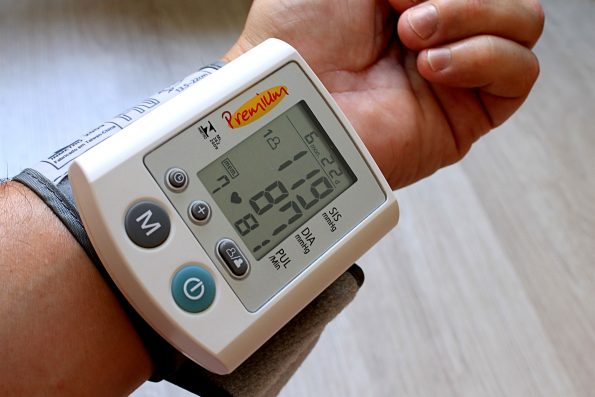
This blood pressure chart can help you figure out if your blood pressure is at a healthy level or if you’ll need to take some steps to improve your numbers.
Blood pressure readings fall into four general categories, ranging from normal to stage 2 high blood pressure (hypertension). The level of your blood pressure determines what kind of treatment you may need. To get an accurate blood pressure measurement, your doctor should evaluate your readings based on the average of two or more blood pressure readings at three or more office visits.
Here’s a look at the four blood pressure categories and what they mean to you. If your readings fall into two different categories, your correct blood pressure category is the higher category. For example, if your blood pressure reading is 125/95 millimeters of mercury (mm Hg), you have stage 1 hypertension.
|
Top number (systolic) in mm Hg
|
Bottom number (diastolic) in mm Hg
|
Your category*
|
What to do †
|
|
*Ranges may be lower for children and teenagers. Talk to your child’s doctor if you’re concerned your child has high blood pressure.
Note: These recommendations address high blood pressure as a single health condition. If you also have heart disease, diabetes, chronic kidney disease or certain other conditions, you may need to treat your blood pressure more aggressively.
|
|
Below 120
|
and Below 80
|
Normal blood pressure
|
Maintain or adopt a healthy lifestyle.
|
|
Between 120-139
|
or Between 80-89
|
Prehypertension
|
Maintain or adopt a healthy lifestyle.
|
|
Between 140-159
|
or Between 90-99
|
Stage 1 hypertension
|
Maintain or adopt a healthy lifestyle. If your blood pressure goal isn’t reached in about a month, talk to your doctor about taking one or more medications.
|
|
160 or higher
|
or 100 or higher
|
Stage 2 hypertension
|
Maintain or adopt a healthy lifestyle. Talk to your doctor about taking more than one medication.
|
If you’re a healthy adult younger than age 60, or if you have chronic kidney disease, diabetes or coronary artery disease, your treatment goal is less than 140/90 mm Hg. If you’re a healthy adult age 60 or older, your treatment goal is less than 150/90 mm Hg.
If your blood pressure is normal, maintaining or adopting a healthy lifestyle can prevent or delay the onset of high blood pressure or other health problems. If your blood pressure isn’t normal, a healthy lifestyle — oftentimes along with medication — can help bring it under control and reduce your risk of life-threatening complications.
Like our page at www.facebook.com/rohsi3; Twitter account: @rohsi3, Instagram: roshinigeria.
Dec 9, 2017 | Healthy Tips
WHAT HAPPENS IF YOU DON’T TREAT BLEEDING GUMS?
Reviewed By Michael Friedman, DDS
If your gums bleed, it’s important to get it under control. Though it might be due to a simple reason, like using a toothbrush that’s too hard, there’s more to it than that sometimes. Research suggests bleeding gums may be connected to a variety of medical conditions.
“When they say the mouth is the window to the body, it’s really true,” says family dentist Mark Burhenne, DDS. What happens in your mouth may be a snapshot of your overall health.
Research suggests that periodontal disease, which may be the reason for your bleeding gums, is linked to conditions like heart disease, diabetes, stroke, and premature birth.
If you don’t treat periodontal disease, Burhenne says, not only will you slowly lose all of your teeth, but it may affect your health.
What’s the Link?
The connection between your gums and your health is inflammation. Inflammation is a normal reaction your body has to infection or injury. So if you have gum disease, your gums may become inflamed and bleed.
As inflammation builds up in your blood, it can make other health conditions worse. Some studies suggest that people with gum disease are more likely to have heart disease or diabetes. Others show that it raises a pregnant woman’s risk of premature delivery.
Your Heart
Many people who have gum disease also have atherosclerosis, or plaque buildup in the arteries. Both are related to inflammation.
Experts don’t fully understand the relationship between heart disease and gum disease. “It’s not entirely clear why they occur together,” says Harmony Reynolds, MD, a cardiologist at NYU Langone Medical Centre. “Researchers are not sure whether infection in the gums is actually the cause of inflammation in the artery walls.”
It’s also unclear whether treating gum disease now will cut your risk of heart attack or stroke later. But experts recommend it, no matter what.
To boost both your gum health and your heart health, try to:
· Exercise regularly
· Give up smoking
· Limit sugary foods and drinks
· Manage your blood pressure
· Stay at a healthy weight
Blood Sugar
Gum disease and diabetes are closely tied.
“It can go both ways,” says Gregory B. Dodell, MD, assistant clinical professor of endocrinology at the Icahn School of Medicine at Mount Sinai. If you have diabetes, you’re more likely to get gum disease. If you have gum disease, it’s harder to control your blood sugar levels and can make diabetes worse.
Brushing and flossing, rinsing every day with an antibacterial mouthwash, and regular dental cleanings — along with the other things you do to treat your diabetes — can help lower this risk.
Your Baby
If you’re pregnant and have gum disease, your odds of delivering your baby early may be higher.
Recent studies suggest that bacteria from gum disease may get into your bloodstream and travel to your foetus. That can bring on premature labour and raise your chance of having a baby with a low birth weight.
Cancer
Some experts suggest there may be a link between periodontal disease and certain cancers, but it hasn’t been scientifically proved.
If your bleeding gums are from long-term periodontal disease, the inflammation may increase your odds of having cancer.
What You Can Do
If you treat your bleeding gums now, it can be an investment in your future.
“Diligent brushing and flossing is the best way to prevent gum disease,” says Sean Anderson, DDS, a dentist in San Ramon, CA, adding that check-ups are key for addressing other health issues that may be related, like heart disease or diabetes.
“I can’t overstate the importance of seeing the dentist every 6 months for an exam,” he says. “When the dentist evaluates your gums, it’s an opportunity to catch these serious conditions early.”
