Aug 16, 2017 | Healthy Tips
WHAT ARE THE COMPLICATIONS OF DIABETES?
You’re in Control
Taking care of yourself when you have diabetes takes effort. You need to check your blood sugar, eat right, stay active, and take your medications. It makes a big difference because it can help you avoid major problems throughout your body, even in places you might not expect. Stick to your treatment plan so you can help slow them down or prevent them altogether
Gum Disease and Cavities
Diabetes makes you more likely to get infections inside your mouth, like gum disease or thrush, a fungal infection that can cause painful white sores. Uncontrolled high blood sugar can also make you more likely to have plaque and cavities. A 2015 study found that people with diabetes lose twice as many teeth as those without the disease. Make sure you tell your dentist about your condition and keep up with brushing, flossing, and rinsing with antiseptic mouthwash. Watch for bleeding gums or other signs of gum disease.
Problems with Vision
Diabetes can lead to glaucoma (more pressure in the eye) and cataracts (clouding of your eye’s lens). It also can harm the blood vessels in the retina at the back of your eye, a problem that doctors call diabetic retinopathy. All of these conditions can make your vision worse and even lead to blindness. By the time you notice your eyesight fading, your eyes may already have serious damage. So see your eye doctor regularly.
Damaged Nerves
Many people with diabetes get nerve damage, called neuropathy. It can happen anywhere in your body, but it most often affects your arms, legs, hands, and feet. Doctors call this peripheral neuropathy. Symptoms can include a tingling feeling, numbness, sensitivity, or pain. Another kind, called autonomic neuropathy, can affect urination, sex, digestion, and other body functions. It’s less likely if you aren’t overweight, and if you manage your blood pressure and blood sugar.
Foot Problems
If diabetes damages nerves in your feet, numbness can make you less likely to notice an injury or infection. Your condition can also make it harder for blood to flow in that area. Together, these problems can eventually cause so much harm that your toes or feet need to be amputated. Quit smoking and get exercise to make these issues less likely. Also, check your feet daily, keep them clean and moisturized, and wear shoes that fit well and protect your feet.
Skin Conditions
Many of these changes happen because of infections, which are more likely with diabetes. Your skin may become itchy, it may feel thinner or thicker, or you may notice scaly or discolored patches. Blood circulation and nerve problems caused by diabetes can also affect your skin. It helps to stay at a healthy weight and keep your blood sugar under control. If you get sores or blisters because of an infection, your doctor may prescribe antibiotics, creams, or other medicine.
Digestive Trouble
Your vagus nerve helps move food through your digestive system. If diabetes damages it, digestion slows down. You can get heartburn, nausea, vomiting, bloating, feel too full after you eat, and lose your appetite. Manage your blood sugar to help prevent the problem. Even more commonly, nerve damage can affect your bowels, making you constipated or causing diarrhea. A healthy diet or laxatives can help keep you regular.
Strokes
These happen much more often among people with diabetes, and they also tend to happen at a younger age. A stroke happens when one of the vessels that send blood to your brain gets weak, injured, or blocked. When brain tissue doesn’t get enough blood, it can become permanently damaged within minutes. What can you do to prevent a stroke? Watch your blood sugar, cholesterol, and blood pressure. High numbers can mean higher risk. Exercise, stay at a healthy weight, and most importantly, avoid tobacco smoke.
Heart Disease
The wear and tear on your blood vessels from diabetes mean a lot of extra work for your heart. And people with the disease are more likely to be overweight or have other conditions, like high blood pressure and high cholesterol. All that adds up to a serious chance for heart disease. That’s why it’s key to follow a ticker-friendly lifestyle — exercise, eat a healthy diet, get regular cholesterol and blood pressure screening tests, and say no to smoking and second-hand smoke.
Kidney Disease
Your kidneys are filled with tiny blood vessels that filter out waste, which then leaves your body when you pee. High blood sugar overworks these filters. Over time, they can have problems and stop working. The better you control your blood sugar — and your blood pressure, which also makes kidney disease more likely — the better your chances are at keeping your kidneys healthy. Even if you show symptoms of kidney disease, it’s still important to manage your blood sugar.
Problems with Sex
When diabetes damages your nerves and blood vessels, that can cut blood flow, which can lead to erectile dysfunction for men. Women may have trouble getting aroused, feel discomfort or pain during sex, or have less sensation. Tight control of your blood sugar helps, and so can lifestyle changes that ease the pressure on your blood vessels, like exercising, losing extra weight, and quitting smoking.
Infections
Diabetes makes you more likely to get infections more often and to have complications. People with the disease face higher chances of getting gum disease, respiratory infections, the flu, pneumonia, urinary tract infections, yeast infections, and more. Make sure you stay up to date on vaccines, including immunizations for the flu and pneumonia.

Aug 16, 2017 | Healthy Tips
IF YOU HAVE HEART DISEASE, DO THIS
Dial Up Your Diet
You want to make better food choices in favour of lean protein, whole grains, fruits, and vegetables. It’s going to take some time to make the shift. There are apps available for most smartphones or tablets to help you. Some can scan items in the grocery store for information, and others can give the nutrition breakdown for the food you eat during the day. Browse your app store to find the right ones for you. You also might want to talk to a dietician who can help you understand what foods are the healthiest for you.
Make Time to Exercise
Work in a workout to reap the benefits of some physical activity. You don’t have to go to the gym to exercise, and you don’t have to commit to long, hard sessions. You can break your training into smaller sets. You can even slip in some exercise at work. Need to make a 10-minute phone call? Put on your headset and walk while you talk.
Mind Your Mood
When you have a serious condition, it is natural to get discouraged, but get help if depression sets in. It’s important to stay active and eat right, and that can be hard to do when you’re down. So be aware of when your spirits get too low. Recognize the signs and talk to your doctor. Treatment may include exercise, talking with a therapist, and for some people, medication.
Check Your Meds
Some over-the-counter pain medicines can make a heart attack more likely. Ibuprofen and naproxen are NSAIDs, or nonsteroidal anti-inflammatory drugs, and have been linked to heart problems. Ask your doctor what you should take for everyday aches and pains.
Treat Yourself to a Little Chocolate
Chocolate, in small amounts, is good for your heart. Cocoa has nutrients including flavonoids and antioxidants, both of which support cardiac health. It’s best to choose dark chocolate without a lot of fat-adding ingredients such as peanut butter. Enjoy! But try to limit yourself to 1-2 ounces per week.
Get a Flu Shot
If you already have heart disease, your body might not have as much strength to fight off the flu, which can make you more likely to have a heart attack or get pneumonia.
So get vaccinated every year by October, to avoid catching it. You’ll need the flu shot, not the nasal spray version of the flu vaccine.
Turn Down Your Snore Volume
Does your partner complain you’re a noisy sleeper? You may have sleep apnea, which is strongly linked to heart disease. Pay attention to your body and know when you don’t get enough sleep. Talk to your doctor. You may need to spend a night in a sleep lab to get a better idea of what keeps you up.
Keep Calm and Relax
Make it a priority to de-stress and avoid anxiety. Find ways that work for you, whether it’s meditation or prayer, exercise, or a hobby you love. You can also ask your doctor about stress management classes or support groups for people with heart disease.
If You Smoke Anything, Stop
Whether you choose an old-fashioned method such as cold turkey or one of the many quit-smoking medicines, you can find plenty of options. Nicotine comes in many forms such as lozenges, gum, and inhalers. Pills and quit-smoking support groups might help, too. Vaping might not carry the same cancer risk as smoking regular cigarettes, but you still get nicotine, which can damage heart cells.
Ask About Your Drinking Habits
If you’re not a drinker, a diagnosis of heart disease is no reason to start. If you want to have an adult beverage, moderation is the key. Check with your doctor first. You may have heard that wine is better for you than other types, but the research on that isn’t clear. Too much alcohol of any kind can raise the levels of some blood fats and lead to high blood pressure and heart failure.
Keep Up with Your Care
Your blood pressure, cholesterol, and blood sugar levels are just a few of the things your doctor will check on regularly. Your doctor may want you to measure blood pressure at home. That can help show how you’re doing over a period of time. Some people get stressed during check-ups, which can drive up your numbers. So if you check it at home or in stores, jot down your results then, too.

Aug 13, 2017 | Healthy Tips
If you are wondering if you can feel whether or not your cholesterol is too high, the answer may surprise you: you often cannot feel that your cholesterol levels are elevated. But if you ignore your high cholesterol, it could place you at risk for having a heart attack or stroke.
Cardiovascular disease is one of the most common causes of death in the United States, according to the Centres for Disease Control and Prevention.
High cholesterol is one of the main risk factors for developing cardiovascular disease – besides having high blood pressure or being obese. Unfortunately, there are no symptoms for high cholesterol in most cases. So, despite feeling healthy, you could still have dangerously high cholesterol levels and not even know it.
How Can I Tell If I Have High Cholesterol?
The only way to find out if you have high cholesterol is through a lipid panel, which is a blood test that will look at the key lipids, or fats, that are in the blood, such as:
If your total cholesterol, LDL, or triglycerides are high – or your HDL is too low – your healthcare provider may recommend taking medication, making changes to your lifestyle, or a combination of these to help bring your lipids back to a healthy range. Current guidelines from the American Heart Association recommend that everyone over the age of 20 should get their cholesterol checked at once at least every four to six years.
However, if you have a family history of high cholesterol, or you have been diagnosed with a chronic condition, such as diabetes, you may need to get your lipid checked more frequently. In many cases, high cholesterol is found by accident during a routine check-up – and many people are surprised to be diagnosed with high cholesterol when they are otherwise feeling OK.
Other Ways to Tell If You’re at Risk for High Cholesterol
Knowing your risk of developing high cholesterol is also important. Even though you generally do not know that you have high cholesterol, knowing your risk factors for having high cholesterol can help you to be aware that you may acquire this condition down the road. Some risk factors for having high cholesterol are things that we can change, such as modifying our diet and getting more exercise. However, there are other factors we cannot change, such as our gender, are age, or genes. If you have any of the conditions listed below, you are at risk of having high cholesterol and should get checked if you have not already done so:
What Happens If I Don’t Get My Cholesterol Checked?
Some people are tempted to ignore their high cholesterol, especially because they feel fine despite the high cholesterol levels. However, this is not a wise decision, since persistently high lipid levels could lead to dangerous complications.
If you decide to ignore your cholesterol levels by either not getting your cholesterol checked or ignoring your high cholesterol, you could develop cardiovascular disease.
When cholesterol levels are high, it can deposit on inflamed vessels and form a waxy plaque. This process, which is referred to as atherosclerosis, can build up in vessels and cause vessels to become partially blocked. As a result, a heart attack or stroke can occur due to the vessel becoming completely obstructed or the plaque breaking off and moving to another area of the body.
In some cases, people may not find out that they have high cholesterol levels until they have had their first heart attack or stroke.
To prevent this, you should have your cholesterol levels checked – and if they are high, be sure to follow the treatment your healthcare provider suggests.

Aug 13, 2017 | Healthy Tips
ALL YOU NEED TO KNOW ABOUT, TYPE 2 DIABETES
When you have this disease, your body does a poor job turning the carbohydrates in food into energy. This causes sugar to build up in your blood. Over time it raises your risk for heart disease, blindness, nerve and organ damage, and other serious conditions. It strikes people of all ages, and early symptoms are mild. About 1 out of 3 people with type 2 diabetes don’t know they have it.
People with type 2 diabetes often have no symptoms. When they do appear, one of the first may be being thirsty a lot. Others include dry mouth, bigger appetite, peeing a lot — sometimes as often as every hour — and unusual weight loss or gain.
As your blood sugar levels get higher, you may have other problems like headaches, blurred vision, and fatigue.
In many cases, type 2 diabetes isn’t discovered until it takes a serious toll on your health. Some red flags include:
Cuts or sores that are slow to heal
Frequent yeast infections or urinary tract infections
Itchy skin, especially in the groin area
Diabetes can damage blood vessels and nerves in your genitals. This could lead to a loss of feeling and make it hard to have an orgasm. Women are also prone to vaginal dryness. About 1 in 3 who have diabetes will have some form of sexual trouble. Between 35% and 70% of men who have the disease will have at least some degree of impotence in their lifetime.
Some health habits and medical conditions related to your lifestyle can raise your odds of having type 2 diabetes, including:
Being overweight, especially at the waist
A couch potato lifestyle
Smoking
Eating a lot of red meat, processed meat, high-fat dairy products, and sweets
Unhealthy cholesterol and triglyceride levels
Other risk factors are out of your control, including:
Race or ethnicity
A family history of diabetes: Having a parent or sibling with diabetes boosts your odds.
Age: Being 45 and older raises your risk of type 2 diabetes.
The more risk factors you have, the more likely you’ll get type 2 diabetes.
For women, You’re more likely to get type 2 diabetes later on if you:
Had gestational diabetes when you were pregnant
Delivered a baby that weighed over 9 pounds
Had polycystic ovary syndrome
In a healthy person, insulin helps turn food into energy. Your stomach breaks down carbohydrates into sugars. They enter the bloodstream, promoting your pancreas to release the hormone insulin in just the right amount. It helps your cells use the sugar for fuel.
In type 2 diabetes, your cells can’t use sugar properly. That means there’s a lot of it in your blood. If you have a condition called insulin resistance, your body makes the hormone, but your cells don’t use it or respond to it like they should. If you’ve had type 2 diabetes for a while but haven’t treated it, your pancreas will make less insulin.
Your doctor will take some blood and do an A1c test. It shows your average blood sugar level over the past 2-3 months. If you already have symptoms, he might give you a random blood glucose test, which shows what your current level is.
You can control blood sugar levels by changing your diet and losing extra weight. That will also cut your risk of complications. Carefully track the carbs in your diet. Keep amounts the same at every meal, watch how much fat and protein you eat, and cut calories. Ask your doctor to refer you to a dietitian to help you make healthy choices and an eating plan.
Regular exercise, like strength training or walking, improves your body’s use of insulin and can lower blood sugar levels. Being active also helps get rid of body fat, lower blood pressure, and protect you from heart disease. Try to get 30 minutes of moderate activity on most days of the week.
Stress can boost your blood pressure and blood sugar. Some people don’t do anything for it. Others turn to food to cope with it. Instead, practice relaxation techniques like deep breathing, meditation, or visualization. Talking to a friend, family member, counsellor, or a religious leader could help. If you can’t beat it, reach out to your doctor.
If diet and exercise can’t get your blood sugar under control, your doctor may add medication. There are many types of diabetes pills available. They’re often combined. Some work by telling your pancreas to make more insulin. Others help your body use it better or block the digestion of starches. Some slow insulin breakdown.
Your doctor may prescribe insulin early in your treatment and combine it with pills. It can also help people with type 2 diabetes who develop “beta-cell failure.” This means the cells in your pancreas no longer make insulin when blood sugar is high. If this happens, insulin will become part of your daily routine
New drugs called non-insulin injectable are available for people with type 2 diabetes. These medications cause your body to make insulin to control blood sugar levels.
Jul 30, 2017 | Healthy Tips
https://nigerianpilot.com/prevalence-of-hypertension-among-nigerians/

Jul 22, 2017 | Healthy Tips
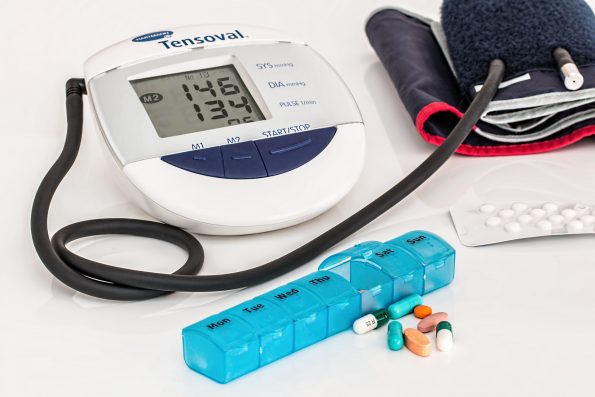
High blood pressure (BP) or hypertension is the most risk factor for renal disease and cardiovascular diseases common non-communicable disease and a significant such as heart attacks, stroke, and left ventricular hypertrophy globally. Sufferers of hypertension are usually unaware that they have the condition, thus many present with the complications or sudden death, and is therefore referred to as a ’silent killer’. Read more of this paper below.
Blood Pressure Patterns in Nigeria


