Mar 3, 2026 | Healthy Tips
Do we know that familiarising ourselves with the following basic health principles in 2026 will most likely help you and me stay out of the hospital or pharmacy or even avoid taking medication due to illness? Yeah
* Very cold water at dawn shocks the stomach like bad news. Let’s start our morning gently with a glass of warm or room-temperature water.

* Our cooking oil should assist our food, not announce itself before the meal arrives. In 2026, we must use oil moderately, like what my dietitian used to say: ‘If it dropped on your clothes or water paper, it would show.’ That is how our cooking oil should be when using it to make soup. Remember to ask or talk to your dietitian about the best cooking oil to go for.
* We must be ready to negotiate our daily rice intake with alternative food items. Eating rice daily is like gradually inviting diabetes, so we must be ready to vary our diet.
* Eating heavy meals at midnight is telling our heart to work overtime without pay, and sleeping immediately after eating is like parking a moving car. In 2026, we must try to stop late-night eating. Let’s maintain at least 3 hours between mealtime and bedtime.
* Speed eating is a modern sport with no trophy. You and I must learn to chew our food like we paid for it. Swallowing our food in a hurry is disrespectful to digestion. We must take our time when eating. Our mouth is not a shortcut; it is our first doctor. Digestion starts on our tongue.
* If our legs still work, we must be ready to use them properly in 2026. Every unnecessary short ride is a missed blessing. When the trip is super short, let’s park the car and walk around the block. It doesn’t mean you are poor or can’t show off with pride, but look at the health aspects associated with such an action of yours.
* Stretching in the morning tells our joints, “We have not abandoned you.” If we won’t do extensive exercise every day, at least let’s learn to stretch our joints daily.
* Sweeping our house and doing basic house chores is not punishment. It is unpaid physiotherapy. Sweeping, cleaning, and washing are exercises disguised as responsibilities. We don’t have to outsource everything. Do some ourselves to move our joints and muscles.
* This year, we must make it a must to sit with our healthcare providers. We must see medical checkups as routine when they’re recommended and not mean we are weak. It means we are intelligent and conscious. A small sickness we ignore today becomes a big hospital bill tomorrow. So, it’s a must for us to at least sit with our healthcare providers in respect to our annual medical checkup.
* Water is life, yes. Thirst is a late warning. We must learn to drink water regularly before thirst arrives. We must always move with water. Sip water at an interval if possible. This year we must drink water like maintenance, not like rescue.
* Rest is not laziness. It is wisdom to wear comfortable clothes. Sleep well every night. No lights and no radio or TV on. Light at night confuses the brain. Even our phone needs dark mode. Just total darkness and our pillow.
* If our food cannot trace its ancestry to a village, a farmer, or a season, our body will struggle to recognise it. Garden eggs and okra may not trend on social media platforms, but our blood pressure respects them deeply. Eat more fresh foods and fewer processed foods. Yeah
* Life is already sweet enough. Bitter leaf, neem, sour soup, scent leaves, and prekese remind the liver that discipline still exists. Once in a while, take these in moderation.
* Before today’s modern transportation system, legs were the original transport system. Walking is not poverty; it is preventive medicine. If we avoid walking, we are avoiding good health. So, go get your jogging kits ready without an excuse.
* Anger does not punish the offender; it poisons the host quietly. Be mindful of our emotions and mental health in 2026.
* We must not turn insecticide into perfume. Excess chemicals do not kill only mosquitoes; they confuse our lungs too. We must use them in moderation and do nets.
* If our stomach refuses to talk daily, something is wrong. Constipation is the body holding grudges. Let’s check our eating habits and lifestyle and resolve the strike immediately before it turns bloody.
* We must learn to manage stress intentionally. Stress is useful only in emergencies, not as a daily occurrence. Fatigue is not discipline. Learn to take short breaks during work.
* Avoid constant snacking. The stomach also needs rest. Digestion is work. Too much work causes fatigue.
ROHSI Management Team.

Mar 1, 2026 | Healthy Moves
By: Benjamin Olorunfemi
In communities across Nigeria, a silent epidemic is claiming more lives than many infectious diseases, yet it barely makes a sound until it is too late. Non-communicable diseases (NCDs), particularly hypertension and diabetes, have escalated into a public health emergency. Current statistics paint a grim picture: more than 20 million Nigerians are living with hypertension, and over 11 million are battling diabetes. Alarmingly, more than half of these individuals are completely unaware of their health status, walking around with a time bomb ticking in their chests.
For the average Nigerian in an underserved community where health facilities are miles away and the cost of a simple blood pressure check is a luxury, these are not just numbers; they are fathers, mothers, and youths resigning to fate simply because they cannot afford or access care. These are the people who fall through the cracks of our healthcare system. This is where our work at the Rays of Hope Support Initiative (ROHSI) becomes not just relevant, but essential.
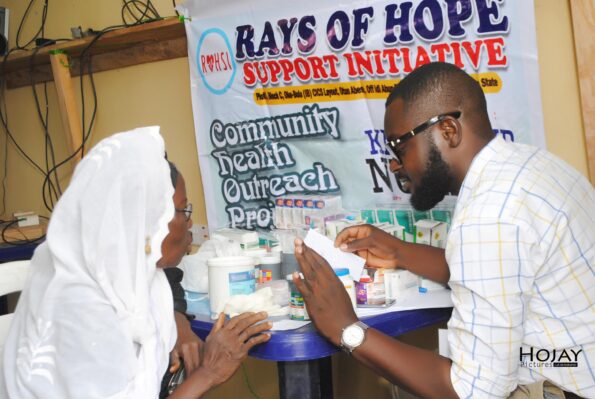
Since 2017, we have been at the forefront of combating this burden in Ibadan and beyond. We have seen firsthand that the fight against NCDs cannot be won within the four walls of a hospital alone; it must be taken to the people. We have educated over 10,000 citizens, reached more than 5,000 direct beneficiaries with free screenings and medication, and built a thriving community of over 250 members who now have access to daily health tips. Our work proves that when you empower a person with knowledge and access, you give them a fighting chance.
However, to truly curb the negative health impacts of hypertension and diabetes, we must scale up our strategies and go deeper—right to the heart of our local communities. One of the most effective, yet often untapped, pathways to achieving this is through a deliberate and structured partnership with Community Development Association (CDA) executives.
Here is why this partnership is the key to unlocking better health outcomes for the underserved:
The Gatekeepers of Trust
In rural and semi-urban settings, the CDA executive is the most influential body. They are the gatekeepers of the community. While a flyer from a distant hospital might be ignored, an announcement at the town hall meeting or a directive from the CDA chairman is respected. By partnering with these executives, we aren’t just visitors; we become collaborators with the community’s leadership. They help us navigate the cultural nuances and mobilise their people, ensuring that when we show up, the community shows up with us.
Creating a “Hypertension-Smart” Community
Through our model, we work with CDAs to designate local champions, trained volunteers from within the community who understand the language and the lifestyle of their neighbours. These champions, backed by ROHSI’s medical team, can conduct regular, informal blood pressure and blood sugar checks at local markets, churches, or mosques. Instead of waiting for people to come to the hospital, we bring the hospital to their doorstep. This approach mirrors the proven effectiveness of using Community Health Extension Workers (CHEWs) to manage NCDs, as they become trusted figures leading health education efforts.
Leveraging Local Gatherings for Screening
Most communities have existing structures for weekly/monthly meetings, annual festivals, or town hall gatherings. These are missed opportunities for health interventions. By partnering with CDAs, we can integrate free screening exercises into these events. As we have seen with initiatives like Nigeria’s “Project 10 million”, the goal is to help people “know their number”. Imagine a community meeting where, after discussing local development, every adult present knows their blood pressure reading. That is preventive healthcare in action.
Affordability and Local Support
One of the biggest barriers to managing NCDs is the cost of medication. A diagnosis of hypertension can feel like a death sentence to a low-income earner who cannot afford daily pills. Through our partnerships with CDAs, we can help facilitate community-based medication support schemes.
Data Collection and Referral Pathways
CDAs have an intimate knowledge of their population. They know who is elderly, who is sick, and who has been unable to leave their home. Partnering with them allows us to build a more accurate picture of NCD prevalence in hard-to-reach areas. We can then establish a clear referral pathway: screening at the community level, followed by linkage to care at primary health centres.
We need to know that the fight against hypertension and diabetes in Nigeria is a fight for the soul of our communities. It requires us to be innovative, mobile, and deeply integrated. At Rays of Hope Support Initiative, we have the template, the experience, and the passion. But we cannot do it alone.
We call on community development associations across the country to open their doors to this kind of partnership. Let us work together to ensure that no one in our community dies from a disease we can prevent or manage. Let us take the message of hope—and the tools for health—directly to the doorsteps of those who need it most. Because a healthy community is the foundation of a prosperous nation.
Join us. Partner with ROHSI. Let’s bring hope to the doorstep of every Nigerian.

Feb 15, 2026 | Healthy Tips
How diabetes and cancer are linked, why cancer survivors face diabetes risk, and what new-onset diabetes may reveal about hidden cancers.
By Justine Evans
Some facts about diabetes and cancer:
- Type 2 diabetes increases risk for certain cancers.
- Some cancer treatments may cause diabetes later.
- New-onset diabetes in older adults may signal hidden cancer.
- Screening and lifestyle changes can reduce risk.
- Research is exploring new diagnostic tools using these links.
If you’re living with diabetes, you might know all about the intriguing and intricate relationship between diabetes and certain types of cancer. And it’s not a one-way street — the connection goes both ways.
So, what does current research say about this bidirectional relationship? Why are some cancer survivors more likely to develop diabetes? And why is understanding the difference between new-onset and long-standing diabetes critical in cancer detection and care?
Which cancers are linked to diabetes?
It’s been known for some time that diabetes, especially type 2 diabetes, can increase the risk of several types of cancer. But which cancers specifically?
According to a growing body of evidence, people with diabetes are more likely to develop pancreatic, liver, colorectal, breast and endometrial cancers. Why these cancers in particular? Different factors may be at play:
- People with type 2 diabetes often have higher circulating insulin levels, which may promote the growth of cancer cells.
- Long-term low-grade inflammation, common in diabetes, can create an environment in the body that’s more vulnerable to cancer development.
- Persistently high glucose levels may not only damage blood vessels and organs but also contribute to tumour growth.
A 2025 review in Seminars in Oncology outlines these mechanisms in detail, underscoring that this isn’t just correlation butthe risk that there’s a plausible biological basis linking diabetes to cancer risk.
It’s been known for some time that diabetes, especially type 2 diabetes, can increase the risk of several types of cancer. But which cancers specifically?
The gender gap in diabetes-related cancer risk
Diabetes doesn’t affect everyone’s cancer risk in the same way. In fact, research shows that women with diabetes tend to have a higher overall risk of developing cancer than men with diabetes. Across many different cancer types, the relative increase in cancer risk associated with diabetes was greater in women. Importantly, this wasn’t limited to a single cancer. Instead, diabetes appeared to place a broader cancer burden on women overall.
So why might this difference exist? The answer is likely complex and involves a mix of biological and lifestyle factors. Many of the risk factors shared by diabetes and cancer, such as excess body weight, physical inactivity and smoking, can worsen insulin resistance and promote long-term inflammation in the body.
These changes can also disrupt hormone regulation, all of which are processes linked to cancer development. Some evidence suggests that these metabolic and lifestyle effects may be more pronounced, or persist for longer, in women with diabetes. Over time, this may help explain why women experience a greater relative increase in cancer risk compared with men, even when both are living with the same condition.
Can cancer treatments cause diabetes?
Interestingly, the relationship works the other way, too. People who have survived cancer, particularly those treated with certain therapies, are at greater risk of developing new-onset diabetes after cancer.
A recent article published in Annals of Medicine and Surgery (2024) explored how cancer treatments, while life-saving, can disrupt glucose metabolism in various ways. Here are a few examples:
- Chemotherapy and corticosteroids, often used to manage cancer or treatment side effects, can cause spikes in blood sugar.
• Androgen deprivation therapy (used in prostate cancer) has been associated with insulin resistance.
• Abdominal radiation, particularly in children and young adults, can damage the pancreas, impairing insulin production.
This risk is beyond a simple short-term issue during treatment. For many survivors, diabetes may not appear until months or even years later. And because cancer follow-up typically focuses on recurrence and surveillance imaging, blood glucose levels might not be closely monitored unless there’s a specific concern.
People who have survived cancer, particularly those treated with certain therapies, are at greater risk of developing new-onset diabetes after cancer
It’s not just a case of better detection
You might ask whether there is simply an increase in diabetes and cancer diagnoses because we’re looking more closely. After all, both conditions are common, and frequent medical visits often lead to more testing. But experts now agree this is more than just detection bias. A growing number of studies demonstrate a biologically plausible connection between the two conditions.
For instance, shared risk factors, such as obesity, sedentary lifestyle, poor diet, and inflammation, as well as treatment-related effects that support this real, bidirectional link. Although these shared risk factors present a more complex picture, the association between diabetes and certain cancers remains.
That means clinicians are not just diagnosing more people by chance. There is a real link that has clinical implications for diabetes management and cancer care.
New-onset vs long-standing diabetes: a new focus in research
Here’s where it gets even more interesting. Researchers are now focused on distinguishing new-onset diabetes, especially in older adults, as a potential early marker of underlying cancer, particularly pancreatic cancer.
Why pancreatic cancer? Because in many cases, new-onset diabetes can precede the cancer diagnosis. The pancreas is central to both insulin production and tumour development, and a pancreatic tumour can impair insulin secretion, sometimes months before the cancer is detected.
So, while long-standing diabetes may increase the risk of developing certain cancers over time, sudden-onset diabetes, especially in someone with no history of obesity or insulin resistance, could be a red flag. This is especially important because pancreatic cancer often presents late and has poor survival outcomes. Early detection can make a big difference.
In fact, healthcare systems are exploring screening programmes that use new-onset diabetes in people over 50 as a trigger to investigate for pancreatic cancer. It’s a promising area of research that could lead to earlier diagnoses and better outcomes.
Sudden-onset diabetes, especially in someone with no history of obesity or insulin resistance, could be a red flag
What does this mean for people living with diabetes or cancer?
Understanding this bidirectional relationship matters for individuals and healthcare providers.
- If you have diabetes: Regular cancer screenings, especially for colorectal, breast, and liver cancers, may be more relevant than ever. Maintaining good glycaemic control, staying active and managing weight could help reduce your risk.
- If you’re a cancer survivor: Keep an eye on your blood glucose levels, even years after treatment. If you were exposed to chemotherapy, steroids, radiation, or hormone therapy, you may have a higher chance of developing diabetes, and early diagnosis is key.
- If you’re newly diagnosed with diabetes in your 50s or older: Talk to your GP about whether further investigation might be needed, particularly if you don’t fit the type 2 diabetes profile. It might be nothing, but it’s worth checking.
What’s next in research?
The complex interaction between diabetes and cancer is now one of the most dynamic areas of medical research. With a better understanding, there’s hope that:
- Cancer therapies are refined to reduce metabolic side effects.
- New-onset diabetes can serve as a valuable biomarker for early cancer detection.
- Strategies are developed to prevent diabetes in cancer survivors through tailored screening and lifestyle support.
It’s a reminder that in medicine, everything is connected, and sometimes the clues to one condition or disease lie in the symptoms or progression of another.
In medicine, everything is connected, and sometimes the clues to one condition or disease lie in the symptoms or progression of another.
Should people with diabetes be alarmed?
Living with diabetes doesn’t mean you’re destined to develop cancer, and not all cancer survivors will go on to develop diabetes. But recognising the links between these conditions can empower you to take preventive action, ask informed questions, and work with your healthcare team for more personalised care.
After all, the more we understand how diseases interact, the better we can treat and prevent them.
https://diabetesvoice.org/en/caring-for-diabetes/diabetes-and-cancer-whats-the-real-connection/?mc_cid=0daf1860af&mc_eid=50b74717d8

Feb 14, 2026 | Healthy Tips
Anita Sabidi
The myth of the supermom: embracing vulnerability with Type 1 Diabetes
Motherhood is often painted as a story of strength, resilience, and endless sacrifice. As mothers, we are expected to be the pillars of our families—the ones who hold everything together no matter what. But living with Type 1 diabetes for more than two decades has taught me that being a mother does not mean being invincible. In fact, one of the most valuable lessons I’ve been able to share with my children is that their mama is not a superwoman. I can be strong, yes, but I can also be vulnerable. And that’s okay.
Type 1 Diabetes is a family affair: when daily rituals become childhood memories
Every day with diabetes is a balancing act. Managing insulin, blood sugar checks, and the unpredictability of the condition can feel like carrying an invisible load. Yet this journey is not mine alone—it has become a family affair. My children have grown up witnessing my daily rituals with insulin injections and blood glucose monitoring. What might seem routine to me is part of their childhood memories, shaping how they understand care, responsibility, and empathy.
“Cover mama!”: how my kids became my little bodyguards
One of the sweetest moments happens whenever it’s time for my insulin shot in public. Without being asked, my kids instinctively take position around me, shielding me from curious stares. “Cover Mama!” they say, forming a protective circle as I inject. In those little moments, I see their love, their awareness, and their willingness to step into the role of supporters. They are my little bodyguards, and I treasure that more than words can describe.
Why sharing my needs is a lesson in strength, not a burden
Some might think children shouldn’t have to carry that kind of responsibility. But I see it differently. By sharing my vulnerabilities with them, I am teaching them important lessons about life: that strength is not about pretending to be unbreakable, but about acknowledging our needs and asking for support. That caring for one another is not a burden, but an act of love.
Authenticity over perfection: what my children taught me about Type 1 Diabetes resilience
Motherhood with diabetes has also shown me that I don’t have to live up to the impossible standard of being a superwoman. My kids don’t need perfection; they need authenticity. They need to see that it’s human to struggle, to adapt, and to keep going despite the challenges. They need to know that resilience comes not from denying vulnerability, but from embracing it.
So yes, I am a mother living with diabetes. I am a caregiver, but I am also someone who needs care. And in this shared journey, my children and I are learning together—that family is not about one person carrying it all, but about supporting each other through life’s highs and lows.
Conclusion
In the end, I hope my children grow up knowing this truth: that their mama’s greatest strength is not being superhuman but being real.
https://hellotype1.com/en/articles/motherhood-and-type-1-diabetes-why-showing-vulnerability-made-me-a-stronger-mom
Feb 14, 2026 | Healthy Foods

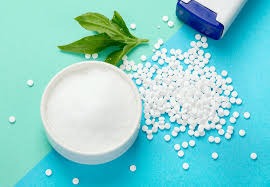
At Rays of Hope Support Initiative, our mission is to empower our community with the knowledge needed to live healthier, longer lives. Recently, scientific studies have raised alarms regarding a common sugar-free sweetener: erythritol.
For years, sugar-free sweeteners have been marketed as the guilt-free path to enjoying sweetness without consequences. Millions have switched to these alternatives, believing they are making the healthier choice for themselves and their families. However, emerging research now casts a shadow over this assumption, particularly regarding one of the most common sugar substitutes found in thousands of products worldwide.
Recent studies have revealed that certain artificial sweeteners—specifically those belonging to the sugar alcohol family—may accumulate in the liver rather than passing through the body as once believed. This accumulation appears to be linked to an increased risk of liver damage, fatty liver disease, and potential long-term hepatic complications.
For communities already facing health disparities, limited access to healthcare, and higher rates of metabolic conditions, this information is not just concerning—it is a call to action. This article aims to unpack what this means, examine the benefits and risks, and outline the responsibilities we all share in addressing this emerging public health concern.
What Is Sugar-Free Sweeteners, and Which One Is Under Scrutiny?
Sugar-free sweeteners encompass a broad category of substances used to sweeten foods and beverages without adding caloric sugar. They include:
- Artificial sweeteners: aspartame, sucralose, saccharin
- Natural zero-calorie sweeteners: stevia, monk fruit
- Sugar alcohols (polyols): Erythritol, xylitol, sorbitol, maltitol
The primary concern emerging from recent research centres on erythritol, a sugar alcohol that has become extraordinarily popular in keto, low-carb, and diabetic-friendly products. Erythritol occurs naturally in small amounts in fruits like watermelon and pears, but the version used in commercial products is manufactured through industrial fermentation.
Unlike other sugar alcohols that can cause digestive distress, erythritol was long celebrated because it is absorbed into the bloodstream and excreted unchanged in urine—or so scientists believed.
What the Research Actually Shows
A 2023 study published in Nature Medicine by Dr Stanley Hazen and his team at the Cleveland Clinic made a startling discovery: individuals with higher blood levels of erythritol were at significantly elevated risk for major adverse cardiovascular events, including heart attack and stroke.
But the liver connection has emerged through additional research examining how the body processes erythritol. Key findings include:
Accumulation, Not Elimination
While the body does excrete much of the consumed erythritol through urine, a portion appears to be taken up by liver tissue. In animal models and human tissue studies, erythritol has been detected in liver cells at concerning levels following regular consumption.
Metabolic Disruption
Erythritol appears to interfere with normal liver metabolism. It may promote oxidative stress—a form of cellular damage—and contribute to the development of non-alcoholic fatty liver disease (NAFLD), a condition already reaching epidemic proportions globally.
Platelet Activation
Beyond the liver, erythritol has been shown to enhance platelet activation and clot formation, creating a dangerous combination where both cardiovascular and liver health are compromised.
Dose-Dependent Risk
The risk appears to increase with consumption. Individuals consuming multiple servings daily of products sweetened with erythritol showed significantly higher blood levels than those who consumed it occasionally.
The Merits: Why Erythritol Became So Popular
Understanding why erythritol gained such widespread acceptance helps explain why this news is both alarming and complicated.
For Individual Consumers
Blood Sugar Management: Erythritol does not raise blood glucose or insulin levels, making it genuinely valuable for diabetics and those managing metabolic syndrome.
Dental Health: Unlike sugar, erythritol does not feed cavity-causing bacteria. Some studies suggest it may even inhibit bacterial growth.
Digestive Tolerance: Unlike other sugar alcohols (sorbitol, maltitol), erythritol is less likely to cause gas, bloating, and diarrhoea because most is absorbed before reaching the colon.
Taste Profile: Erythritol provides about 70% of sugar’s sweetness with a taste and texture closer to sugar than many artificial sweeteners.
For Food Manufacturers
Bulk and Texture: Erythritol adds bulk and crystalline structure similar to sugar, making it valuable in baking.
Shelf Stability: It does not degrade under heat like some artificial sweeteners.
Clean Label Appeal: Derived from fermented glucose, it can be marketed as “natural” or “plant-based”.
Market Demand: With the explosion of keto and low-carb diets, manufacturers rushed to meet consumer demand for products that taste sweet without carbs or calories.
The Demerits: The Emerging Case Against Erythritol
The accumulating evidence demands we reconsider whether the benefits outweigh the newly discovered risks.
Health Risks
Liver Damage Potential: The most concerning finding for our community is the evidence that erythritol accumulates in liver tissue. Animal studies have demonstrated that high consumption leads to increased liver fat, inflammation, and markers of liver injury.
Cardiovascular Events: The Cleveland Clinic research found that individuals with the highest erythritol levels had double the risk of heart attack and stroke compared to those with the lowest levels.
Weight Management Irony: While erythritol contains no calories, emerging research on artificial sweeteners suggests they may disrupt the body’s natural ability to gauge caloric intake, potentially leading to increased overall consumption.
Unknown Long-Term Effects: Erythritol has only been widely used in significant quantities for about a decade. We do not know the effects of 20, 30, or 40 years of daily consumption.
Social and Access Concerns
Health Halo Effect: Products sweetened with erythritol are marketed as health foods, leading consumers to believe they are making an unambiguously positive choice.
Cost Barrier: Sugar-free products typically cost more than their conventional counterparts, placing financial burden on families trying to make healthier choices.
Limited Alternatives: As erythritol has become ubiquitous in sugar-free products, consumers have fewer options to avoid it while still avoiding sugar.
Confusing Labels: Erythritol may appear on ingredient lists under multiple names or be grouped under “sugar alcohols” without specific identification
Community Response: What We Can Do Together
The Rays of Hope community has always understood that health is not merely individual—it is collective. When new information emerges that threatens our wellbeing, we respond together.
Individual and Family Actions
Read Labels Diligently
Erythritol appears in protein bars, sugar-free chocolates, ice cream, baked goods, beverages, and even some condiments. Look specifically for “erythritol” in ingredient lists.
Distinguish Between Sweeteners
Not all sugar-free sweeteners carry the same risk. Stevia and monk fruit have not shown similar concerns. Consider rotating back toward these options or moderate amounts of natural sugar.
Reduce Frequency, Not Just Quantity
The research suggests risk is tied to regular, ongoing consumption. Using erythritol-sweetened products occasionally for special treats presents lower risk than daily consumption.
Focus on Whole Foods
The simplest way to avoid questionable additives is to prioritize foods that don’t require ingredient lists. Fresh fruit, vegetables, lean proteins, and whole grains contain no hidden erythritol.
Share Information Gently
Many community members switched to erythritol products on medical advice for diabetes or weight management. Approach conversations with compassion, not judgment.
Community-Based Strategies
Community Nutrition Workshops: Rays of Hope can organize sessions teaching label reading and identifying hidden sources of erythritol.
Peer Support Networks: Establish groups for sharing sugar-free alternatives that don’t rely on concerning sweeteners.
Local Vendor Engagement: Work with local stores and markets to help them understand why customers need clear labelling and alternative options.
Recipe Development: Create and share culturally appropriate recipes using safer sweetening options that respect dietary restrictions while protecting liver health.
Civil Society Organization Role: Advocacy and Education
As a CSO, Rays of Hope is positioned to bridge the gap between emerging research and community action. Our role extends beyond informing our immediate members to advocating for systemic change.
Educational Mission
Translate Complex Science: The research on erythritol is technical and often locked behind paywalls. Our responsibility is to translate this information into accessible, actionable knowledge.
Counteract Misinformation: The wellness industry has heavily promoted erythritol. We must provide balanced, evidence-based information that neither dismisses legitimate concerns nor causes panic.
Train Community Health Workers: Equip trusted community members with accurate information they can share in churches, mosques, community centres, and family gatherings.
Advocacy Agenda
Demand Transparency: Call on manufacturers to clearly label erythritol content rather than hiding it under umbrella terms.
Push for Updated Dietary Guidelines: Current dietary guidelines do not address erythritol consumption limits. CSOs can petition for their inclusion.
Fund Community-Based Research: Advocate for research that specifically examines how erythritol affects populations already at higher risk for liver and metabolic disease.
Create Consumer Guides: Develop and distribute easy-to-use guides comparing sweeteners with clear visual indicators of risk levels.
Government Response: Protecting Public Health
Governments at all levels have a fundamental responsibility to protect citizens from preventable harm, particularly when that harm originates from products widely available in the food supply.
Regulatory Actions Needed
Immediate Safety Review: Health agencies should conduct expedited reviews of all available evidence on erythritol and issue interim guidance while longer-term studies proceed.
Mandatory Labelling: Require clear, prominent labelling of erythritol content. Consumers cannot make informed choices when ingredients are obscured.
Serving Size Revaluation: Many products contain multiple servings of erythritol per package, but consumers often consume the entire package. Regulations should consider realistic consumption patterns.
Health Claims Regulation: Prohibit marketing that positions erythritol-sweetened products as unambiguously healthy given the emerging evidence of risk.
Public Health Infrastructure
Surveillance Systems: Incorporate erythritol consumption tracking into national nutrition and health monitoring systems.
Research Funding: Allocate resources specifically for independent research on sugar alcohols and liver health, free from industry influence.
Vulnerable Population Protection: Develop specific guidance for populations at elevated risk, including those with existing liver conditions, diabetes, and cardiovascular disease.
School and Institutional Policies: Review and revise nutrition standards for schools, hospitals, and other public institutions to limit erythritol exposure in vulnerable populations.
Lawmakers’ Role: Legislation for Prevention
Elected officials have tools at their disposal that can address this issue before it becomes a full-blown public health crisis. The lesson of tobacco, trans fats, and partially hydrogenated oils is clear: waiting for absolute certainty costs lives.
Legislative Priorities
The Sweetener Transparency Act: Legislation requiring that all sugar alcohols be individually named on ingredient labels rather than grouped. Consumers deserve to know exactly which sweeteners they are consuming.
Post-Market Surveillance Mandate: Unlike pharmaceutical drugs, food additives receive limited ongoing safety monitoring once approved. Lawmakers can mandate regular safety reviews as new evidence emerges.
Conflict of Interest Disclosure: Require disclosure of industry funding in research used to support health claims or safety petitions.
Healthy Food Incentives: Redirect subsidies and support toward whole foods and minimally processed options rather than ultra-processed “diet” products.
Oversight Responsibilities
Congressional Hearings: Hold hearings examining the adequacy of current food additive safety processes, specifically regarding sugar alcohols approved decades ago under different standards.
Agency Accountability: Demand that the FDA explain why emerging evidence on erythritol has not resulted in consumer advisories or regulatory action.
Whistleblower Protection: Strengthen protections for scientists and public health officials who raise concerns about food additive safety.
Balancing Caution Without Panic
It is essential to approach this information with nuance. For a person with diabetes who uses erythritol-sweetened products occasionally to satisfy a sweet craving, the risk remains low. For someone consuming multiple servings daily of protein bars, keto snacks, and sugar-free beverages sweetened with erythritol, the cumulative risk may be substantial.
We must also recognise that sugar itself carries well-documented health risks, including liver damage through fructose metabolism. The solution is not simply returning to unrestricted sugar consumption.
The path forward requires:
- Informed moderation rather than absolute prohibition
- Diversification of sweetener sources rather than over-reliance on any single option
- Whole food emphasis rather than additive substitution
- Systemic change rather than placing the full burden on individual consumers
Conclusion: From Information to Action
The emerging evidence linking erythritol to liver damage and cardiovascular risk represents a critical moment for our community and for public health advocacy. We have seen this pattern before—a substance is introduced, marketed as healthier than what came before, widely adopted, and only later revealed to carry its own serious risks.
What distinguishes this moment is what we choose to do with the information.
Rays of Hope has always been more than a source of information—we are a source of action. We inform so that we can protect. We educate so that we can empower. We advocate so that the most vulnerable among us are not left to navigate these complex decisions alone.
To our community members: Read labels, ask questions, share what you learn, and be gentle with yourselves and each other. No one made the wrong choice with the information they had.
To our CSO partners: Amplify this message, push for transparency, and hold industry and government accountable to the communities they serve.
To our government officials: Act on the evidence we have rather than waiting for absolute certainty. Issue guidance, mandate clear labelling, and fund the research we still need.
To our lawmakers: Create the legislative framework that ensures food safety systems keep pace with industry innovation and protect public health above corporate interests.
The sweetness we crave should not come at the cost of our liver’s health or our community’s wellbeing. Together, we can advocate for a food environment where health is not a luxury, information is not a privilege, and prevention is not an afterthought.
For more information or to get involved in our food safety advocacy work, contact Rays of Hope Support Initiative at [contact information] or visit our community health resource centre.
Remember! This article is for informational purposes and is not a substitute for professional medical advice. Please consult healthcare providers regarding individual dietary decisions.
