Apr 1, 2026 | Healthy Tips
In the bustling markets and vibrant streets of Ibadan, a silent health crisis is unfolding, one that directly threatens the lives of our men. As an organisation based here in Oyo State, we are on the front line of the battle against non-communicable diseases (NCDs), particularly hypertension and diabetes. Every day, we witness a disturbing trend: today, men—especially young adults with bright futures, careers, and families—are dying daily from preventable health issues directly linked to the consumption of trans fats.
This is not just a health issue; it is a crisis that is robbing our community of its fathers, brothers, and leaders.
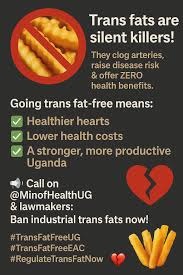
Trans fats, or trans-fatty acids, are the most dangerous type of fat for the human heart and vascular system. They are primarily created in an industrial process that adds hydrogen to liquid vegetable oils to make them more solid. For food vendors and producers, this is a cheap and attractive option because it increases the shelf life and flavour stability of foods.
In Ibadan, common sources of industrially produced trans fats include:
Reused Frying Oils! Oils are used repeatedly to fry popular staples like akara (bean cakes), puff-puff, boli (roasted plantain) with groundnut oil, and doughnuts sold by roadside vendors.
Margarines and Vegetable Shortenings! Often used in baked goods like bread, cakes, and pastries sold in local bakeries.
Packaged Snacks? Some commercially fried snacks and fast foods.
Our work at the Rays of Hope Support Initiative has highlighted a critical and concerning pattern: the devastating impact of trans fats is not gender-neutral.
While women are not completely immune, their natural hormonal makeup, particularly oestrogen, offers a degree of protection by helping to regulate cholesterol levels and fat distribution. This biological advantage, however, is not shared by men.
The male body is particularly vulnerable. In our screenings across Ibadan, we have observed that the majority of our men tend to develop visceral fat—the dangerous fat that accumulates deep within the abdomen, wrapping around their internal organs. This is the direct consequence of a diet high in trans fats. This central obesity is a ticking time bomb, leading to a cascade of life-threatening complications:
Trans fats wreak havoc on a man’s lipid profile. They raise “bad” cholesterol (LDL) and lower “good” cholesterol (HDL). They also significantly increase triglycerides, another type of fat in the blood that hardens arteries.
Also, the build-up of cholesterol and triglycerides doesn’t just sit idly on our body. It forms plaque, leading to the narrowing and hardening of our arteries (atherosclerosis)—”a sure path to hypertension”. The heart is then forced to pump blood through these constricted pathways, leading to dangerously high blood pressure (hypertension)—a condition we see daily at our centre.
Visceral fat is not inert; it acts like an active organ, releasing inflammatory substances that make the body’s cells resistant to insulin. This insulin resistance is a direct precursor to high blood sugar and type 2 diabetes, creating a perfect storm where a man is now managing two or more debilitating NCDs simultaneously.
The result is a preventable tragedy—a young man in his 30s or 40s, a provider for his family, suffers a sudden heart attack or stroke or is diagnosed with advanced kidney disease from uncontrolled hypertension and diabetes. Hmmm!
Addressing this crisis requires a multi-pronged approach, from individual lifestyle changes to systemic action by authorities.
Here is what needs to be done:
For Individuals and Families:
Dietary Overhaul:
- Minimise the consumption of foods fried in oil that has been used repeatedly. Be mindful of the deep golden-brown colour of repeatedly heated oil used for frying akara and puff-puff.
- When buying packaged foods, look for “partially hydrogenated oils” on the ingredient list—this is a direct indicator of trans fats.
- At home, use healthier oils like olive, soybean, or palm oil in moderation, and avoid heating them to the smoking point.
- Aim for at least 150 minutes of moderate-intensity exercise per week. This could be a brisk walk around your neighbourhood, cycling, or engaging in local group sports. Exercise is the most effective way to burn visceral fat.
- Do not wait for symptoms. As an organisation working within the NCDs healthcare space, we cannot overemphasise the importance of regular check-ups. Know your numbers: blood pressure, blood sugar, and cholesterol levels. Early detection is the only way to intervene before complications arise.
- If diagnosed with hypertension or diabetes, it’s not a death sentence but a lifelong condition that requires consistent management. Take your medication exactly as prescribed by a healthcare professional. Do not stop when you feel better; consult your doctor and dietitian first.
To our government (Oyo State and Federal):
Nigeria must implement and enforce a trans fat ban by leading other nations in setting a legal limit for industrially produced trans fat in all foods.
Enforce strict quality controls on the production and sale of cooking oils to prevent adulteration and promote healthier options.
Launch mass media campaigns (radio, TV, town criers) in local languages to educate the public, especially men, about the dangers of trans fats, using culturally relevant examples like akara and puff-puff.
To our healthcare centres and authorities:
Every consultation for hypertension or diabetes must include practical, actionable advice on avoiding trans fats. We are asking for integrated dietary counselling.
Equip community health workers and nurses with the knowledge to counsel patients on healthy cooking practices and food choices.
Improve the tracking and reporting of NCDs to the appropriate quarters so as to better understand the scope of the problem.
To organisations working within the health care space:
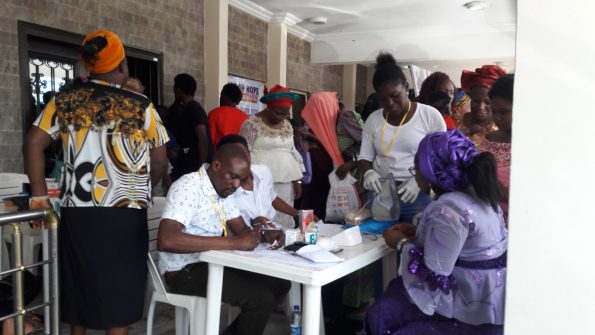
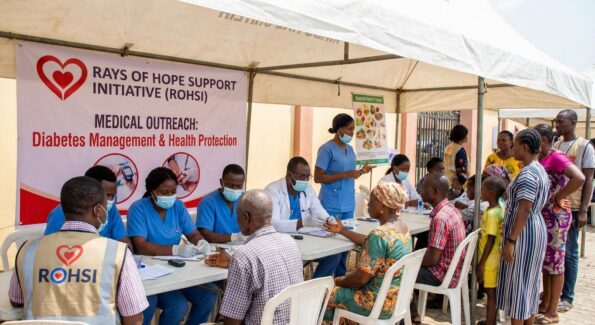
We must continue to take our services to the markets, motor parks, and communities, meeting men where they are to check their blood pressure and blood sugar.
Develop programmes specifically for men, focusing on the link between their diet (e.g., the oil in their favourite local foods) and their future health. Use relatable language and peer-to-peer influence.
We must collectively raise our voices to urge the government for stricter regulations on trans fats. We are the voice for the communities we serve.
Create and facilitate support groups for men living with hypertension and diabetes, providing a space for shared learning and encouragement.
The fight against trans fats is a fight for the future of our men in Ibadan and Nigeria. Through awareness, lifestyle change, and strong advocacy, we can reverse this trend and ensure that our young men live to fulfil their promising futures.
Apr 1, 2026 | Healthy Tips
Hello, ROHSI Community! When we talk about diabetes, it’s important to know what can happen if our blood sugar is not well managed. Having too much sugar in our blood for a long time can slowly damage our blood vessels and nerves. This can lead to other health problems.
But please, don’t be afraid! These problems are not something that will definitely happen to you. There is a lot we can do to prevent them. By taking our medication as prescribed and building good daily habits, we can keep our diabetes under control and stay healthy.
What Happens When Diabetes Is Not Controlled?
Think of high blood sugar as something that can quietly affect many parts of our body. Here’s what we need to watch out for:
- Our Eyes! High blood sugar can make it harder to see and can even lead to blindness. It can cause problems like:
- Cataracts! Cataract surgery is when the lens of our eye becomes cloudy, like looking through a dirty window.
- Glaucoma! This damages the nerve that connects our eye to our brain.
- Retinopathy! This is damage to the back part of our eye (the retina).
- Our Heart! Over time, high blood sugar can harm the blood vessels and nerves that control our heart. This makes us more likely to have heart disease, a heart attack, or a stroke. If we also have high blood pressure or high cholesterol, the risk is even higher.
- Our kidneys! Our kidneys are like filters for our body. Diabetes can damage the tiny blood vessels in these filters, making them work less effectively. After many years, if the damage is severe, the kidneys can stop working altogether.
- Our Feet! High blood sugar can slow down blood flow and cause nerve damage in our feet. This is very dangerous because:
- You might not feel pain from a cut, blister, or sore.
- Because of poor blood flow, these small injuries can heal very slowly and become infected easily.
- If a bad infection cannot be treated, it might lead to a doctor having to remove a toe, a foot, or part of the leg.
- Our Nerves! When high blood sugar damages our nerves (this is called diabetic neuropathy), it can cause pain, tingling, or numbness. This is most common in the hands and feet.
- Our Skin! Diabetes can make us more likely to have dry, itchy skin, yeast infections, or dark, scaly patches on the skin.
- Erection Problems for Men! High blood sugar damages the blood flow and nerves needed for a man to get and keep an erection. This is a common problem for men with diabetes.
What Can We Do to Stay Safe?
The good news is that we have a lot of power to protect ourselves. By making these simple steps a part of our daily life, we can greatly lower our risk of these problems.
Control Your Blood Sugar! This is the most important thing you can do. Aim to keep your numbers within a healthy range. Check your sugar as your doctor advises and try to keep it
- Between 70 and 130 mg/dL before meals.
- Less than 180 mg/dL two hours after a meal.
- Your A1C (which shows your average blood sugar over 3 months) should be below 7%.
Watch Your Blood Pressure and Cholesterol! High blood pressure and cholesterol are a dangerous mix with diabetes. Work with your doctor to keep them under control, which might include taking medication. A good target is to keep your blood pressure below 140/90 and your total cholesterol at or below 200.
See Your Doctor Regularly! Don’t wait until you feel sick. Regular checkups are vital because many diabetes problems start without any warning signs. Your doctor can test your blood, urine, and eyes to catch any issues early.
Don’t smoke! Smoking is very bad for your blood flow and raises your blood pressure, making diabetes complications much worse. If you smoke, ask your doctor for help to quit. It’s the best thing you can do for your health.
Protect Your Eyes! Get your eyes checked by a professional at least once a year. They can look for early signs of damage and start treatment right away.
Check Your Feet Every Day! Make this a habit!
- Look for any cuts, sores, blisters, redness, or swelling, especially between your toes and on the bottom of your feet.
- Wash your feet daily with warm (not hot) water and dry them carefully, especially between the toes.
- Apply lotion to keep the skin soft and prevent cracks, but not between the toes.
- Always wear shoes to protect your feet, even at home. Never walk barefoot on hot ground or at the beach.
- Trim your toenails straight across and file the edges gently.
- Always test bathwater with your hand or elbow first to avoid burning your feet.
Take Care of Your Skin:
- Keep your skin clean and dry, especially in areas like your armpits.
- Use talcum powder to prevent rubbing and chafing.
- Avoid very hot baths and strong, drying soaps.
- Use body lotion to keep your skin from getting too dry and cracking.
Let’s take these steps together, for ourselves and for our community. We can live well with diabetes! Also, we need to remember that many diabetes problems don’t shout; they creep in quietly. This is why regular checkups at the clinic are your best defence!
Courtesy: WebMD and Rays of Hope Support Initiative (ROHSI)

Mar 28, 2026 | News
Hello to our ROHSI community members. We know that when our hands start to shake, it can be frustrating and a little scary. Whether it’s a slight flutter when we’re holding a cup of tea or a more noticeable shake when we’re resting, our body is trying to tell us something.
Types of Tremors:
Rest Tremor! Occurs when muscles are relaxed, often associated with Parkinson’s disease.
Action Tremor! Occurs during movement (e.g., reaching, writing). This includes essential tremor, which is the most common form.
Postural Tremor! Occurs when holding a position against gravity, such as holding an arm out.
While many tremors are harmless, persistent shaking is a signal that deserves our attention. Here is a breakdown of what might be happening and how we can take control of our health.
Common Reasons Our Hands Might Shake
Not all tremors are created equal. Understanding the “why” is the first step toward finding relief.
• Lifestyle Triggers! High stress, anxiety, or too much caffeine can overstimulate our nervous system. Even a lack of sleep or low blood sugar (hypoglycaemia) can lead to the jitters.
• Essential Tremor! This is one of the most common neurological conditions. It usually happens when using our hands (like tying shoelaces) rather than when they are resting. It often runs in families.
• Medication Side Effects! Certain asthma meds, antidepressants, or even some seizure medications can cause shakiness as a side effect.
• Neurological Conditions! In some cases, tremors can be an early sign of Parkinson’s disease (usually a “resting tremor”) or multiple sclerosis (MS).
• Thyroid Issues! An overactive thyroid (hyperthyroidism) speeds up our body’s metabolism, which can manifest as a fine tremble in the hands.
Why Does Tracking Matter?
The most important thing we can do for our doctor is to provide a “map” of our symptoms. Because tremors can come and go, our observations are more valuable than a single 15-minute checkup.
What to track in a simple notebook:
· When does it happen, e.g., while eating, while resting, or when I’m nervous?
· What does it feel like, e.g., a rhythmic shake or a tiny twitch?
· What did I eat/drink, e.g., did I just have my third cup of coffee?
· Are there other symptoms, e.g., dizziness, sweating, or muscle weakness?
When to see a doctor:
While at ROHSI, we aim to provide support and education; we are a community and not a clinic. Please advise that you reach out to a healthcare professional if
• The tremor starts suddenly or gets worse quickly.
• It interferes with our daily life – eating, writing, or working.
• We notice changes in our gait – how we walk or balance.
A Note of Hope from us at ROHSI! Most hand tremors are manageable. Once the cause is identified, treatments ranging from simple lifestyle changes to physical therapy or medication can significantly improve our quality of life.
So have a sit or dialogue with your healthcare provider immediately if you notice any of the symptoms we talked about. Here at Rays of Hope Support Initiative, our mission is to support one another through every tremor and triumph. By understanding our bodies, sharing our stories, and seeking help without shame, we find our strength.
ROHSI management team.
Mar 12, 2026 | News
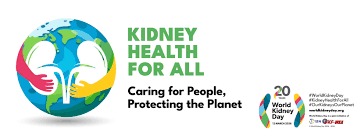
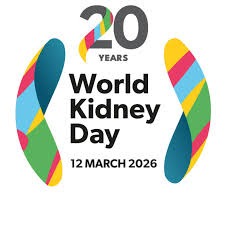
Friends and family! Join us at ROHSI in marking World Kidney Day 2026!
Today, March 12, 2026, we’re coming together to celebrate the 20th anniversary of World Kidney Day! This year’s theme is “Kidney Health for All – Caring for People, Protecting the Planet”.
As we mark this important day, we’re reminded that kidney health is everyone’s business. In Nigeria, kidney disease is a growing concern, affecting millions of people. But there’s hope! By taking care of our kidneys, we can reduce the risk of kidney disease and promote overall health.
Why should we care?
* 1 in 10 people worldwide have kidney disease.
* In Nigeria, kidney disease is becoming a leading cause of death.
* Environmental factors like pollution and climate change increase kidney disease risk.
* Early detection and prevention can slow or stop kidney disease progression.
What can you do? Join us in acting against kidney disease in Nigeria. by:
* Stay hydrated and eat a balanced diet.
* Reduce your exposure to environmental toxins.
* Support kidney health initiatives
* Advocate for policies promoting kidney health and sustainability
At ROHSI, we’re committed to promoting kidney health and environmental sustainability. We will continue to share health tips and resources, seek collaborations and share success stories to support individuals on their health journeys.
Let’s act now! We don’t have to wait till we start having health complications related to kidney-related issues before we go for screening or sit with our medical providers.
Healthy kidneys mean a healthier you and a healthier planet for all of us. This we know: together we can create that healthier Nigerian future for all Nigerians!
#WorldKidneyDay #KidneyHealthForAll #ROHSI #KidneyAwareness #HealthyLiving #Sustainability #NigeriaHealth
Mar 4, 2026 | News

Join ROHSI in marking World Obesity Day 2026!
Today, March 4, 2026, people around the world will unite to raise awareness about the growing obesity crisis. The theme for this year’s World Obesity Day is “8 Billion Reasons to Act on Obesity”.
The 2026 World Obesity Day theme serves as a powerful reminder that obesity is not just an individual issue but a global challenge affecting every one of the 8 billion people on the planet, whether directly or through strained healthcare systems and economies. The statistics are stark: currently, over 1 billion people live with obesity, and by 2035, over half the global population will be living with overweight or obesity.
For Nigeria, these global figures translate into a pressing national crisis. Once considered a problem of high-income countries, obesity is rapidly rising in low- and middle-income nations like ours. As of 2020, Nigeria was already home to an estimated 21 million overweight and 12 million obese adults. This increases the risk of serious health issues like diabetes, hypertension, heart disease, and certain cancers.
At ROHSI, we are committed to promoting healthy living and addressing obesity in our communities. The theme “8 billion Reasons” implies that every single person has a role to play.
So, we all need to know:
* Obesity affects 1 in 8 people worldwide.
* In Nigeria, 1 in 5 adults is living with obesity.
* Obesity is linked to serious health complications.
* Early intervention and prevention can save lives.
So, join us in taking action!
* Share your health story or a loved one’s journey with obesity.
* Learn about healthy eating and active living.
* Support obesity awareness initiatives
* Advocate for policies promoting healthy environments
As we are committed to being a beacon of light, providing health education, advocating for justice, and supporting those affected. Let’s work together to create a healthier future for all Nigerians! Let us remember that behind every statistic is a person, a family, and a community. Together, with 8 billion reasons to act, we can change the story of obesity in Nigeria. Join the Movement. Share Your Reason. Act Today.
#WorldObesityDay #8BillionReasons #ROHSI #ObesityAwareness #HealthyLiving #NigeriaHealth #Obesity #Nigeria #ROHSI3 #Ibadan #Dedoc #Diabetes #hypertension #Cancers #FMoH #NPHCDA #WHO_Nigeria #WHO #Healthlyleaving #HealthyLifestyles #NCDAlliance #Healthcare
