
Sep 29, 2025 | Healthy Moves
Imagine a world where heart disease no longer claims millions of lives each year. A world where families aren’t torn apart by the loss of a loved one to cardiovascular disease. This is the vision behind World Heart Day, observed annually on September 29th.
As we celebrate, World Heart Day with the theme “Don’t Miss a Beat” serves as a powerful call to action. Remind us that heart health is a daily commitment, one that too many overlook until it’s too late. From poor diets to sedentary lifestyles, smoking, and unchecked stress, the choices we make or ignore directly impact our hearts.
While CVD is a global scourge, its rise in Africa, with Nigeria as a critical focal point, is particularly alarming. Once thought to be a disease primarily affecting high-income countries, lifestyle changes, urbanisation, and increasing life expectancy are fuelling a surge in heart-related cases across the continent. Nigeria, with its large and rapidly growing population, is facing a burgeoning crisis.
Heart disease is no longer solely an affliction of the elderly. While older individuals, particularly those over 60, account for a significant proportion of CVD-related deaths, worrying trends show an increasing incidence across younger age groups in Nigeria. Studies reveal that a substantial number of CVD patients are within the 40-70 age bracket, and even younger individuals are not immune. Rheumatic heart disease, for instance, disproportionately affects children and adolescents.
This shift in demographics underscores the widespread nature of the risk factors: unhealthy diets dominated by processed foods, sugary drinks, and excessive salt; sedentary lifestyles due to increased urbanisation; and the persistent challenge of tobacco and alcohol use. The notion that “it won’t happen to me” is a dangerous illusion that needs to be shattered.
Reports indicate a significant increase in CVD admissions and deaths in Nigerian hospitals. Hypertension, often undiagnosed and untreated, is a primary driver. Cardiomyopathies, rheumatic heart disease, and coronary artery disease are also prevalent, straining an already stretched healthcare system. The implications are dire, not just for individuals but for the nation’s development.
Nigeria’s healthcare system faces significant challenges in addressing cardiovascular disease, where:
– Many communities lack access to healthcare services, including preventive care and treatment.
– Healthcare facilities often lack the necessary equipment and personnel to provide quality care. We are saying strengthen our primary healthcare centres (PHCs) to serve as the first line of defence for prevention, early diagnosis, and management of CVD risk factors.
– The “brain drain” of skilled doctors, nurses, and specialists, who are seeking better opportunities abroad, has left a significant gap in the workforce. The doctor-to-patient ratio is alarmingly low, severely impacting access to quality care.
– There are only a handful of centres capable of performing complex cardiac procedures nationwide, and there is a severe shortage of cardiologists. –
– The National Health Insurance Scheme (NHIS) covers a small percentage of the population, leaving millions vulnerable to catastrophic health expenditures.
We are saying our policymakers and government can make the following possible in addressing the growing burden of cardiovascular disease by:
– Allocate more resources to healthcare, particularly for preventive care and treatment of cardiovascular disease.
– Help in upgrading our healthcare facilities and equipment to provide quality care.
– Launch public awareness campaigns to educate people about heart health and the importance of preventive care.
– Implement initiatives to train more cardiologists and cardiac surgeons, offering attractive incentives to retain them within the country. This includes better remuneration, improved working conditions, and opportunities for continuous professional development.
– Aggressively expand the reach of the National Health Insurance Scheme, especially to the informal sector, to ensure universal health coverage and reduce the financial burden on individuals.
– Encourage collaborations between government and private healthcare providers to leverage expertise, technology, and investment in the cardiac care sector.
– Formulate and rigorously implement comprehensive national strategies focusing on prevention, early detection, and affordable treatment.
We know that a critical missing beat in the fight against heart disease is widespread awareness and accessible medical health screening. Many Nigerians are unaware of their risk factors or the early signs of heart disease, so.
– Government, in collaboration with health organisations and media, must launch sustained, culturally sensitive public awareness campaigns. These campaigns should educate the populace on heart-healthy lifestyles, risk factors (hypertension, diabetes, obesity, smoking, unhealthy diet, and physical inactivity), and the importance of regular check-ups.
– Implement widespread, affordable, and accessible heart health screening programmes at all healthcare centres, from PHCs to tertiary hospitals. These screenings should include blood pressure checks, cholesterol tests, blood sugar monitoring, and basic cardiac assessments. They must be accessible and affordable too.
– Promote awareness/community outreach through community health workers and local leaders to reach remote areas and encourage participation in screening and educational initiatives.
– Explore the use of mobile health technologies and telemedicine for remote consultations, health education, and follow-up, especially in underserved areas.
Non-profit organisations and international bodies working on non-communicable diseases (NCDs) globally play a vital role in complementing government efforts. Organisations like the World Heart Federation, NCD Alliance, Project HOPE, the World Health Organisation (WHO), and the local organisations are at the forefront of this battle. They need support and access to more funding. Positive welcome/collaborations from the government and policymakers so as to make more impacts and be able to fund local and national organisations working within the noncommunicable diseases (NCDs).
ROHSI is saying! Let’s take action to protect our hearts and prevent cardiovascular disease. Our heart doesn’t wait. Get checked today. Eat better. Move more. Advocate for change. Together, we can ensure fewer families suffer preventable loss.
#HeartHealthForAll #ROHSI3 #HealthyHeartAfrica #NCDAction #SaveHeartsInNigeria #WorldHeartDay2025 #DontMissABeat #HeartHealth #CardiovascularDisease #Nigeria #Africa #NonCommunicableDiseases #Healthcare #Awareness #Screening #Prevention #HeartHealthMatters #Ibadan
Sep 1, 2025 | Healthy Tips
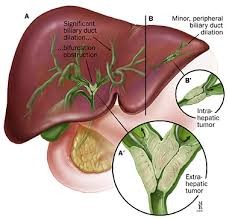
Cholangiocarcinoma, also known as bile duct cancer, is a rare and aggressive form of cancer that originates in the bile ducts. These ducts play a crucial role in digestion by transporting bile from the liver to the gallbladder and small intestine. Bile is a fluid that helps the body digest fats.
Benjamin Olorunfemi
Cholangiocarcinoma, also known as bile duct cancer, is a rare and aggressive form of cancer that originates in the bile ducts. These ducts play a crucial role in digestion by transporting bile from the liver to the gallbladder and small intestine. Bile is a fluid that helps the body digest fats.
Cholangiocarcinoma cancer is classified based on its location:
- Intrahepatic cholangiocarcinoma! Begins in the bile ducts within the liver.
- Extrahepatic cholangiocarcinoma! Begins in the bile ducts outside the liver and is further divided into perihilar (at the point where the main bile ducts leave the liver) and distal (further down the bile duct).
A key challenge with this cancer is that it often doesn’t show symptoms in its early stages. By the time symptoms appear, the cancer has often spread, making it difficult to treat effectively.
Currently, there’s no strong evidence showing a major surge in cholangiocarcinoma specifically in Nigeria or among people of African descent. However, some risk factors linked to this cancer (like liver fluke infections, hepatitis B/C, and cirrhosis) are present in Nigeria, which could contribute to cases.
Symptoms of cholangiocarcinoma can be subtle and often don’t appear until the disease is advanced. They can include:
- Jaundice (yellowing of the skin and whites of the eyes)
- Itchy skin
- Dark urine and pale, greasy stools
- Unexplained weight loss and loss of appetite
- Abdominal pain, especially on the right side under the ribs
Treatment options depend on the stage and location. They can include:
- Surgery! The primary treatment, when possible, is to remove the tumour. This may involve removing a portion of the bile duct or even part of the liver.
- Liver Transplant! In some specific cases, a liver transplant may be a curative option, particularly for certain types of hilar cholangiocarcinoma.
- Chemotherapy! Uses drugs to kill cancer cells and can be used to slow the disease and relieve symptoms in advanced cases.
- Radiation Therapy! Uses high-powered energy beams to destroy cancer cells.
- Other therapies! These can include targeted drug therapy, immunotherapy, or procedures like biliary drainage to relieve symptoms caused by blockages.
Challenges in Nigeria
Survival rates for cholangiocarcinoma in Nigeria are low due to several challenges, including:
– Late diagnosis! Many cases are diagnosed at an advanced stage, making treatment more difficult.
– Limited access to healthcare! Many Nigerians lack access to quality healthcare services, including cancer diagnosis and treatment.
– Lack of awareness! There is a need for increased awareness about cholangiocarcinoma and its symptoms.
– Alcohol & Aflatoxin Exposure! Heavy alcohol use and contaminated foods (like poorly stored grains) increase liver disease risk.
– Financial Barriers! The cost of diagnostics and treatment is often a major hurdle for patients. Without adequate health insurance or government support, many people simply cannot afford the care they need.
– Weak Advocacy! While cancer advocacy groups are growing in Nigeria, the movement is still in its early stages. Stronger advocacy is needed to prioritise cancer control on the national health agenda.
Ways Out (Solutions):
- Better Awareness – Educate people on symptoms (jaundice, abdominal pain, weight loss).
- Early Screening – Regular check-ups for high-risk groups (hepatitis patients, those with liver disease).
- Improved Sanitation – Reduce liver fluke infections with clean water and food safety.
- Vaccination – The hepatitis B vaccine can lower liver cancer risks.
- Access to Treatment – More cancer centres and affordable care for early detection and surgery/chemotherapy.
- Support research: Encourage research into the causes and treatment of cholangiocarcinoma.
Cholangiocarcinoma is rare but deadly, especially when caught late. Early detection saves lives. So, if someone has prolonged jaundice, unexplained weight loss, or severe itching, they should see a doctor immediately.
The ROHSI team is saying you can help in this fight against the surge of cancer-related help by:
- Share this article and other resources about cholangiocarcinoma with your network.
– Offer emotional support and connect individuals with resources and services.
– Advocate for increased funding and resources for cholangiocarcinoma research and treatment.
Together, we can make a difference and improve the lives of those affected by cholangiocarcinoma in Nigeria. Get involved today.
Rays of Hope Support Initiative (ROHSI)
Aug 17, 2025 | Healthy Tips
Cervical Cancer
Temitope Adebayo
M.Sc. Industrial Microbiology & Biotechnology | Microbiologist | Research Assistant | Biotech Enthusiast
Introduction
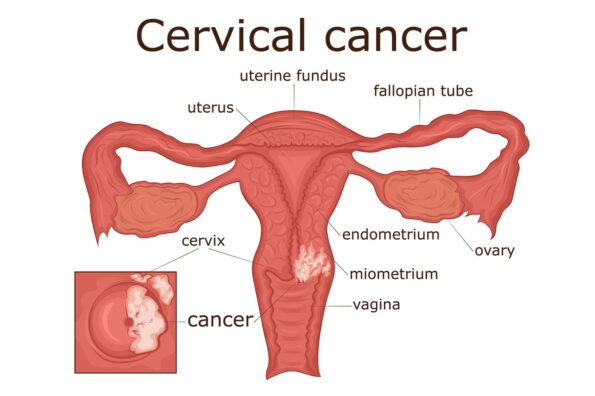
Cervical cancer is a malignant tumour arising from the cells of the cervix — the lower part of the uterus that connects to the vagina. It is one of the most common cancers affecting women worldwide, particularly in low- and middle-income countries. According to global estimates, cervical cancer caused approximately 604,000 new cases and 342,000 deaths in 2020 (WHO, 2022).
Recent years have seen intensified efforts toward elimination. In June 2025, global leaders convened at the second Global Cervical Cancer Elimination Forum in Bali, reaffirming commitments to the WHO’s 90-70-90 targets: 90% HPV vaccination by age 15, 70% screening by ages 35 and 45, and 90% treatment of detected cases. Early detection and prevention are crucial, as the disease is highly preventable and treatable when found in its early stages.
Anatomy and Function of the Cervix
The cervix serves as the gateway between the uterus and vagina. It plays an important role during menstruation, pregnancy, and childbirth. It also produces mucus that changes consistency during the menstrual cycle to either facilitate or block sperm entry.
Causes and Risk Factors
The primary cause of cervical cancer is persistent infection with high-risk types of the human papillomavirus (HPV), especially HPV types 16 and 18, which together account for about 70% of cases (Arbyn et al., 2020). Other risk factors include early onset of sexual activity, multiple sexual partners, smoking, prolonged use of oral contraceptives, a weakened immune system (e.g., HIV infection), and a family history of cervical cancer (CDC, 2023)
Pathophysiology
HPV infects the epithelial cells of the cervix, integrating its DNA into the host genome. This disrupts normal cell cycle control, leading to the production of viral oncoproteins E6 and E7, which inactivate tumour suppressor proteins p53 and Rb. Over time, infected cells may progress from cervical intraepithelial neoplasia (CIN) to invasive carcinoma (Bhatla & Singhal, 2020).
Signs and Symptoms
In its early stages, cervical cancer often produces no noticeable symptoms. As the disease progresses, common signs may include abnormal vaginal bleeding (after intercourse, between periods, or after menopause), foul-smelling vaginal discharge, pelvic pain, and pain during sexual intercourse (WHO, 2022).
Screening and Diagnosis
Routine screening is critical for detecting precancerous changes. Common methods include:
- Pap smear: Detects abnormal cervical cells.
- HPV DNA testing: Identifies high-risk HPV strains.
- Visual inspection with acetic acid (VIA): Used in low-resource settings.
If abnormalities are detected, colposcopy and biopsy are performed for confirmation (Koh et al., 2019).
Staging of Cervical Cancer
The FIGO (International Federation of Gynaecology and Obstetrics) staging system classifies cervical cancer based on tumour size, spread to lymph nodes, and metastasis. Staging helps determine the most appropriate treatment plan (Bhatla & Singhal, 2020).
Treatment Options
- Treatment depends on the stage:
- Early-stage: Surgical removal (conisation, hysterectomy).
- Locally advanced: Radiotherapy with concurrent chemotherapy.
- Advanced stage: Palliative care, targeted therapy, and immunotherapy may be considered (Koh et al., 2019).
Prevention
The most effective preventive measures include:
HPV vaccination: Recommended for girls (and boys) before sexual debut, typically between ages 9 and 14.
Safe sexual practices: Limiting the number of partners and using condoms.
Regular screening: Even vaccinated women should be screened, as vaccines do not cover all HPV strains (WHO, 2022).
Global and Regional Statistics
Cervical cancer remains a major public health issue in sub-Saharan Africa, South-East Asia, and parts of Latin America, where screening programmes are less accessible. The WHO aims to eliminate cervical cancer as a public health problem by achieving 90% HPV vaccination coverage, 70% screening coverage, and 90% treatment for detected disease by 2030 (WHO, 2020).
Challenges in Management
Barriers include limited access to vaccines, screening facilities, and cancer treatment centres in low-resource settings. Cultural beliefs, stigma, and lack of awareness also reduce participation in preventive programmes (Arbyn et al., 2020).
Conclusion
Cervical cancer is both preventable and treatable, yet it continues to claim hundreds of thousands of lives each year. Strengthening HPV vaccination programmes, ensuring regular screening, and improving access to treatment are essential steps toward elimination. Awareness and education remain powerful tools in this fight.
References
1. Arbyn, M., et al. (2020). Estimates of incidence and mortality of cervical cancer in 2018: a worldwide analysis. *The Lancet Global Health*, 8(2), e191–e203.
- Bhatla, N., & Singhal, S. (2020). Primary management of cervical cancer: Society of Gynaecologic Oncology consensus guidelines. *Gynaecologic Oncology*, 157(3), 481–493.
3. CDC. (2023). Cervical Cancer. Retrieved from [https://www.cdc.gov/cancer/cervical](https://www.cdc.gov/cancer/cervical)
4. Koh, W.-J., et al. (2019). Cervical Cancer, Version 3.2019, NCCN Clinical Practice Guidelines in Oncology. *Journal of the National Comprehensive Cancer Network*, 17(1), 64–84.
- WHO. (2020). Global strategy to accelerate the elimination of cervical cancer as a public health problem. World Health Organisation.
6. WHO. (2022). Cervical Cancer Fact Sheet. Retrieved from [https://www.who.int/news-room/fact-sheets/detail/cervical-cancer] (https://www.who.int/news-room/fact-sheets/detail/cervical-cancer)
Aug 1, 2025 | Healthy Moves
As we continue our mission to promote health and wellness at Rays of Hope Support Initiative (ROHSI), we would like to shed light on the critical link between obesity and hypertension. These two conditions are closely intertwined and pose a significant threat to global health.
According to the World Health Organisation (WHO), obesity is a major risk factor for developing hypertension, which in turn increases the risk of cardiovascular disease, stroke, and kidney disease. The statistics are alarming: obesity affects 1 in 8 people worldwide, while hypertension affects over 1.28 billion people, making it the leading cause of death and disability globally.
In Africa, the prevalence of obesity and hypertension is rising at an alarming rate. Nigeria, in particular, is facing a significant challenge in this regard. Studies have shown that the prevalence of obesity and hypertension is increasing among Nigerians, with urban areas being disproportionately affected.
One of the most concerning trends is the rise of obesity and hypertension among young people in Nigeria (where over 30% of Nigerian adults are overweight or obese). This can be attributed to various factors, including:
* Consuming high-calorie foods and drinks low in essential nutrients.
* Sedentary lifestyle and lack of regular exercise.
* Family history and genetic factors can play a role.
* Poverty levels that have made the majority reliant on cheaper, energy-dense, but nutrient-poor foods.
* Many Nigerians are unaware of their blood pressure status until complications arise.
* High costs and inadequate medical facilities prevent early detection and treatment.
Way Out!
- We are encouraging consumption of fruits, vegetables, whole grains, and lean proteins. Limit sugary drinks and processed foods.
- Increase in physical activity like outdoor play, sports, and regular exercise. Our schools should prioritise physical education.
- Making available educational journals/resources and guidance on preparing nutritious meals and fostering active lifestyles in languages that our people can easily read and understand
- Implementation of policies that will restrict the advertising of high-sugar, high-fat, and high-salt foods to younger audiences.
To combat this growing epidemic, we need a multi-faceted approach, and we are suggesting the below steps:
- Our policymakers to develop and rigorously enforce policies that promote healthy food environments (e.g., taxes on sugary drinks, subsidies for healthy foods, clear food labelling).
- Design our cities with accessible green spaces, pedestrian-friendly infrastructure, and safe cycling paths to encourage physical activity.
- Ensure routine screening for obesity and hypertension during primary healthcare visits, with clear referral pathways.
- Allocate adequate resources for research into effective prevention and management strategies and for the implementation of public health programmes.
- Mandate and fund comprehensive health education programmes in schools that include nutrition, physical activity, and the risks of NCDs.
To organisations working in this space, we should:
- Unite our voices to advocate for stronger policies and increased government investment in NCD prevention and control. Share data and success stories to build a compelling case.
- Develop and launch joint, culturally sensitive awareness campaigns that utilise various media channels (local radio, community events, social media) to educate the public about the dangers of obesity and hypertension.
- Develop standardised, easy-to-understand health education materials that can be disseminated across different communities. This includes practical advice on healthy eating, portion control, the benefits of physical activity, and stress management.
- Organise free or subsidised medical screening camps in underserved communities, providing accessible blood pressure checks, BMI measurements, and basic health consultations as we do at ROHSI. This can also be expanded when in partnership with local healthcare providers.
- Work with pharmaceutical companies and healthcare providers to explore avenues for making essential medications for hypertension management more affordable and accessible. Establish networks to connect individuals with medical professionals where necessary for ongoing care.
- Implement robust follow-up programmes for individuals identified as having high-risk factors or diagnosed with conditions. This could involve community health workers, peer support groups, or regular check-ins to ensure adherence to treatment plans and lifestyle modifications. This sustained engagement is crucial for long-term behaviour change.
The relationship between obesity and hypertension is complex, but by working together, we can make a difference. By working together—individuals, policymakers, and nonprofits—we can curb this epidemic. Let’s work together to create a healthier future for ourselves and future generations! Let’s promote healthier lifestyles, advocate for better policies, and ensure no one is left behind in the fight for a healthier Nigeria.
Join #ROHSI3 in this mission! Together, we can save lives.
Jul 2, 2025 | News
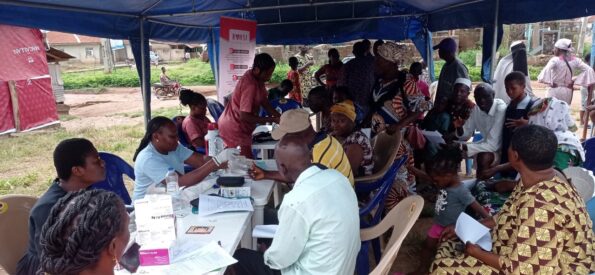
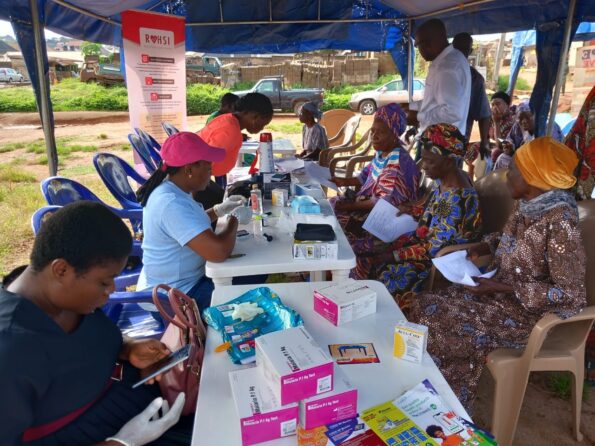
On Saturday, June 21, 2025, the Rays of Hope Support Initiative (ROHSI) successfully conducted a free medical outreach at Otun Abese Community, Ibadan, Oyo State. Approximately 200 residents, comprising men, women, children, and the elderly, accessed essential healthcare services.
The outreach promoted health awareness, offered medical screenings, provided free medication, and educated the community on healthy living practices. The ROHSI approach focused on proactive health management and accessible care.
At the medical outreach, we provided health education where vital information on maintaining good health, regular medical screenings, and adopting healthy lifestyles were discussed with the participants
Also, there was medical screening to identify various health conditions early, especially on hypertension and diabetes, the two silent killers
Participants also received free medications courtesy of our sponsors and partners. On that day also some individuals that requires further medical attention were referred to appropriate healthcare facilities
Names of individuals with critical medical conditions were listed out for further support and follow-up through our WhatsApp community, where we shared daily health tips and other health opportunities
We extend our deepest gratitude to our sponsors: Codix Pharma Nigeria, Kemisola Bolarinwa through Next Wear Technologies, Africa Social Enterprise Workshop (ASEW) for supporting our social enterprise scheme and other anonymous contributors.
To our host community, Otun Abese Community, for their warmth and hospitality, and our Board of Trustees, Management Team, Staff, and Volunteers for their dedication and hard work. To our family, friends, and ROHSI Community, we say thank you all for your support and generosity. We enjoy always
Major highlights of the outreach:
- A majority of residents are unaware of their health status, highlighting a critical need for increased health awareness campaigns.
- Even those aware of their conditions cannot access necessary care due to the escalating cost of medical services.
- There is an alarming surge in non-communicable diseases (NCDs), particularly hypertension and diabetes. This trend demands urgent attention from the government and other stakeholders.
- The preventable nature of many NCDs, which are tragically claiming the lives of our working and productive adults, is a significant concern that requires immediate and concerted efforts.
The surge in preventable #NCDs demands urgent intervention from government and stakeholders. We urge:
- The implementation of practical healthcare policies (beyond paperwork).
- Introduction of affordable indigenous health insurance schemes for underserved community
- More partnerships from governments, policymakers and organisations of like minds to expand medical outreach programmes.
We reiterate our profound gratitude to all our sponsors, partners, board, and team members for making this outreach a success. We remain committed to bridging healthcare gaps and working towards accessible quality healthcare for all.
Thank you for your unwavering support.
ROHSI Management Team.
