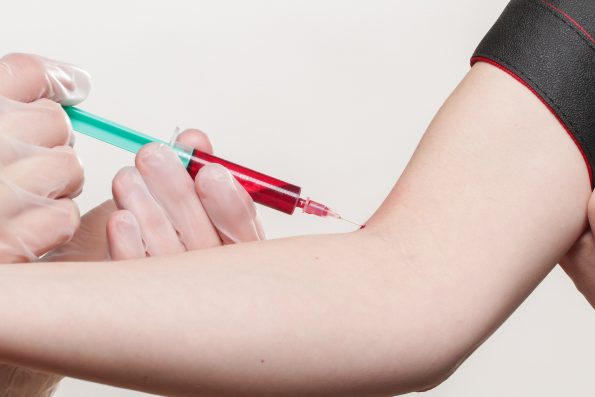
Dec 9, 2017 | Healthy Tips
TIRED OF YOUR DIABETES? HERE’S HOW TO KEEP GOING
By David Steen Martin
![https://img.webmd.com/dtmcms/live/webmd/consumer_assets/site_images/article_thumbnails/features/_2016/12_2016/diabetes_fatigue_features/650x350_diabetes_fatigue_features.jpg]()
When you have diabetes, your daily to-do list can seem like a lot. You track your blood sugar, take medicine, watch your diet, and exercise.
It can make you feel overwhelmed and burned out. If you’re there:
1. Know that no one is perfect.
There are no vacations from diabetes. Even the most diligent people can’t keep their blood sugar or diet or physical activity on target all the time.
“Diabetes is unique because [you’re] actually making medical decisions, day-to-day, minute-to-minute,” says Alicia McAuliffe-Fogarty, PhD, a clinical health psychologist.
This can be stressful, says David Nathan, MD, director of the Diabetes Centre at Massachusetts General Hospital.
“If people are always stressed out about diabetes, they’re miserable,” Nathan says.
He says people need to forgive themselves if they miss their goals for a day, a week, or even more.
“Chill a little bit,” Nathan says. “We’re going to do the best we can. We need to recognize no one is perfect.”
2. Pay attention to what stresses you out.
Living with diabetes can cause fear, anger, worry, and sadness.
Lawrence Fisher, Ph.D., director of the Behavioural Diabetes Research Group at UCSF School of Medicine, has studied what doctors call “diabetes distress” in people with type 1 and those with type 2 diabetes. He learned that during any 18-month period, from a third to a half of people with diabetes will feel a good bit of it.
He cites seven common sources of diabetes distress among people with type 1 diabetes. The most common is a feeling of helplessness.
“The [blood sugar] numbers have a life of their own. They go up. They go down. You’re constantly making adjustments,” Fisher says. “There’s a feeling of powerlessness that is really hard to tolerate.”
Other common sources of diabetes distress among people with type 1 diabetes include:
· Worry about what those around them assume
· Concern about access to good healthcare
· Perceived lack of support from family or friends, or feeling like they’re the “diabetes police”
· Fear of dangerously low blood sugar
· Stress over managing blood sugar levels
· Bother over what to eat and when
Fisher says people with diabetes should pay attention to what stresses them out and try to address those things. He suggests programs or workshops that focus on what gets you down.
“There are things you can do,” he says.
He found that people with type 2 diabetes also had a feeling of helplessness. A sense of failure and negative social perceptions were other common sources of bother among type 2 folks, he says.
Paying attention to what gets to you about your diabetes is important. The less spun-out you are, the better you’ll be able to manage your disease.
3. Set realistic goals.
That’s important to avoid burnout. It can mean taking a big goal and breaking it into more manageable pieces.
“Taking small steps to achieve a larger goal often makes sense,” says McAuliffe-Fogarty, who has type 1 diabetes.
If you need to lose 50 pounds, shoot for 2 pounds a month, she says. If you drink regular soda, try switching to diet. If you normally eat a pint of ice cream, switch to a half a pint.
“You should adapt your treatment plan to your lifestyle rather than the other way around,” says McAuliffe-Fogarty, who is also vice president of the lifestyle management team at the American Diabetes Association.
4. Ask for help.
Build a support network — and use it.
In addition to your doctors, look for counsellors or family friends who can be there for you when you feel down. Sharing stories as part of a diabetes support group can be very helpful.
Ask those closest to you for specific help you need. This can be anything from asking a family member to remind you to take your medication to asking a friend to go for a walk with you a few times a week, McAuliffe-Fogarty says.
“Without that support, people often get down,” she says.
5. Know transitions can be hard.
Change can be a challenge for anyone. Going through it while you manage your diabetes can be really tough.
Heading to college, being diagnosed with a complication, and trying a new treatment are types of adjustments that can bring worry, McAuliffe-Fogarty says.
To ease stress, try to anticipate and prepare for big changes in your life. That’ll lessen the impact on how you manage your diabetes.
6. Tell your doctor all about it.
See him regularly. When you go, make sure to share your physical symptoms, and how you’re feeling about things. Your diabetes can make it more likely for you to be depressed or anxious. What’s more, how you feel plays a big role in your ability to control your diabetes.
“That’s a component that’s often forgotten or left out,” McAuliffe-Fogarty says of mental well-being. “It’s equally important as eating right and exercising.”
It’s important that you take an active role in communicating with your doctor. He’s trained in managing diabetes. But he may not be as knowledgeable about the emotional toll the disease can take, McAuliffe-Fogarty says.
WebMD Feature

Dec 3, 2017 | Healthy Tips
HOW YOU CAN HELP YOUR HEART IF YOU QUIT SMOKING
Reviewed by James Beckerman, MD, FACC
Whether you’re a long time smoker or you just picked up the habit, do your heart a favour and say goodbye to tobacco. As far as your ticker’s concerned, it’s never too late to quit. Your body starts to heal as soon as you smoke your last cigarette.
There are many reasons your heart will thank you for not lighting up. Every time you inhale cigarette smoke, your heart rate and blood pressure go up temporarily. That puts extra stress on your ticker and forces it to work harder.
Over time, smoking damages you in other ways, too. It:
• Clogs your arteries
• Increases clotting
• Fills your lungs with tar
• Thickens your blood
• Weakens your bones
• Increases inflammation
• Weakens your immune system
Quit smoking now and you’ll see fast results. Just 20 minutes after you stop, your blood pressure and heart rate go down. In 2 to 3 weeks, your blood flow starts to get better.
Your odds of heart disease will go down, too. After a year without cigarettes, you’re half as likely to get it as you were when you smoked. After 5 years, it’s about the same as someone who never lit up.
How Smoking Hurts Your Heart
The chemicals in cigarettes harm your heart in many ways.
There’s carbon monoxide, a poisonous gas that enters your lungs and then your bloodstream. It steals oxygen from your red blood cells, so less of it gets to your organs and tissues. It also makes your artery walls hard and stiff, which can put you on the path to a heart attack.
Don’t forget nicotine, an addictive chemical in both tobacco and e-cigarettes. It makes your blood vessels narrow. It jacks up your blood pressure and heart rate, too. Your heart has to pump harder and faster than normal.
Smoking also causes chemical changes in your body. Cells in your bloodstream called platelets clump together when they react with toxic cigarette ingredients. This makes your blood thicker and stickier. It becomes harder for your heart to push it through your blood vessels.
Your cholesterol levels get out of whack, too. Cigarette smoke raises levels of LDL, or “bad” cholesterol, and a blood fat called triglycerides. Those cause waxy plaque to build up in your arteries. At the same time, it lowers HDL, or “good” cholesterol — the kind that prevents plaque from forming.
When your blood pressure is high, like it is while you’re smoking, arteries get stretched and scarred. Their lining gets damaged, which lets plaque grow and combine with sticky blood cells. All of this raises your risk for blood clots, which can block blood flow to your heart or other organs. That can cause heart attacks or strokes.
Smoking damages your lungs and makes it harder to breathe, too. That can keep you from exercising as much as you should. You need to get about 150 minutes of physical activity each week to keep it fit and strong.
Reap the Benefits of a Smoke-Free Life
Luckily, most of the damage tobacco does to you is reversible. When you quit, your risk of blood clots gets lower. Your “bad” cholesterol will go down and your “good” cholesterol will go up. That’ll help slow the buildup of new plaque deposits.
Within 2 weeks, you may notice it’s easier to exercise without feeling short of breath. Over the next few months, you’ll be able to breathe deeply again. Your hacking cough should disappear, too.
Don’t worry if you put on a few pounds at first. Many people swap food for smoking when they first quit. After a little while, you and your body will get used to a smoke-free life. When you get more exercise and improve your diet, you’ll get your weight under control.
If you have heart disease, it’s not too late to make a difference. If you give up cigarettes after a heart attack, you can cut your risk of having a second one in half. Quitting after you’ve had bypass surgery can keep your arteries healthy and help prevent further clogs and disease.
When you quit, you’ll also protect your friends and family from the health risks of second-hand smoke.
Talk to your doctor to get suggestions on how to end your tobacco habit. He can also put you in touch with programs that offer tips and support.
WebMD Medical Reference

Dec 3, 2017 | Healthy Tips
TIPS FOR HEART-HEALTHY LIVING WITH DIABETES
Reviewed by Brunilda Nazario, MD
Keeping control of your “ABCs” — A1c, blood pressure, and cholesterol — can go a long way to help prevent heart disease, stroke, and other heart problems when you have type 1 or type 2 diabetes. And your heart health is very important: You are two to four times more likely to have strokes and heart disease if you have diabetes. Follow these guidelines for a heart-healthy living to meet your ABC goals. Your doctor may tailor your goals based on your age, blood sugar (also called glucose) levels, and heart or other diabetes-linked problems you may have.
A is for A1c Testing for Diabetes
Why Does A1c Matter?
Keeping control of your blood sugar over time helps lower your risk of problems such as kidney, nerve, and eye disease. It may also make you less likely to have a heart attack, stroke, and death from heart disease. Each percentage point you drop in your A1c test result (from 8% to 7%, for example) can drop your risk of kidney, eye, and nerve disease by a whopping 40%.
If you have diabetes, you should check your blood sugar often to make sure your levels are in check. A haemoglobin A1c test is a blood test that measures your average blood sugar level over the past 2 to 3 months. It’s a way to check how well you control your blood sugar over time. A1c measures how much glucose has been “sticking” to your red blood cells. If your treatment changes or your blood sugar control is not on target, then you should repeat the test every 3 months.
What’s Your A1c Goal?
Aim for an A1c of around 7% or less. How Can You Improve Your Score?
If you think of daily blood sugar testing like a pop quiz, the A1c test is a midterm. Steady daily blood sugar control improves your A1c score, which shows your past efforts. Take your diabetes drugs and make sure you eat healthily, get exercise, and follow the other heart-healthy guidelines below. This will help you reach your A1c goal.
B is for Blood Pressure and Diabetes
About 70% of people with diabetes either have high blood pressure — a score of at least 140/90 (read as “140 over 90”) — or use prescription drugs to keep their blood pressure down. High blood pressure raises your chance of having other health problems that diabetes can cause, like eye disease and kidney damage. It also makes you more likely to have heart disease and stroke.
Why Does Blood Pressure Matter?
Keeping your blood pressure at a healthy level lowers your chances of having heart disease by 33% to 50% — a big benefit. It can also help prevent or delay kidney disease, another common problem with diabetes.
What’s Your Blood Pressure Goal?
Aim for a blood pressure score below 140/80 most of the time. Get your blood pressure checked at least four times a year or at each diabetes check-up. You could also use a blood pressure monitor at home to check your blood pressure more often.
How Can You Improve Your Blood Pressure?
All the things that are good for your heart will help you control your blood pressure: eat a low-salt diet, eat more foods high in potassium, get regular exercise, limit alcohol, quit smoking, and stay at a healthy weight. When lifestyle changes aren’t enough to control high blood pressure, drugs can help lower it.
C is for Cholesterol and Diabetes
The wrong kinds of fats in your blood can build up in your arteries. This raises your chance of heart disease and stroke. The biggest problem is “bad” cholesterol — called LDL cholesterol. Other things that raise your risk of heart disease and stroke are included in a calculation to find out if you will need medication to lower your cholesterol.
Why Does Cholesterol Matter?
Keeping your LDL cholesterol at a healthy level can bring down your chances of having heart disease. Your doctor will let you know how much your cholesterol should be lowered.
What’s Your Cholesterol Goal?
Has your cholesterol checked at least once a year? Aim for these scores:
LDL below 100 for most people with diabetes under the age of 40 or those without heart disease. Experts advise a goal below 70 if you have had a heart attack or other heart problem.
HDL above 50 for women, and above 40 for men.
Triglycerides lower than 150.
How Can You Improve Your Cholesterol?
You can lower your cholesterol and your chance of heart disease by making changes in what you eat and how active you are. Eat a mix of colourful fruits and vegetables. Make other foods that are low in saturated and trans fat and cholesterol, and high in whole-grain fibre, a big part of your diet. Adding omega-3 fatty acids and plant stanols/sterols help. Lose weight if you need to, and get regular exercise. If that’s not enough to get your cholesterol to healthy levels and your doctor determines you are at a high risk of future heart attacks or heart disease, your doctor may prescribe a drug to help you reach your goal.
Improve Your ABCs with Heart-Healthy Living
Your doctor will likely advise you to eat well and exercise most days to help manage your ABCs.
These tips can help you get there:
Watch Your Blood Sugar: Keep clear records of your blood sugar levels. Write down anything that may have affected your blood sugar. Then you can see how diet, exercise, and any drugs you take affect your readings. Talk to your doctor or diabetes team about what you can do to improve your blood sugar control.
Control Your Weight: If you’re overweight, lose weight by eating healthier. Get more exercise to help control your A1c, blood pressure, and cholesterol levels.
Get Moving: Do 30 to 60 minutes of combined aerobic and strength training exercises, such as brisk walking or lifting weights, on most days. Even without weight loss, being active helps your diabetes control.
Eat Healthily: Fill your plate with lots of fruits and vegetables. Choose foods low in salt and sugar. Eat plenty of fibre from fruits, vegetables, and whole grains like brown rice and oatmeal. Choose heart-healthy fats such as olive and canola oil, fatty fish, nuts, and avocados. If you drink alcohol, do it in moderation.
Take Drugs as Prescribed: Take your diabetes drugs exactly as your doctor advises, even when you feel healthy.
Quit Smoking: If you’re a smoker, get help to quit. Try a smoking cessation program to boost your chance of success.
Get Support: Ask your family and friends to help you stick to a heart-healthy lifestyle.
Oct 29, 2017 | Healthy Tips
6 LIFESTYLE CHANGES TO CONTROL YOUR DIABETES
Reviewed by Neha Pathak, MD
- Eat healthily. This is crucial when you have diabetes because what you eat affects your blood sugar. No foods are strictly off-limits. Focus on eating only as much as your body needs. Get plenty of vegetables, fruits, and whole grains. Choose non-fat dairy and lean meats. Limit foods that are high in sugar and fat. Remember that carbohydrates turn into sugar, so watch your carb intake. Try to keep it about the same from meal to meal. This is even more important if you take insulin or drugs to control your blood sugars.
- Exercise. If you’re not active now, it’s time to start. You don’t have to join a gym and do cross-training. Just walk, ride a bike, or play active video games. Your goal should be 30 minutes of activity that makes you sweat and breathe a little harder most days of the week. An active lifestyle helps you control your diabetes by bringing down your blood sugar. It also lowers your chances of getting heart disease. Plus, it can help you lose extra pounds and ease stress.
- Get check-ups. See your doctor at least twice a year. Diabetes raises your odds of heart disease. So learn your numbers: cholesterol, blood pressure, and A1c (average blood sugar over 3 months). Get a full eye exam every year. Visit a foot doctor to check for problems like foot ulcers and nerve damage.
- Manage stress. When you’re stressed, your blood sugar levels go up. And when you’re anxious, you may not manage your diabetes well. You may forget to exercise, eat right, or take your medicines. Find ways to relieve stress — through deep breathing, yoga, or hobbies that relax you.
- Stop smoking. Diabetes makes you more likely to have health problems like heart disease, eye disease, stroke, kidney disease, blood vessel disease, nerve damage, and foot problems. If you smoke, your chance of getting these problems is even higher. Smoking also can make it harder to exercise. Talk with your doctor about ways to quit.
- Watch your alcohol. It may be easier to control your blood sugar if you don’t get too much beer, wine, and liquor. So if you choose to drink, don’t overdo it. The American Diabetes Association says that women who drink alcohol should have no more than one drink a day and men should have no more than two. Alcohol can make your blood sugar go too high or too low. Check your blood sugar before you drink, and take steps to avoid low blood sugars. If you use insulin or take drugs for your diabetes, eat when you’re drinking. Some drinks — like wine coolers — may be higher in carbs, so take this into account when you count carbs.
WebMD Medical Reference
Oct 18, 2017 | Healthy Tips
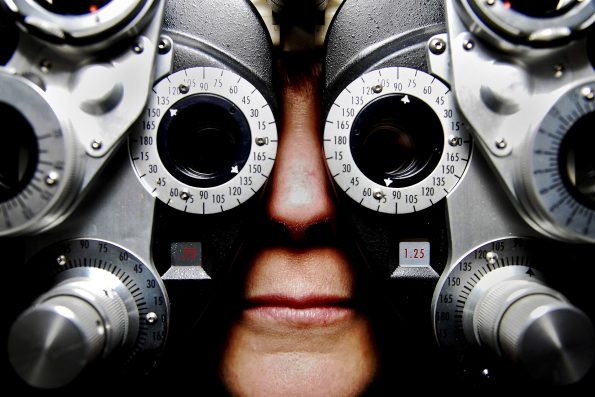
HOW DIABETES AFFECTS YOUR EYES
Diabetes can make you more likely to have eye problems. Your blood sugar (glucose) levels may be high because your body can’t make or use insulin properly. Too much blood sugar can build up and harm your nerves and blood vessels. Damage to the blood vessels in your eyes can lead to vision loss or blindness. Anyone with diabetes is at risk, so it’s important to get yearly eye exams.
Symptoms of Eye Damage
Diabetes can affect your eyes in different ways. When your blood sugar is high or when you start insulin treatment, you may have blurry vision or other problems. But your eyes can be damaged even if you don’t notice any changes. Don’t wait for symptoms to arise to get your vision checked.
Diabetic Retinopathy
The retina senses light coming into your eye, and it sends messages to your brain about the things you see. Damage to blood vessels inside the retina from blood sugar buildup is called diabetic retinopathy. You might not notice changes at first, but over time the walls of your blood vessels may leak fluid. When you’ve had diabetes for a while, blood vessels can form scar tissue and pull the retina away from the back of your eye. This can lead to severe vision loss and even blindness.
Treatment — Laser Surgery
Your doctor can diagnose retinopathy during a thorough eye exam. He’ll use a special dye to find leaking blood vessels. In the early stages, diabetic retinopathy often can be treated with laser surgery called photocoagulation. The laser seals the blood vessels and stops them from leaking and growing. The procedure can’t restore lost vision. Combined with follow-up care, though, it can lower your chances of blindness by as much as 90%.
Treatment — Vitrectomy
In the late stages of diabetic retinopathy — if the retina has detached or a lot of blood has leaked into your eye — your doctor may suggest vitrectomy. This surgery removes scar tissue, blood, and cloudy fluid from inside the eye. Vitrectomy can improve your vision.
Diabetic Retinopathy Risk Factors
Eventually, nearly everyone with diabetes will have some degree of retinopathy. Your chances increase the longer you have the disease. The odds will be higher if you don’t have good control of your blood sugar, blood pressure, and cholesterol.
How to Prevent Diabetic Retinopathy
Keep your blood sugar, blood pressure, and cholesterol under control. A major study found that people with diabetes who managed their disease intensely had much lower rates of diabetic retinopathy than those who followed standard treatment. It also helps to stop smoking. And it’s very important to get an annual dilated eye exam to spot early signs of the disease.
Glaucoma and Diabetes
While anyone over 40 is at increased risk of glaucoma, people with diabetes are 40% more likely to get it. Your chances rise the longer you have diabetes. Glaucoma can cause bright halos or coloured rings around lights, but it usually has no symptoms. Untreated, it can cause an increase in eye pressure that damages the optic nerve, resulting in vision loss and blindness. It can be treated with drops to lower eye pressure, or with laser or conventional surgery.
Cataracts and Diabetes
If you have diabetes, you’re 60% more likely to get cataracts — and you’ll probably get them at a younger age than people without diabetes. Poor control of blood sugar can speed up this condition. With a cataract, the lens in your eye becomes cloudy. This blocks light and makes everything look hazy. Cataract surgery, where the eye’s natural lens is replaced with an artificial one, can help vision. Sometimes diabetic retinopathy can get worse after cataract surgery, though.
Diabetes can make you more likely to have eye problems. Your blood sugar (glucose) levels may be high because your body can’t make or use insulin properly. Too much blood sugar can build up and harm your nerves and blood vessels. Damage to the blood vessels in your eyes can lead to vision loss or blindness. Anyone with diabetes is at risk, so it’s important to get yearly eye exams.
Symptoms of Eye Damage
Diabetes can affect your eyes in different ways. When your blood sugar is high or when you start insulin treatment, you may have blurry vision or other problems. But your eyes can be damaged even if you don’t notice any changes. Don’t wait for symptoms to arise to get your vision checked.
Diabetic Retinopathy
The retina senses light coming into your eye, and it sends messages to your brain about the things you see. Damage to blood vessels inside the retina from blood sugar buildup is called diabetic retinopathy. You might not notice changes at first, but over time the walls of your blood vessels may leak fluid. When you’ve had diabetes for a while, blood vessels can form scar tissue and pull the retina away from the back of your eye. This can lead to severe vision loss and even blindness.
Treatment — Laser Surgery
Your doctor can diagnose retinopathy during a thorough eye exam. He’ll use a special dye to find leaking blood vessels. In the early stages, diabetic retinopathy often can be treated with laser surgery called photocoagulation. The laser seals the blood vessels and stops them from leaking and growing. The procedure can’t restore lost vision. Combined with follow-up care, though, it can lower your chances of blindness by as much as 90%.
Treatment — Vitrectomy
In the late stages of diabetic retinopathy — if the retina has detached or a lot of blood has leaked into your eye — your doctor may suggest vitrectomy. This surgery removes scar tissue, blood, and cloudy fluid from inside the eye. Vitrectomy can improve your vision.
Diabetic Retinopathy Risk Factors
Eventually, nearly everyone with diabetes will have some degree of retinopathy. Your chances increase the longer you have the disease. The odds will be higher if you don’t have good control of your blood sugar, blood pressure, and cholesterol.
How to Prevent Diabetic Retinopathy
Keep your blood sugar, blood pressure, and cholesterol under control. A major study found that people with diabetes who managed their disease intensely had much lower rates of diabetic retinopathy than those who followed standard treatment. It also helps to stop smoking. And it’s very important to get an annual dilated eye exam to spot early signs of the disease.
Glaucoma and Diabetes
While anyone over 40 is at increased risk of glaucoma, people with diabetes are 40% more likely to get it. Your chances rise the longer you have diabetes. Glaucoma can cause bright halos or coloured rings around lights, but it usually has no symptoms. Untreated, it can cause an increase in eye pressure that damages the optic nerve, resulting in vision loss and blindness. It can be treated with drops to lower eye pressure, or with laser or conventional surgery.
Cataracts and Diabetes
If you have diabetes, you’re 60% more likely to get cataracts — and you’ll probably get them at a younger age than people without diabetes. Poor control of blood sugar can speed up this condition. With a cataract, the lens in your eye becomes cloudy. This blocks light and makes everything look hazy. Cataract surgery, where the eye’s natural lens is replaced with an artificial one, can help vision. Sometimes diabetic retinopathy can get worse after cataract surgery, though.
See Your Doctor
If you have diabetes and have any of these symptoms, see your doctor right away:
• Blurry or hazy vision
• Spots, floaters, or shadows
• Severe eye pain or pressure
• Sudden vision loss in one or both eyes
• Sense that a curtain is coming down over your eyes
• Flashing lights, double vision, or blind spots
• Waviness or distortion of straight lines
Seek emergency care for any loss of vision or double vision.
Courtesy: webmd.com

Oct 15, 2017 | Healthy Tips
LDL: THE ‘BAD’ CHOLESTEROL
Reviewed by James Beckerman, MD, FACC
If you have heart disease or you just want to keep your ticker healthy, you’ve probably heard the saying already: “Watch your cholesterol!” The type that puts your heart at risk is LDL, the “bad” cholesterol.
It collects in the walls of your blood vessels, where it can cause blockages. Higher levels of LDL raise your chances of a heart attack. That’s because of a sudden blood clot that forms there
Get a simple blood test to check your LDL levels. If they’re high, healthy foods and medicine can help you get them down.
What Is LDL?
Cholesterol isn’t all bad. It’s an essential fat the cells in your body need.
Some cholesterol comes from the food you eat, and your liver makes some. It can’t dissolve in blood, so proteins carry it where it needs to go. These carriers are called “lipoproteins.”
LDL is a microscopic blob made up of an outer rim of lipoprotein and a cholesterol center. Its full name is “low-density lipoprotein.” It’s bad because it becomes part of plaque, the stuff that can clog arteries and make heart attacks and strokes more likely.
What LDL Cholesterol Test Results Mean
Heart attacks are unpredictable, but higher levels of LDL raise your odds of heart disease. Until recently, guidelines for cutting those odds put an emphasis on lowering this “bad” cholesterol to a specific number.
Nowadays, you and your doctor work together to develop a personal strategy to lower your LDL by a certain percentage. It’s based on your how likely it is you’ll have heart disease or a stroke. To figure it out, doctors use a calculator to estimate your chance of those problems in the next 10 years.
The calculator considers several things, including:
Your cholesterol level
Your age
Your blood pressure
Whether you smoke
If you take blood pressure medicine
All of these things affect your chance of having a heart problem. Other risks include:
Diabetes
A history of heart disease in your family
Your doctor will set up a plan of lifestyle changes or medication that can lower both your cholesterol and overall risk.
What You Can Do
Healthy foods and exercise can cut your LDL levels. Eat foods low in saturated fat, cholesterol, and simple carbs. (Simple carbs include foods like sugar, white bread, and white crackers.) You can lower your numbers even more if you add fibre and plant sterols (margarine or nuts) to your diet.
Regular exercise, the kind that gets your heart pumping, also lowers your levels.
If healthy foods and exercise aren’t enough, your doctor may suggest medications. Some drugs, like statins, help block your body from making cholesterol. Other medicines lower the amount of cholesterol your body gets from the food you eat.
There are also drugs that you take a shot rather than as a pill. These meds block a protein that interferes with the way your liver removes LDL from your blood. They’re recommended for people who can’t use statins or who have a severe form of high cholesterol.
Remember, many other things affect your chances of getting heart disease. Smoking, diabetes, high blood pressure, obesity, and lack of exercise also raise the risk. It’s important to lower your LDL, but don’t ignore these other health issues.
Sources: WebMD Medical Reference. Check our website at www.rohsi.org and at www.facebook.com/rohsi3


