
Oct 15, 2017 | Healthy Tips
DO YOUR HEART A FAVOUR AND SAY GOODBYE TO TOBACCO
Reviewed by James Beckerman, MD, FACC
Whether you’re a long time smoker or you just picked up the habit, do your heart a favour and say goodbye to tobacco. As far as your ticker’s concerned, it’s never too late to quit. Your body starts to heal as soon as you smoke your last cigarette.
There are many reasons your heart will thank you for not lighting up. Every time you inhale cigarette smoke, your heart rate and blood pressure go up temporarily. That puts extra stress on your ticker and forces it to work harder.
Over time, smoking damages you in other ways, too. It:
Clogs your arteries
Increases clotting
Fills your lungs with tar
Thickens your blood
Weakens your bones
Increases inflammation
Weakens your immune system
Quit smoking now and you’ll see fast results. Just 20 minutes after you stop, your blood pressure and heart rate go down. In 2 to 3 weeks, your blood flow starts to get better.
Your odds of heart disease will go down, too. After a year without cigarettes, you’re half as likely to get it as you were when you smoked. After 5 years, it’s about the same as someone who never lit up.
How Smoking Hurts Your Heart: The chemicals in cigarettes harm your heart in many ways.
There’s carbon monoxide, a poisonous gas that enters your lungs and then your bloodstream. It steals oxygen from your red blood cells, so less of it gets to your organs and tissues. It also makes your artery walls hard and stiff, which can put you on the path to a heart attack.
Don’t forget nicotine, an addictive chemical in both tobacco and e-cigarettes. It makes your blood vessels narrow. It jacks up your blood pressure and heart rate, too. Your heart has to pump harder and faster than normal.
Smoking also causes chemical changes in your body. Cells in your bloodstream called platelets clump together when they react with toxic cigarette ingredients. This makes your blood thicker and stickier. It becomes harder for your heart to push it through your blood vessels.
Your cholesterol levels get out of whack, too. Cigarette smoke raises levels of LDL, or “bad” cholesterol, and a blood fat called triglycerides. Those cause waxy plaque to build up in your arteries. At the same time, it lowers HDL, or “good” cholesterol — the kind that prevents plaque from forming.
When your blood pressure is high, like it is while you’re smoking, arteries get stretched and scarred. Their lining gets damaged, which lets plaque grow and combine with sticky blood cells. All of this raises your risk of blood clots, which can block blood flow to your heart or other organs. That can cause heart attacks or strokes.
Smoking damages your lungs and makes it harder to breathe, too. That can keep you from exercising as much as you should. You need to get about 150 minutes of physical activity each week to keep it fit and strong.
Reap the Benefits of a Smoke-Free Life
Luckily, most of the damage tobacco does to you is reversible. When you quit, your risk of blood clots gets lower. Your “bad” cholesterol will go down and your “good” cholesterol will go up. That’ll help slow the buildup of new plaque deposits.
Within 2 weeks, you may notice it’s easier to exercise without feeling short of breath. Over the next few months, you’ll be able to breathe deeply again. Your hacking cough should disappear, too.
Don’t worry if you put on a few pounds at first. Many people swap food for smoking when they first quit. After a little while, you and your body will get used to a smoke-free life. When you get more exercise and improve your diet, you’ll get your weight under control.
If you have heart disease, it’s not too late to make a difference. If you give up cigarettes after a heart attack, you can cut your risk of having a second one in half. Quitting after you’ve had bypass surgery can keep your arteries healthy and help prevent further clogs and disease.
When you quit, you’ll also protect your friends and family from the health risks of second hand smoke.
Talk to your doctor to get suggestions on how to end your tobacco habit. He can also put you in touch with programs that offer tips and support.
Source: WebMD Medical Reference check our organization website for more resources at www.rohsi.org ; www.facebook.com/rohsi3
Oct 15, 2017 | Healthy Tips
ARE YOU GETTING TOO MUCH SALT?
Most of us get more than we need. Recommendations from the American Heart Association and the range from 1,500 to 2,300 milligrams of sodium a day. If you want to cut back, you need to do more than ease up on the shaker on your table. Watch what you eat. You may be shocked by some of the foods that are high in salt.
Frozen Dinners
They’re quick. They’re easy. And they’re loaded with sodium. A 5-ounce frozen turkey and gravy dinner packs 1,255 milligrams.
Tip: A “lighter” version may have less salt, but it’s no guarantee. Read the labels to be sure. It’s possible that “lighter” refers to fat only.
Ready-to-Eat Cereals
Check out the nutrition facts label. Some brands of raisin bran have up to 210 milligrams of sodium in each cup.
Tip: Puffed rice and wheat don’t have salt. Mix half of your favourite cereal with half of a salt-free choice. Or look for companies that make low-sodium cereals.
Vegetable Juices
They help you get the 2 to 2.5 cups of veggies you need a day. But they can have a lot of sodium. One cup of vegetable juice cocktail has 615 milligrams.
Tip: Shop around. There are low-salt versions.
Canned Vegetables
They often have preservatives, sauces, or seasonings that add extra sodium.
Tips: Rinse canned veggies thoroughly, or look for labels that say “no salt added” or “low sodium.” Check the freezer section, where you may have more luck finding an unsalted choice.
Packaged Deli Meats
One look at the salt content in packaged meats should stop you in your tracks. Two slices of dry salami made of beef or pork can have 362 milligrams of sodium.
Soup
It’s a warm comfort food on a cold day, but watch out. It can be loaded with salt. A cup of canned chicken noodle soup can have 831 milligrams of sodium.
Tips: Look for reduced-sodium versions of your favourites. And always check the label carefully. You might find that one brand’s “Healthy” version actually has less sodium than the “25% Less Sodium” variety.
Marinades and Flavourings
Some of your favourites may be super salty. One tablespoon of teriyaki sauce can have 879 milligrams of sodium. The same amount of soy sauce may have up to 1,005 milligrams.
Tips: Even “lower-sodium” soy sauce can have a lot, so use it sparingly. Go for vinegar and lemon juice for flavour, since they naturally have less salt. Try orange or pineapple juice as a base for meat marinades.
Spaghetti Sauce
Half a cup may have 577 milligrams of sodium, and that’s barely enough to coat a helping of pasta.
Tip: Look for “no salt added” versions.
Spicing It Up
Adding spices to an entrée can be an easy way to forgo the salt shaker. Just make sure there’s no hidden sodium in your selection. For example, canned jalapeno peppers (1/4 cup, solids, and liquids) have about 434 milligrams of sodium.
Tips: Go for the pepper in its natural form to ditch the sodium used in processing. Or use herbs and salt-free spices instead.
Aw, Nuts!
Rethink those salty peanuts. An ounce of most dry-roasted brands has 116 milligrams of sodium.
Tips: For about the same amount of calories, an ounce of oil-roasted, salted peanuts has only 76 milligrams of sodium. Or better yet, buy the unsalted variety, which is practically sodium-free.
Salty Snacks
They’re hard to resist, but they may have a lot of sodium. Potato chips have 136 milligrams per ounce, cheese puffs 263 milligrams per ounce, and pretzels 352 milligrams per ounce.
Tip: Even “baked” or fat-free snacks can have the same amount of sodium or more, so check the label.
Pre-packaged Foods
Rice, potatoes, and pasta in their natural forms are low in salt. But if you get the convenient “all-in-one” box and add the flavour packet, you may end up eating more than half of your daily allowance of sodium in just one serving.
Tips: Choose a plain, fast-cooking rice and add your own seasonings. Or microwave potatoes to serve with your choice of fixings.
Condiments Count
If you think those little extras you add to your food aren’t a source of salt, think again.
Ketchup (1 tablespoon) = 154 milligrams
Sweet relish (1 tablespoon) = 122 milligrams
Capers (1 tablespoon) = 202 milligrams (drained)
Tip: Go for low- or sodium-free versions. Or get creative with substitutions: Try cranberry relish or apple butter for a naturally lower-salt choice.
Watch Serving Sizes
The amount of sodium you see on a nutrition label isn’t for the whole package. It’s for one serving. Check to see how many are in each container.
Food Label Claims
They can be confusing, but you can figure them out with this cheat sheet:
Sodium-free: Less than 5 milligrams a serving
Very low-sodium: 35 milligrams or less per serving
Low-sodium: Less than 140 milligrams per serving
Reduced sodium: 25% less sodium
Unsalted, no salt added, or without added salt: Made without the salt normally used, but still has the sodium that’s a natural part of the food itself.
What’s in a Name?
When you’re scanning a food label, don’t just look for the word “salt.” Watch out for various forms of sodium or other names for the same thing:
Sodium alginate
Sodium ascorbate
Sodium bicarbonate (baking soda)
Sodium benzoate
Sodium caseinate
Sodium chloride
Sodium citrate
Sodium hydroxide
Sodium saccharin
Sodium stearoyl lactylate
Sodium sulfite
Disodium phosphate
Monosodium glutamate (MSG)
Trisodium phosphate
Na
Check Your Medicine Cabinet
Surprise! Some headache and heartburn medications have sodium carbonate or bicarbonate. Read the ingredient list and warning statement to be sure.
Restaurant Pitfalls
When you eat out, some menu choices can be a huge source of hidden salt. Soups, appetizers with cheese or meat, casseroles, and rice pilaf are some dishes to watch out for. If you ask, most restaurants will prepare your food without added salt.
Better Choices
Fish can be a lower-sodium option, as long as you pay attention to how it’s seasoned. Steamed veggies, prepared without salt, are another smart choice. Also, try a salad with dressing on the side. Low-sodium desserts include fruit, ice cream, sherbet, or angel food cake.
Dining Out ‘Dos’
Ask how the cook prepares your meal.
Choose a restaurant where dishes are made to order.
Ask the chef to make your dish without any type of sodium, then add a dash of salt-free seasoning from home or a squeeze of lemon or lime.
When You’re Eating Fast Food, try these helpful tips:
Get rid of the toppings except for veggies like lettuce and tomatoes.
Skip the cheese, go easy on condiments, and don’t add salt.
Don’t supersize. Order off the children’s menu for smaller portions.
Eat a low-sodium diet for the rest of the day.
Ask for a nutrition fact sheet at the restaurant, or find it online before you go, to help you make the best possible low-sodium choices.
Who Should Go Low-Sodium?
Guidelines call for about half of our citizens to limit sodium to 1,500 milligrams or less per day, including:
People ages 51 and older
African-Americans, Blacks
People with high blood pressure, diabetes, or long-term kidney disease
Cutting back on salt can cut blood pressure in some people. It can help lower the risk of heart disease, stroke, and kidney damage in those who have high blood pressure.
Track Your Salt
Don’t know how much you get every day? Keep a daily tally of what you eat and drink. Then look up how much sodium is in each item. You may be surprised at what you find. The average American takes in 3,592 milligrams of sodium each day, well above the limits recommended for good health.
Courtesy webmd.com like our page too at www.facebook.com/rohsi3
Oct 15, 2017 | Healthy Tips

HAVE HEART DISEASE? HOW TO PROTECT YOUR HEART NOW.
Reviewed by James Beckerman, MD, Courtesy:webmd.com
If you have heart disease or want to prevent it, your doctor may suggest drugs that help. They can:
Lower your blood pressure
Cut your cholesterol levels
Get rid of extra fluid in your body that puts a strain on the way your heart pumps
You and your doctor will work together to find the best choice for you. Whichever meds you use, some simple tips can help you take them safely and on schedule.
Stay on Track
First, learn about the medicine your doctor prescribes. Know the names, dosages, and side effects of the drugs, and what they’re used for. Always keep a list of the medications with you.
Don’t stop or change your medicines without talking to your doctor first. Continue it even if you feel better. If you stop suddenly, it can make your condition worse.
It’s important to take your medicines at the same time every day. To stay on top of things, get a pillbox marked with the days of the week. Fill it up at the start of each week.
If you miss a dose, take it as soon as you remember. If it’s almost time for the next one, it’s OK to skip the missed dose and go back to your regular schedule. But don’t take two doses to make up for the one you forgot to take.
Make sure you refill your prescriptions on time. Don’t wait until you’re completely out before you go to the pharmacy.
Safety Tips
Don’t take less medication than your doctor prescribes in order to save money. You need to take the full amount to get the drug’s benefits. If you’re worried you may not be able to afford your meds, talk to your doctor about ways to lower the costs.
Also, check with him before you take any over-the-counter drugs or herbal treatments. They may have side effects, make the symptoms of your heart disease worse, or make your other meds less effective.
For example, some common drugs that don’t mix well with heart medications are:
Antacids
Salt substitutes
A cough, cold, or allergy drugs
Nonsteroidal anti-inflammatory drugs (like ibuprofen and naproxen)
If you’re going to have surgery and will be put under with anaesthesia, make sure you tell your surgeon about the heart drugs you take.
Tips for Traveling
Keep your meds with you when you’re away from home. Don’t pack them in luggage that you don’t plan to keep with you at all times.
If you’re taking a long trip, pack an extra week’s supply. Make sure you have the phone number of your pharmacy and the refill numbers of your prescriptions, in case you run out.
Watch Out for Side Effects
Heart disease drugs that relax narrow blood vessels might make you dizzy. If that happens to you when you stand or get out of bed, sit or lie down for a few minutes. This helps raise your blood pressure. Then, get up more slowly.
ACE inhibitors may make you a cough. Let your doctor know if that keeps you up at night or gets in the way of your daily activities.
Diuretics (water pills) make you pee more. If you need a single dose each day, take it in the morning. Or if you take two doses a day, take the second one in the late afternoon. That way, you won’t need to pee so often during the night, so you can sleep better.
Diuretics can make you dehydrated. Watch out for signs like:
Dizziness
Extreme thirst
Dry mouth
Peeing less
Dark-coloured urine
Constipation
Call your doctor if you have any of these. Don’t just assume you need more fluids.
Bleeding is the most common side effect if you take blood thinners. Call your doctor right away if you have:
Heavy bleeding during your period
Red or brown pee
Tar-like stools
Bleeding from your gums or nose that doesn’t stop right away
Red things you cough up
A severe headache or stomach ache
Unusual bruising
Cuts that won’t stop bleeding
A bump on the head or serious fall
A daily aspirin routine could increase your risk of a bleeding stroke. It also ups your chances of a stomach ulcer. You also shouldn’t take aspirin if you’re allergic to it.
Talk to your doctor before starting an aspirin routinely.
check our website at www.rohsi.org; like our page at
www.facebook.com/rohsi.org; Twitter handle @rohsi3, Instagram account @rohsinigeria3
Sep 20, 2017 | Healthy Tips
BLOOD PRESSURE RANGES:
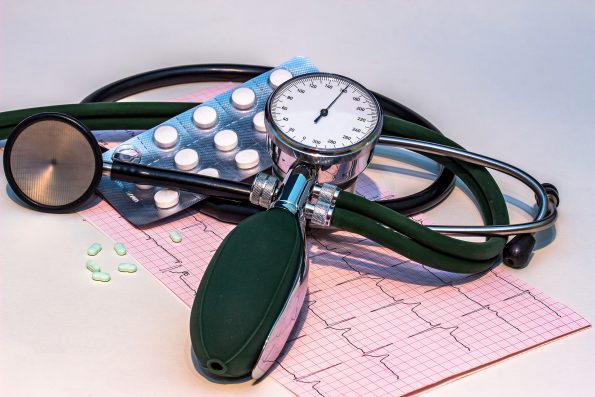
There are always two pressures expressed in blood pressure ranges, the systolic and the diastolic pressure.
Blood pressure ranges are usually written using the systolic number before or above the diastolic number, for example, 120/80 mmHg… The systolic pressure, which is the first number shown, the 120 in the chart below, is the pressure reading as the heart pumps blood out from the ventricle into the veins. The diastolic pressure, 80 as illustrated in the blood pressure chart, is the resting pressure, which is between beats when the pressure decreases before the next heart pumping action
For young adults aged 20 to 40, the normal, healthy blood pressure ranges are 120/80 but it is also normal to high, 130/85 and normal to low, 110/75. The high blood pressure ranges for this age group progress in stages from 140/90 up as high as 210/120. The low blood pressure ranges go from 90/60 to a dangerously low level of 50/33. By the age of 50, the average, normal blood pressure ranges have risen to 129/85 and at 60, there is a further increase in the average normal range to 134/87.
High blood pressure is termed hypertension, low blood pressure is hypotension. If there is no obvious cause for hypertension, which is often the case, it is called primary hypertension. Secondary hypertension, the term given to only 5 to 10% of cases, can be caused by a number of factors, amongst them a kidney or heart disease and hardening of the arteries.
Blood pressure changes at four phases throughout life:
Researchers have found that blood pressure changes at 4 phases throughout life: a quick increase throughout adolescent growth; a milder increase early on in adult years; an acceleration in the 40s; and by the age of 50, the normal average blood pressure ranges have increased to 129/85. During a period in late adult years, blood pressure will increase slowly and then reduces.
The primary causes of blood pressure increasing over a lifetime can be modified and could be focused on to help prevent heart disease: even though high blood pressure often has no obvious symptoms, this condition could lead to life-threatening stroke and heart attacks, so a reduction in blood pressure is crucial for health.
A decrease, as well as increase in blood pressure, affects lifetime cardiovascular disease risk
According to a study, a decrease, as well as increase in your blood pressure throughout middle age, could significantly affect your lifetime cardiovascular disease risk.
Individuals that maintained or lowered blood pressure to normal blood pressure levels by 55 years old had the lowest lifetime cardiovascular disease risk of between 22% and 41%. In comparison, people who already had high blood pressure by 55 years old had a greater lifetime risk of between 42% and 69%.
Both avoiding high blood pressure throughout middle age or delaying the start of the development of high blood pressure seem to have a significant effect on a person’s remaining lifetime cardiovascular disease risk.
The study also found:
•Nearly 70% of all men that get hypertension during middle age will have a cardiovascular disease incident by 85 years old.
•Women that get hypertension by earlier middle age have a higher lifetime cardiovascular disease risk of 49.4% than those that have kept normal blood pressure until the age of 55.
•Women generally had higher increases in blood pressure throughout middle age.
•At an average of 55 years old, 40.8% of women and 25.7% of men had blood pressure levels that were normal; 47.5% of women and 49.4% of men had prehypertension.
•The overall lifetime cardiovascular disease risk for people aged 55 years or more was 39.9% for women and 52.5% for men, after factoring in all blood pressure levels.
•The lifetime cardiovascular disease risk was higher among Blacks in comparison to Whites of the same sex and went up with increased blood pressure at middle age.
Courtesy www.rohsi.org like our page at www.facebook.com/rohsi;www.twitter.com/rohsi3 and www.Instagram.com/rohsinigeria
Sep 14, 2017 | Healthy Tips
WHAT IS HEART FAILURE?
The name doesn’t mean your heart stops. It just doesn’t work as well as it should. It happens when the muscle is weakened and can’t pump enough blood and oxygen to your body. It can compensate for a while, but eventually you’ll need to get treated.
What Causes It?
Your heart can begin to fail as you age, but the condition can affect young people, too. Most people with it had a related problem first. It could be high blood pressure, coronary artery disease, a heart attack, a birth defect of the heart, or a disease that strikes the blood-pumping muscle.
Lung disease can lead to heart failure, too. Obesity, diabetes and sleep apnea have also been linked to it.
Symptom: Shortness of Breath
It’s one of the first red flags you may notice, especially after you’re active. It can also happen when you’re at rest once heart failure gets worse. Sometimes you may feel short of breath when you’re lying down or sleeping. That’s because the heart can’t keep up with the blood flow back to it from the lungs. When that happens, fluid leaks into the lungs. That will make it harder to breathe.
Symptom: Fatigue
If your heart isn’t pumping properly, the brain takes blood from less-important areas of the body — like the muscles in your limbs — to the brain and other vital organs. That can make your arms and legs feel weak. You may feel tired doing everyday things like climbing stairs or walking across the room. You can also get light-headed.
Symptom: Nagging Cough and Wheeze
This is another sign that your heart is struggling, and that blood returning to it from the lungs is backing up. That means fluid gets in your lungs. Sometimes, the cough can bring up white or pinkish mucus. Let your doctor know if you have it.
Symptom: Swelling and Weight Gain
Fluid can back up in tissues, too. This can cause your feet, ankles, legs or belly to swell. The kidneys, since they have less blood to work with, may not get rid of sodium as well. That would cause more fluid to stay in your tissues. Talk with your doctor right away if you have persistent swelling or sudden weight gain.
Symptom: Nausea
You may have that — or you might just feel full as if you can’t eat anymore. Either way, that can lead to a lack of appetite. This happens because your digestive system isn’t getting enough blood and oxygen.
Symptom: A Racing Heart
It’s a common warning sign. When your heart doesn’t pump enough blood, your body knows. It can make up for this in a few ways:
By adding muscle to your heart to push more strongly
By enlarging your heart so it can stretch and snap back better
By making your heart beat faster
Symptom: Confusion
You may seem confused or sluggish. You might be disoriented, or you might start forgetting things. When other organs aren’t working well because of a lack of blood, it affects the amount of some things (like sodium) in the blood. This can affect your brain.
Tips to Prevent Heart Failure
You can lower your odds of getting the condition. Make sure to eat well and exercise. If you smoke, quit. If you’re carrying a few extra pounds, do what you can to lose them. If you’re already at high risk, or your heart already is damaged, your doctor can help lower your risk with medicine. It’s important that you and your doctor work as a team.
Heart Failure Treatment
There’s usually no cure for the problem, but it can be treated. Typically, that plan will include things like exercise and a low-sodium diet. Your doctor may ask that you weigh yourself daily to make sure you’re not keeping too much fluid. You’ll also need to keep track of how much fluid you eat or drink each day. There’ll be medicine to take. You’ll also likely need to manage stress and avoid caffeine. Your doctor might also recommend surgery to implant devices to help your heart, too.
Living With Heart Failure
It doesn’t have to rule your life. Focus on what you can do with your condition, not what you can’t do. You may have to choose what’s most important and skip some of the other things. You may have to rest up, too.

Sep 11, 2017 | Healthy Tips
DO I REALLY NEED TO WORRY ABOUT MY HIGH CHOLESTEROL?
By Maureen Salamon
The Answer Is the Same for Anyone with High Cholesterol. Though some health issues are easy to ignore, high cholesterol, particularly high LDL levels (the “bad cholesterol”) is not one of them. Cholesterol problems can affect anyone. Monitoring cholesterol levels is crucial because individuals with unhealthy cholesterol levels typically do not develop specific symptoms.
Overview
High cholesterol, which is defined as a total cholesterol level greater than 240 milligrams per decilitre (mg/dL), is much more common than very low levels.
The target cholesterol level for a normal, healthy adult is below 200 mg/dL, while levels between 200 mg/dL and 239 mg/dL are considered borderline high. Current guidelines recommend that healthy adults check their cholesterol levels at least once every five years.
Individuals with elevated total cholesterol or LDL levels have a significantly increased risk of developing heart disease, which is the number one cause of death in the United States. Approximately 25.6 million adults have diagnosed with heart disease annually, resulting in 650,000 deaths each year.
It would seem that cholesterol has been demonized with good reason, yet our bodies cannot live without the soft, waxy stuff. Cholesterol is present in every cell and promotes hormone production, digestion, and the conversion of sunlight into vitamin D. Approximately 75% of the cholesterol present in the blood is produced by the liver, while the remaining cholesterol present is derived from the diet.
Diagnosis
Several tests are used to evaluate cholesterol levels in the blood. The simplest test measures total cholesterol, which is the combined levels of LDL (“bad cholesterol), HDL (“good cholesterol”), and triglycerides (the main form of body fat). A lipid profile test, which is performed after 12 hours of fasting, provides a detailed breakdown of cholesterol levels by lipid type (LDL, HDL, and triglycerides).
Current healthy cholesterol level guidelines recommend:
LDL (“bad cholesterol”): Levels below 100 mg/dL are considered healthy. Levels above 190 mg/dL are unhealthy.
HDL (“good cholesterol”): Levels above 60 mg/dL are healthy. Levels below 40 mg/dL are unhealthy.
Triglycerides: Levels below 150 mg/dL are healthy. Levels above 500 mg/dL are unhealthy.
HDL cholesterol — the “good cholesterol” — works like a clean-up crew in the bloodstream by ferrying “bad cholesterol” (LDL) to the liver for safe disposal. That means higher HDL levels are good for the heart.
Causes
Maintaining a healthy level of cholesterol is important for maintaining a healthy heart. According to the National Cholesterol Education Program (NCEP), an initiative of the National Heart, Lung, and Blood Institute, high total cholesterol levels are particularly dangerous for individuals who smoke. Additionally, individuals who are diabetic or obese, or have low HDL cholesterol, high blood pressure, or a family history of heart disease, should strive to maintain healthy cholesterol levels.
Approximately 7 in every 1,000 adults suffer from familial hypercholesterolemia, a genetic condition that can elevate cholesterol levels to two times the normal level.
In addition to lifestyle and overall health, age is also a risk factor for developing high cholesterol. Older individuals, particularly men over 45 years of age and women over 55 years of age, are more likely to see their cholesterol levels increase because their bodies are not as efficient at processing and excreting cholesterol. In fact, men with high cholesterol levels often have their first heart attack when they are between 40 to 50 years of age.
However, even young people are not immune to the dangers of high cholesterol. Researchers have found that fatty plaques of cholesterol can actually begin forming well before adulthood, leading to narrowed arteries and, potentially, a heart attack or stroke.
Lifestyle Changes
In most cases, changes in diet and increased exercise are the first response to lowering high cholesterol levels.
The NCEP recommends getting at least 30 minutes of exercise every day. Other recommended strategies include avoiding saturated fats and cholesterol and maintaining a healthy weight. Obesity often leads to elevated total cholesterol levels because excess body fat can increase the concentration of cholesterol and triglycerides in the blood.
Foods to Avoid
Foods to avoid if you have high cholesterol levels include white bread, white potatoes, and white rice, whole-fat dairy products, and any highly processed sugars or flours.
Foods that have been shown to reduce cholesterol include fatty fish, walnuts and other nuts, oatmeal, psyllium (and other soluble fibres) and foods fortified with plant sterols or stanols.
Medications
However, if lifestyle changes alone are not effective, your doctor may prescribe a particular class of drugs known as statins, which help reduce LDL and triglyceride levels and increase HDL levels. Statins, the most widely prescribed class of cholesterol-lowering drugs, act by inhibiting cholesterol production within the liver. Your doctor may prescribe one of many available statin medications: Lipitor (atorvastatin), Zocor (simvastatin), Mevacor (lovastatin), Lescol (fluvastatin), Crestor (rosuvastatin) or Pravachol (pravastatin).
Sources:
“High Blood Cholesterol: What You Need to Know.” NHLBI. Jun 2005. National Institutes of Health.
“Heart Disease.” National Centre for Health Statistics. 31 Dec 2007. Centres for Disease Control. 27 Feb 2008.
“Lifestyle Changes and Cholesterol.” American Heart Association. Oct. 26, 2015.
Fallon Jr., L. Fleming. “Hypercholesterolemia.” Health AtoZ, Gale Encyclopedia of Medicine. 2006. The Gale Group.


